by Flinn Inspection Group
Share
by Flinn Inspection Group
Share
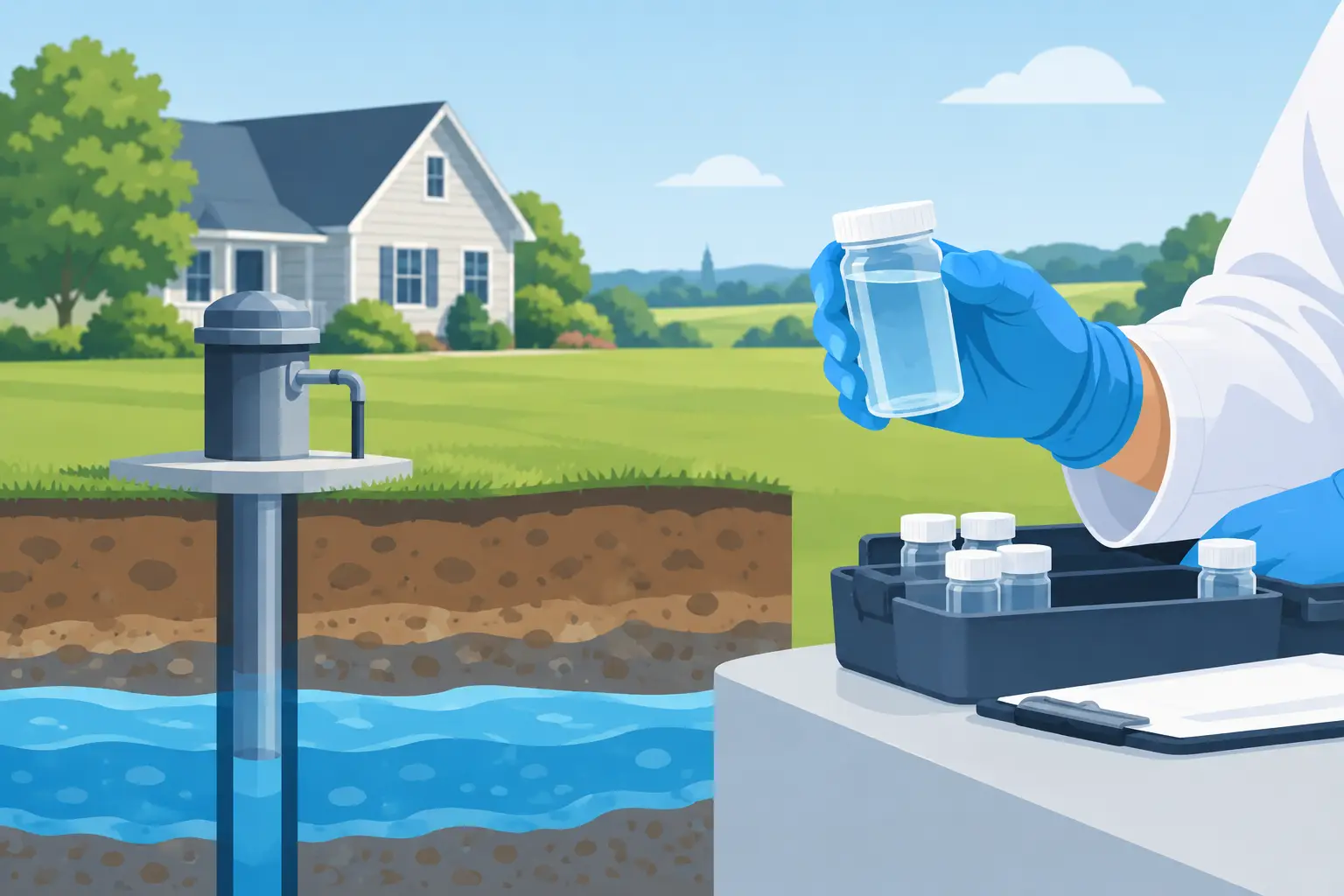
A private well can look perfectly normal while carrying contaminants that have no obvious taste, smell, or color. That is why well water testing in Delaware, Ohio should be treated as a fact-finding step, not a formality. Whether you are buying a rural property, evaluating a home with a well and septic system, or checking on water your family uses every day, laboratory testing provides the information a visual inspection cannot.
For buyers, timing matters. A water result can affect lender requirements, negotiations, and the confidence to move forward. For current owners, testing establishes a baseline and can identify changes before they become a larger household concern. The right test depends on the property, the water source, recent conditions, and the purpose of the transaction.
Why Private Well Water Needs Testing
Homes connected to a public water system receive water that is monitored and treated by the utility. A private well is different. The homeowner is responsible for understanding the condition of the well system and the quality of the water it supplies.
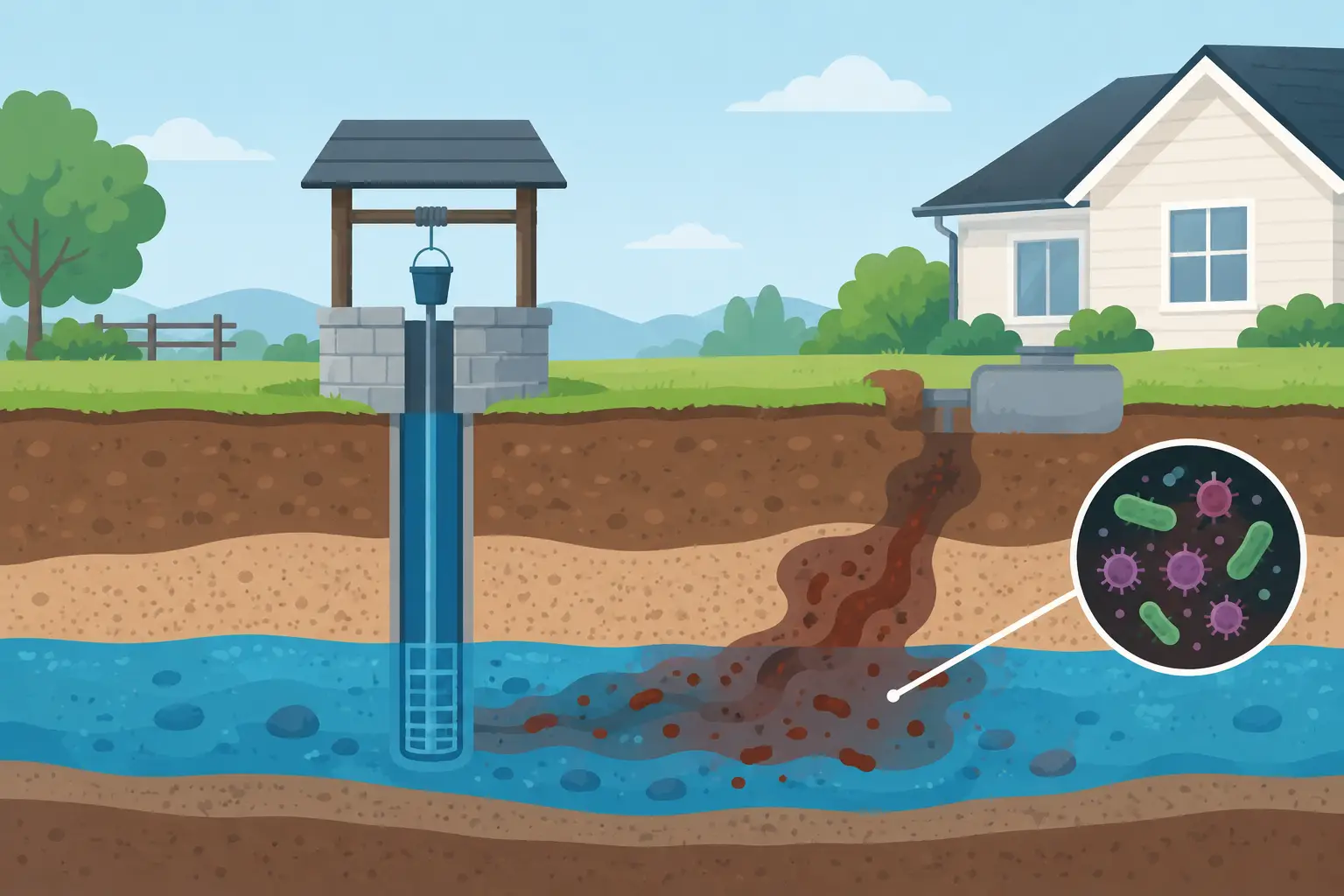
Groundwater conditions can vary from one property to the next, even within the same part of Delaware County. Well depth, nearby agricultural activity, septic systems, drainage patterns, plumbing materials, flooding, and changes to the surrounding land can all influence what may be present in the water. A neighbor’s test result is not a substitute for testing the well at the property you are buying or owning.
A clear glass of water is not proof that the water meets a particular lending guideline or household need. Some concerns, including bacteria, nitrate, and certain metals, may not be visible. Other conditions, such as staining, sediment, sulfur-like odors, or a metallic taste, may point to a water-quality issue but cannot identify the cause on their own.
When to Schedule Well Water Testing in Delaware, Ohio
The most common time to schedule testing is during a real estate purchase. Buyers should arrange it early enough in the inspection period to allow for proper sample collection, laboratory processing, and any follow-up questions. Waiting until the final days before closing can create unnecessary pressure, especially if the lender, loan program, or contract calls for specific testing standards.
Testing is also appropriate when a home has been vacant, when the well has undergone work, or when the property has experienced flooding or a significant change in drainage. A newly constructed home with a private well should be tested before occupancy as well. New components do not automatically confirm water quality, and testing helps establish a useful starting point for future comparison.
For homeowners, periodic testing is a practical part of responsible property ownership. Annual bacterial testing is commonly recommended for private wells, while broader panels may be appropriate on a schedule based on prior results and local conditions. More immediate testing makes sense when household members experience unexplained gastrointestinal illness, when water appearance or odor changes, or when a well cap, casing, or nearby ground conditions appear compromised.
What a Water Test May Include
There is no single water panel that fits every property. The proper scope depends on whether the goal is a real estate transaction, an FHA or other loan requirement, a routine household review, or an investigation of a specific concern.
A standard real estate water-quality test often includes total coliform bacteria, E. coli, nitrate, nitrite, and lead. These analytes are common because they can indicate contamination pathways, wastewater or agricultural influence, and plumbing-related concerns. Some transactions require a particular panel or a laboratory approved for the applicable loan program, so buyers should confirm requirements before sampling.
Additional testing may be justified when the property’s history or water conditions call for it. Arsenic, manganese, iron, hardness, pH, chloride, sulfate, and other parameters can help explain staining, corrosion, scale buildup, unpleasant taste, or performance issues with water-using appliances. The right approach is targeted, not automatically oversized. A broad panel can provide useful context, but it should answer a real question about the property.
A qualified inspection professional can help coordinate the appropriate water sampling alongside a well inspection, septic inspection, or full home inspection. That coordination is valuable because water quality is only one part of the system. The physical condition of the well equipment, pressure tank, visible piping, and site drainage also deserve attention.
Proper Sampling Protects the Result
Water testing is only as reliable as the sample collection process. For a transaction or lender-required test, the laboratory may specify the collection method, bottle type, delivery timeline, and chain-of-custody documentation. Bacterial samples, in particular, require careful handling to avoid invalid or misleading results.
The sample should be collected from the correct location and under normal operating conditions unless the testing instructions say otherwise. Water treatment equipment may need to be considered based on the purpose of the test. For example, a lender may require a sample that reflects water at a designated point, while a homeowner may also want to understand both raw well water and water after household treatment. Those are different questions, and the sampling plan should match the question.
Avoid assuming that a test result applies forever. A passing result reflects the water quality in that sample at that time. Seasonal groundwater changes, heavy rain, equipment issues, and activity around the property can alter conditions later. A concerning result also deserves context rather than panic. Retesting or additional analysis may be appropriate to confirm the finding and better understand its source.
Well Inspection and Water Testing Work Better Together
A laboratory report tells you what was detected in the sample. It does not evaluate the visible condition of the well system or identify every route by which contamination could enter. That is where a professional well inspection adds value.
During an inspection, the visible and accessible components may be reviewed for conditions such as an unsecured or damaged well cap, improper grading near the casing, exposed wiring, leaks, equipment condition, pressure concerns, and visible plumbing deficiencies. The inspector also considers how the well relates to the home and, when applicable, the septic system and surrounding site.
There are limits. Much of the well system is below ground and cannot be fully evaluated without specialized procedures. Water testing cannot guarantee future quality, and an inspection cannot predict every underground failure. Still, combining the two gives a buyer or owner far more useful information than relying on either one alone.
For a home purchase, this combined perspective can help distinguish between a laboratory result that needs follow-up and a larger system concern that may affect the investment. For an existing homeowner, it creates a clearer record of the property’s water supply and visible well conditions over time.
Questions Buyers Should Ask Before Closing
If the property uses a private well, ask the seller for any available records on well installation, past testing, equipment service, and water treatment equipment. Records may be incomplete, especially on older homes, but they can still provide useful history.
Confirm whether the purchase contract or financing program requires a particular test panel, lab process, or result timing. Do not assume that a general water screen will satisfy every requirement. It is also smart to ask whether the property has experienced flooding, a prior bacterial issue, changes to the well pump or pressure tank, or recurring staining and odor concerns.
Finally, give the results the attention they deserve before the end of your inspection contingency. A water test should be part of an informed decision, not a document reviewed after all other options have narrowed.
Flinn Inspection Group helps Central Ohio buyers and homeowners coordinate thorough property inspections, including well water testing and related system evaluations. We inspect every square foot, every time, so you can understand the conditions affecting your investment with greater clarity.
A private well is a major part of a property, even though most of it sits out of sight. Test early, use the right panel, and let the results guide your next conversation before you commit to the home or continue relying on the water supply.