by Flinn Inspection Group
Share
by Flinn Inspection Group
Share

A signed purchase contract starts a clock. Inspection deadlines, financing milestones, repair negotiations, and closing dates can move quickly – and a missed inspection window can limit your options. Knowing how to schedule home inspection services early gives you time to understand the property, evaluate findings, and make decisions with confidence.
For buyers in Central Ohio, scheduling is more than selecting a date on a calendar. It means choosing the right inspection scope, confirming access to every relevant area, and reserving specialized testing before the contingency period becomes tight. A thorough inspection should protect your investment, not create a last-minute scramble.
Schedule the Inspection as Soon as Your Contract Is Accepted
If you are buying a home, contact an inspector immediately after your offer is accepted. Many purchase contracts include a defined inspection period, often measured in days rather than weeks. Waiting until the end of that period reduces your ability to reschedule if weather, occupancy, utility access, or a specialized service causes a delay.
The best appointment date depends on the property and your contract. In most cases, schedule the standard home inspection within the first few days after acceptance. This gives you time to receive the report, ask questions, obtain contractor estimates if needed, and work with your real estate agent on any repair requests or next steps.
For homeowners, investors, and sellers, the urgency may be different, but early scheduling still matters. An 11-month warranty inspection should be completed before the builder warranty expires. An investor inspection should occur before a purchase decision becomes final. A pre-listing inspection is most useful when there is enough time to address significant concerns before the property goes on the market.
Choose the Right Type of Inspection Before You Book
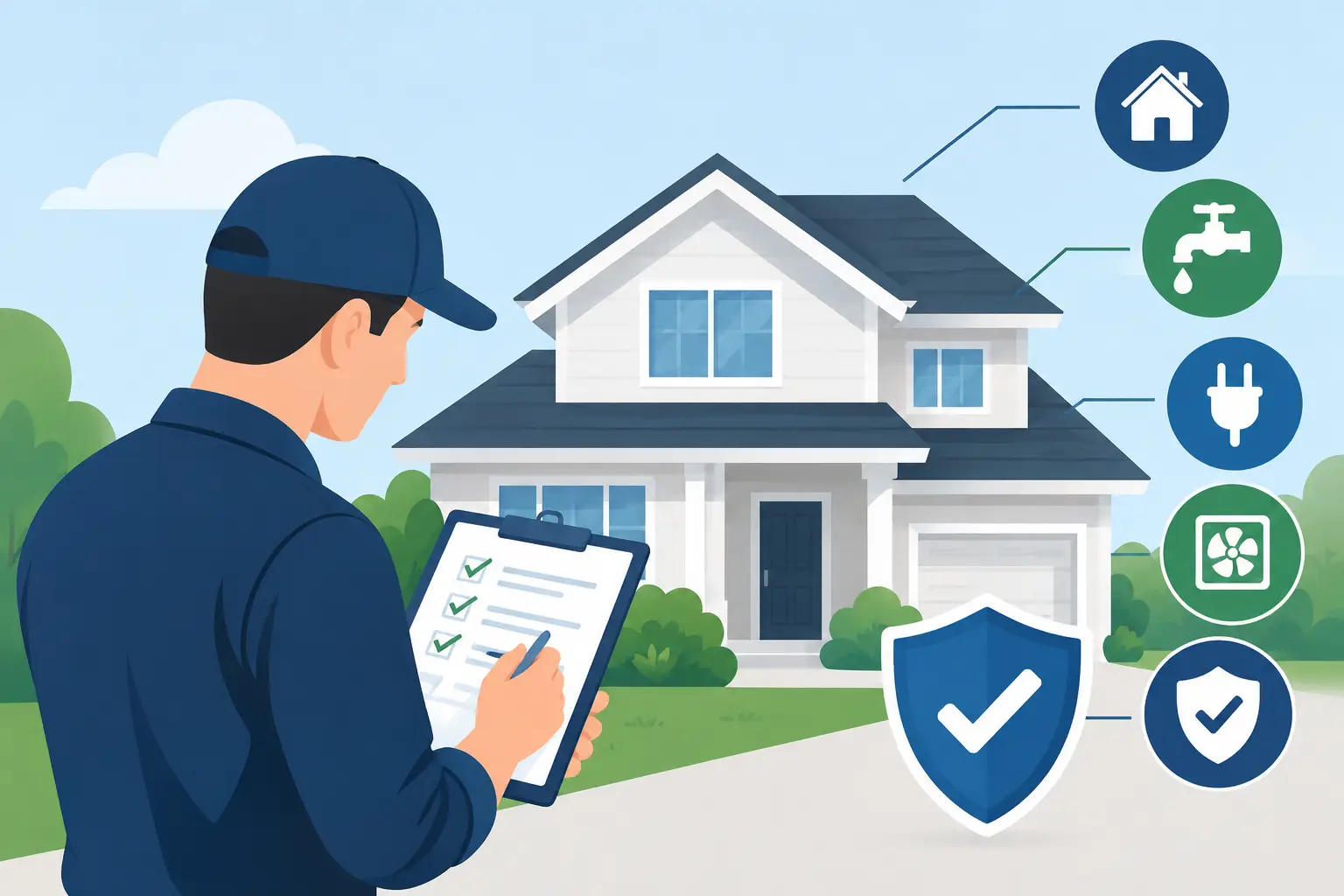
A full home inspection is the foundation for most residential purchases. It evaluates visible and accessible components such as the roof, exterior, structure, foundation, heating and cooling systems, plumbing, electrical systems, interior rooms, insulation, ventilation, and major built-in appliances.
However, a standard inspection does not answer every property question. When you call to schedule, explain the home’s age, water source, sewer arrangement, property features, and your reason for ordering the inspection. That information helps ensure the appointment includes the services that matter to your decision.
For example, a Central Ohio home with a private well or septic system may need well water testing, FHA water quality testing, a septic inspection, or all three depending on the loan and property conditions. A home with a fireplace, pool, older materials, signs of moisture, or a suspected drain issue may benefit from fireplace, pool, mold and air quality, asbestos, lead-based paint, or sewer camera services.
Radon testing is particularly worth discussing for homes in this region. Radon is odorless and invisible, so it cannot be identified by a walk-through. Scheduling it with the inspection often keeps the process coordinated and prevents another appointment from delaying your due diligence.
New construction requires a different plan. A foundation inspection, pre-drywall inspection, and final inspection can identify concerns at stages when corrections are typically easier to make. Do not assume a newly built home needs less scrutiny. New systems, new materials, and fast construction schedules all deserve an independent review.
Ask What Can Be Coordinated in One Visit
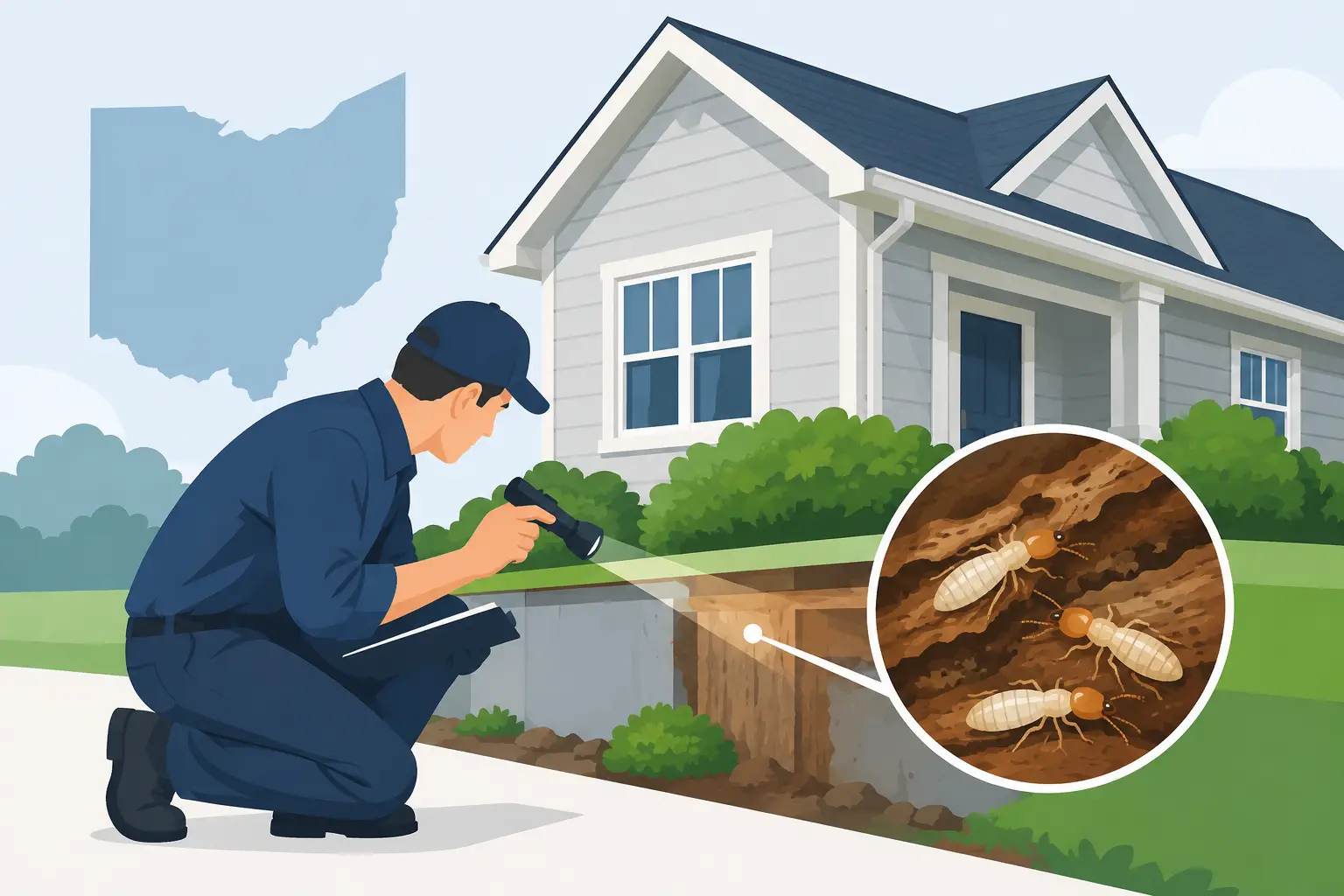
An all-in-one appointment can save time and simplify communication. Rather than arranging separate visits for a home inspection, radon test, termite inspection, sewer scope, and water test, ask which services can be scheduled together and whether any require additional timing or preparation.
Some testing has practical constraints. Radon testing requires closed-house conditions before and during the test. Water testing may require access to a specific faucet and may be subject to laboratory timing. Sewer scopes require an accessible cleanout or another viable entry point. Understanding these requirements before the appointment helps avoid incomplete testing.
How to Schedule Home Inspection Services Efficiently
A good scheduling call or online request should cover the facts an inspector needs to reserve the right amount of time and prepare the appropriate services. Have the property address, preferred dates, real estate agent contact information, occupancy status, and inspection deadline ready.
You should also share what you know about the property. Mention whether it is vacant, tenant-occupied, newly built, a condo, an older home, or an investment property. Note private well or septic systems, pools, fireplaces, crawl spaces, detached buildings, suspected drainage concerns, and any areas the seller has disclosed as problematic.
If you are under contract, provide the deadline rather than simply asking for the earliest opening. The earliest slot is often helpful, but a qualified inspection company can also advise whether enough time is needed for the home’s size, age, and requested ancillary services. A large older home with multiple specialized tests should not be rushed into an appointment designed for a small condominium.
Flinn Inspection Group coordinates comprehensive residential and commercial inspections for Central Ohio clients who need clear scope, advanced diagnostic tools, and prompt reporting. When scheduling, ask whether thermal imaging, gas leak detection, same-day reporting, and warranty coverage are included with the inspection package you select.
Confirm Access Before the Inspector Arrives
An inspection is only as complete as the access available on site. The inspector should be able to reach the attic, basement, crawl space, garage, electrical panel, furnace, air conditioner, water heater, and all rooms. Locked doors, blocked panels, stored belongings, or utilities that are shut off can prevent components from being evaluated.
Your agent can typically coordinate access with the listing agent or seller. If the home is vacant, confirm that lockbox instructions are current. If the home is occupied, confirm that pets will be secured and that the seller understands the expected appointment length. For tenant-occupied properties, additional notice requirements may apply.
Utilities should remain on whenever possible. The inspector cannot properly evaluate the furnace, air conditioning, plumbing fixtures, water heater, or many appliances without safe operating conditions. If a system cannot be tested, the report should document that limitation, but you may need a return visit or specialist evaluation before your inspection period ends.
Before the appointment, confirm these practical details:
- All utilities will be on, including water, electric, and gas where applicable.
- Attic, crawl space, basement, garage, and electrical panel access will be clear.
- Pets will be secured and any alarm or gate instructions will be available.
- The listing agent, owner, or property manager has approved entry.
- Requested add-on services are confirmed, especially radon, water, sewer, and termite testing.
Attend the Inspection If You Can
Buyers are not always required to attend, but being present for the final portion of the inspection can be extremely valuable. You can see key conditions firsthand, ask questions about maintenance, and better understand which findings are urgent, which are negotiable, and which are normal for the property’s age.
You do not need to follow the inspector through every room or interrupt the process. A better approach is to arrive near the end for a walkthrough and conversation about major findings. Your inspector should be able to explain concerns in plain language, distinguish safety issues from routine maintenance, and identify when a licensed specialist should take the next step.
For investors, attendance may not be practical. In that case, request clear photos, prioritized findings, and a prompt report that supports a fast decision. Commercial clients may need to coordinate access with tenants, facility managers, or multiple decision-makers, making advance scheduling even more important.
Read the Report Quickly and Use It Wisely
A same-day report helps you act while your inspection window is still open. Read it promptly, then discuss significant findings with your agent, contractor, builder, or attorney as appropriate. Not every item needs a repair request. Homes have maintenance needs, and older homes often show wear consistent with their age.
Focus first on safety concerns, major system defects, active water intrusion, structural issues, electrical hazards, roofing conditions, and components near the end of their service life. Then consider your budget, the property’s price, local market conditions, and how long you expect to own the home. The right response depends on the facts, not a generic checklist.
The best time to schedule is before time becomes the problem. Reserve the inspection early, choose a scope that matches the property, and make access a priority. That preparation gives you something far more valuable than a date on the calendar: the information to move forward with your investment on solid ground.