by Flinn Inspection Group
Share
by Flinn Inspection Group
Share

A buyer’s inspection should not be the first time you learn that the furnace has a safety concern, the attic insulation is thin, or the sewer line needs attention. The best pre listing inspection tips help sellers uncover those issues on their own timeline, before a contract, repair negotiation, or closing date puts pressure on every decision.
For Central Ohio sellers, a pre-listing inspection is not about making an older home look brand-new. It is about understanding its actual condition, addressing meaningful concerns, and presenting the property with fewer surprises. That gives you more control over cost, timing, and the story buyers hear about the home.
Why a Pre-Listing Inspection Changes the Sale
Most buyers will order a home inspection after their offer is accepted. If the inspection identifies a material concern, the buyer may ask for repairs, request a credit, delay negotiations, or walk away if the contract allows it. Even a small issue can become expensive when it is discovered late and framed as an unknown risk.
A pre-listing inspection moves that information forward. You can obtain estimates without a closing deadline, choose qualified contractors, keep records of completed work, and price the property with a clearer understanding of its condition. It can also reduce the chance of a second round of tense negotiations after you believe the deal is nearly complete.
The trade-off is straightforward: once you know about a condition, you should discuss any disclosure obligations with your real estate agent and, when appropriate, your attorney. A pre-listing inspection is not a way to hide defects. It is a practical way to handle them responsibly.
Best Pre Listing Inspection Tips Before You Call an Inspector
1. Start early enough to make real decisions
Schedule the inspection before photography, staging, and the first showing if possible. Two to four weeks before listing is often a useful window, but larger repairs may require more time. Sewer repairs, roof work, electrical updates, foundation evaluations, and HVAC replacement do not fit neatly into a rushed weekend.
Starting early also allows you to get more than one repair estimate. The least expensive quote is not always the best choice, especially when the work involves safety systems, water management, or structural components. Buyers and their inspectors often notice temporary fixes.
2. Choose a comprehensive inspection, not a quick walkthrough
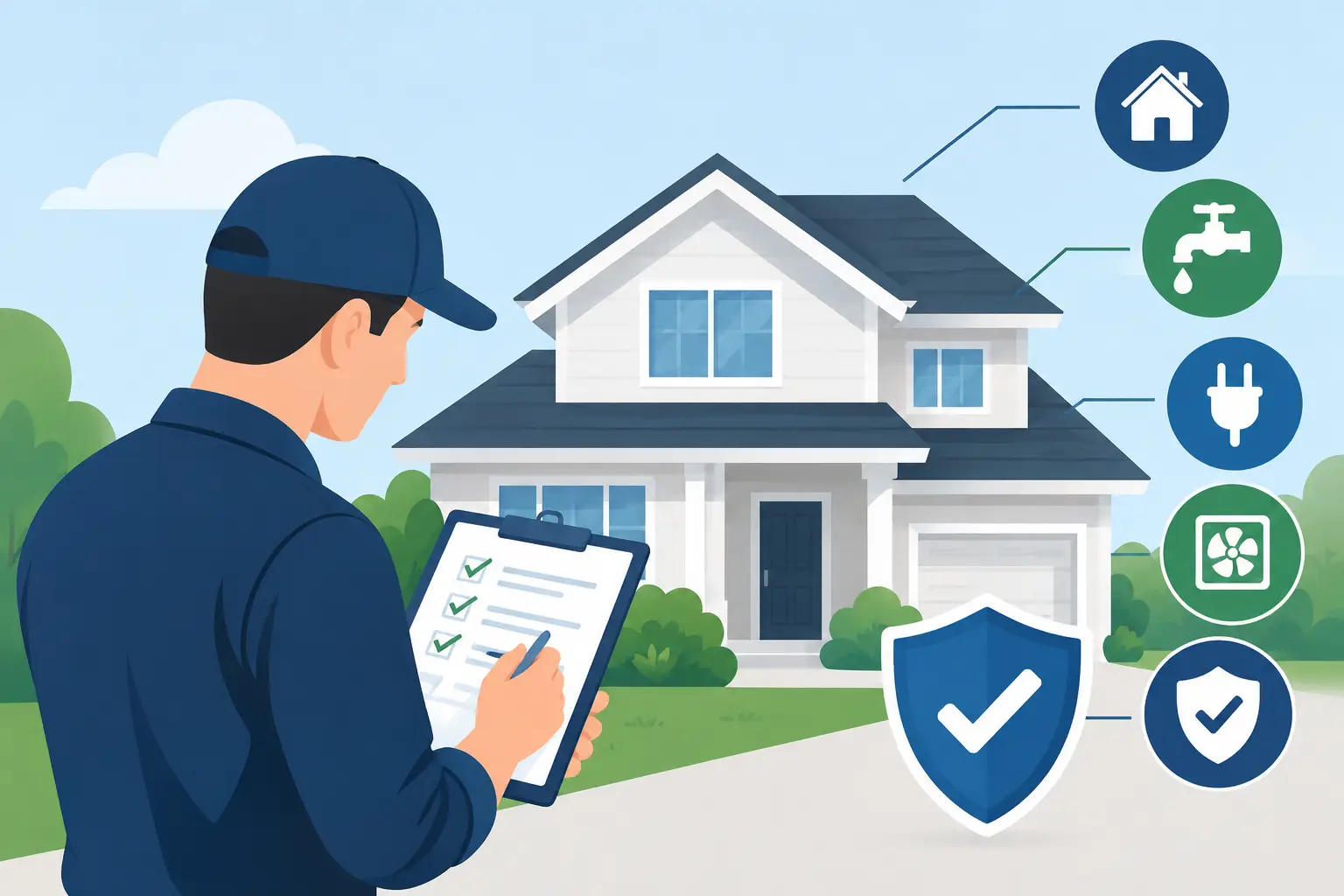
A seller preparing for market needs a clear assessment of the visible and accessible condition of the home’s major systems. That includes the roof, exterior, foundation, structure, electrical panel and visible wiring, plumbing fixtures, water heater, heating and cooling equipment, attic, insulation, interior rooms, doors, windows, and built-in appliances.
A thorough inspection identifies what needs immediate attention, what should be monitored, and what is normal wear for the home’s age. That distinction matters. Replacing every older component is rarely necessary. Correcting safety hazards, active leaks, defective systems, and conditions likely to concern buyers is usually the smarter priority.
3. Add targeted services when the property calls for them
A standard home inspection is a strong foundation, but some properties need more information. A sewer camera scope can be especially valuable for older homes, homes with mature trees, or properties with a history of slow drains. A radon test may be appropriate because radon levels can vary from one home to another, including across Central Ohio neighborhoods.
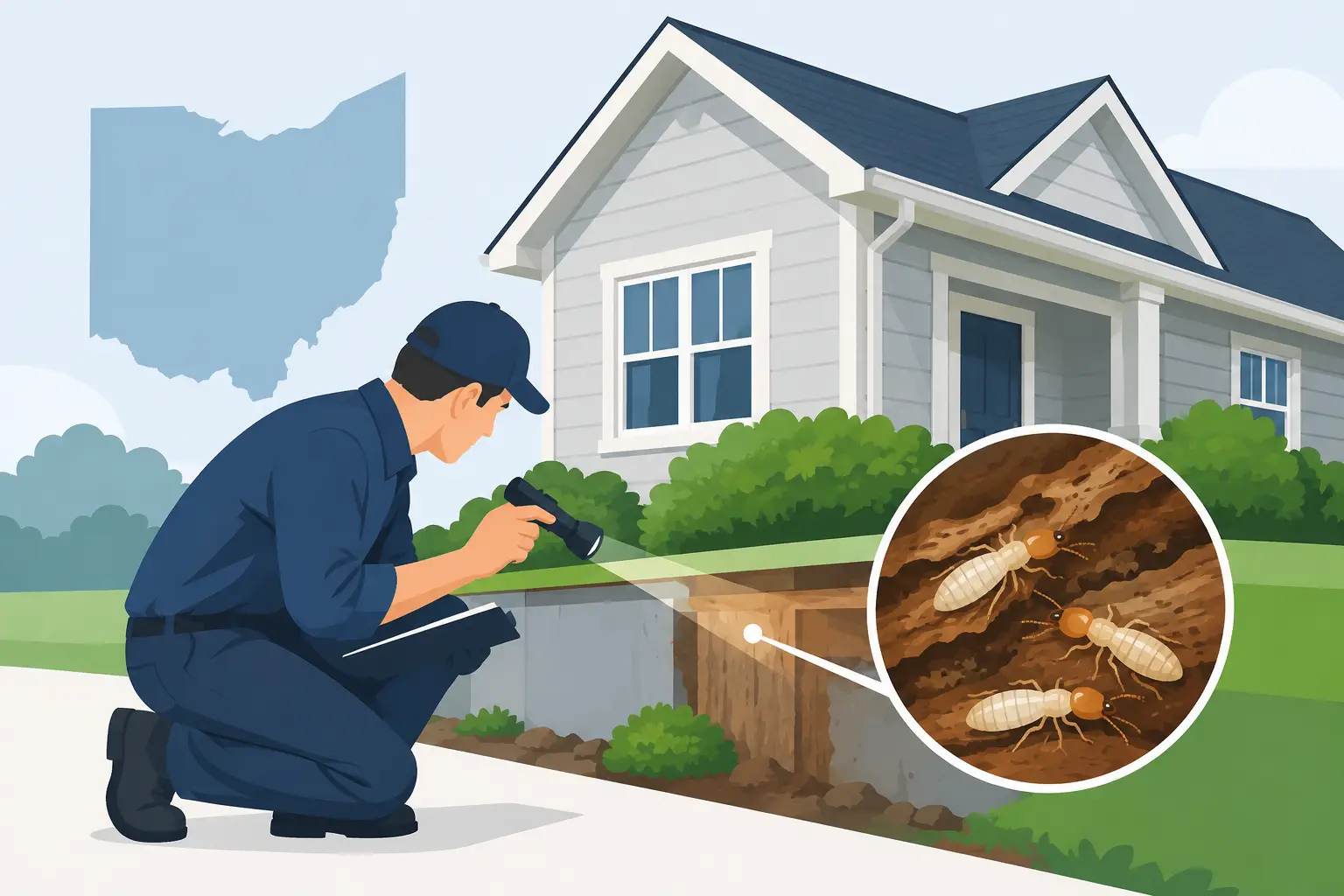
Consider termite inspection where wood-destroying insect activity is a concern. Well water and septic inspections are important for applicable properties, while mold or air-quality testing may make sense after known moisture events or when visible staining and odors raise questions. Thermal imaging can help identify temperature anomalies associated with insulation gaps, moisture, or electrical concerns, though it is one diagnostic tool rather than a substitute for a full evaluation.
The right add-ons depend on the property. A 1950s Columbus home with an older lateral line has different risks than a newer Dublin home served by public utilities.
Prepare the House So It Can Be Properly Evaluated
An inspector can only report on what is visible, accessible, and safe to inspect. Before the appointment, clear access to the electrical panel, furnace, air handler, water heater, attic entry, crawlspace entry, and major plumbing shutoffs. Move stored items away from foundation walls where practical, and unlock gates, sheds, garages, and utility rooms.
Replace dead batteries in smoke and carbon monoxide alarms, ensure utilities are on, and make sure pilot lights and systems can be operated safely. If you know a fixture leaks, a window sticks, or an appliance has an intermittent issue, do not try to conceal it. Share the information. An honest starting point produces a more useful report and a better repair plan.
It is also wise to gather maintenance records, permits, warranties, and receipts for recent improvements. A buyer may still inspect the work independently, but documentation demonstrates care and can answer basic questions about the roof age, HVAC service, water heater replacement, or major renovations.
Prioritize Repairs by Risk, Not by Emotion
Not every comment in an inspection report deserves the same response. Sellers often overspend on cosmetic items while overlooking conditions that create safety, moisture, or financing concerns. Review findings through three practical lenses: safety, active damage, and buyer confidence.
Safety items should lead the list. Examples include exposed electrical hazards, missing or inoperative smoke alarms, gas leaks, unsafe stairs or railings, damaged flue components, and conditions that allow carbon monoxide or water intrusion into the home. These concerns can affect occupants immediately and may alarm buyers regardless of the home’s price point.
Next, address active damage and conditions that worsen with time. A roof leak, grading that directs water toward the foundation, a plumbing leak under a sink, deteriorated exterior trim, or a failing sump pump can become a much larger issue if left unresolved. Repairs that stop water intrusion are often more valuable than purely cosmetic upgrades.
Finally, consider buyer confidence. A poorly maintained furnace may still run, but a professional service record can reduce uncertainty. A dirty electrical panel area, clogged gutters, or a neglected exterior can make buyers wonder what they cannot see. Basic maintenance does not erase age, but it shows stewardship.
Avoid the Fixes That Create New Questions
A rushed repair can generate more scrutiny than the original defect. Fresh paint over water staining, caulk packed around a leaking window, loose attic insulation covering a junction box, or an unlicensed electrical repair may lead a buyer to suspect the worst.
Use qualified professionals for work beyond routine maintenance, particularly for electrical, plumbing, roofing, structural, HVAC, septic, and gas-related repairs. Keep invoices and photos of completed work. If a condition cannot be repaired before listing, be prepared to disclose it accurately and price or negotiate with that reality in mind.
There are times when a credit is preferable to completing a repair. This can be true when buyers may want to select their own finishes, when a specialty contractor has a long lead time, or when replacement would be more appropriate than a temporary repair. Your agent can help determine what is customary for the transaction, but the goal remains the same: avoid leaving a legitimate concern vague or unresolved.
Use the Report to Set Expectations, Not to Overpromise
A pre-listing report is a planning tool. It helps you understand the home and communicate with your real estate team, but it does not eliminate the buyer’s right to conduct their own inspection. Different inspectors may describe the same condition differently, and a buyer’s inspector may identify issues that were concealed by furniture, weather, occupancy, or simple changes in the property over time.
The most productive approach is to be prepared rather than defensive. If you repaired an issue, retain proof. If a component is older but functioning, describe it accurately without promising a lifespan that no one can guarantee. If there is a known limitation, decide with your agent how to disclose it clearly.
Flinn Inspection Group helps sellers, buyers, and investors make informed property decisions with comprehensive inspections, advanced diagnostic options, and same-day reporting. A detailed report gives you a usable roadmap, not just a list of problems.
Make the Final Walkthrough a Habit
After repairs are complete and before the home goes live, walk the property as if you were a buyer. Test lights, faucets, toilets, garage doors, exhaust fans, windows, locks, appliances, and the HVAC system. Look under sinks, around the water heater, in the attic, and along exterior walls after rain if timing permits.
This last check is where small details matter. A forgotten contractor tag, paint debris in a sink, a disconnected downspout, or a tripped GFCI outlet can create an avoidable concern during a showing or buyer inspection. You do not need a perfect house. You need a property that has been honestly evaluated, responsibly maintained, and prepared for the questions that naturally come with a major investment.
A pre-listing inspection gives you the chance to sell from a position of knowledge. That is often the difference between reacting to a buyer’s deadline and moving forward with confidence.