by Flinn Inspections
Share
by Flinn Inspections
Share

A beautiful showing can hide a costly problem. The furnace may turn on for 10 minutes, the basement may look dry on a clear day, and the plumbing may seem fine until a dishwasher, shower, and washing machine all run at once. That is why the best tests before property closing go beyond a standard walk-through. They help you understand the systems and conditions that can change the true cost of owning the property.
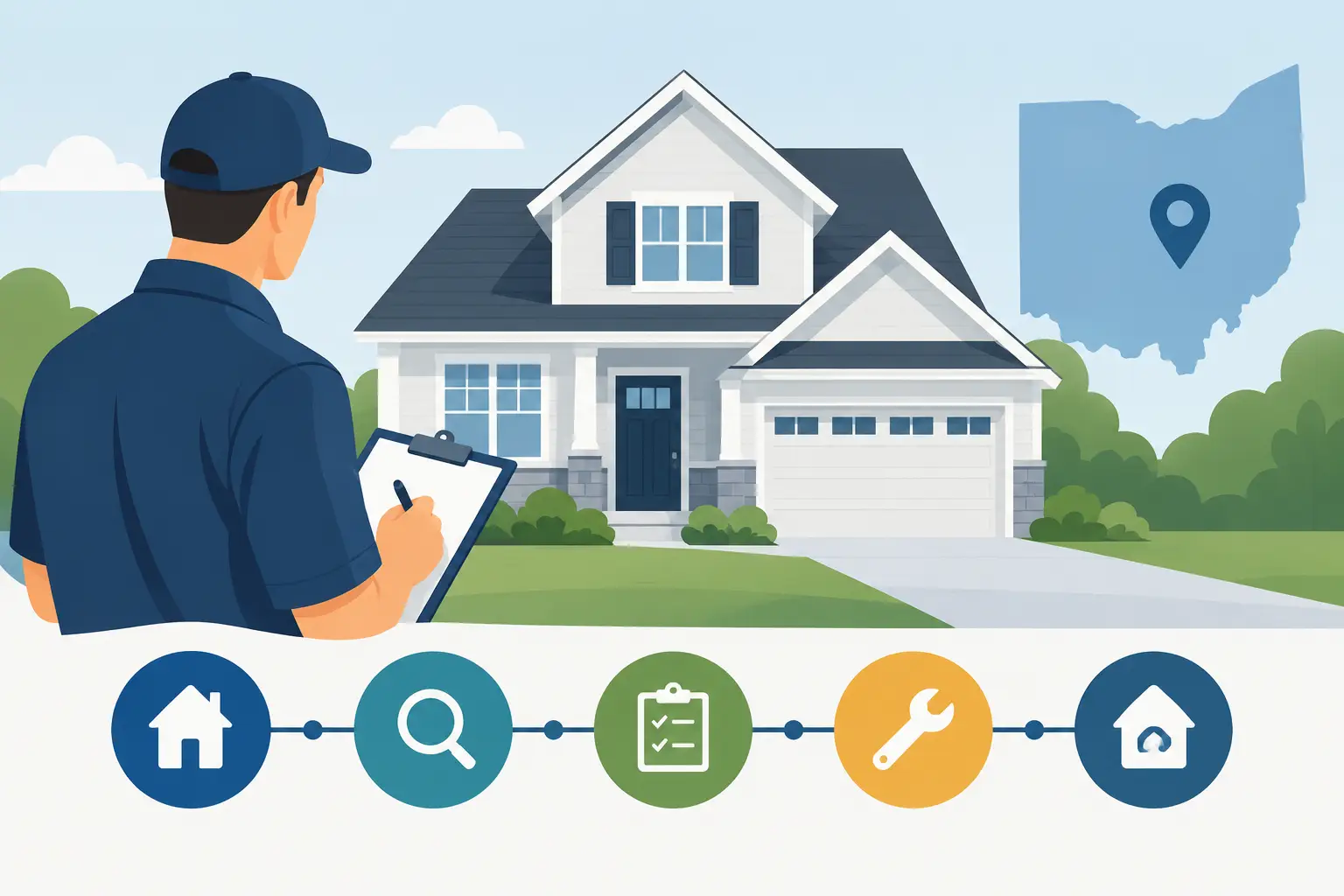
For buyers in Central Ohio, the right pre-closing tests depend on the home’s age, utilities, location, and visible conditions. A thorough home inspection is the starting point. From there, targeted testing can identify issues that are hidden underground, behind walls, in the air, or inside systems that a general inspection cannot fully evaluate.
Start With a Comprehensive Home Inspection
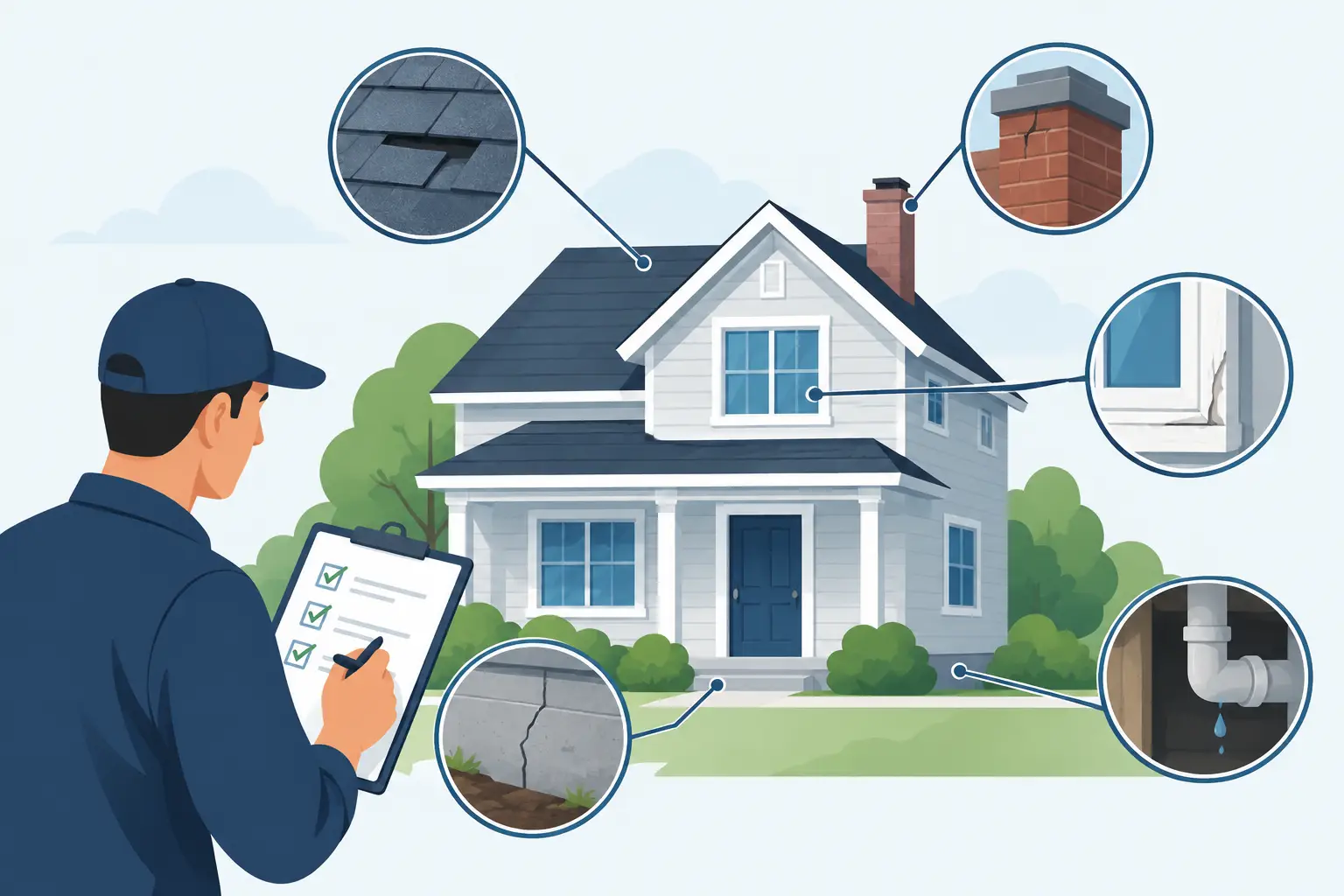
A full property inspection should come first because it tells you where additional testing is warranted. A qualified inspector evaluates the structure, roof, exterior, foundation, attic, electrical system, plumbing, HVAC equipment, interior, and visible safety concerns. The goal is not simply to create a list of defects. It is to give you a clear picture of the property’s condition before you commit to it.
A strong inspection also creates context. For example, moisture staining in a basement may point to grading, foundation drainage, a plumbing leak, or a past event that has already been corrected. An inspector can help determine whether a sewer camera scope, mold assessment, or further evaluation by a specialist makes sense.
Look for an inspection that includes advanced tools when needed, such as thermal imaging and gas leak detection. These tools do not replace hands-on evaluation, but they can reveal temperature anomalies, moisture patterns, missing insulation, overheating electrical components, and potential gas concerns that may not be obvious during a visual review.
The Best Tests Before Property Closing, Based on Risk
Not every property needs every available test. Ordering services based on the home’s specific risk factors keeps your due-diligence process focused while protecting you from expensive surprises.
Radon Testing
Radon is an odorless, colorless radioactive gas that can enter a home through the soil beneath and around the foundation. Central Ohio has areas where elevated radon levels are common, and a home’s appearance or neighborhood alone cannot tell you whether radon is present.
Testing before closing gives you time to request mitigation, negotiate a credit, or make a fully informed decision. Even homes with a radon system should be tested. A system may need repair, may not be operating effectively, or may not have been designed for current conditions.
Sewer Camera Scope
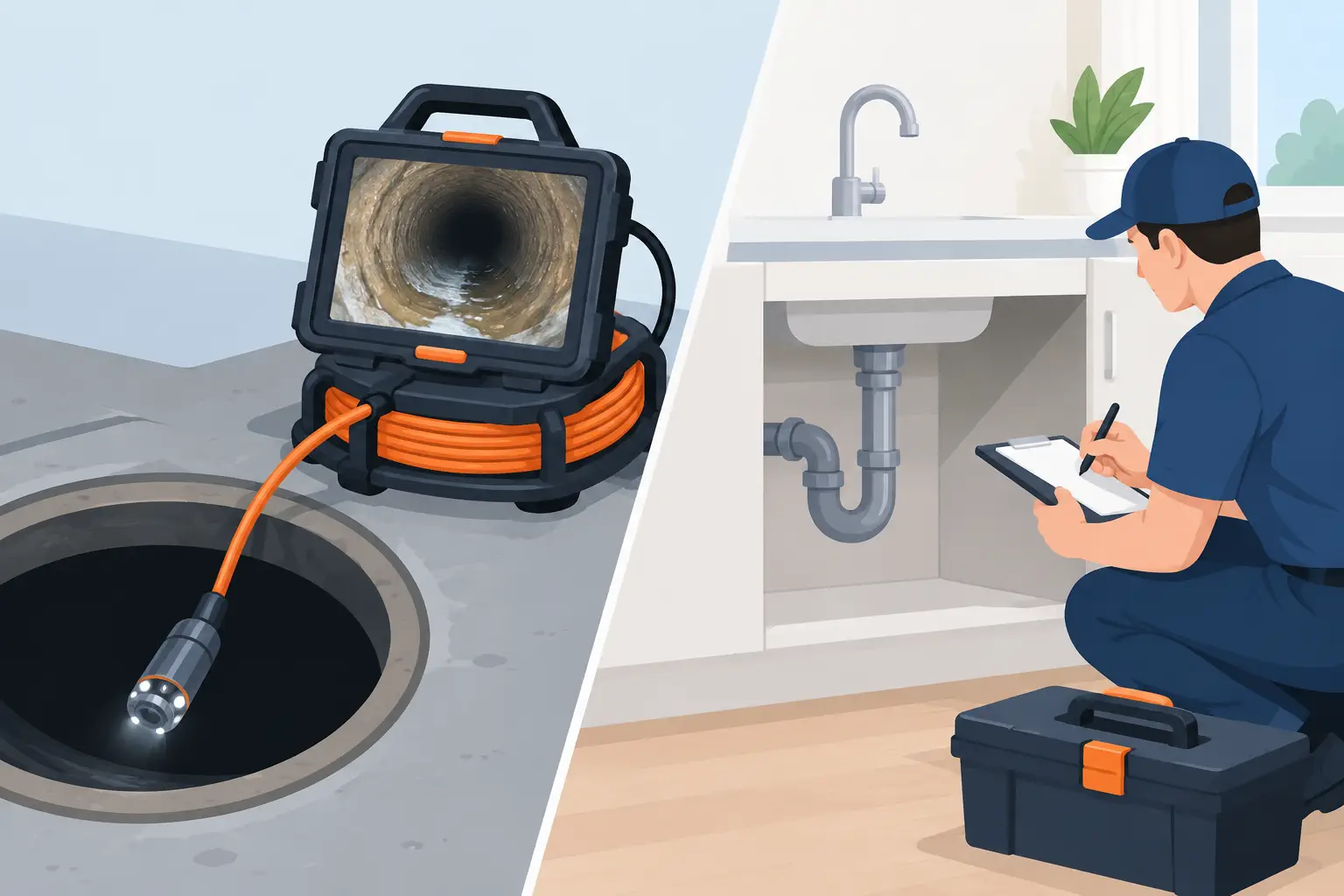
A sewer line is one of the most overlooked parts of a property purchase because it is buried and usually out of sight. A sewer camera scope evaluates the condition of the lateral line running from the house to the public sewer connection or septic system.
This test is especially valuable for older Columbus-area homes, properties with mature trees, homes that have had recurring drain backups, or houses with cast iron, clay, Orangeburg, or aging pipe materials. A scope can identify root intrusion, cracks, offset joints, corrosion, low spots, blockages, and collapsed sections. Repairs can range from manageable cleaning to major excavation, making this a smart test when there is any reason to question the drain line.
Termite and Wood-Destroying Insect Inspection
Termites and other wood-destroying insects can damage framing, subfloors, trim, and structural components while remaining largely hidden. A dedicated termite inspection looks for evidence of active infestation, previous treatment, conducive conditions, and damage that may require further assessment.
This inspection is often required for certain loan types, but it is worth considering even when it is not. Moisture near the foundation, wood-to-soil contact, crawl spaces, aging exterior trim, and landscaping that holds moisture against the home can all increase concern. The key is distinguishing active activity from old, treated, or repaired evidence so you know what action is actually needed.
Well Water and Septic Testing
Properties served by a private well or septic system need more than a standard home inspection. Well water testing can evaluate bacteria and key water-quality concerns, while FHA or VA transactions may require a specific water test panel. If the water has an unusual odor, staining, cloudiness, or a treatment system, additional testing may be appropriate.
A septic inspection helps evaluate the tank, distribution components, and the system’s overall condition. Ask whether the system has been pumped, serviced, or repaired recently, but do not rely on paperwork alone. Septic failures can be disruptive and expensive, and the inspection period is the right time to understand capacity, maintenance needs, and potential defects.
Mold and Indoor Air Quality Testing
Mold testing is not automatically necessary for every home. It is most useful when there is a musty odor, visible growth, water damage, chronic humidity, repeated leaks, or health-related concerns for future occupants. The same is true for indoor air quality testing: it is best used to answer a defined question, not as a generic add-on.
If an inspection finds evidence of moisture, the priority is identifying and correcting the moisture source. Testing may help establish the extent of a concern or support a remediation plan, but a lab result alone does not fix the underlying condition. The most useful approach combines a careful visual assessment, moisture investigation, and appropriate sampling when conditions justify it.
Other Tests That May Matter for Your Property
Some homes need more specialized evaluation before closing. These tests are highly situation-dependent, but skipping them when the warning signs are present can be costly:
- Foundation evaluation: Consider this when there are significant cracks, bowing walls, uneven floors, sticking doors, or signs of ongoing movement. A home inspector can identify concerns, while a qualified structural professional determines repair requirements.
- Fireplace and chimney inspection: A wood-burning fireplace, gas fireplace, or older chimney should be evaluated when there are cracks, damaged liners, drafting concerns, visible deterioration, or uncertainty about whether the system is safe to use.
- Pool inspection: Pools have their own pumps, filters, heaters, electrical components, safety features, and underground plumbing. A separate pool inspection is wise when the property includes one.
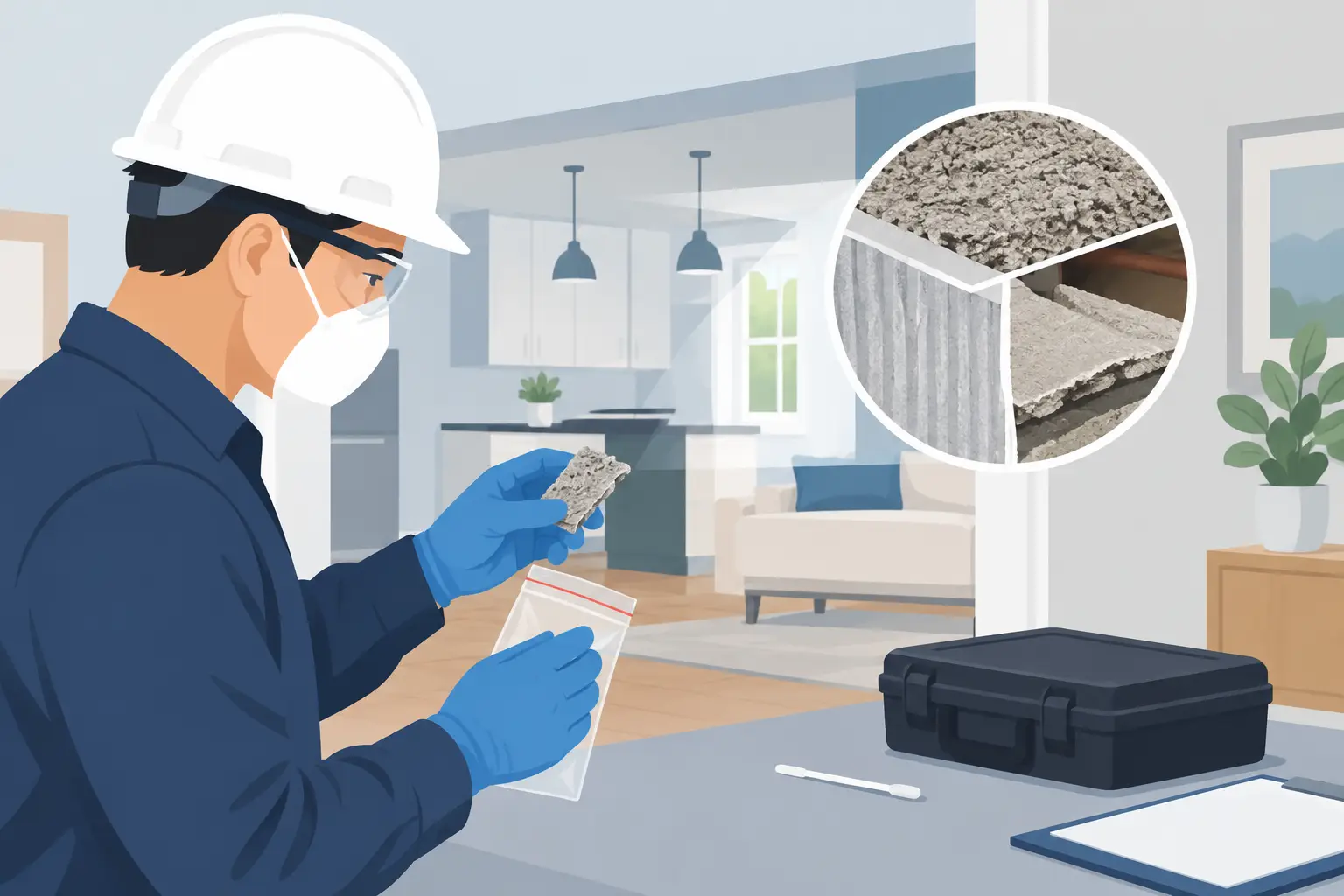
- Asbestos or lead-based paint testing: Older homes may contain materials that require special handling during renovation. These tests are particularly helpful if you plan to remodel soon after closing.
Time These Tests Around Your Inspection Contingency
The inspection contingency is your window to gather facts and decide how to proceed. Schedule the full inspection as early as possible, then arrange specialty tests quickly if the property calls for them. Waiting until the final days of the contingency can leave you with limited options if a sewer line, septic system, radon result, or structural concern needs further review.
Before scheduling, confirm what your purchase agreement allows and how results will be handled. Buyers often use findings to request repairs, seek a credit, renegotiate the price, or walk away if the contract permits. The right remedy depends on the issue. A minor maintenance item is different from a safety concern, an aging system near the end of its life, or a condition requiring major repair.
Keep the request focused on material defects and documented conditions. Asking a seller to address every small item can distract from the issues that truly affect safety, function, and future cost. Your agent can help with negotiations, while your inspection report provides the evidence needed to make a reasoned decision.
Choose One Coordinated Inspection Partner
Coordinating separate providers for a home inspection, radon test, termite inspection, sewer scope, and water test can consume valuable time. Working with one qualified inspection partner can simplify scheduling, reduce missed details, and make it easier to understand how findings connect.
Flinn Inspection Group provides comprehensive inspections and specialized testing for buyers across Central Ohio, with same-day reporting designed to support time-sensitive decisions. The right inspection plan is never about adding services for the sake of it. It is about evaluating the risks the property actually presents, then giving you clear information to act on.
Before you remove your inspection contingency, ask one simple question: if this system failed in the first year, would I wish I had tested it before closing? When the answer is yes, testing now is usually the more affordable decision.