by Flinn Inspections
Share
by Flinn Inspections
Share
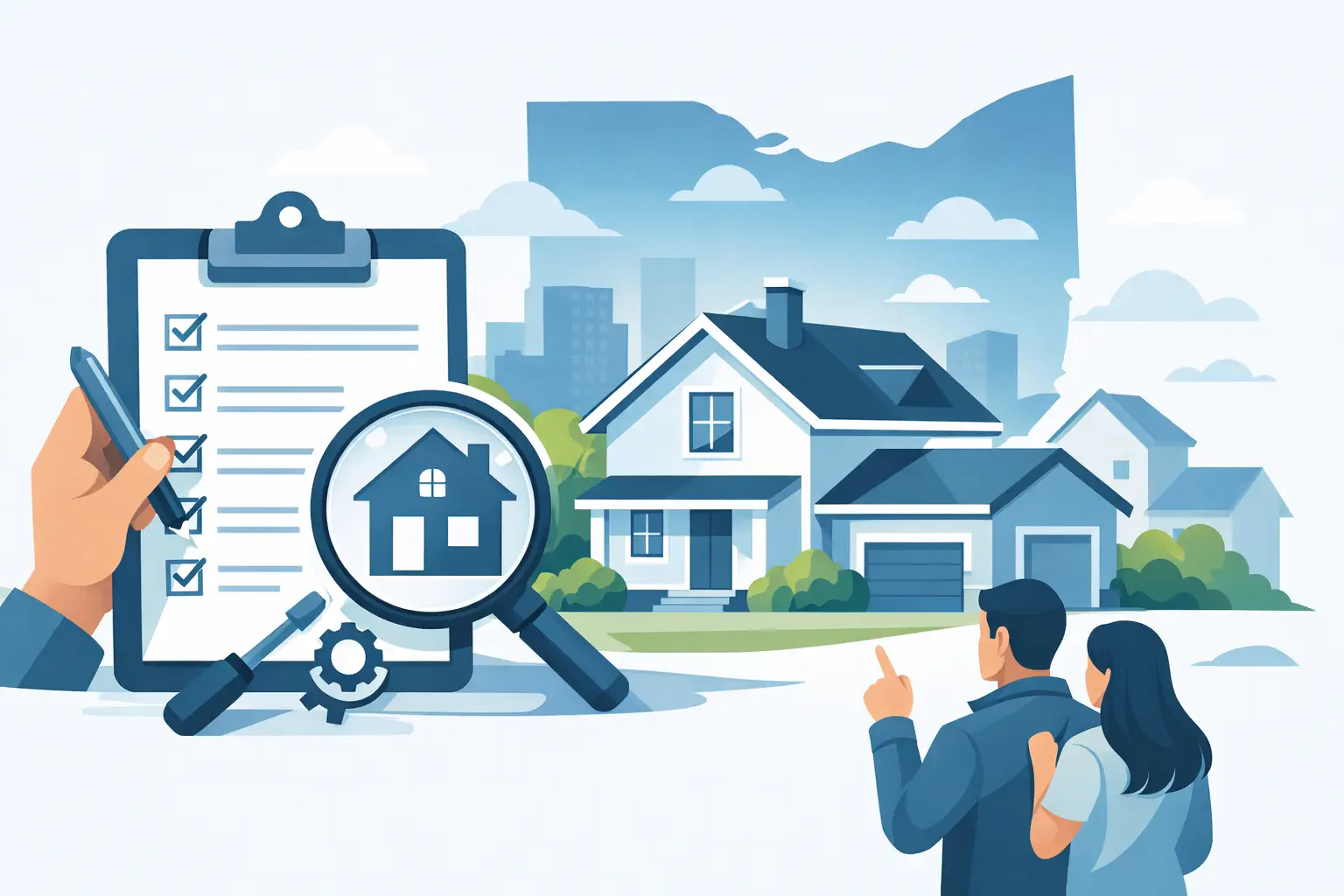
The best answer to when should buyers schedule inspections is simple: as soon as the purchase agreement is signed and the inspection contingency begins. Do not wait until you have more free time, the seller has moved out, or the end of the contingency period is approaching. In Central Ohio’s active markets, prompt scheduling protects both your decision-making window and your ability to bring in specialists if an issue needs a closer look.
A property inspection is not a formality between offer acceptance and closing. It is the point where a home stops being a listing and becomes a real asset with real systems, maintenance needs, and potential expenses. The earlier you inspect, the more control you retain over your next steps.
When Should Buyers Schedule Inspections After an Offer?
Schedule immediately after the contract is accepted, ideally the same day or within the first 24 hours. Many residential contracts provide a defined inspection period, often measured in days rather than weeks. That period can disappear quickly when you are coordinating access, work schedules, your agent, the seller, and any additional testing.
An early inspection leaves room for the full process: reviewing the report, asking questions, gathering repair estimates when appropriate, requesting repairs or credits through your agent, and making a clear decision before your contingency deadline. Same-day reporting can move that process forward quickly, but a fast report cannot restore time that was lost by waiting to schedule.
Buyers sometimes assume they should wait until the seller completes agreed-upon repairs or removes personal property. Usually, that is not necessary for the initial inspection. Most conditions can be evaluated while a home is occupied and furnished. In fact, inspecting while the seller still lives there can reveal how the home is being used and maintained. The exception is when access to a critical area is blocked, such as an electrical panel, attic hatch, crawlspace entrance, or mechanical room. Your inspector can document the limitation and advise on a return visit if needed.
Why Early Scheduling Protects Your Contract Timeline
The inspection may uncover a concern that requires another opinion. A roof that appears near the end of its service life may require a roofer’s evaluation. Moisture staining may call for a mold or air-quality assessment. A suspected sewer-line issue may warrant a camera scope. If you wait until the final days of your contingency, you may not have enough time to obtain that additional information before deciding how to proceed.
This is especially relevant for older homes throughout Columbus, Dublin, Powell, Worthington, and surrounding Central Ohio communities. Age alone does not make a home a poor purchase. It does mean certain systems may be approaching replacement, materials may reflect older building practices, and hidden conditions deserve a thorough look.
Early scheduling also helps avoid a rushed response to inspection findings. Not every issue should become a repair request. Cosmetic wear, minor maintenance, and an aging but functional component are different from active water intrusion, an unsafe electrical condition, structural movement, or a damaged sewer line. A quality inspection gives you the facts. Time gives you the ability to use those facts wisely.
Schedule Before the Inspection Deadline, Not Near It
Your purchase agreement controls the deadline, so confirm the timing with your real estate agent as soon as the offer is accepted. In many transactions, the inspection contingency is a short period. Count weekends, holidays, and your own availability carefully. Do not assume an inspector or specialty contractor can be scheduled on demand.
A good working rule is to complete the primary home inspection during the first half of the contingency period. That leaves the second half available for report review, specialist follow-up, negotiation, and any decisions required under the contract.
If you are competing in a fast-moving market, you may be tempted to shorten or waive inspections to strengthen an offer. That is a significant risk. A buyer may choose to limit an inspection contingency for strategic reasons, but limiting the contingency should not mean limiting due diligence. If your agreement allows an inspection for informational purposes, schedule it promptly. You still need to understand the condition of the investment you are about to own.
Which Inspections Should Buyers Schedule Together?
The standard full home inspection should be the starting point. It evaluates visible and accessible components including the structure, roof, exterior, interior, electrical system, plumbing, heating, cooling, insulation, ventilation, and built-in appliances. But a standard inspection is not designed to answer every property-specific question.
Bundling the right services at the initial appointment is often more efficient than scheduling separate visits later. The correct combination depends on the home, location, age, utilities, and inspection findings. Buyers should consider these services when they fit the property:
- Radon testing, particularly for Central Ohio homes where elevated radon levels can occur regardless of neighborhood, home age, or foundation type.
- Termite or wood-destroying insect inspections, especially when a lender requires documentation or visible damage raises questions.
- Sewer camera scopes for homes with older sewer lines, mature trees, recurring drainage concerns, or a property that has been vacant.
- Well water, septic, and FHA water-quality testing for homes that rely on private systems rather than public utilities.
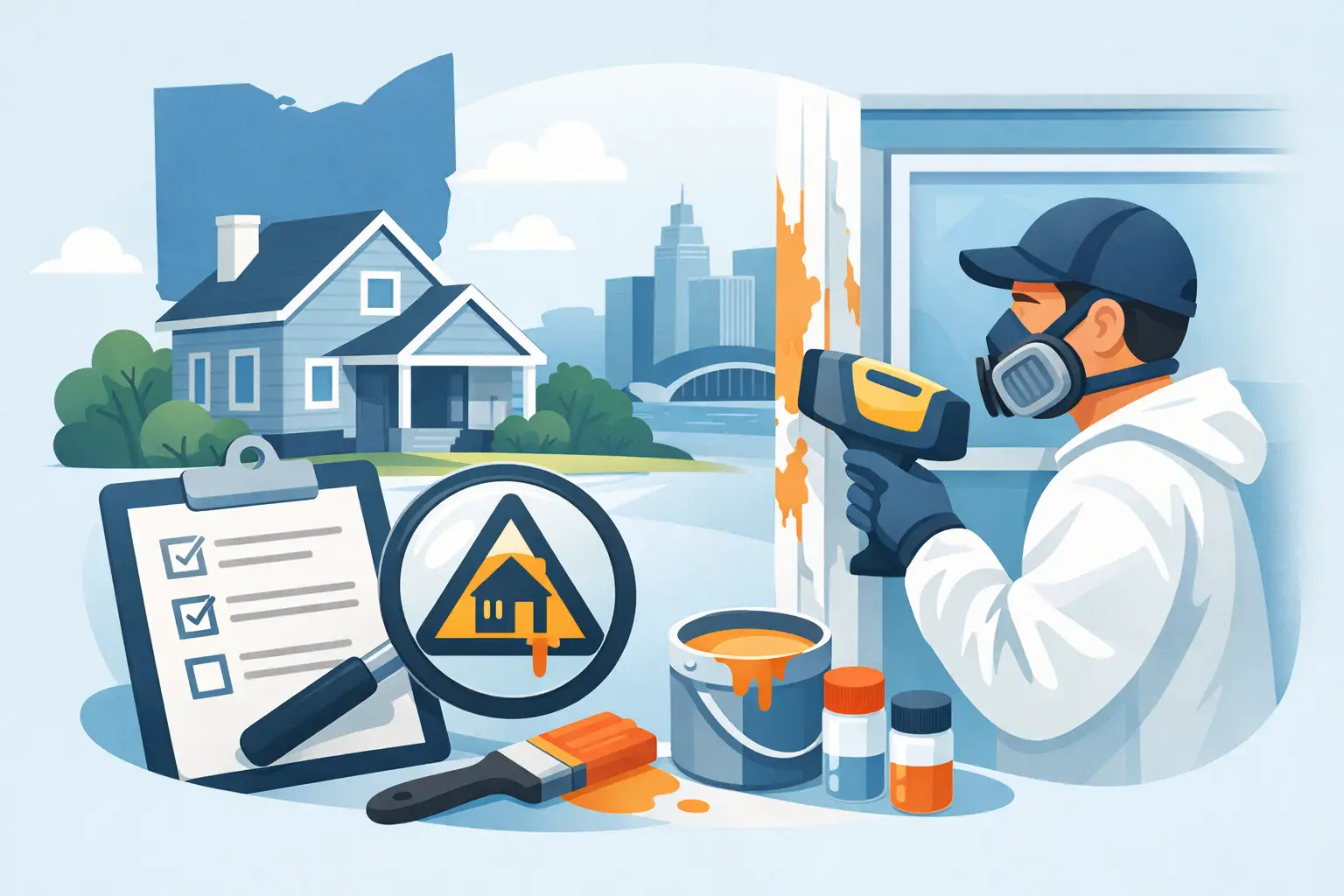
- Mold, air-quality, asbestos, lead-based paint, pool, fireplace, or gas-leak evaluations when the property history, materials, or visible conditions justify them.
A buyer does not need to order every available test simply because it exists. The goal is focused due diligence, not unnecessary cost. An experienced inspector can explain which services make sense before the appointment and which conditions may warrant additional testing afterward.
When Should Buyers Inspect New Construction?
New construction should be inspected before closing as well. A municipal inspection and a builder’s walkthrough serve different purposes from an independent buyer inspection. Building departments review compliance at specific stages, while your inspection is centered on the home’s observable condition, installed systems, workmanship, and items that may affect your ownership experience.
The strongest timing for new construction often occurs in phases. A pre-drywall inspection can identify concerns before insulation and wall coverings conceal framing, plumbing, electrical work, and mechanical components. A final inspection before closing evaluates the completed home. Then, an 11-month warranty inspection gives homeowners time to document issues before the builder warranty period expires.
If the home is already finished and closing is near, schedule the final inspection immediately. Do not let a tight builder timeline persuade you that an independent evaluation is optional. New does not automatically mean defect-free.
Should Buyers Attend the Inspection?
Buyers should attend at least the final portion of the inspection whenever possible. The report provides detailed documentation, but walking through key findings with the inspector gives the information context. You can see where a shutoff valve is located, understand the difference between a maintenance recommendation and a safety concern, and ask practical questions about the systems you will operate after closing.
Agents are welcome to attend, too, particularly when their presence helps keep communication clear and supports the transaction timeline. The inspection remains focused on the buyer’s interests and the property’s condition, not on creating alarm over normal homeownership responsibilities.
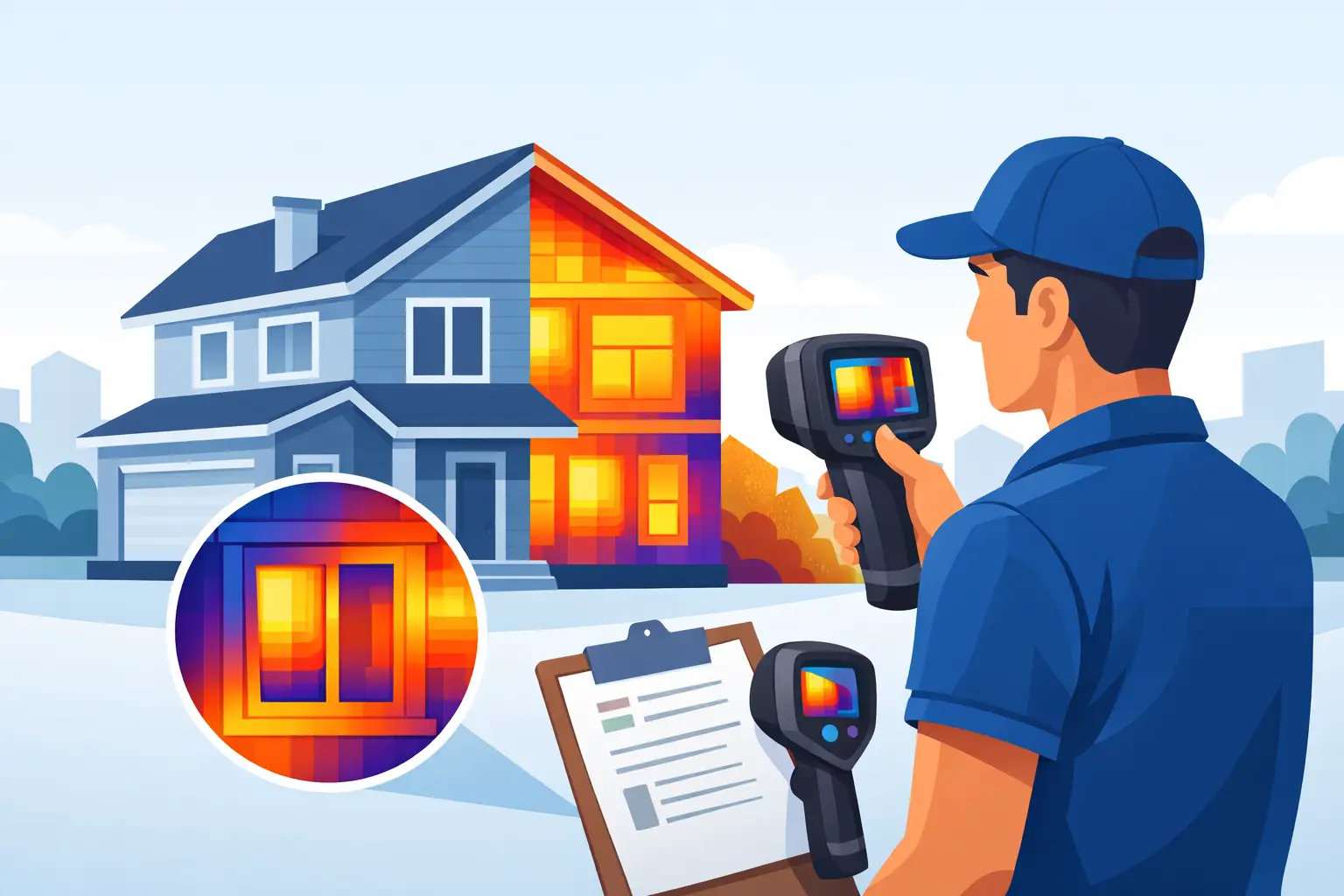
If you cannot attend, ask for a clear review of significant findings once the report is complete. Photos, thermal imaging when appropriate, and straightforward explanations are valuable because they turn technical observations into usable decisions.
What to Do Once the Report Arrives
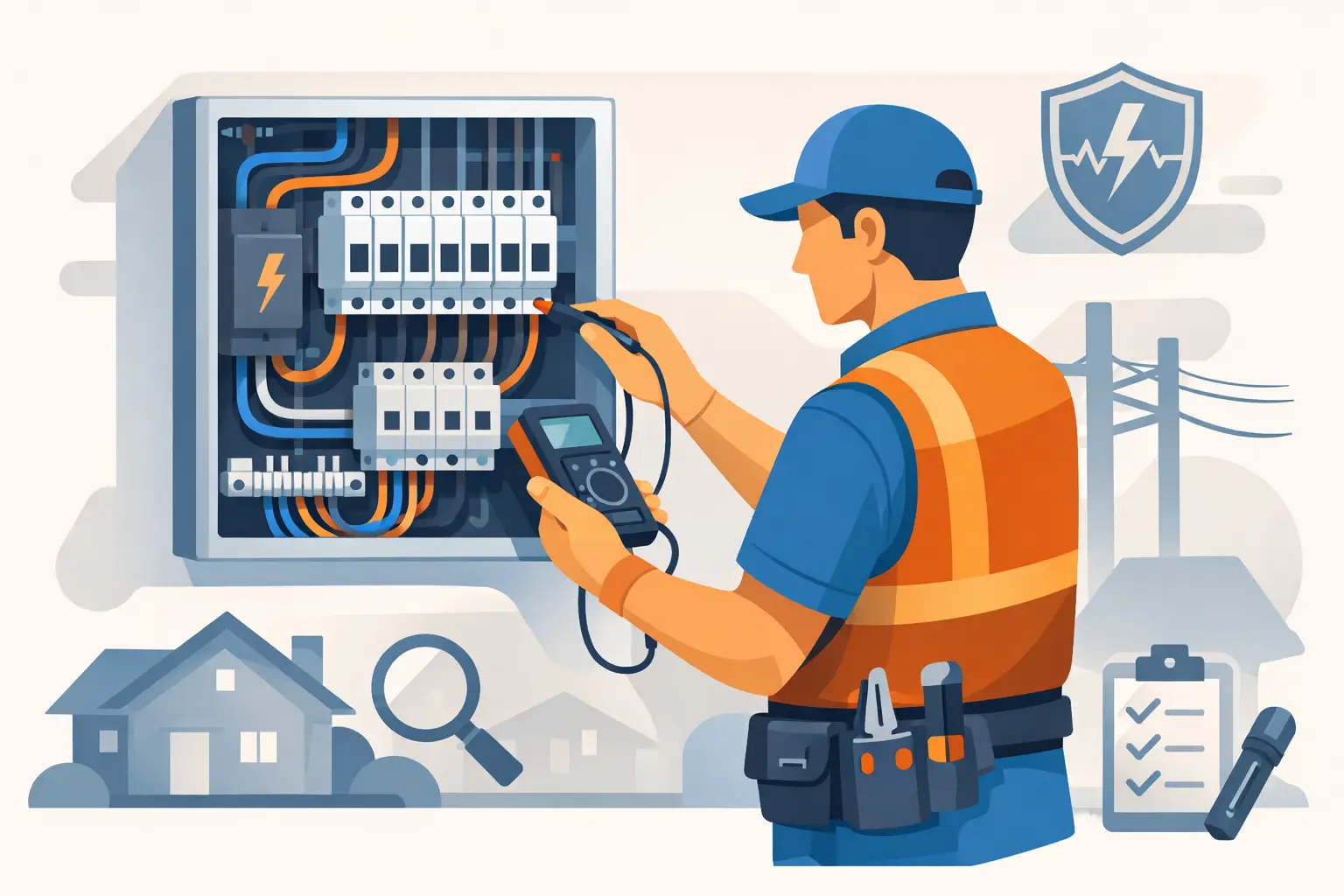
Read the report promptly, but do not treat every notation as equally urgent. Start with safety, structural, water-intrusion, environmental, and major-system concerns. Then consider the condition, remaining life, and likely cost of components such as the roof, HVAC equipment, water heater, electrical panel, and plumbing supply or drain lines.
Your inspector can explain the condition observed on inspection day and identify where further evaluation is warranted. Your real estate agent can guide the contract process, including any repair request or credit discussion. Contractors provide repair pricing and scope. Keeping those roles clear helps you make decisions based on evidence rather than pressure.
Flinn Inspection Group helps buyers coordinate comprehensive home and specialty inspection services, with advanced diagnostic tools and same-day reports designed for time-sensitive decisions. The purpose is not to make a property seem perfect. It is to make sure you can move forward with clear expectations.
Schedule early enough that the inspection becomes a source of confidence rather than a last-minute obstacle. A home may still be the right purchase after the report identifies repairs or future maintenance. The difference is that you will know what you are accepting, what should be addressed before closing, and what to plan for after you receive the keys.