by Flinn Inspections
Share
by Flinn Inspections
Share
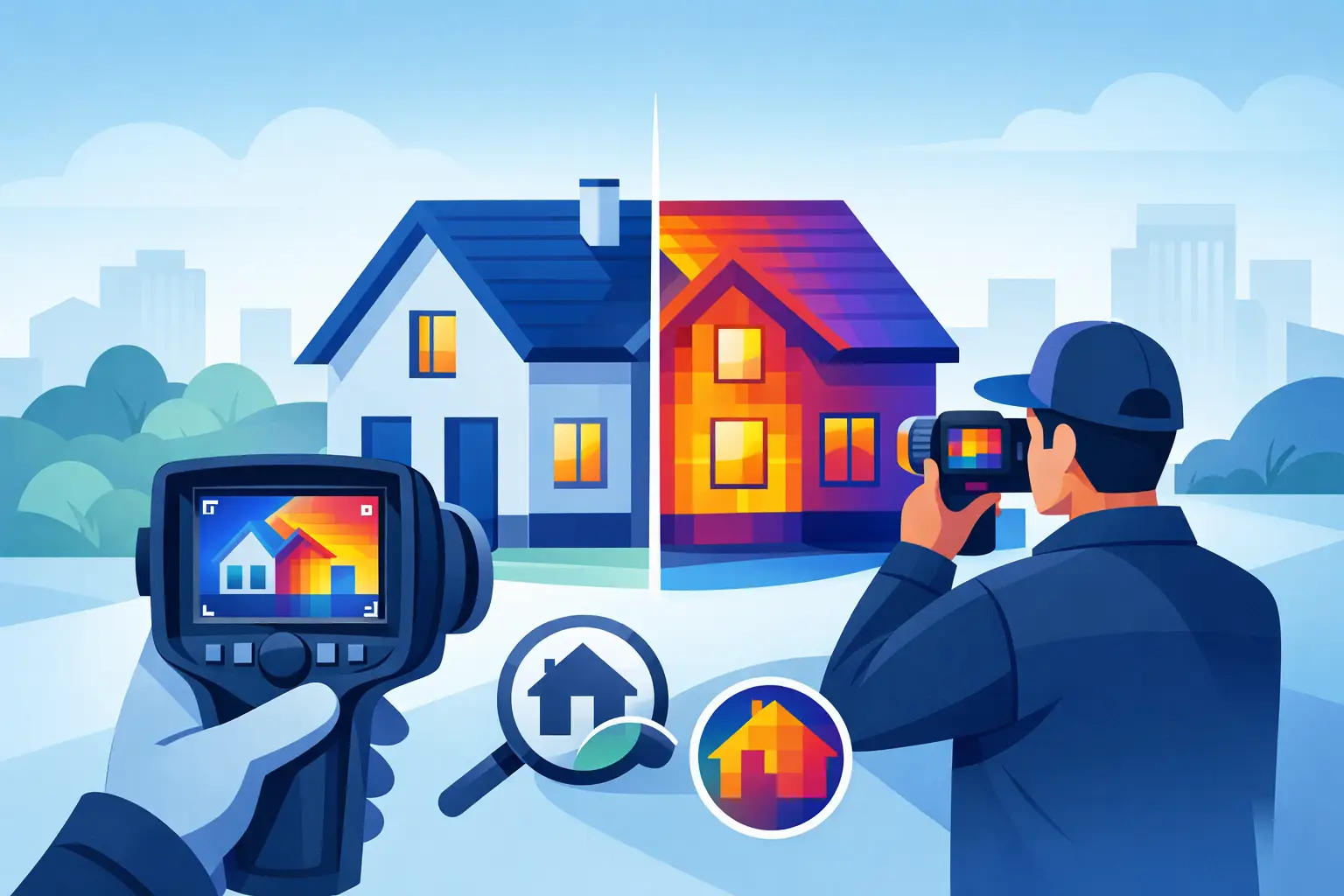
A ceiling can look perfectly dry while a slow plumbing leak is wetting insulation above it. An electrical panel can appear normal while one overloaded connection is running hotter than it should. That is why buyers and owners often ask, is thermal imaging worth it? For many properties, it is a practical diagnostic tool that can add meaningful protection to a major investment – provided it is used by a qualified inspector who understands what the camera can and cannot prove.
Thermal imaging does not replace a thorough visual inspection. It strengthens one. By identifying unusual temperature patterns that the eye cannot see, it helps direct attention to areas that may need closer evaluation, monitoring, repair, or testing.
What Thermal Imaging Actually Does
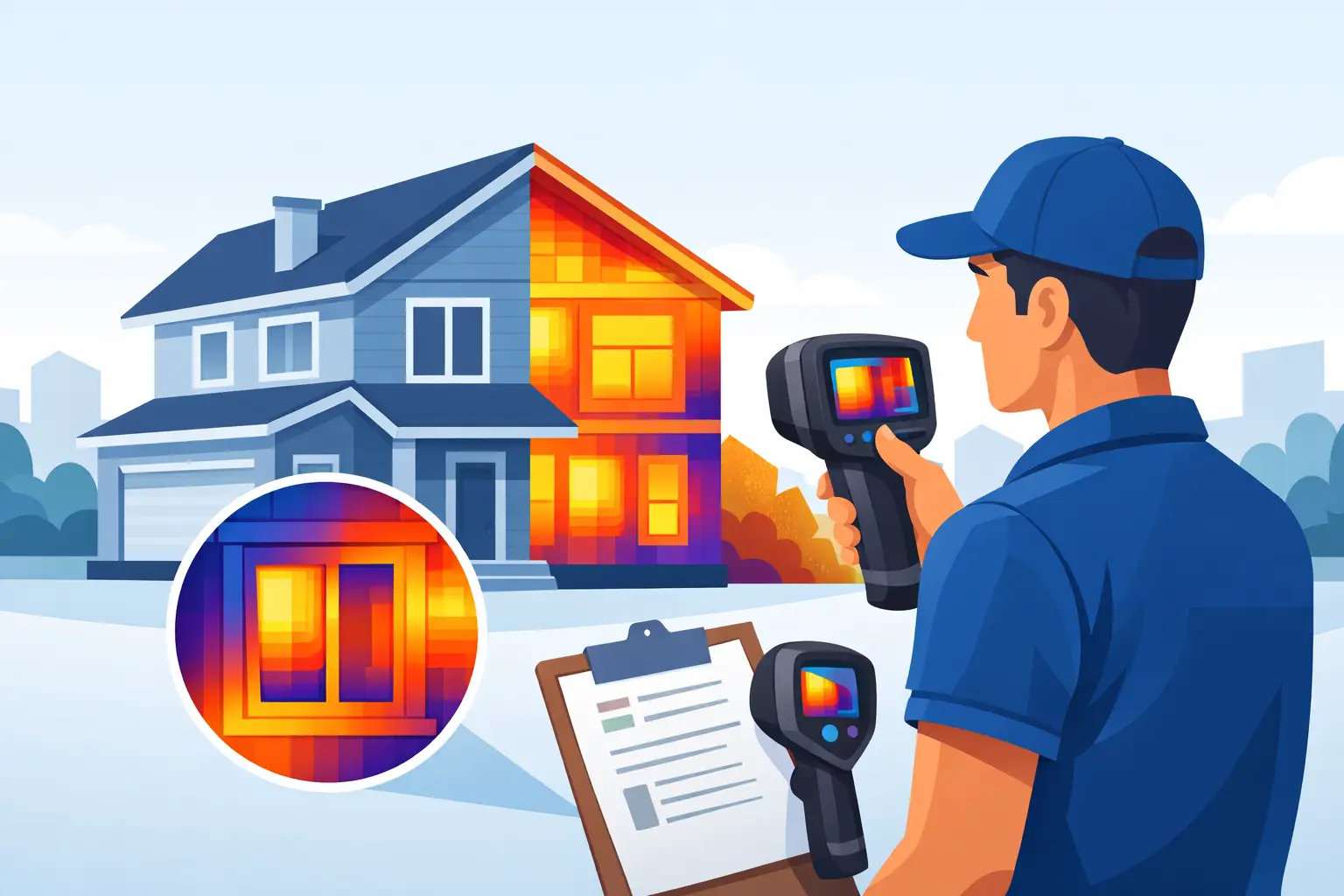
Thermal imaging, also called infrared imaging, uses a specialized camera to display surface temperature differences. Warmer and cooler areas appear in contrasting colors or shades. A trained inspector reads those patterns in context with the building, its systems, weather conditions, and visible evidence.
The camera does not see through walls. It does not identify a specific defect simply by producing a colorful image. What it can do is reveal a temperature anomaly that may point to a hidden concern.
For example, a cooler area beneath a second-floor bathroom may be consistent with moisture evaporation from a plumbing leak. A warm spot in an electrical panel may indicate heat from a loose connection, overloaded circuit, or failing component. A cooler-than-expected exterior wall may suggest missing, compressed, or disturbed insulation.
That distinction matters. A responsible inspection report should identify the observed thermal pattern and explain the likely concern, along with the appropriate next step. The finding may call for a plumber, electrician, HVAC professional, roofer, or other qualified specialist – not a guess presented as a diagnosis.
Is Thermal Imaging Worth It During a Home Inspection?
For most homebuyers, thermal imaging is worth considering because the purchase decision is time-sensitive and the property is largely unfamiliar. You may walk through a home once or twice before committing to an investment that will affect your finances for years. The more useful information you have before the inspection contingency ends, the better positioned you are to negotiate, budget, or walk away when necessary.
Infrared imaging is especially valuable when it helps uncover an issue early enough to change your decision. Finding evidence of an active moisture condition near a shower, roof penetration, or exterior wall can prevent a small repair from becoming an expensive mold, framing, or drywall project. Identifying abnormal electrical heat can help you address a potential safety issue before it escalates.
It is also useful because not every concern announces itself with stains, odors, or visible damage. Fresh paint can cover old discoloration. Finished basements can conceal foundation walls. Insulation and ductwork are hidden behind drywall. A thermal camera gives an inspector another way to assess accessible surfaces without opening them.
That said, thermal imaging will not make every inspection produce a dramatic discovery. Sometimes the best outcome is confirmation that no unusual patterns were observed in the areas scanned at the time of the inspection. That information still has value, but buyers should view infrared imaging as added evidence, not a guarantee that every concealed condition has been ruled out.
Problems an Infrared Scan May Help Identify
The best use of thermal imaging is targeted investigation during a complete inspection. In Central Ohio homes, changing seasons, cold winters, humid summers, finished basements, and aging housing stock can all create conditions where temperature patterns tell an important story.
Moisture Intrusion and Plumbing Leaks
Water often cools a surface as it evaporates, creating a pattern that may be visible on an infrared camera before staining becomes obvious. An inspector may scan below bathrooms, around windows, beneath roof valleys, near plumbing fixtures, and at accessible basement walls when conditions support useful readings.
A thermal anomaly alone is not proof of an active leak. It could be caused by air movement, insulation variation, or a recently used shower. But when the image aligns with elevated moisture readings, visible deterioration, or plumbing concerns, it becomes a strong reason for further evaluation.
Electrical Hot Spots
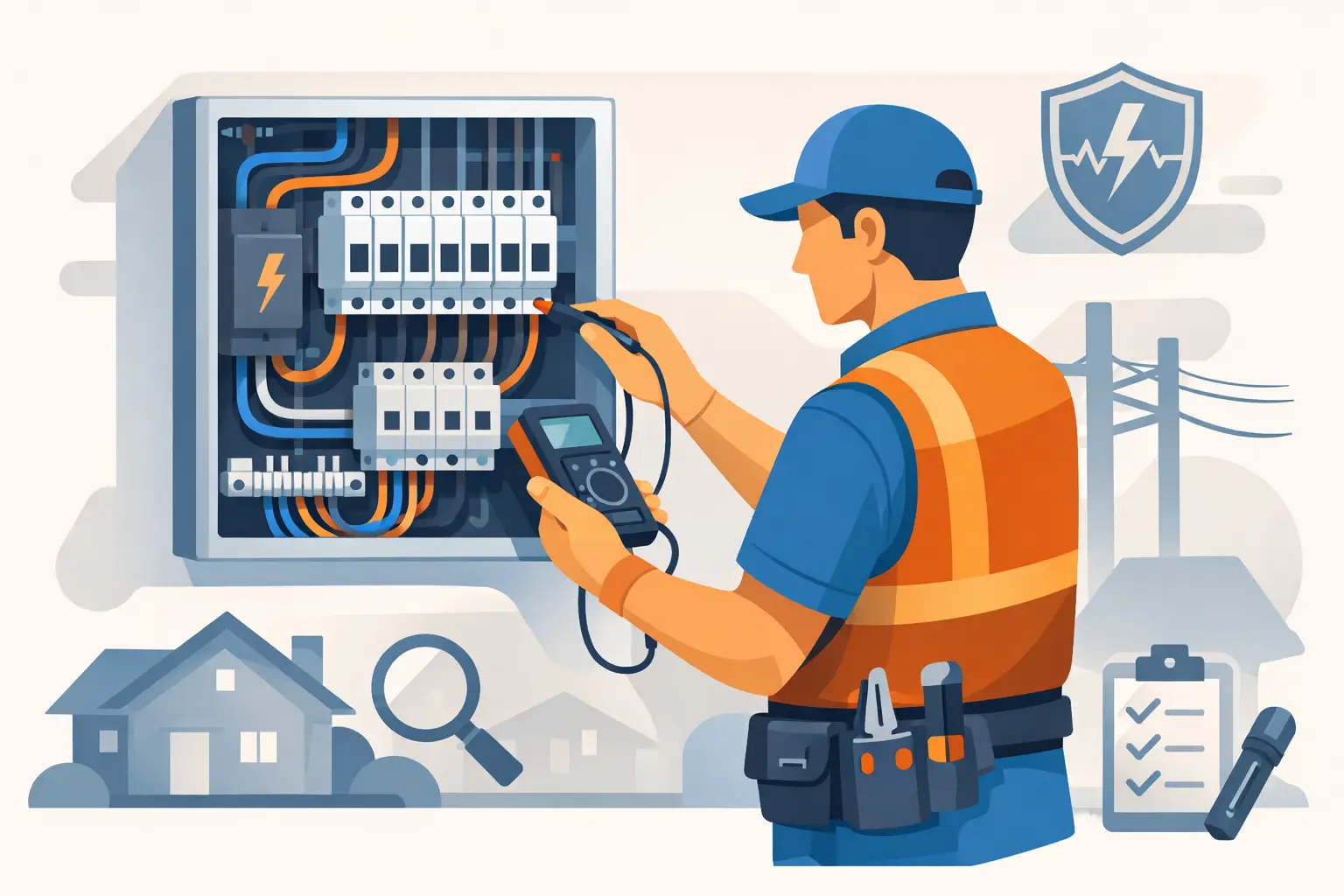
Electrical components naturally create some heat while operating. The concern is an abnormal hot spot compared with similar breakers, conductors, outlets, or panel components. These differences may be associated with loose connections, overloaded circuits, damaged wiring, or equipment problems.
Because electrical defects can carry fire and shock risks, this is one area where an infrared finding can be particularly valuable. The appropriate response is typically evaluation and repair by a licensed electrician, not simply resetting a breaker and hoping the issue disappears.
Insulation and Air-Leak Patterns
On a cold day, missing insulation may appear as a warmer pattern on an exterior wall or ceiling from the interior. On a hot day, it may appear cooler or warmer depending on the conditions and the HVAC system. Thermal imaging can help identify areas that deserve closer attention, including attic transitions, rim joists, exterior walls, and around penetrations.
This can be useful for owners dealing with uneven room temperatures, high utility bills, drafts, or ice-dam history. It also helps distinguish between a general comfort complaint and a possible building-envelope issue worth correcting.
HVAC Performance Concerns
When heating or cooling equipment is running, thermal imaging may help assess whether supply registers, accessible duct runs, and surrounding surfaces are showing expected temperature changes. It can reveal a duct that appears disconnected, poorly insulated, or leaking conditioned air into an unconditioned space.
The camera cannot replace an HVAC service evaluation. It does not measure refrigerant charge, combustion safety, airflow volume, or every mechanical condition. It can, however, help identify clues that support a recommendation for further service.
When Thermal Imaging Has Less Value
The answer to whether thermal imaging is worth it depends on the property and inspection conditions. Infrared cameras need temperature differences to produce meaningful results. If indoor and outdoor temperatures are nearly identical, HVAC equipment is off, surfaces are wet from recent rain, or a home has been vacant and unconditioned, the scan may be less revealing.
A camera also cannot inspect inaccessible areas. Furniture, stored belongings, wall coverings, finished surfaces, and locked rooms can limit what is visible. It cannot confirm the condition inside every wall, beneath every floor, or below every roof surface.
For a low-risk situation, such as a recently built home with accessible systems and strong documentation, the added value may be smaller than it is for an older home with a finished basement, complex rooflines, multiple additions, or signs of prior repairs. Even then, new construction is not automatically defect-free. Missing insulation, moisture around windows, and electrical irregularities can occur at any age.
The real question is not whether an infrared scan finds something every time. It is whether the potential benefit of identifying a concealed concern is greater than the additional inspection cost. For most buyers and many homeowners, that is a reasonable calculation.
What to Expect From a Qualified Thermal Inspection
Thermal imaging is only as valuable as the person interpreting it. An experienced inspector does not point a camera at every wall and make broad promises. They use the tool strategically, compare similar surfaces, consider weather and equipment operation, and verify concerns with other available methods.
A quality inspection should also communicate findings clearly. You should understand what was observed, why it matters, what limitations applied, and what action is recommended. Same-day reporting is especially helpful during a real estate transaction because it gives buyers, sellers, and agents the information needed to keep decisions moving without sacrificing due diligence.
At Flinn Inspection Group, thermal imaging is part of a thorough, education-driven approach to protecting your property investment. It is used alongside a comprehensive inspection, not as a flashy add-on or substitute for professional judgment.
Make the Decision Based on Risk, Not Colorful Images
Thermal imaging is worth it when you want more than a surface-level look at a property. It can help identify hidden moisture, unusual electrical heat, insulation gaps, and HVAC-related patterns while there is still time to investigate and act.
It is not X-ray vision, and no inspector should present it that way. But in the hands of a qualified professional, it is a valuable layer of protection for buyers, homeowners, and investors who want to make informed decisions with fewer blind spots. Before your next inspection, ask how infrared findings are verified, documented, and turned into practical next steps for your property.