by Flinn Inspections
Share
by Flinn Inspections
Share
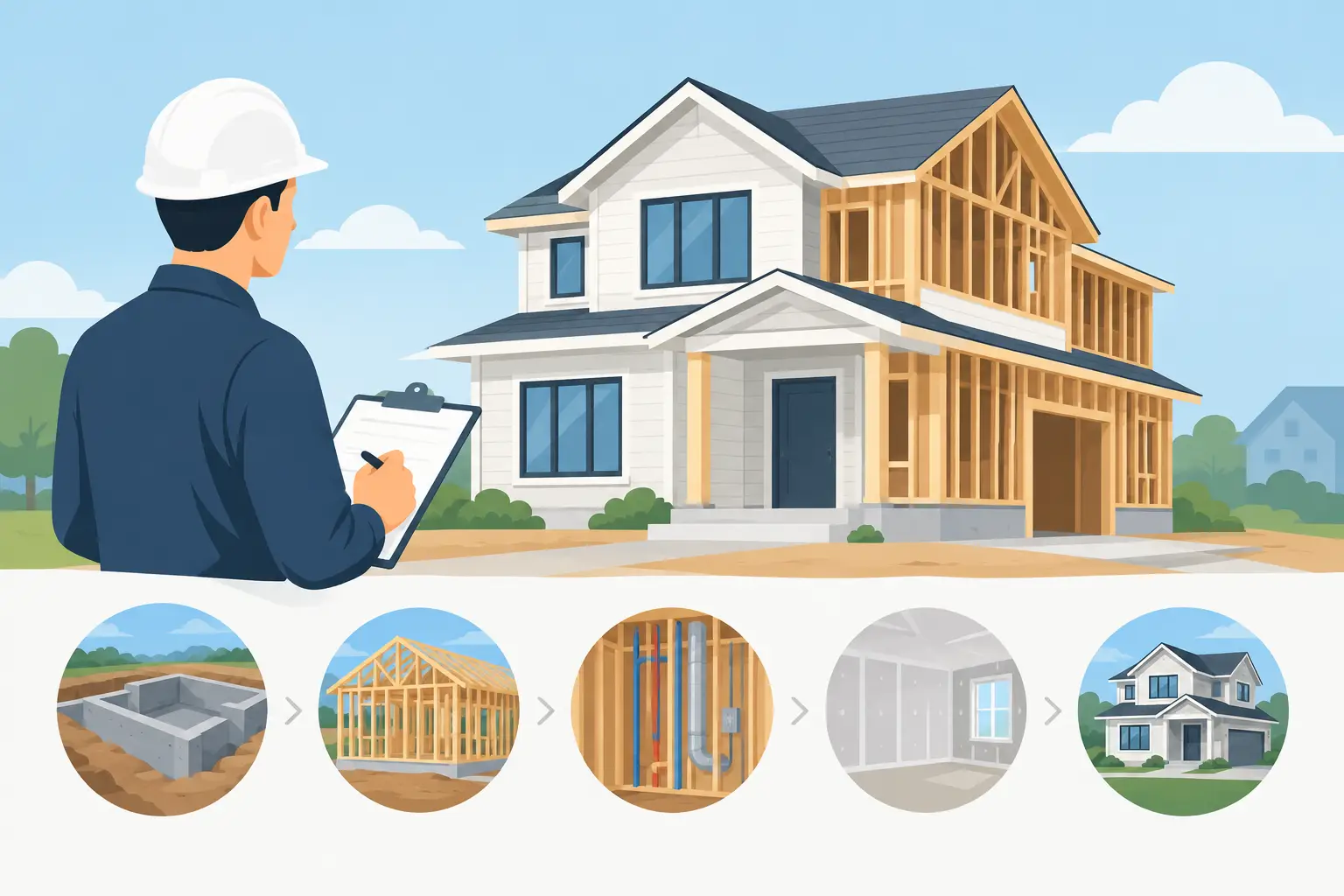
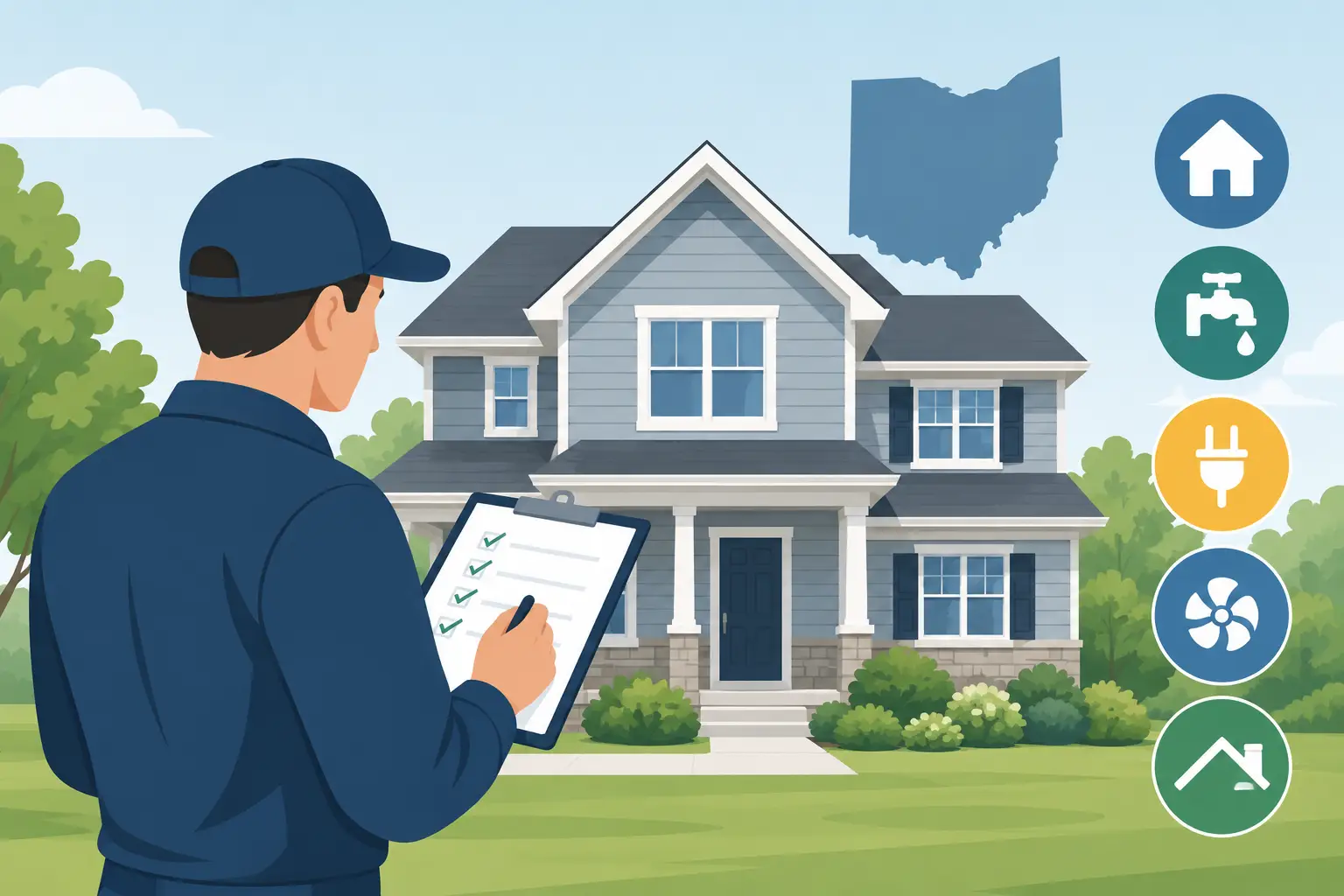
A new home can look flawless at the final walkthrough while critical components are already hidden behind concrete, insulation, and drywall. That is why buyers should schedule phase inspections before construction moves past the points where repairs are easy, visible, and far less expensive. A phased approach gives you independent information at the moments that matter most, protecting your investment before closing day arrives.
For Central Ohio buyers building in Powell, Dublin, Columbus, and surrounding communities, the right inspection timing can also keep a fast-moving construction schedule from working against you. Builders manage many trades and deadlines at once. Your inspector’s role is different: to assess the visible work, identify concerns, and provide clear documentation so you can request corrections before the next stage begins.
What Phase Inspections Do for New Construction Buyers
Phase inspections are separate inspections performed during key stages of a new home’s construction. They are not a replacement for the builder’s municipal inspections, trade inspections, or quality-control process. They are an additional layer of protection focused on your interests as the buyer.
A municipal inspector generally verifies whether work meets applicable code requirements. A phase inspector evaluates the accessible construction more broadly, looking for installation defects, incomplete work, safety concerns, and conditions that may create problems later. Code compliance is a baseline, not a promise that every component was installed with proper care.
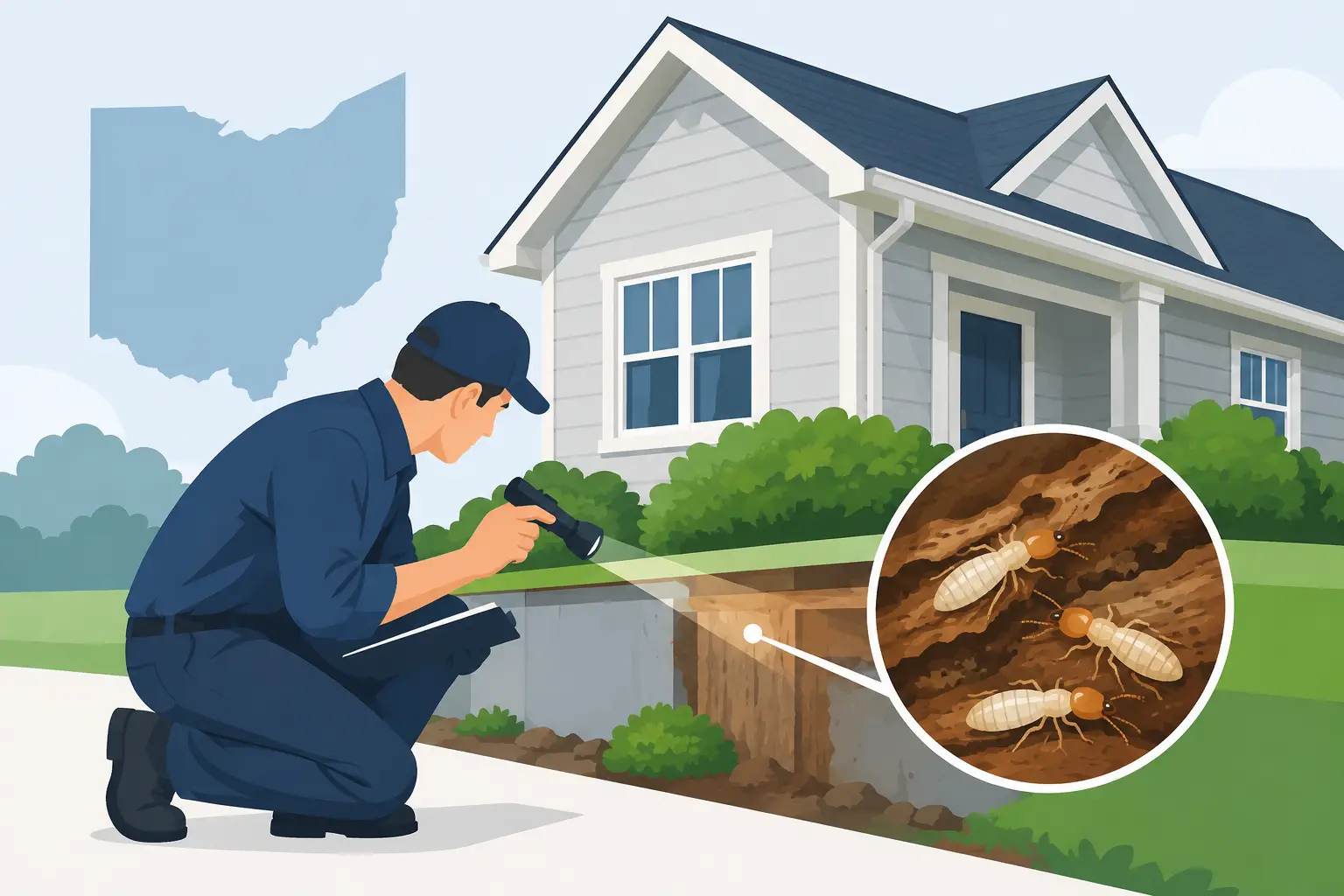
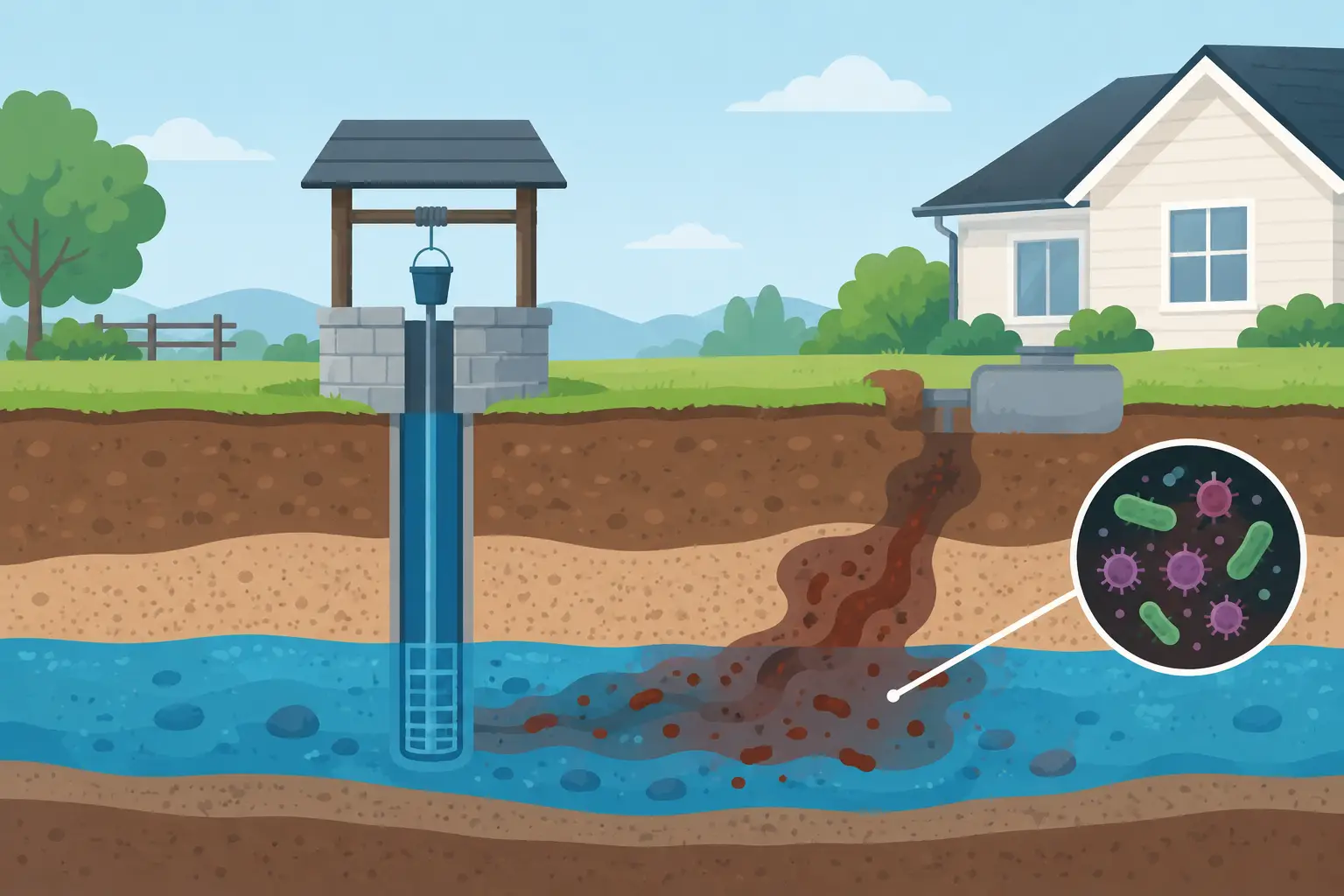
The most effective schedule typically includes a foundation inspection, a pre-drywall inspection, and a final inspection before closing. Some projects also benefit from specialty services, such as sewer camera scoping, radon testing, well water testing, or thermal imaging, depending on the property and its systems.
When to Schedule Phase Inspections
Timing is the difference between a useful phase inspection and a report that arrives after the relevant work is covered. Speak with your builder early, ideally before construction begins, and make independent inspections part of your plan. Ask for advance notice before each stage is scheduled to move forward.
Foundation or pre-pour inspection
Schedule the first visit after excavation, footings, reinforcement, and under-slab components are in place, but before concrete is poured. Depending on the home’s design, this may include footings, foundation walls, slab preparation, vapor barriers, drainage provisions, and plumbing or electrical components that will be buried beneath the slab.
This stage matters because concrete permanently limits access. Concerns involving reinforcement placement, visible cracks, drainage details, penetrations, or under-slab plumbing are much easier to evaluate and address before the pour. Not every build will offer the same window, especially when weather or subcontractor schedules accelerate the work, so early communication is essential.
Pre-drywall inspection
The pre-drywall inspection is often the most valuable phase inspection for a typical new home. Schedule it after framing, roofing, windows, rough plumbing, rough electrical, and HVAC rough-ins are substantially complete. It must occur before insulation and drywall conceal the wall and ceiling cavities.
At this point, an inspector can assess visible framing, truss or joist modifications, exterior wall details, roof structure, plumbing routes, electrical installation, ductwork, and other accessible components. The inspection may reveal missing fasteners, framing damage, improperly protected wiring, plumbing concerns, duct issues, moisture indicators, or work that remains incomplete.
This inspection has limits. Certain work may still be underway, and portions of the structure may be inaccessible due to materials or active trades. That does not make the inspection less worthwhile. It means the report should distinguish between observed conditions, incomplete items, and areas that need confirmation at a later visit.
Final inspection before closing
Schedule the final inspection when the home is substantially complete, utilities are on, and all major systems can operate. Ideally, this happens several days before your final walkthrough and closing. Avoid scheduling it on the morning of closing, when there is little time to obtain repairs, documentation, or builder responses.
A final inspection assesses the home’s visible and accessible condition, including roofing, exterior surfaces, interior rooms, doors and windows, electrical fixtures, plumbing fixtures, heating and cooling operation, and major appliances where applicable. It also gives the inspector an opportunity to revisit concerns noted during earlier phases and determine whether repairs appear complete.
For a new build, the final inspection is not simply a cosmetic checklist. Water intrusion risks, drainage concerns, HVAC performance issues, unsafe electrical conditions, missing insulation indicators, and incomplete installations can still be present in a finished home. Advanced tools such as thermal imaging and gas leak detection can add another level of insight when conditions allow.
How to Coordinate With Your Builder Without Creating Friction
A professional builder should expect buyers to protect a major investment. The best approach is direct, timely, and respectful. Tell the builder you plan to have independent inspections, then ask which contact should receive inspection reports and how correction requests are handled.
Do not wait until a phase is complete to find an inspector. Construction schedules can change with little notice, and the best inspection window may only last a day or two. Book the inspection partner early and provide updates as your construction manager confirms dates. Fast scheduling and same-day reports help you communicate findings while the responsible trade is still active on the project.
If the report identifies concerns, send it promptly and ask for a response in writing. Focus on specific observations rather than assumptions about fault. A clear report gives the builder a practical path to review the item, determine the appropriate repair, and document completion.
Buyers should also understand the trade-off between insisting on a perfect schedule and preserving access. A builder may not pause every phase for an inspection, especially during a compressed build. When a full inspection window is unavailable, an experienced inspector can still advise on the most critical timing and prioritize accessible areas. Missing the pre-drywall phase entirely, however, means losing visibility into much of the home’s internal construction.
What to Bring to Each Inspection Conversation
Your contract, upgrade selections, floor plan, and any construction specifications can help the inspector understand what is expected. If the builder has provided a construction schedule, share it. Photos from earlier stages can also be useful, particularly when a concern was visible before a later trade covered it.
During the inspection, attend if your schedule allows. You do not need construction expertise to benefit from the conversation. Ask which findings require immediate builder attention, which items should be monitored, and which conditions can be confirmed during the final inspection. Education is part of a quality inspection service because a report only helps when you understand how to use it.
Keep records of reports, builder responses, repair confirmations, and warranty documents in one place. These records can be valuable at the 11-month warranty inspection, when you can identify issues that developed after occupancy but before the builder’s warranty period ends.
Do Not Skip the 11-Month Warranty Inspection
Phase inspections reduce risk during construction, but a home changes once people begin living in it. Heating and cooling systems face real seasonal demand. Soil settles, doors shift, minor leaks become visible, and appliances receive daily use. An 11-month warranty inspection gives homeowners a final opportunity to document visible concerns before a typical one-year builder warranty expires.
This inspection is especially useful when the home was completed during a busy season or when you could not attend every construction phase. It is not a substitute for pre-drywall or final inspections, but it is a smart follow-up that protects your ability to request warranted repairs.
Flinn Inspection Group provides phased new-construction inspections designed to give buyers clear findings, advanced diagnostic insight, and same-day reporting when timing matters. The goal is not to complicate construction. It is to make sure you have a qualified advocate watching the work that will soon become your home.
A new build deserves the same careful scrutiny as any existing property, and often more because so much is hidden quickly. Schedule each inspection before the next layer of construction closes the view, keep communication open with your builder, and give yourself enough time to act on what the inspection reveals.