by Flinn Inspections
Share
by Flinn Inspections
Share
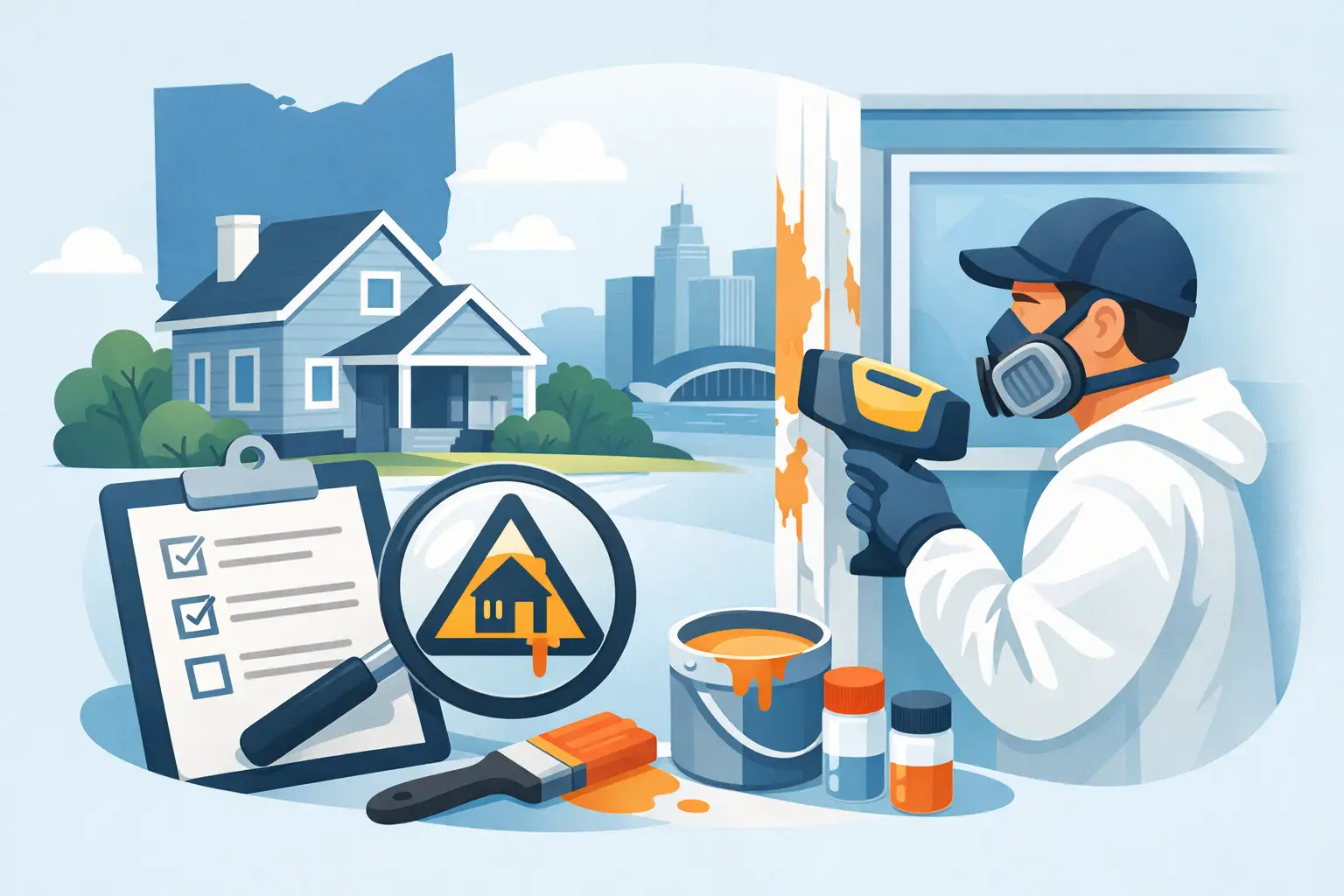
A basement ceiling covered in old tile, a worn sheet-vinyl floor, or insulated pipes in a utility room can raise a question that should not be answered by appearance alone. Asbestos testing provides the evidence buyers, owners, investors, and commercial property stakeholders need before they disturb, remove, renovate, or make decisions around suspect building materials.
For a property owner, this is not about creating unnecessary alarm. It is about protecting people, budgets, schedules, and a major real estate investment with clear information. A material that contains asbestos can often remain safely in place when it is intact and undisturbed. The risk changes when fibers become airborne through damage, drilling, sanding, cutting, demolition, or careless removal.
What Asbestos Testing Actually Tells You
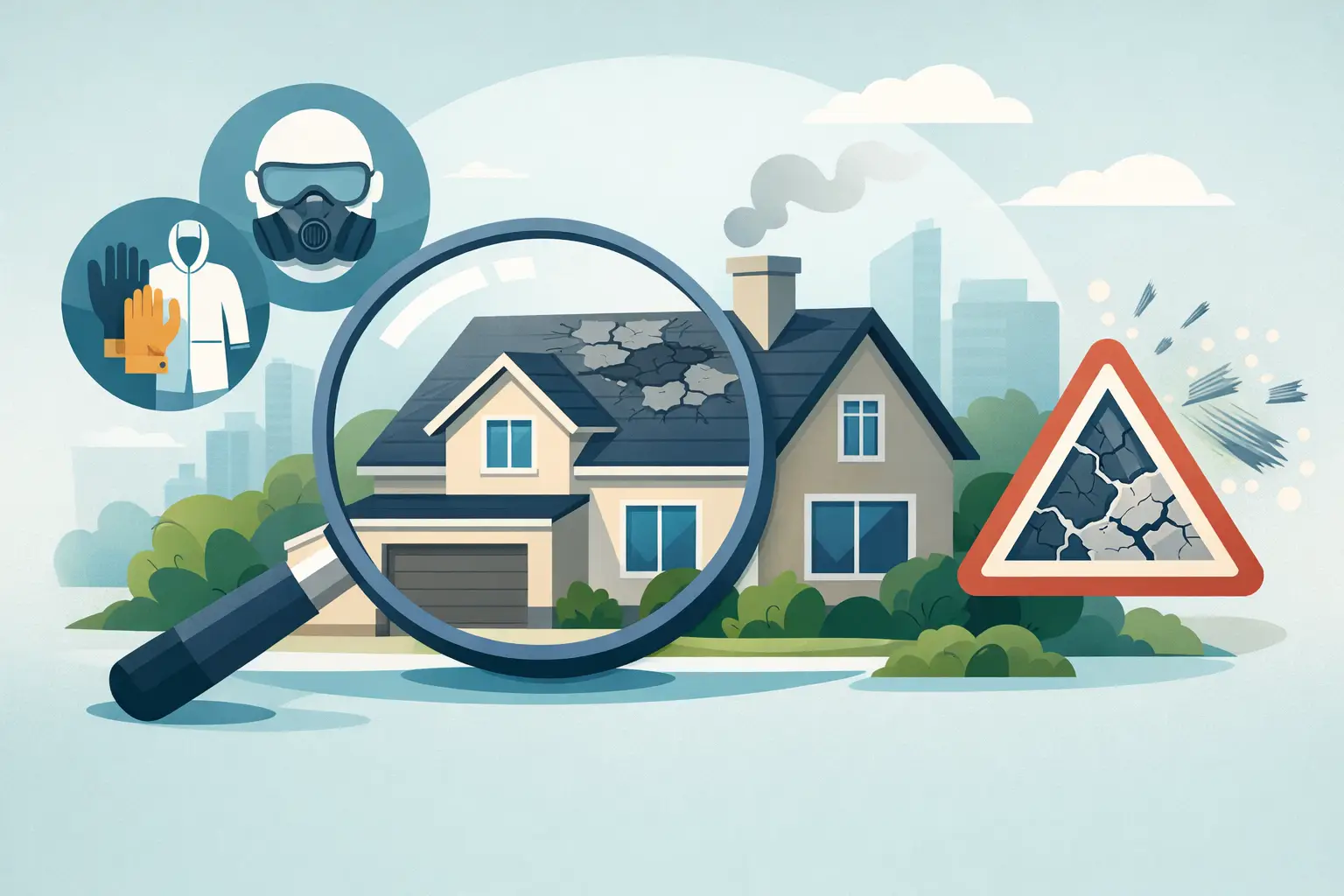
Asbestos is a naturally occurring mineral that was widely used in building products because it resists heat, fire, and wear. It may be present in homes and commercial buildings in insulation, flooring, ceiling materials, textured coatings, pipe wraps, roofing products, adhesives, siding, and other components.
A visual inspection can identify materials that are suspect, but it cannot confirm whether asbestos is present. Materials that look similar may have very different compositions. Laboratory analysis of a properly collected sample is what determines whether a material contains asbestos and, when applicable, the type and percentage identified.
That distinction matters during a real estate transaction. A home inspector may note a suspect material and recommend further evaluation, but a standard home inspection is not a laboratory asbestos determination. Testing gives the buyer, seller, owner, or investor a factual basis for deciding whether to leave the material alone, manage it, repair it, or arrange professional abatement.
When Asbestos Testing Makes Sense
The age of a property is a useful starting point, not a final answer. Buildings constructed before the 1980s deserve particular attention because asbestos-containing materials were used more frequently. However, newer construction is not an automatic exclusion. Existing material may remain from prior renovations, and some products were used after that period.
Testing is especially valuable before renovation or demolition. Replacing flooring, opening walls, removing popcorn-style ceiling texture, updating pipe insulation, or remodeling a commercial suite can all disturb materials that were previously stable. The cost of testing before work begins is typically far less disruptive than stopping a project after suspect debris has been created.
It is also wise to consider testing when materials are visibly damaged. Crumbling pipe insulation, deteriorated ceiling tile, broken floor tile, damaged siding, or friable material around ducts and mechanical systems should be evaluated before anyone sweeps, vacuums, sands, or removes it.
For buyers, asbestos concerns often surface during the inspection period. A quick, properly coordinated assessment can help prevent guesswork from taking over negotiations. The answer may be reassuring: the material may not contain asbestos, or it may be intact and manageable. If it does require action, the parties can better evaluate cost, timing, and responsibility before closing.
Commercial owners and investors face an added layer of exposure because tenant improvements, maintenance projects, and demolition work can affect larger areas and more occupants. Testing early supports better project planning and reduces the chance of a costly work stoppage.
Common Materials That May Need Evaluation
Not every older product contains asbestos, and not every suspect material needs immediate testing. The condition of the material and planned work are central to the decision. Still, these are common areas where a qualified inspector may recommend additional evaluation:
- Pipe and boiler insulation, especially older wraps, lagging, and fittings
- Vinyl floor tile, sheet flooring, backing, and black adhesive or mastic
- Textured ceilings, patching compounds, and certain wall coatings
- Ceiling tile, fireproofing, duct insulation, and mechanical room materials
- Roofing, siding, cement board, and exterior insulation products
A careful assessment considers where the material is located, whether it is accessible, whether it is damaged, and whether renovation will disturb it. For example, intact floor tile beneath a new floating floor may present a different management decision than loose, broken tile that must be removed before a remodel.
What the Testing Process Looks Like
A professional asbestos assessment begins with an informed visual review of the property and the work planned. The goal is to identify homogeneous materials – materials that appear consistent in color, texture, and application – and determine where samples may be needed.
Samples should be collected with controls designed to minimize disturbance and avoid spreading debris. The sampling area is then appropriately contained or cleaned, and the sample is submitted to a qualified laboratory for analysis. Depending on the material and the scope of work, more than one sample may be necessary. A single sample from one room does not automatically represent every similar-looking material throughout a building.
Laboratory turnaround varies. If a closing date, repair deadline, or renovation start date is approaching, communicate that timing before scheduling. Expedited analysis may be available in some circumstances, but it is better to build testing into the decision timeline rather than rely on a last-minute result.
The report should clearly identify the material tested, its location, the laboratory findings, and recommended next steps. This documentation is useful for owners planning work, buyers reviewing inspection findings, and contractors who need to understand the conditions before beginning a project.
Why DIY Sampling Can Create More Problems
It is understandable to want a fast answer, especially when a renovation is waiting. But collecting a sample without the right process can damage a material, release fibers, contaminate nearby surfaces, or produce a sample that does not accurately represent the area of concern.
The larger issue is what happens after the result. A positive laboratory finding does not mean an owner should begin removal with basic household tools and a dust mask. Asbestos-related work may require specific containment, work practices, disposal procedures, and qualified professionals. Requirements can vary based on the property type, material condition, and scope of work.
The safest approach is to avoid disturbing a suspect material until it has been evaluated. Do not sand it, drill through it, scrape it, sweep loose debris, or use a standard vacuum on damaged material. If there is an urgent concern involving damaged insulation or debris in an occupied area, limit access and seek professional guidance promptly.
A Positive Result Does Not Always Mean Removal
One of the most useful outcomes of asbestos testing is perspective. A positive result creates a management decision, not an automatic emergency. If asbestos-containing material is in good condition and will not be disturbed, leaving it in place may be the appropriate option. Encapsulation, repair, monitoring, or professional removal may be considered depending on its location and condition.
Removal becomes more likely when the material is friable, significantly damaged, accessible to occupants, or directly affected by planned renovation or demolition. The right path depends on the material itself and how the property will be used. A vacant investment property undergoing a full renovation has different needs than an occupied home with intact floor tile in a low-traffic utility room.
For buyers, this is why a clear report matters. It helps separate a manageable condition from an undefined risk. For sellers, it can prevent vague disclosures or unsupported claims from slowing a transaction. For owners, it supports a maintenance plan grounded in facts rather than assumptions.
Coordinating Asbestos Concerns With a Property Inspection
Asbestos questions often overlap with other inspection findings. An aging furnace may have older insulation nearby. A basement moisture issue may be affecting ceiling materials. A planned kitchen renovation may involve old flooring, wall finishes, or ductwork. Looking at these concerns together helps owners prioritize work in the right sequence.
Flinn Inspection Group helps Central Ohio clients identify suspect materials during a broader property assessment and understand when specialized asbestos evaluation is the appropriate next step. That practical coordination is especially valuable when buyers are balancing inspection deadlines, repair negotiations, and closing schedules.
The key is to act before a project turns a manageable material into a complicated cleanup. If a surface, insulation product, or building component raises concern, pause the work, get a clear answer, and let the results guide the next decision with confidence.