by Flinn Inspections
Share
by Flinn Inspections
Share

A small stain below a bathroom, a furnace that sounds slightly louder than it should, or a crack along a foundation wall can change the terms of a real estate decision. Quality home inspection services turn those unknowns into documented facts before you commit to a purchase, plan a repair, or reach the end of a builder warranty period.
For buyers, homeowners, investors, and commercial property stakeholders, the right inspection is not simply a checklist. It is a clear assessment of the property’s visible and accessible condition, the risks that may need immediate attention, and the systems worth monitoring over time. The goal is straightforward: protect your investment with information you can use.
What a Complete Home Inspection Should Cover
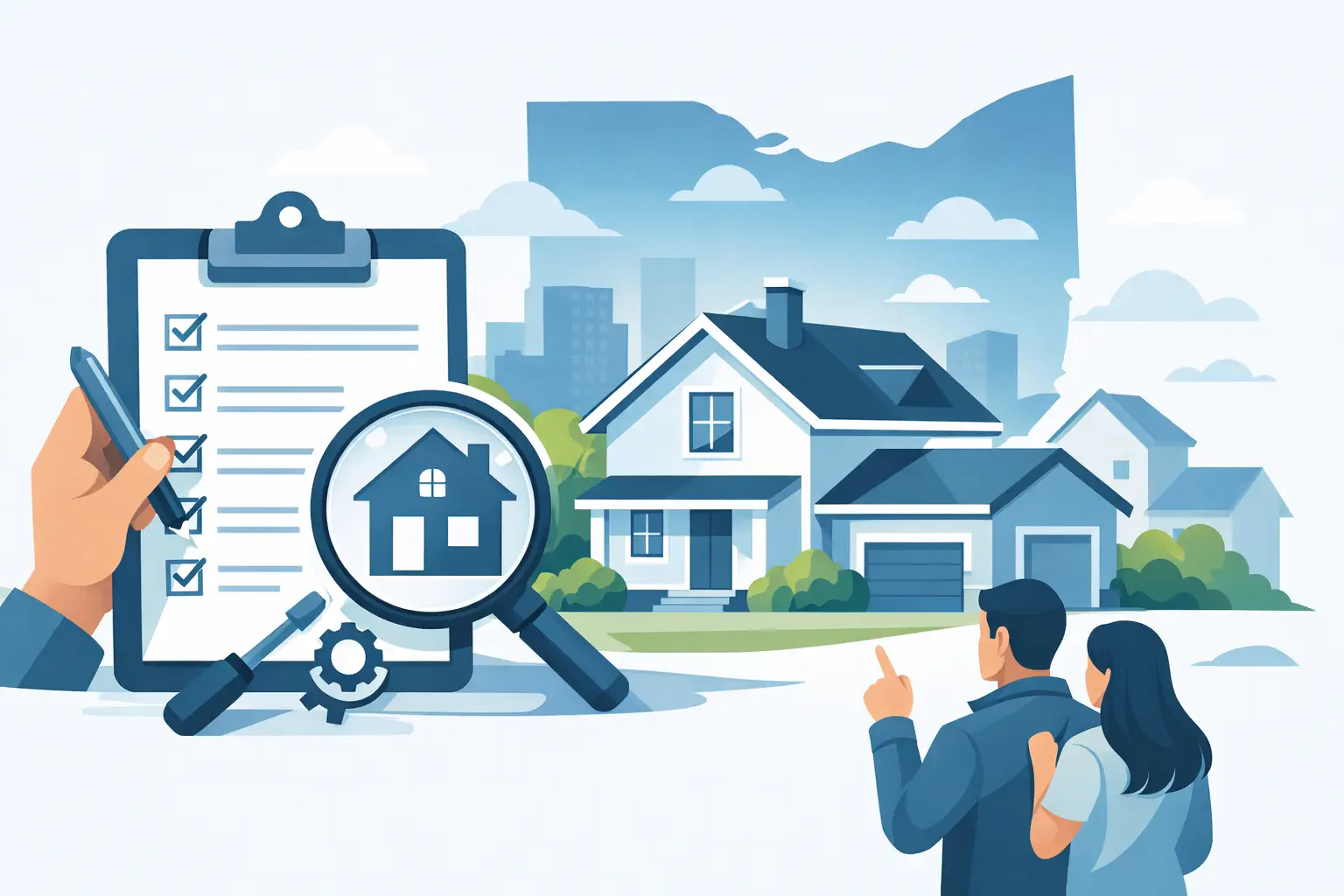
A standard full home inspection evaluates the major components that affect a property’s safety, function, and long-term value. This generally includes the structure, foundation, roof, exterior, attic, insulation, interior rooms, electrical system, plumbing, heating and cooling equipment, and built-in appliances.
The value is in how those systems are considered together. A roof concern may lead to moisture inside the attic. A plumbing leak may affect flooring, subflooring, or electrical components below it. An experienced inspector does not treat every observation as an isolated item. They help you understand where a condition is located, why it matters, and what type of professional may be needed next.
A thorough inspection also distinguishes between routine maintenance, aging components, and material defects. No property is perfect, especially in Central Ohio where older homes, seasonal weather shifts, and varied construction styles create different maintenance demands. A 20-year-old furnace is not automatically failing, but its age, operating condition, and expected service life should be part of your decision.
A visual inspection has limits. Inspectors do not dismantle walls, move stored belongings, or predict every future failure. That is why the inspection report should be specific about what was observed, what was inaccessible, and what deserves further evaluation. Clear limits are part of an honest, professional inspection.
The Report Matters as Much as the Walk-Through
A report should help you make decisions quickly, not leave you sorting through vague language. Same-day reporting is especially valuable during a purchase transaction, when inspection periods can be short and repair negotiations move fast.
Look for reports that identify the location of an issue, include supporting photos where appropriate, explain the concern in plain language, and separate significant conditions from ordinary maintenance. You should be able to use the report to discuss repairs with your agent, contractor, seller, builder, or property manager without guessing what the inspector meant.
When Home Inspection Services Need Specialized Testing
A full inspection is the foundation, but some risks require a dedicated service. The right additions depend on the property, its age, its utilities, its location, and your transaction goals. Paying for every available test is not always necessary. Choosing the tests that match the property is what creates real value.
Radon, Termites, and Indoor Air Concerns
Radon testing is a practical consideration for many Ohio properties because radon is colorless, odorless, and cannot be identified during a visual inspection. Testing provides a measurement that allows you to make an informed decision about mitigation or continued monitoring.
Wood-destroying insect inspections can identify visible evidence of termite activity or conditions that may attract pests, such as wood-to-soil contact or moisture near the foundation. A termite inspection is particularly useful when a lender, buyer, or transaction agreement requires it, but it can also help owners protect a home before damage becomes extensive.
Mold and air quality testing may be appropriate when there is a persistent musty odor, visible staining, a history of water intrusion, or health concerns related to indoor conditions. Testing should support a clear question. If moisture is present, the underlying source must be addressed. Sampling alone does not correct the condition that allowed microbial growth.
Sewer, Septic, Well Water, and Gas Detection
A sewer camera scope can reveal problems that do not appear at a sink or toilet inside the home. Older sewer lines may have root intrusion, offsets, cracking, bellies, or deterioration that can lead to expensive repairs. For homes with mature trees or aging plumbing infrastructure, a scope can be one of the most valuable additions to a buyer inspection.
Properties served by private septic systems or wells need a different level of review. Septic inspections assess components and operating conditions that are not part of a standard home inspection. Well water inspections and FHA water quality testing can help identify whether the water supply meets the needs of the property and, where applicable, financing requirements.
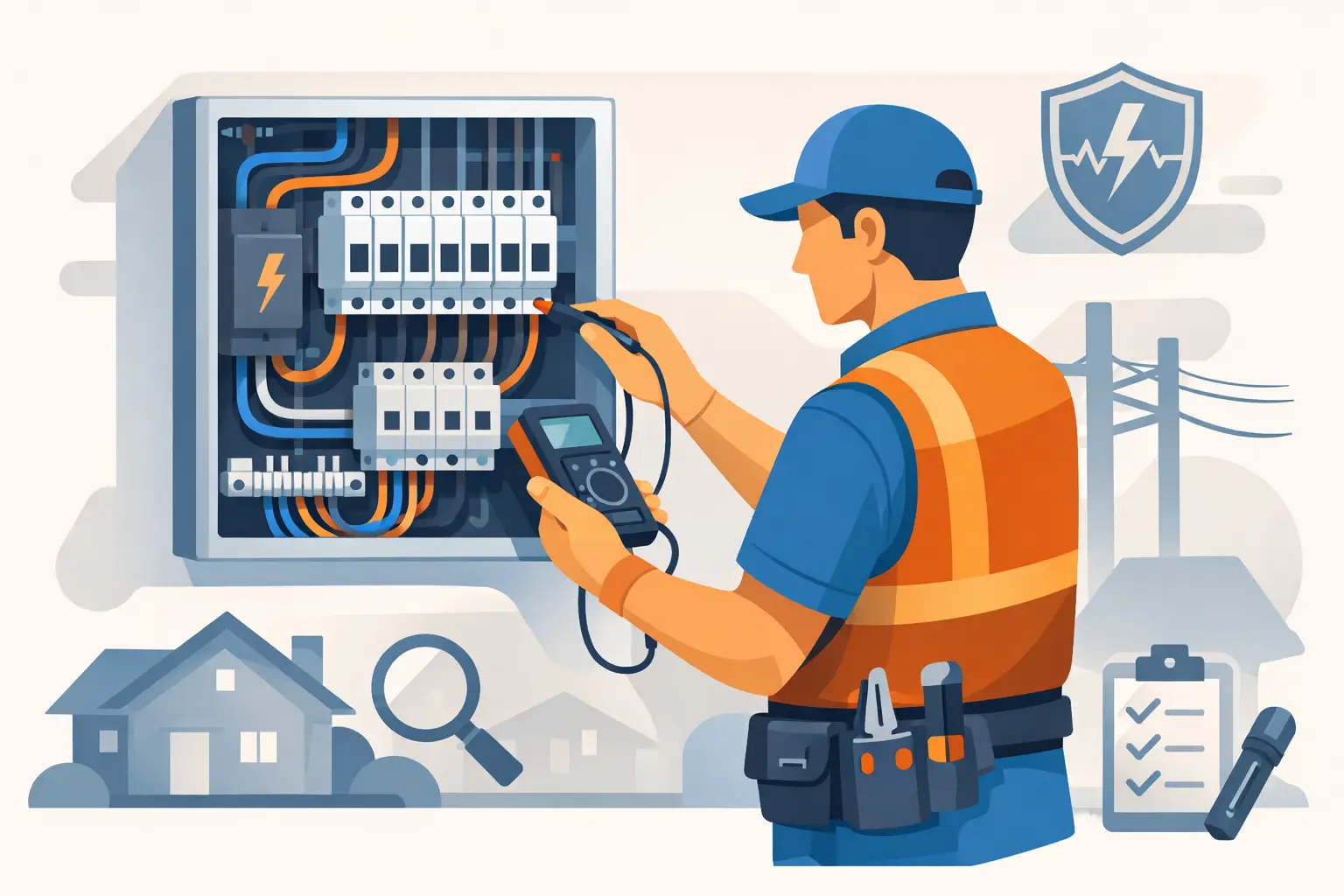
Gas leak detection adds another layer of protection when gas-fired appliances, piping, or connections are present. A concern involving fuel gas should never be treated as a minor maintenance note. Advanced diagnostic tools can help identify conditions that need prompt attention from a qualified professional.
Specialty Features and Older Materials
Fireplaces, pools, asbestos-containing materials, and lead-based paint each bring their own risks and inspection needs. A fireplace inspection may be appropriate when a chimney has not been evaluated recently, when the home has been vacant, or when the buyer intends to use a wood-burning system. Pool inspections can help clarify the condition of equipment, visible surfaces, safety features, and operational components.
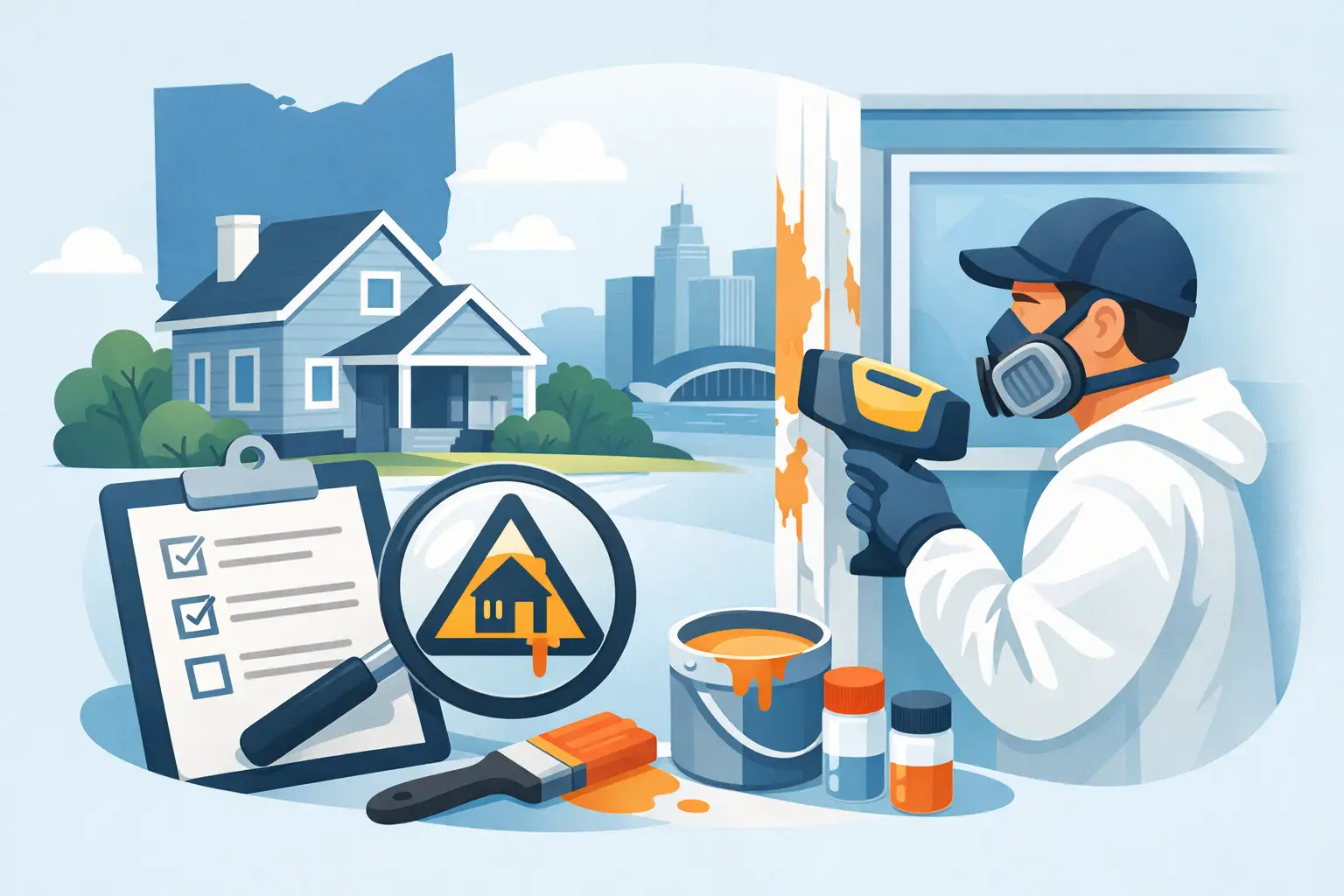
Asbestos and lead-based paint evaluations are especially relevant in older homes. Their presence is not unusual in certain construction eras, and it does not automatically mean a property should be avoided. The key question is whether the material is damaged, disturbed, or likely to be affected by planned renovation. A proper assessment helps owners plan safely instead of making assumptions.
Inspection Timing Can Protect More Than a Purchase
Many people think of inspections only during a home sale. In reality, inspection timing can protect a property through every stage of ownership.
For buyers, the general inspection period is the clearest opportunity to identify visible concerns before the transaction closes. Investors may need a faster, more focused assessment, such as a 5-point inspection that concentrates on the roof, electrical, plumbing, HVAC, and structural components. Commercial clients often need an inspection scope tailored to the building type, use, systems, and due diligence requirements.
New construction deserves the same level of attention as an existing home. A foundation inspection, pre-drywall inspection, phased inspection, and final inspection create opportunities to identify concerns while components are visible and before finishes conceal them. New does not mean defect-free. It means the inspection should be timed to catch issues at the right stage.
The 11-month warranty inspection is another critical window. Before a builder warranty expires, homeowners can document concerns that developed after move-in, including settlement-related cracking, drainage issues, appliance problems, HVAC performance concerns, and items that were not apparent during the final walk-through. Waiting until after the warranty period may leave the owner responsible for repairs that could have been addressed by the builder.
What to Expect From a Strong Inspection Partner
The best inspection experience combines technical skill with direct communication. You should feel comfortable attending the inspection, asking questions, and learning how the property works. The process should not feel rushed or designed to frighten you. It should give you the facts needed to move forward with confidence.
Advanced tools can make a meaningful difference when used correctly. Thermal imaging may help identify temperature variations associated with missing insulation, moisture patterns, or electrical concerns. It is not X-ray vision, and findings often require confirmation, but it can reveal areas that warrant closer review. The same is true of gas detection and other diagnostic equipment: tools strengthen the inspection when paired with sound judgment and clear reporting.
An all-in-one inspection provider can also reduce scheduling gaps when a property needs a full inspection plus radon, termite, sewer, water, or air-quality services. For a time-sensitive transaction, coordinated services and a same-day report can help keep due diligence moving without sacrificing thoroughness. Flinn Inspection Group supports that approach with comprehensive services, advanced diagnostic capabilities, and a 90-day warranty designed to reinforce confidence after the inspection.
Use the Inspection to Make a Better Decision
An inspection report is not a pass-or-fail grade. It is a decision tool. A buyer may choose to request repairs, negotiate price, seek specialist estimates, accept manageable maintenance items, or walk away from a risk that does not fit their budget. A homeowner may use the same report to prioritize repairs before they become more disruptive and expensive.
The right choice depends on the property, your goals, and your tolerance for repairs. What should not be negotiable is having a complete picture before the decision becomes final. When every square foot is evaluated with care, you are better prepared to protect the property, the people who use it, and the investment behind it.