by Flinn Inspections
Share
by Flinn Inspections
Share

A wall can look perfectly fine and still be hiding a leak. An electrical panel can appear normal from the outside and still contain a hot spot that signals trouble. That is where thermal imaging inspection benefits become clear. It gives inspectors a non-invasive way to identify temperature differences that may point to moisture intrusion, missing insulation, air loss, electrical concerns, or HVAC issues before those problems become more expensive.
For buyers, owners, and investors, that matters because major property decisions often happen under time pressure. You need useful information, not guesswork. Thermal imaging does not replace a thorough physical inspection, but it adds another layer of evidence that helps protect your investment.
What thermal imaging inspection benefits actually mean
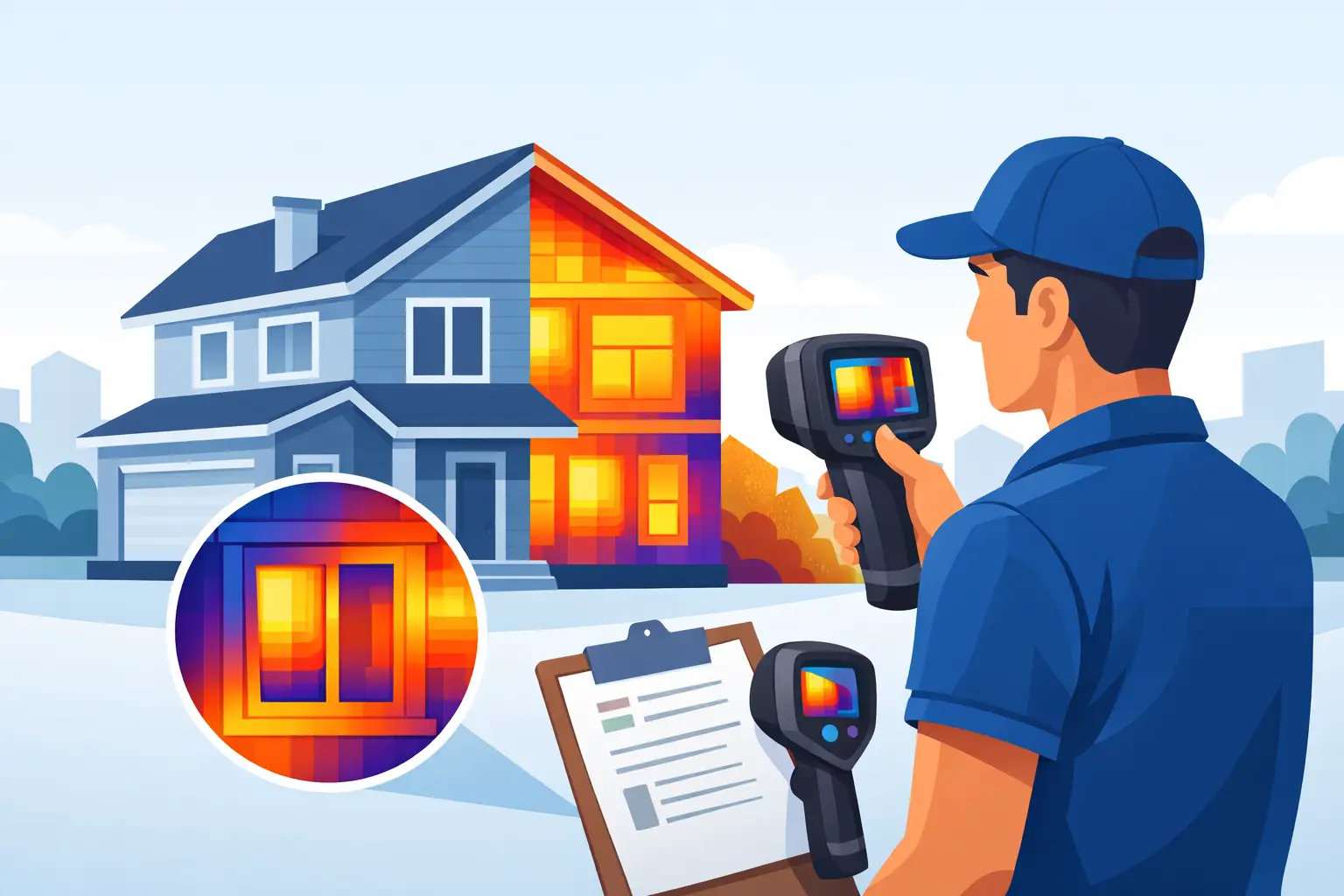
Thermal imaging uses an infrared camera to detect surface temperature variations. Those variations are translated into a visual image that can help an inspector identify patterns that deserve closer attention. In a property inspection, this is especially useful because many serious issues begin behind walls, above ceilings, under floors, or inside electrical components where the naked eye cannot see them.
The key point is that infrared does not “see through” walls. It reads temperature differences at the surface. That distinction matters because a trained inspector is not just looking for pretty colors on a screen. They are interpreting those patterns in context with what they observe at the property, how systems are operating, and whether conditions are right for a meaningful scan.
That is why thermal imaging is most valuable when it is used by an experienced inspection professional as part of a broader process, not as a stand-alone gadget demo.
8 thermal imaging inspection benefits that matter most
1. It helps reveal hidden moisture before stains appear
Water damage often starts quietly. A slow plumbing leak, roof intrusion, or window failure may be active long before drywall shows visible damage. Thermal imaging can help detect cooler areas that suggest moisture may be present.
This can be especially valuable in bathrooms, kitchens, basements, around roof penetrations, and near exterior walls. If suspicious patterns appear, the inspector can recommend additional confirmation with a moisture meter or further evaluation. Catching moisture early can reduce repair costs and lower the chance of mold growth or framing damage.
2. It can identify electrical hot spots
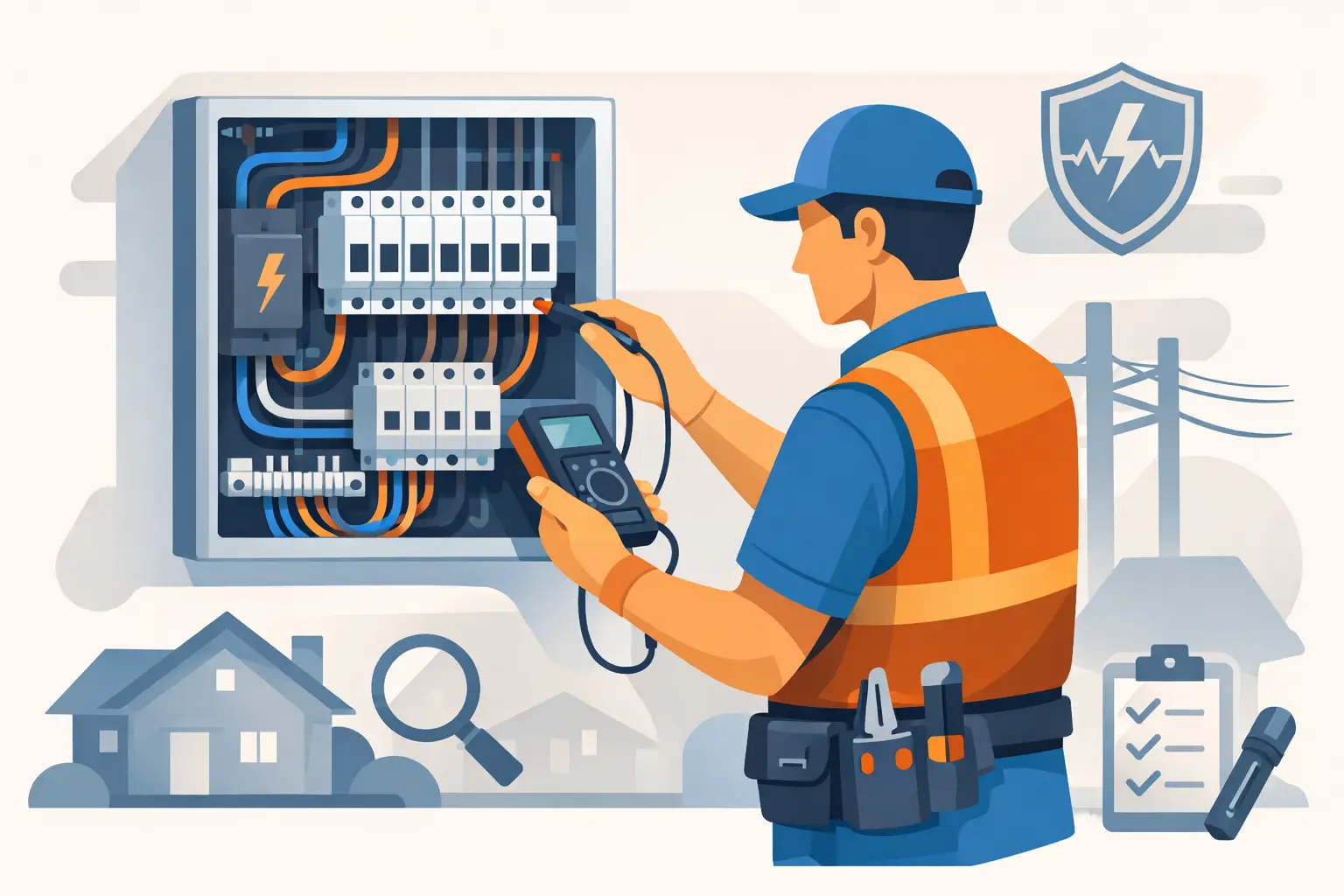
One of the most practical thermal imaging inspection benefits is finding abnormal heat in electrical components. Loose connections, overloaded breakers, failing components, and unbalanced loads can all generate excess heat.
Not every warm component is a defect, and not every defect shows up as heat at the time of inspection. Still, when thermal imaging reveals an unusual temperature pattern in a panel, disconnect, or other electrical equipment, it gives the client an early warning that a licensed electrician may need to take a closer look. That is the kind of information that helps prevent safety issues instead of reacting to them later.
3. It exposes insulation gaps and energy loss
A room that never seems comfortable often has a reason. Missing insulation, compressed insulation, or air leakage around doors, windows, attic accesses, and recessed fixtures can create uneven temperature patterns that thermal imaging may reveal.
For homeowners, this can explain high utility bills or persistent hot and cold spots. For buyers, it can help you understand whether the home may need efficiency improvements. In Central Ohio, where buildings face both cold winters and humid summers, these hidden performance issues can affect comfort year-round.
4. It helps locate HVAC performance concerns
Thermal imaging can support the inspection of heating and cooling systems by showing whether supply registers are delivering expected temperature differences and whether certain areas are underperforming.
This does not replace full HVAC diagnostics, but it can help flag problems such as weak airflow to certain rooms, duct leakage, or uneven system output. When a building is large or has additions, finished basements, or bonus rooms, these clues become even more useful.
5. It offers a non-invasive way to investigate concerns
One reason clients appreciate thermal imaging is simple: it can reveal clues without tearing into walls or ceilings. That makes it a practical first step when there is concern about moisture, insulation, or overheating components.
Non-invasive does not mean definitive in every case. Sometimes the image points to an issue that still requires additional testing or contractor review. But from a property inspection standpoint, it allows more areas to be evaluated efficiently and with less disruption.
6. It supports better decision-making during real estate transactions
A real estate purchase is rarely just about what is visible in a quick showing. Buyers want confidence. Sellers want fewer surprises. Investors want to understand risk clearly and fast.
Thermal imaging adds another layer of insight during that process. If there is hidden moisture around a shower, unusual heat at an electrical connection, or clear signs of insulation deficiency, those findings can affect negotiations, repair requests, budgeting, and renovation planning. The value is not just in finding problems. It is in helping clients make informed decisions with stronger evidence.
7. It can help document conditions more clearly
Inspection reports are most useful when they translate technical findings into something a client can understand and act on. Thermal images can help show why an area was flagged and where additional attention is needed.
That matters for first-time homebuyers who may be learning these systems for the first time, and it matters just as much for commercial clients and investors who want clear documentation. Visual evidence can make conversations with contractors more productive because the issue is easier to communicate from the start.
8. It adds value when used with a thorough whole-property inspection
Infrared scanning is powerful, but its real value comes from how it fits into the larger inspection. A camera alone does not protect an investment. A complete inspection process does.
When thermal imaging is paired with a detailed evaluation of structure, roofing, exterior components, interior systems, electrical, plumbing, and HVAC, clients get a more complete picture of the property. That is where advanced tools become meaningful. They support the mission of inspecting every square foot with care, not cutting corners.
When thermal imaging works best – and where it has limits
The best inspectors are clear about what a tool can and cannot do. Thermal imaging has real benefits, but conditions matter. Temperature differences between interior and exterior spaces often make insulation and air leakage patterns easier to detect. Active moisture may be easier to identify than an old, dried-out leak. Electrical components need to be under load for heat anomalies to show up clearly.
There are also situations where a thermal pattern could be caused by more than one thing. A cool area on a ceiling might suggest moisture, missing insulation, or an HVAC-related condition. That is why interpretation matters. The camera provides clues. Training, experience, and on-site judgment are what turn those clues into useful inspection findings.
For clients, that means you should see thermal imaging as a high-value enhancement, not a magic answer to every hidden defect. The strongest inspection process combines advanced tools, direct observation, and clear reporting.
Who benefits most from thermal imaging inspections?
Homebuyers are often the first group to think about infrared scanning, and for good reason. Before closing, they want as much information as possible about hidden risks. But the benefits go well beyond a purchase transaction.
Current homeowners can use thermal imaging to investigate comfort problems, suspected moisture, or unexplained energy loss. Owners of newer homes may also benefit before warranty periods end, especially if they have noticed uneven temperatures or areas that seem damp or drafty.
Investors and commercial property stakeholders can benefit because hidden issues affect budgets, timelines, and asset performance. A moisture problem inside a wall or a hot spot in an electrical system is easier to address before it grows into a larger repair, tenant issue, or operational interruption.
Why the inspector matters as much as the camera
Infrared technology is more common than it used to be, but the tool itself is not the service. What protects a client is the quality of the inspection, the discipline of the process, and the ability to explain findings in plain language.
A qualified inspector knows where thermal imaging is most likely to produce useful results. They understand building science, moisture behavior, electrical warning signs, and the limitations of the equipment. They also know when a thermal anomaly is significant and when it simply needs monitoring or a second level of evaluation.
For clients in markets like Powell, Columbus, and Dublin, where buying windows can move quickly, that combination of speed and accuracy matters. Flinn Inspection Group uses advanced tools like thermal imaging to strengthen the inspection, support same-day reporting, and help clients move forward with clarity.
If you are trying to protect a property investment, the real advantage is not just seeing what is wrong today. It is spotting what could become tomorrow’s expensive surprise while there is still time to act.