by Flinn Inspections
Share
by Flinn Inspections
Share
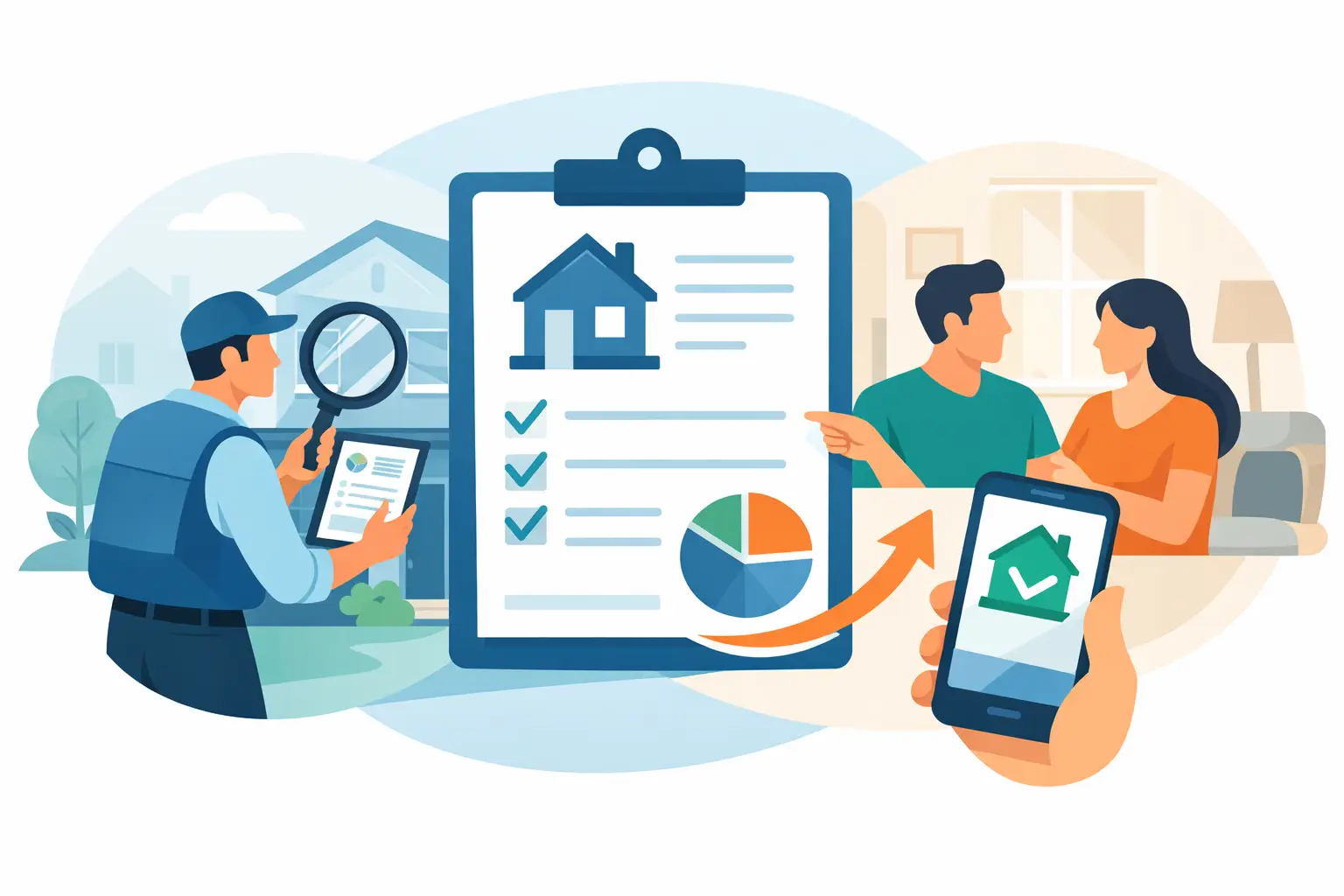
A home inspection contingency can move fast. You may have only a few days to understand what the inspector found, request repairs, renegotiate the purchase price, or decide whether the property is right for you. Same day home inspection reports put clear, documented information in your hands while those decisions still matter.
For buyers, sellers, agents, and investors across Central Ohio, speed should never mean a rushed inspection. The real value is a thorough evaluation followed by a report that is organized, detailed, and delivered promptly enough to support the next step in the transaction. You need facts, photos, and professional perspective – not a vague checklist delivered after your deadline has passed.
Why Same Day Home Inspection Reports Matter
A property inspection is more than a pass-or-fail exercise. Its purpose is to identify visible and accessible concerns affecting safety, major systems, structure, maintenance planning, and the overall condition of the property. The report becomes your working document for the negotiation, your repair priorities, and your future ownership plan.
When that document arrives the same day, you can review the findings while the inspection is fresh in your mind. If you attended the inspection, you can connect the photos and written observations to what you saw in person. If you could not attend, a well-built report gives you a reliable way to understand the condition of the home without guessing.
Timing matters especially in competitive markets around Powell, Dublin, and Columbus. Buyers do not need pressure to make careless decisions, but they do need enough time to consult their agent, obtain repair estimates, ask follow-up questions, and respond before contingency deadlines expire. Prompt reporting protects that time.
Fast Delivery Is Only Valuable When the Inspection Is Thorough
A same-day report should be the result of an efficient professional process, not a shortened inspection. A qualified inspector still needs time to evaluate the accessible structure, roof system, exterior, electrical components, plumbing fixtures, heating and cooling equipment, interior spaces, insulation, ventilation, and other visible conditions within the scope of the inspection.
The report should distinguish between a minor maintenance item and a condition that deserves immediate attention. A loose outlet cover and a potentially unsafe electrical connection do not carry the same weight. Neither do an aging water heater and an active plumbing leak. Buyers deserve reporting that provides context so they can focus on what is material rather than becoming overwhelmed by every line item.
Advanced tools can add meaningful value when used appropriately. Thermal imaging may reveal temperature patterns associated with moisture intrusion, missing insulation, or electrical concerns that are not visible to the naked eye. Gas leak detection can help identify potential hazards around accessible gas components. These tools support the inspection, but they do not replace sound building knowledge or careful hands-on evaluation.
What a Useful Same-Day Report Should Include
The best reports are designed to be read and used. They should provide more than a score or a generic statement that a system is “functional.” A clear report explains what was observed, where it was located, why it matters, and what type of action may be appropriate.
A practical same-day inspection report typically includes detailed written observations and supporting photos. It should identify safety concerns, defects, deferred maintenance, and conditions that may warrant further evaluation by a licensed contractor or specialist. It should also document limitations, such as areas that were inaccessible, concealed, or not operating at the time of the inspection.
Photos matter because they create clarity. A buyer should not have to decipher where a damaged siding panel, active stain, deteriorated flashing detail, or questionable electrical component was found. Good images support productive conversations with agents, sellers, contractors, and insurance professionals.
The report should also help establish priorities. Not every concern needs to be resolved before closing. Some findings belong in a repair request because they involve safety, water intrusion, structural performance, or a major system. Others may be reasonable projects to plan after moving in. The right course depends on the property, the transaction terms, the buyer’s tolerance for repairs, and the advice of qualified trade professionals.
A report is not a contractor bid
Home inspection reports identify conditions and recommend appropriate next steps. They do not replace estimates from licensed contractors, engineering evaluations, municipal code inspections, or specialty testing when those services are needed.
That distinction is valuable. An inspector may identify signs of a roof issue, for example, but a roofing contractor determines the repair method and cost. If a report identifies possible mold-like growth or elevated moisture conditions, further evaluation and testing may be appropriate before making assumptions about the extent of the issue or the remediation required.
The Inspection Day Conversation Still Matters
A digital report is essential, but it should not be the only communication you receive. Buyers benefit from a clear walkthrough or conversation that explains the most significant findings in plain language. That is where inspection results become practical guidance.
Ask which issues are safety-related, which items could lead to further damage if ignored, and which conditions are typical for the home’s age. Ask whether a recommended repair should be evaluated before the end of the inspection period. A professional inspector should be prepared to explain observations without minimizing legitimate concerns or creating unnecessary alarm.
For first-time buyers, this education can be as valuable as the report itself. Nearly every home, including a newer home, will have maintenance needs. Learning where the main water shutoff is located, how to maintain exterior drainage, when to service HVAC equipment, and why attic ventilation matters can help prevent avoidable problems after closing.
When Same-Day Reporting Helps Different Property Owners
Buyers are not the only people who need fast answers. Same-day home inspection reports can serve several points in the property lifecycle.
For sellers, a pre-listing inspection can identify issues before showings begin. This gives the owner time to complete repairs, gather documentation, or price the home with a more accurate understanding of its condition. It can also reduce the chance of a surprise finding late in the buyer’s inspection period.
For homeowners approaching the end of a builder warranty, an 11-month warranty inspection provides an opportunity to document visible concerns before coverage expires. New construction and phased inspections can similarly help identify concerns before finishes conceal components or before the builder completes the project.
For investors, timing is often tied directly to acquisition decisions. A focused inspection, 5-point inspection, sewer camera scope, radon test, or other appropriate ancillary service can provide critical information about risk, repair budgeting, and project timing. The right services depend on the property type, age, water source, sewer connection, and visible conditions.
Commercial property stakeholders also benefit from prompt reporting, although commercial inspections may involve a different scope and a more complex review of building systems. The key is the same: information must be clear enough to support a responsible business decision.
How to Use Your Report After It Arrives
Read the full report before focusing only on the summary. The summary helps identify major concerns, but the detailed sections provide the context, location, photos, and limitations behind each observation. Share it with your real estate agent and discuss the timeline for inspection responses.
If a major concern is identified, move quickly to schedule the appropriate specialist. A foundation concern may call for further evaluation by a structural professional. Evidence of a sewer line issue may justify a sewer scope. Radon, water quality, termites, mold, pools, fireplaces, septic systems, wells, asbestos, and lead-based paint each require specialized services when the property and findings warrant them.
Avoid treating the report as a reason to demand perfection from an existing home. Instead, use it to make an informed decision. Is the property still a sound fit at the agreed price? Are repair credits or seller repairs appropriate? Can you comfortably manage the maintenance items after closing? Those are the questions the report should help you answer.
Choose an Inspector Who Respects Your Deadline and Investment
Fast reporting is a service promise, but it should be paired with experience, clear communication, and a commitment to inspect carefully. At Flinn Inspection Group, the goal is to help clients protect major real estate investments with comprehensive inspections, advanced diagnostic tools, and same-day reporting that supports confident decisions.
Before scheduling, confirm the inspection scope, ask whether ancillary services can be coordinated, and make sure the report delivery timeline aligns with your contract deadline. If you are buying a home, reserve enough time after the inspection to read the report, ask questions, and obtain specialist input when necessary.
The right report does not make the decision for you. It gives you the facts, priorities, and professional clarity to make that decision with your eyes open.