by Flinn Inspections
Share
by Flinn Inspections
Share
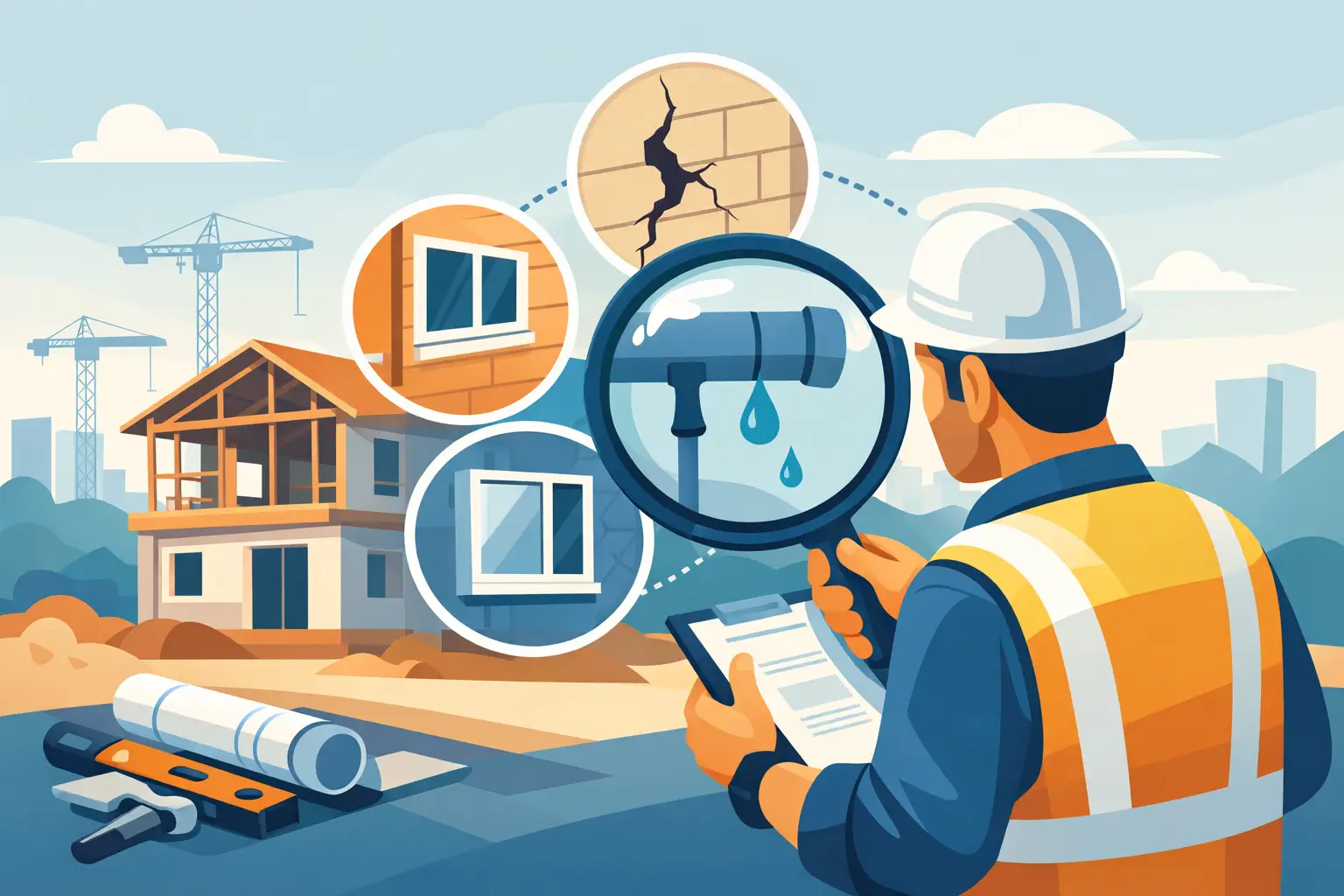
A new home can look flawless on closing day and still contain costly problems behind the drywall, beneath the flooring, or inside the mechanical systems. New construction defects are not always obvious, and a clean final walk-through is not the same as an independent inspection. For Central Ohio buyers, catching concerns before they become warranty disputes can protect both the home and the investment.
Builders, subcontractors, and municipal inspectors all have roles in the construction process. Still, their reviews do not replace an inspection performed solely for the buyer. A municipal inspection generally confirms minimum code compliance at specific stages. A buyer-focused inspection evaluates visible conditions, workmanship, performance concerns, and signs that a component may need correction before the builder’s responsibility ends.
Why New Construction Defects Happen
Most defects are not the result of a single major failure. They often develop when a busy construction schedule brings multiple trades into the same space, sometimes before prior work has been fully checked or protected. A framing change can affect plumbing routes. Drywall installation can conceal an incomplete duct connection. Grading can shift after the final landscaping is installed.
Weather also matters in Central Ohio. Heavy rain can expose drainage problems around a new foundation, while winter conditions can make it harder to evaluate exterior finishes, roof surfaces, and site grading. Seasonal movement, drying materials, and the first full heating and cooling cycles may reveal concerns that were not apparent when the house was first completed.
Some items are cosmetic. Others involve water management, safety, structure, or expensive systems. The key is not assuming that a small issue is harmless simply because the home is new. A stain beneath a sink may point to a loose fitting. A sticking exterior door may be a simple adjustment, or it may be related to settlement, framing alignment, or moisture exposure. Context matters.
Defects That Deserve Close Attention
Water intrusion and drainage concerns
Water is one of the most damaging forces in any home, especially when it reaches framing, insulation, finished walls, or foundation areas. On a new property, concerns may include gutters that discharge too close to the foundation, downspouts missing extensions, negative grading, poorly sealed exterior penetrations, roof flashing issues, or leaks at windows and doors.
Basements deserve particular attention. A dry basement at the time of inspection is encouraging, but it does not automatically confirm that exterior drainage will perform during a prolonged rain. Inspectors look for visible clues such as improper grade, incomplete splash control, cracks, moisture indications, and drainage components that may direct water toward the home instead of away from it.
Roofing, siding, and exterior details
The exterior envelope protects everything inside the home. Defects can include damaged or improperly installed shingles, incomplete flashing, gaps in siding, unsealed trim joints, loose cladding, missing kick-out flashing, or improperly installed exterior caulking. These details can be easy to miss from the ground, yet they are critical to controlling water intrusion.
Not every exterior irregularity requires the same response. A small caulk gap may be a straightforward builder correction. A pattern of missing flashing or poorly integrated materials warrants a broader review because it may affect multiple locations. A thorough inspection report helps distinguish a punch-list item from a condition that needs prompt attention.
Plumbing, electrical, and HVAC installation issues
A home can have brand-new equipment and still have installation defects. Common plumbing findings include active drips, unsupported piping, improperly secured fixtures, missing insulation where needed, slow drains, or inadequate sealing around supply and drain penetrations. Water leaks often begin quietly, which is why cabinets, utility areas, mechanical rooms, and accessible plumbing connections should be reviewed carefully.
Electrical concerns may include loose outlets, missing cover plates, improperly labeled panels, incomplete GFCI protection, open junction boxes, or wiring that is not adequately secured. These are not items to dismiss because they appear minor. Electrical safety depends on correct installation throughout the system, not only on whether the lights turn on.
Heating and cooling systems should be evaluated in the appropriate season and within manufacturer operating limitations. Inspectors can identify visible installation concerns, test normal accessible functions, and look for temperature differences, condensate issues, disconnected ductwork, or gas leaks. Thermal imaging can be especially useful for identifying temperature anomalies that may indicate missing insulation, air leakage, or moisture-related concerns. It is a diagnostic tool, not a substitute for opening walls, but it can direct attention to areas that need further evaluation.
Framing, drywall, flooring, and finish quality
Fresh paint can hide a surprising amount. Buyers often notice nail pops, uneven drywall seams, cracks, trim gaps, poorly aligned doors, or inconsistent flooring after living in the home for several months. Some movement is expected as materials dry and the home adjusts to normal temperature and humidity changes. The question is whether a condition is isolated and typical, or widespread enough to suggest a workmanship or performance issue.
Look closely at stair railings, guardrails, doors, windows, cabinets, countertops, and flooring transitions. These components get daily use, and defects tend to become more noticeable after move-in. Windows and doors should operate properly. Railings should feel secure. Floors should not have excessive movement, obvious damage, or significant gaps that were overlooked during final finishing.
Inspect at the Right Points in the Build
The timing of an inspection can determine what is visible. Waiting until the final walk-through means many important components are already concealed. A phased approach gives buyers a clearer record of conditions before the home is finished.
A foundation inspection can identify visible concerns before the structure rises above grade. A pre-drywall inspection is performed after major framing, plumbing, electrical, and HVAC rough-ins are in place but before insulation and drywall cover them. This stage offers one of the best opportunities to identify accessible installation issues.
A final new-construction inspection occurs near completion, before closing whenever possible. It reviews the completed home’s accessible systems and visible components, while also documenting items for the builder to address. Finally, an 11-month warranty inspection gives homeowners a chance to assess the property before a typical one-year builder warranty expires.
There is a practical trade-off. A phased inspection schedule requires coordination while construction is underway, and builders may have specific access procedures. Yet it can reduce the chance that a concern is discovered only after it is concealed or after the warranty deadline has passed. If only one inspection is possible, a final inspection is still valuable. If the build timeline allows it, earlier stages provide more visibility.
How to Handle Findings Without Delaying the Process
An inspection report is most useful when it is clear, specific, and delivered quickly enough to support a decision. Same-day reporting can give buyers and their agents time to communicate findings before a scheduled closing or warranty deadline. The goal is not to create unnecessary conflict with the builder. It is to provide an organized record of observed conditions so corrections can be discussed with facts rather than assumptions.
Keep copies of inspection reports, builder communications, repair confirmations, receipts, and photographs. When the builder completes a repair, verify the work before signing off when possible. A repaired item should not simply look finished. It should address the original concern without creating a new one.
Homeowners should also understand the warranty terms. Coverage periods vary for workmanship, mechanical systems, and structural components. Some builders require written notice within a stated period, and others schedule a single warranty review near the end of the first year. Do not wait until month eleven to begin paying attention. Document concerns as they appear, then use the warranty inspection to identify conditions that deserve professional review.
A New Home Still Needs an Advocate
New construction should feel exciting, not uncertain. The home may be built with modern materials, efficient systems, and a builder warranty, but those advantages do not eliminate the need for an independent set of trained eyes. Flinn Inspection Group helps buyers and homeowners evaluate new homes at key stages with comprehensive inspections, advanced diagnostic tools, and clear reporting designed for timely action.
Before closing, use the time you have while the builder is still accountable. After move-in, pay attention to how the home drains, heats, cools, opens, closes, and performs through changing Ohio weather. The earlier a defect is identified and documented, the more options you have to get it corrected properly.