by Flinn Inspections
Share
by Flinn Inspections
Share
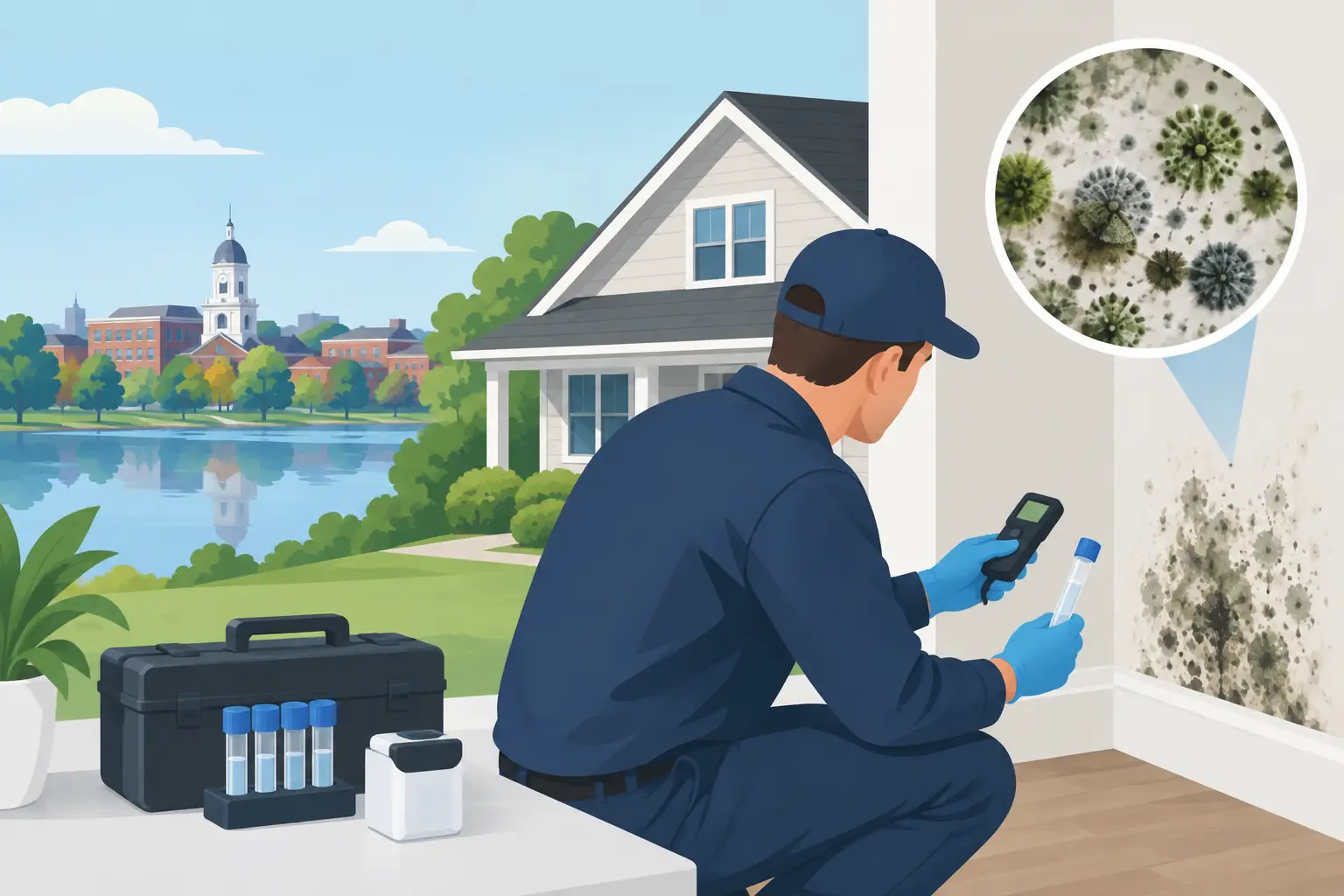
A musty smell in a finished basement, staining near a bathroom ceiling, or a recent plumbing leak can change how you look at a property. Mold testing Westerville Ohio gives buyers, homeowners, and property managers a clearer picture of whether a moisture concern is isolated, active, or likely affecting indoor air quality.
The goal is not to create alarm over every dark mark or normal seasonal allergy symptom. It is to identify facts, locate the conditions that support mold growth, and help you make a sound decision about repairs, cleanup, or further evaluation. For a buyer facing a tight inspection window or an owner protecting a long-term investment, that clarity matters.
When Mold Testing Westerville Ohio Is Worth Scheduling
Mold requires moisture, a food source, and time. Because common building materials such as drywall, wood framing, paper-faced insulation, and carpet backing can hold moisture, the underlying water source matters as much as the visible growth.
Testing is often a practical next step after a roof leak, pipe failure, sump pump backup, appliance leak, foundation seepage, or flooding event. It can also be appropriate when a room has a persistent musty odor, occupants notice symptoms that improve when they leave the building, or discoloration appears around windows, vents, ceilings, or exterior walls.
For a real estate transaction, testing may be valuable when an inspector finds evidence of past or current moisture but the full extent is not visible. A freshly painted basement wall, for example, may look clean while moisture readings, thermal imaging, or odor point to a condition that deserves closer attention. Testing helps move the conversation beyond guesswork before contingency deadlines close.
Not every situation requires sampling. If there is obvious, extensive mold growth and the moisture source is known, the priority may be correcting the water intrusion and consulting a qualified remediation professional. A thorough inspection can help determine whether testing will add useful information or simply confirm what is already apparent.
What a Mold Assessment Can Reveal
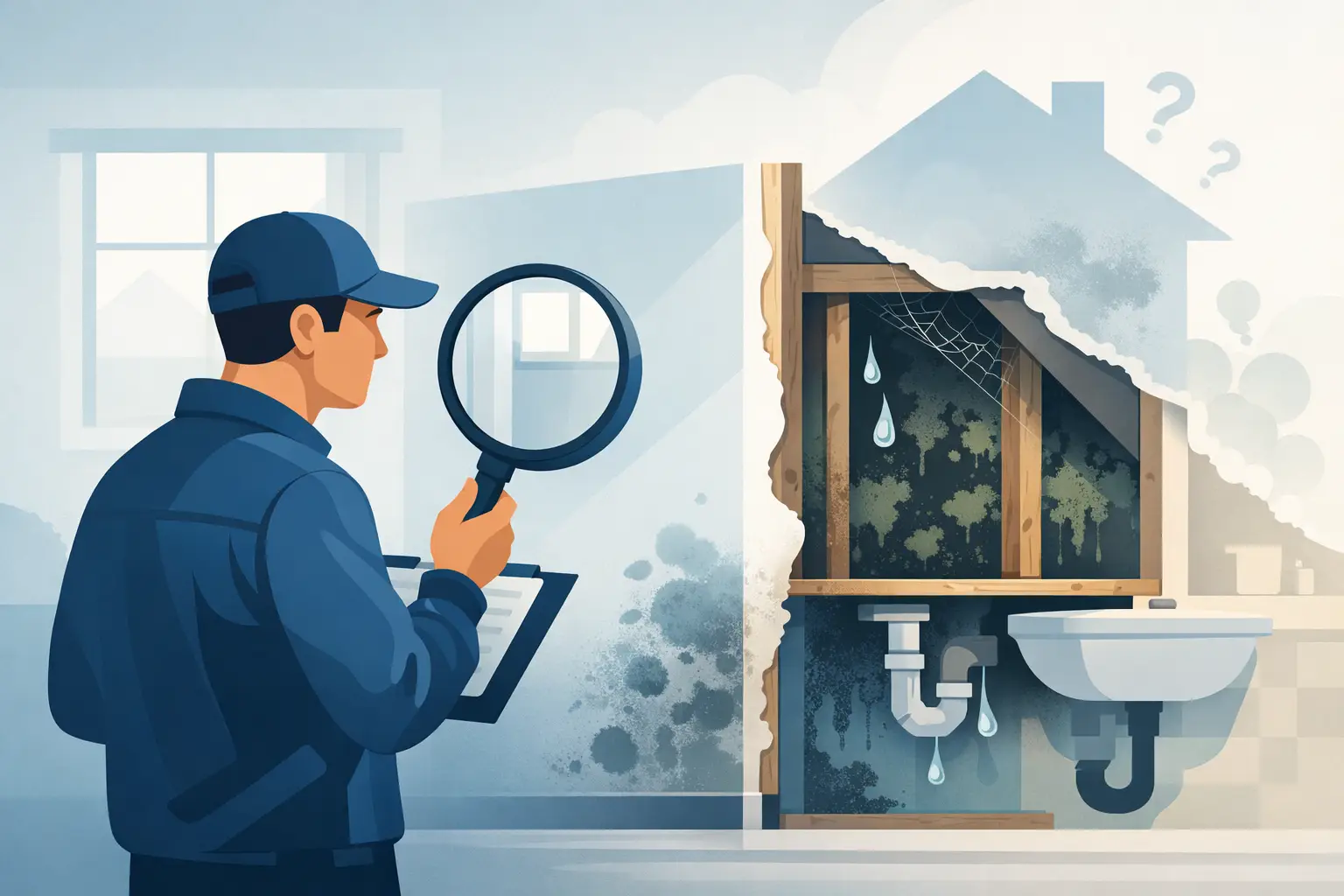
A professional mold assessment should start with the building, not just a sample. The inspection process considers the history of leaks, ventilation, humidity, drainage, and materials affected. It also looks for areas where water can travel out of sight, including below sinks, behind finished walls, around HVAC equipment, in attics, and along foundation walls.
Air Samples Provide a Snapshot
Air sampling compares the types and relative levels of airborne particles in one area with an outdoor control sample or another relevant area of the property. This can help identify whether an indoor space has conditions that differ meaningfully from the outdoor environment.
An air sample is a snapshot, not a permanent score for the house. Results can be influenced by weather, open windows, cleaning activity, HVAC operation, and the location of hidden growth. That is why sample results should always be interpreted alongside visible conditions, moisture findings, and the property’s history.
Surface Samples Help Identify Suspect Material
When a visible stain or growth-like substance is present, a surface sample may help identify what is on that material. This can be useful when deciding whether a spot is consistent with mold or when documenting a specific concern for a seller, contractor, insurer, or property file.
Surface results do not show how much mold may be present behind a wall or elsewhere in the structure. They answer a narrower question about the location sampled. The right method depends on what the inspection finds and what decision you need to make.
Moisture Detection Finds the Cause
Mold testing is most useful when paired with a moisture investigation. Advanced tools such as moisture meters and thermal imaging can help identify temperature differences and moisture patterns that may not be visible during a walkthrough. Those findings can point toward a leaking supply line, poor bathroom exhaust, condensation, roof intrusion, or water entry at the foundation.
Testing without addressing moisture is only half the job. If the water source remains, the conditions for future growth remain too.
Areas That Deserve Extra Attention
Westerville homes include a wide mix of older properties, newer construction, finished basements, and additions. The age and style of a home do not determine whether it has a mold concern, but they can influence where an inspector looks first.
Basements deserve careful attention because below-grade walls can be affected by drainage problems, foundation cracks, failed sump systems, and elevated humidity. A finished basement can conceal dampness behind drywall, flooring, or stored belongings long before a homeowner sees staining.
Bathrooms and laundry rooms are also common concern areas. Small plumbing leaks, loose toilet seals, inadequate exhaust, and frequent condensation can create a recurring moisture pattern. In attics, roof leaks and poor ventilation may lead to staining on sheathing or insulation. Around windows, condensation or flashing issues can affect adjacent drywall and framing.
Commercial spaces have their own risks. Flat roofs, large HVAC systems, tenant improvements, plumbing runs above ceiling tiles, and periods of vacancy can allow water damage to go unnoticed. For investors and commercial property stakeholders, a focused assessment can support repair negotiations and maintenance planning before a small issue disrupts operations.
Testing, Remediation, and Repair Are Different Jobs
Property owners often hear the word “mold” and assume one company should handle everything. In some cases, separating assessment from remediation offers a useful layer of independence. The party evaluating the condition can document findings and recommend next steps, while a remediation contractor can develop a cleanup scope based on those findings.
Remediation is not simply spraying a product on a stained surface. Effective work usually involves correcting the moisture source, removing or cleaning affected materials as appropriate, controlling dust and spores during the work, and drying the area thoroughly. The appropriate scope depends on the amount of affected material, the location, the type of occupancy, and whether contamination may have spread beyond the visible area.
There are trade-offs. Testing adds cost and may not be necessary for a small, clearly defined issue that can be safely repaired. But skipping evaluation can be costly when water has traveled behind finished materials, when a buyer needs documentation, or when an unexplained odor persists after visible repairs. The strongest choice is the one based on the evidence at the property.
What to Expect From a Professional Visit
A useful mold and air quality evaluation begins with your questions. Be ready to share when you first noticed the issue, whether there was a known leak or flood, what repairs have occurred, and which rooms are affected. Photos from the time of the event can also be helpful, especially if the area has since been cleaned or repainted.
The inspection should include a visual review of accessible areas, moisture-focused diagnostics where conditions warrant, and a discussion of whether air or surface samples will answer the question at hand. If samples are collected, they are sent for laboratory analysis. The final findings should explain what was tested, where samples were taken, what the results mean in context, and what next steps are reasonable.
For time-sensitive property decisions, coordination matters. Flinn Inspection Group can incorporate mold and air quality testing into a broader inspection strategy, helping clients evaluate visible conditions, moisture risks, and other major systems without managing multiple unrelated appointments. Same-day inspection reports also help keep the larger transaction moving while specialized sample results are pending.
Protect the Property Before the Problem Grows
If you suspect a moisture issue, avoid covering it with paint, running fans into unaffected areas, or disturbing large visible growth before the condition is evaluated. Document what you see, limit unnecessary exposure, and correct active leaks as quickly as possible. If water is present, prompt drying is often the most effective way to limit damage.
A property should not leave you guessing about what is behind a musty odor, a damp wall, or a recent water event. The right assessment gives you a defensible starting point, so you can protect your health, your transaction, and the investment you worked hard to secure.