by Flinn Inspections
Share
by Flinn Inspections
Share
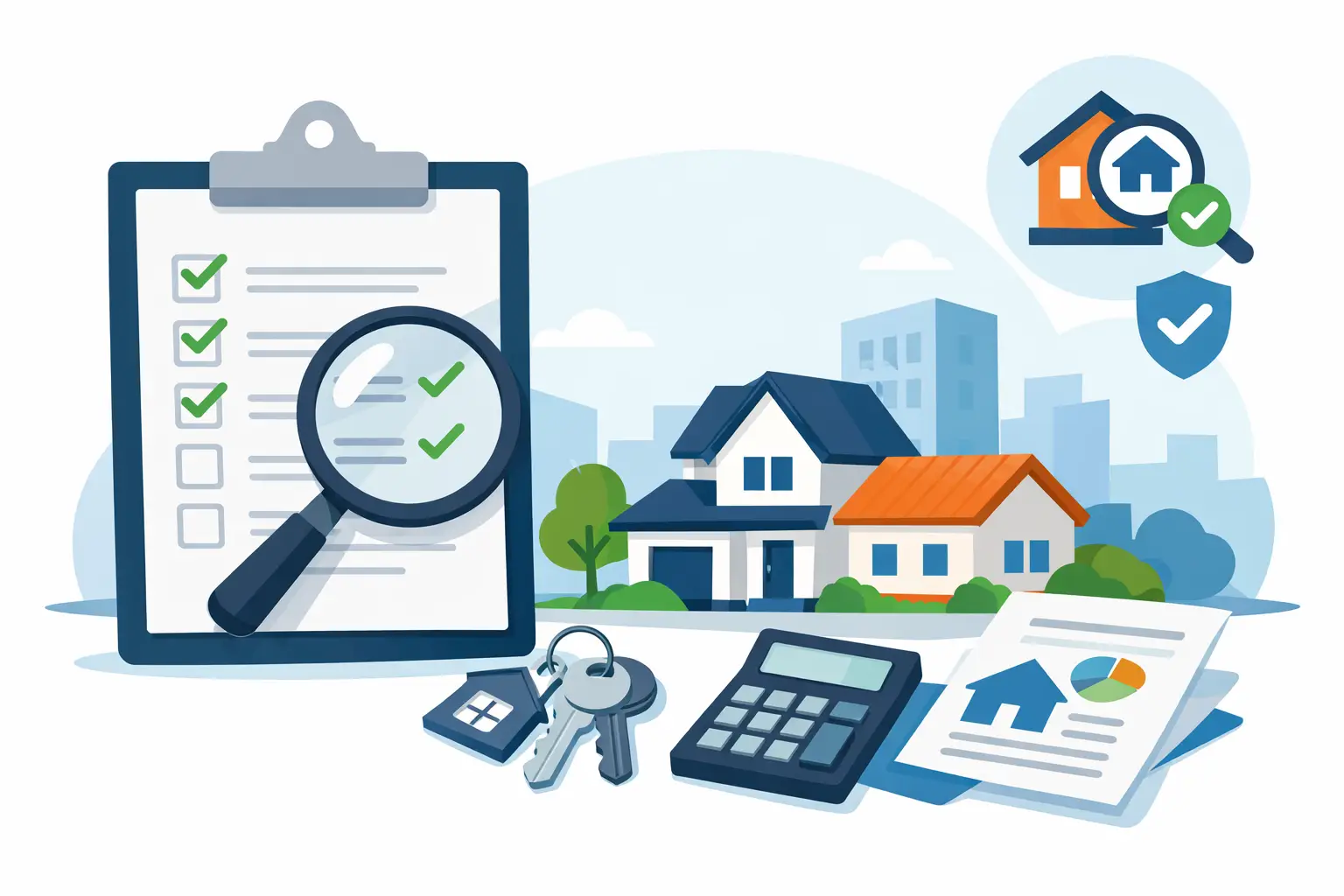
A property can look rent-ready during a quick walkthrough and still carry thousands of dollars in deferred maintenance behind the walls, under the floor, or at the end of its service life. An investor property inspection checklist gives you a disciplined way to separate cosmetic opportunities from conditions that can damage cash flow, delay a closing, or create a safety issue for future tenants.
For investors, the goal is not to find a flawless property. It is to understand the building’s condition, estimate the cost and urgency of repairs, and decide whether the purchase price, repair budget, and projected return still make sense. The right inspection process turns uncertainty into actionable information before your money is committed.
Why Investors Need a Different Inspection Approach
A traditional homebuyer may be focused on comfort, layout, and whether a repair feels manageable after move-in. An investor must evaluate the property as an operating asset. That means looking at current defects, future replacement costs, tenant safety, code-related concerns, and the likelihood that a small issue will become an expensive vacancy or emergency call.
A thorough inspection also helps establish priorities. A worn interior door may be a minor turnover item. An active roof leak, deteriorated main drain line, unsafe electrical panel, or aging furnace can affect negotiations, financing, insurance, and your timeline to lease or resell the property.
The level of inspection should match the investment strategy. A long-term rental requires close attention to durable systems and recurring maintenance. A flip may require deeper analysis of renovation scope, structural changes, and hidden conditions before construction begins. A newer home may still benefit from a focused inspection, especially when warranty coverage or incomplete construction is involved.
Investor Property Inspection Checklist: Core Areas
Use the following checklist as a decision-making framework. A professional inspector can identify visible deficiencies, safety concerns, and signs that a specialized evaluation may be needed. The inspection findings should then be reviewed alongside contractor estimates, your renovation plan, and the property’s projected income.
Structure, Site, and Water Management
Water is often the most expensive problem in real estate because it can affect foundations, framing, insulation, finishes, and indoor air quality. Start outside. Observe the grading, gutters, downspouts, drainage paths, retaining walls, exterior cladding, and visible foundation areas.
Look for standing water near the home, downspouts that discharge too close to the foundation, cracked or displaced walkways, settlement signs, damaged siding, and visible wood deterioration. In Central Ohio, seasonal freeze-thaw cycles, heavy rain, and older drainage systems can make water management especially relevant.
Foundation cracks are not all equal. Small hairline cracks may be typical in concrete, while horizontal cracking, significant displacement, persistent moisture intrusion, or evidence of past structural repair deserves closer evaluation. An inspection can identify the warning signs, but a structural engineer may be appropriate when conditions suggest movement or a repair decision depends on expert design guidance.
Roof, Attic, and Exterior Envelope
The roof protects every dollar you put into the property. Review the approximate age and visible condition of roofing materials, flashing, penetrations, gutters, soffits, fascia, chimneys, and attic ventilation. Missing shingles are easy to see. Less obvious concerns include damaged flashing, poor ventilation, aging sealants, and prior leaks that have stained attic sheathing.
Ask whether the roof has active leakage, limited remaining life, or repair needs that could interfere with insurance or financing. A roof does not have to be new to be serviceable, but its remaining life should be part of your capital expense plan. If the roof is near the end of its expected service life, price that replacement into the deal instead of treating it as a future surprise.
Electrical System and Safety
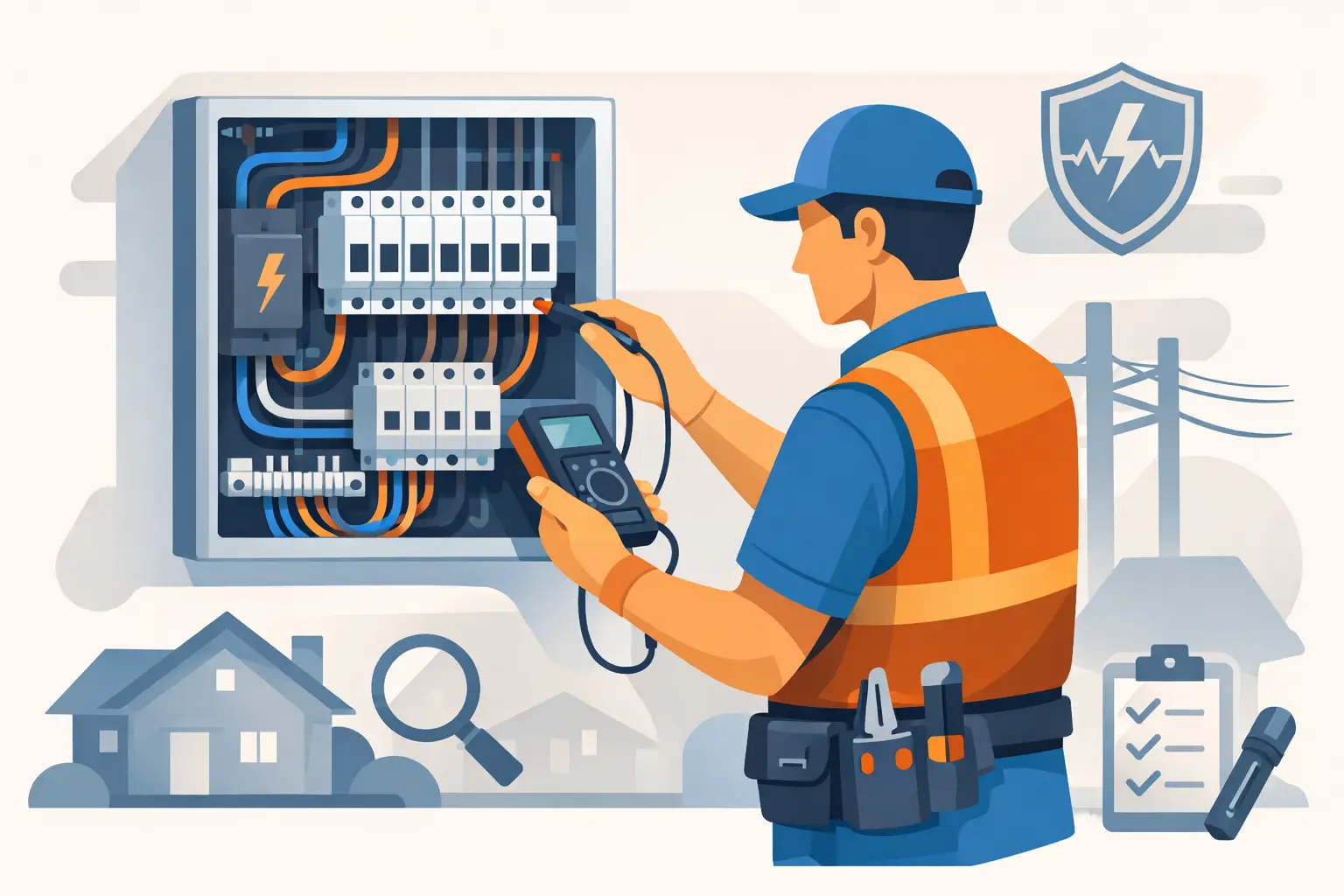
Electrical issues can range from a simple missing cover plate to conditions that create shock or fire risk. Your checklist should account for the service panel, visible wiring, grounding, outlets, switches, smoke alarms, carbon monoxide alarms, and signs of amateur modifications.
Pay special attention to outdated panels, double-tapped breakers, damaged conductors, open junction boxes, ungrounded outlets, and missing GFCI protection in applicable locations. Older Columbus-area homes may contain a mix of original wiring and later renovations, so consistency matters. A property with several generations of electrical work may require an electrician to determine the full scope and cost of corrections.
Plumbing, Water Supply, and Drainage
Plumbing defects can undermine a rental quickly. Inspect visible supply lines, drain piping, water heater condition, fixtures, shutoff valves, sump pump operation where present, and signs of leakage beneath sinks or around toilets. Check for slow drains, low water pressure, corrosion, water stains, and moisture at ceilings below bathrooms.
The visible plumbing inspection is only one part of the picture. A sewer camera scope can be a valuable addition for homes with older sewer lines, large trees, recurring drainage issues, or an unknown pipe history. Root intrusion, offsets, breaks, and deteriorated lines can turn an otherwise attractive acquisition into a major excavation project.
If the property uses a private well or septic system, arrange the appropriate water quality and septic inspections. Those systems require a different level of due diligence than a municipal connection, and assumptions can be costly.
HVAC, Fireplace, and Fuel-Burning Equipment
Heating and cooling affect tenant comfort, operating costs, and habitability. Identify the age, condition, and visible installation quality of the furnace, air conditioner, heat pump, ductwork, filters, condensate drainage, and thermostats. Note whether equipment is operating at the time of inspection, but remember that a functional system can still be approaching replacement.
For gas appliances, fireplaces, and fuel-burning equipment, safety should come first. Proper venting, combustion air, clearances, and gas connections matter. Advanced gas leak detection can help identify concerns that should be addressed immediately by a qualified professional.
Interior, Moisture, and Tenant-Ready Conditions
Interior finishes may be where your renovation budget starts, but they should not distract from what they reveal. Stained ceilings, peeling paint, warped flooring, musty odors, cracked tile, damaged drywall, and sticking doors can indicate moisture, movement, poor ventilation, or neglected maintenance.
For rental properties, document safety and durability concerns before focusing on cosmetic upgrades. Handrails, stairs, windows, egress points, bathroom ventilation, trip hazards, and loose fixtures deserve attention. If mold-like growth or persistent moisture is observed, further mold or air quality testing may be appropriate. The answer depends on the source, extent, occupant sensitivity, and your remediation plan.
Use Inspection Findings to Protect Your Numbers
A good report should not leave you with a vague list of defects. Sort findings into three practical categories: immediate safety or active damage concerns, repairs needed before occupancy or resale, and maintenance items to plan for over time. That prioritization helps you avoid treating a loose outlet cover and an active plumbing leak as if they carry the same risk.
Next, translate inspection findings into a realistic scope of work. Obtain contractor input for conditions outside the inspector’s scope, such as structural repairs, electrical corrections, roofing replacement, sewer repair, or HVAC replacement. Build a contingency into your budget, particularly for older homes or properties with limited maintenance records.
Inspection findings can support negotiations, but the best use of an inspection is better decision-making. Sometimes the right move is to request repairs or a price adjustment. Sometimes the numbers still work with a planned renovation. And sometimes the inspection reveals that the investment does not meet your risk tolerance. Walking away from an underperforming deal is a successful outcome when the information arrives before closing.
Add Services When the Property Calls for Them
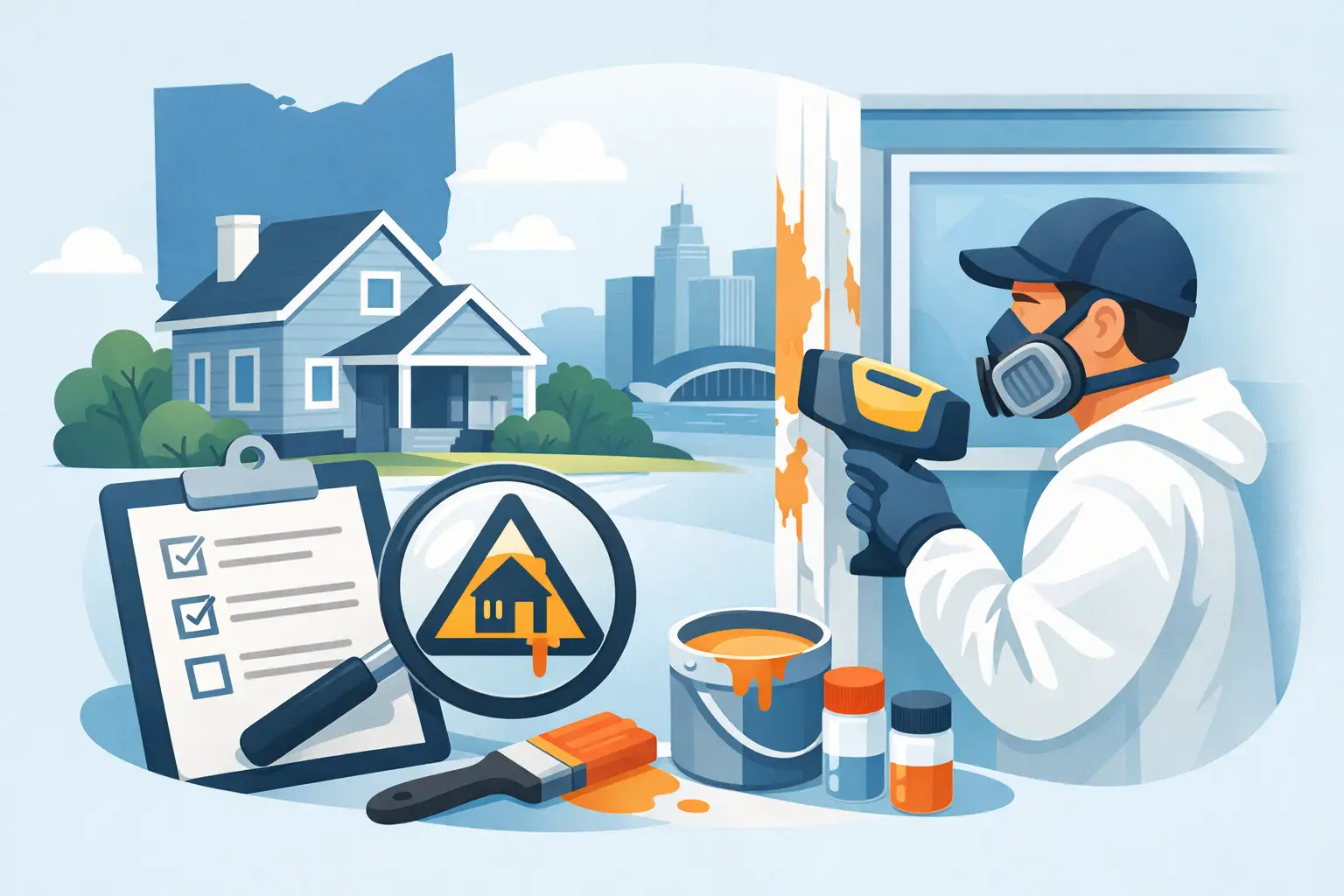
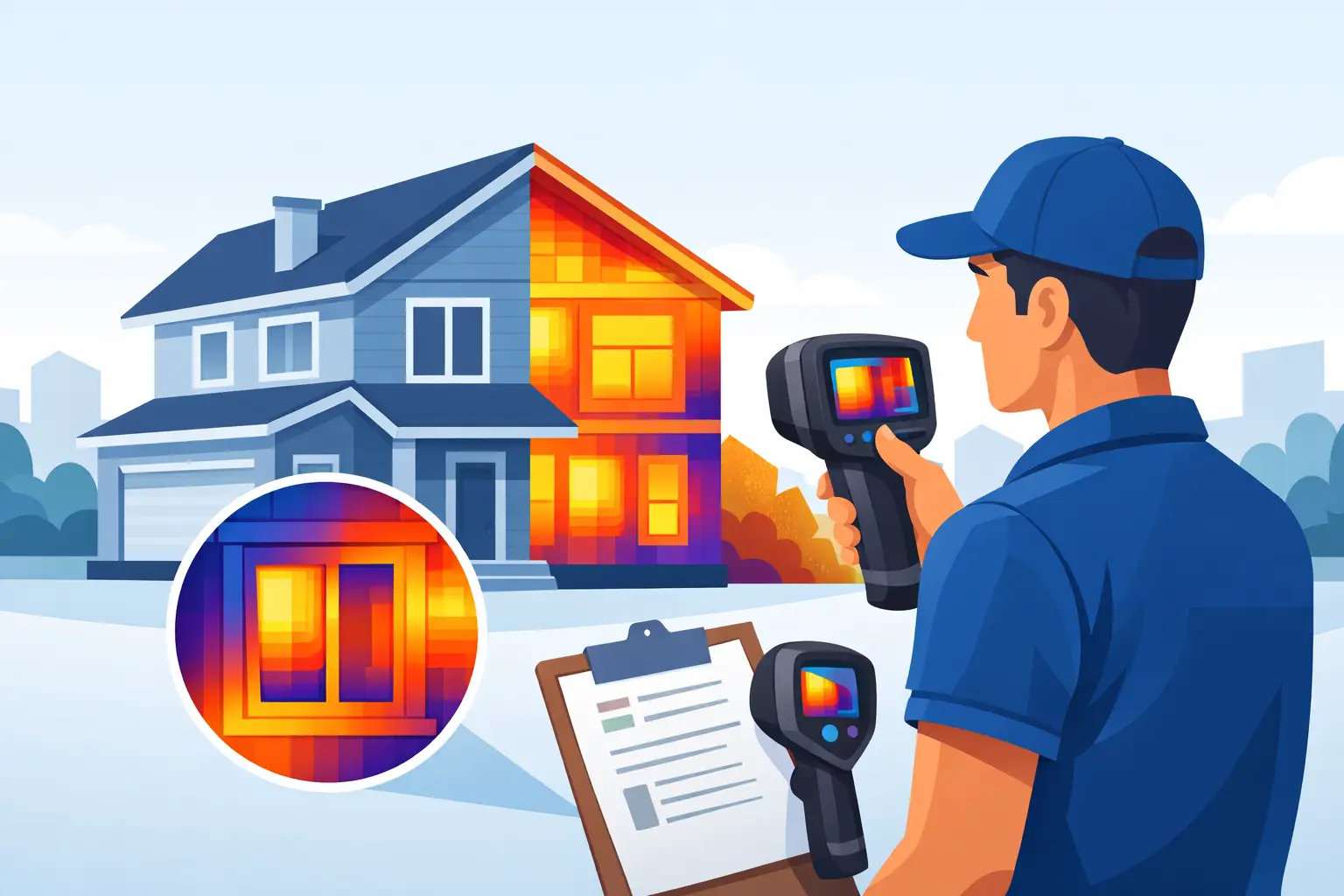
A general inspection is the foundation, not always the entire due diligence package. The property’s age, location, visible conditions, and intended use should guide additional services. Thermal imaging can help identify temperature anomalies and potential moisture concerns. Radon testing is a practical consideration for Central Ohio properties. Termite inspections, sewer scopes, mold testing, well water testing, septic inspections, pool inspections, and lead-based paint evaluations may also be appropriate depending on the home.
Bundling the right services can save time during a short inspection period and give you a more complete view of risk. It does not mean ordering every possible test for every property. It means selecting the services that answer the questions the property presents.
Make the Inspection Part of Your Acquisition System
The most effective investors use the same process on every serious prospect. Review disclosures and available repair records before the inspection. Attend when possible, ask focused questions about major systems and expected maintenance, then compare the final report against your purchase assumptions. Same-day reporting can be especially valuable when negotiation and contingency timelines are tight.
Flinn Inspection Group helps Central Ohio investors evaluate properties with comprehensive inspections, advanced diagnostic tools, and coordinated specialty services when the building calls for a closer look. The objective is straightforward: protect your investment with clear information before a manageable repair becomes an expensive surprise.
A property does not need perfection to produce a strong return. It needs a purchase decision grounded in its real condition, a repair plan that matches the numbers, and an inspection partner committed to examining every square foot with your investment in mind.