by Flinn Inspections
Share
by Flinn Inspections
Share
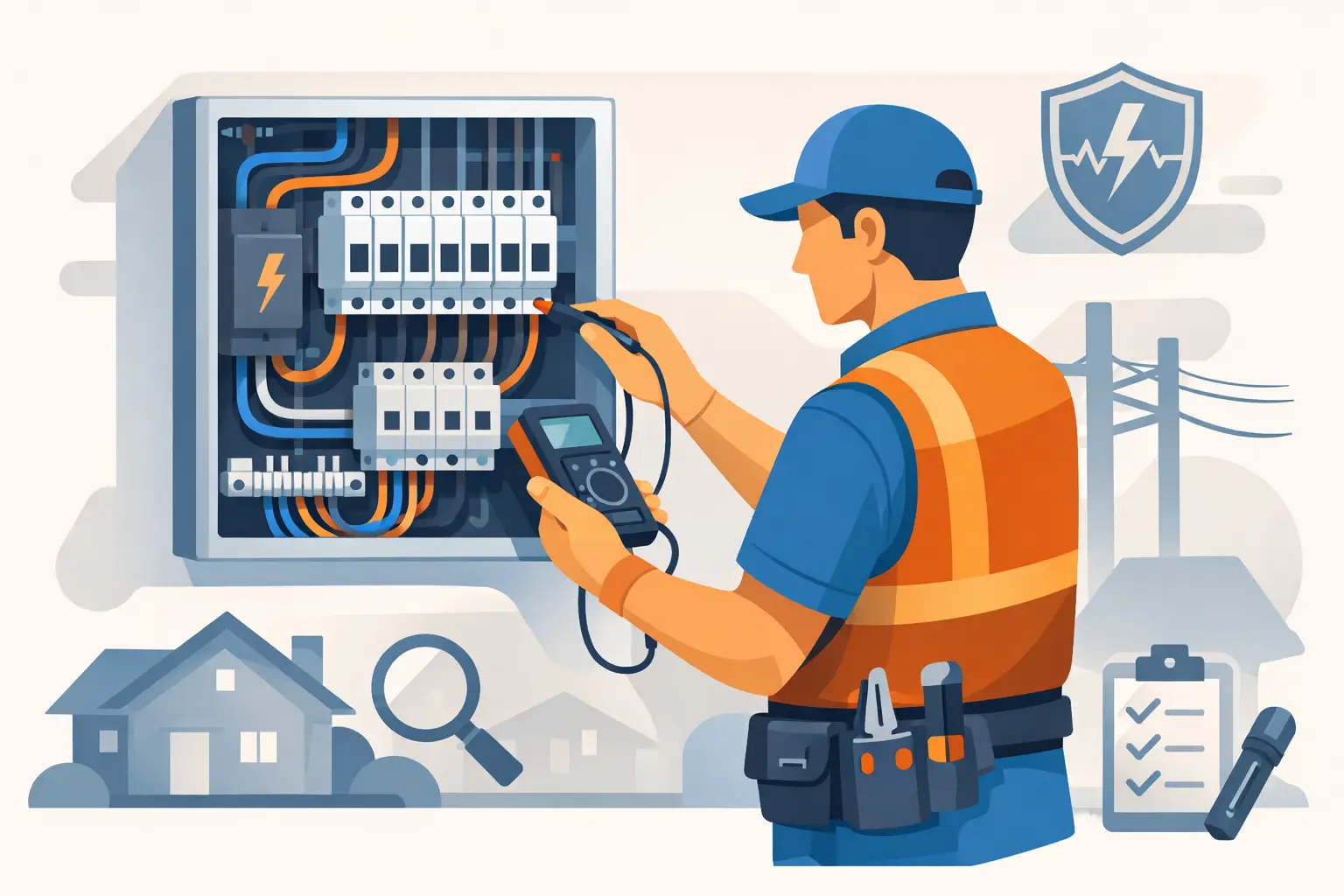
A clean-looking electrical panel can still conceal an expensive problem. Behind the cover are the components that distribute power to every outlet, appliance, HVAC system, and hardwired safety device in the property. Knowing how to assess electrical panels helps buyers, owners, and investors recognize warning signs before a small concern becomes a safety hazard, repair negotiation, or unexpected post-closing expense.
For a visual review, you do not need to touch internal components or remove the panel cover. In fact, that work should be left to a qualified electrician or a trained property inspector. What you can do is look closely, ask the right questions, and understand which findings deserve immediate attention.
How to Assess Electrical Panels for Safety and Capacity
Start by locating the main electrical panel. In Central Ohio homes, panels are commonly found in basements, garages, utility rooms, closets, or occasionally outdoors. Commercial properties may have larger service equipment, multiple distribution panels, or dedicated panels for equipment such as rooftop HVAC units.
The panel should be readily accessible, with a clear path in front of it. Electrical equipment is not meant to be blocked by shelving, stored boxes, furniture, or building materials. Limited access makes it harder to shut off power during an emergency and may indicate that routine maintenance has been neglected.
Next, review the panel door and labeling. A properly maintained panel generally has a readable circuit directory that identifies the areas or appliances served by each breaker. Labels such as “lights” or “outlets” are better than nothing, but specific descriptions are more useful: “kitchen counter receptacles,” “second-floor bedrooms,” or “garage GFCI.” Missing, inaccurate, or handwritten labels do not automatically mean the panel is unsafe, but they do make future troubleshooting more difficult.
Look at the main breaker rating, usually located at the top or bottom of the panel. The number shown – often 100, 150, 200, or more amps – reflects the maximum service capacity, not necessarily the amount of power the home is using at that moment. A 100-amp service may be adequate for a smaller home with standard gas appliances, while a larger home with electric heat, EV charging, a hot tub, or major workshop equipment may need more capacity.
Capacity is not just about square footage. It depends on the home’s equipment, electrical demand, and plans for upgrades. If you expect to add an electric vehicle charger, finish a basement, install a heat pump, or replace gas appliances with electric models, an electrician may need to perform a load calculation. That calculation provides a more reliable answer than simply looking at the number on the main breaker.
Visible Conditions That Deserve Attention
Without opening the panel, inspect the exterior condition. Rust, water staining, corrosion, melted plastic, a warped cover, scorch marks, or a persistent burning odor are not cosmetic issues. They can point to moisture intrusion, overheating, arcing, or deteriorated equipment. These conditions should be evaluated promptly by a licensed electrician.
Pay attention to breaker positions as well. A breaker that is sitting between the ON and OFF positions may have tripped. Do not repeatedly reset it, especially if you do not know why it tripped. A breaker can trip because of a temporary overload, but repeated tripping can also indicate a failing appliance, damaged wiring, or a more serious fault.
Panel manufacturers matter, too. Some older electrical panels have known histories of performance concerns, including certain Federal Pacific Electric, Zinsco, and Sylvania-Zinsco equipment. Identification alone does not prove active failure, and replacement decisions should be based on a qualified evaluation. Still, these panels warrant closer review during a real estate transaction because many electricians, insurers, and buyers consider them higher-risk equipment.
Also look for signs that the electrical system has been modified over time. Extra knockouts left open, missing cover screws, unprofessional wiring entering the panel, or a panel that appears undersized for the home’s additions can suggest prior work that needs further review. A finished basement, added sunroom, detached garage, or remodeled kitchen often increases electrical demand. The panel should reflect those changes rather than merely accommodate them through improvised solutions.
What a Professional Panel Assessment Includes
A professional inspection goes beyond what is visible from the panel door. During a standard home or commercial inspection, the inspector evaluates readily accessible electrical components and looks for conditions that may affect safety, function, or the property decision.
Depending on access and the inspection scope, this can include examining the panel interior, identifying the service type and breaker configuration, checking for loose or damaged conductors, observing grounding and bonding conditions, and noting signs of overheating or moisture. The inspector may also test representative outlets, GFCI and AFCI protection where applicable, and visible electrical fixtures throughout the property.
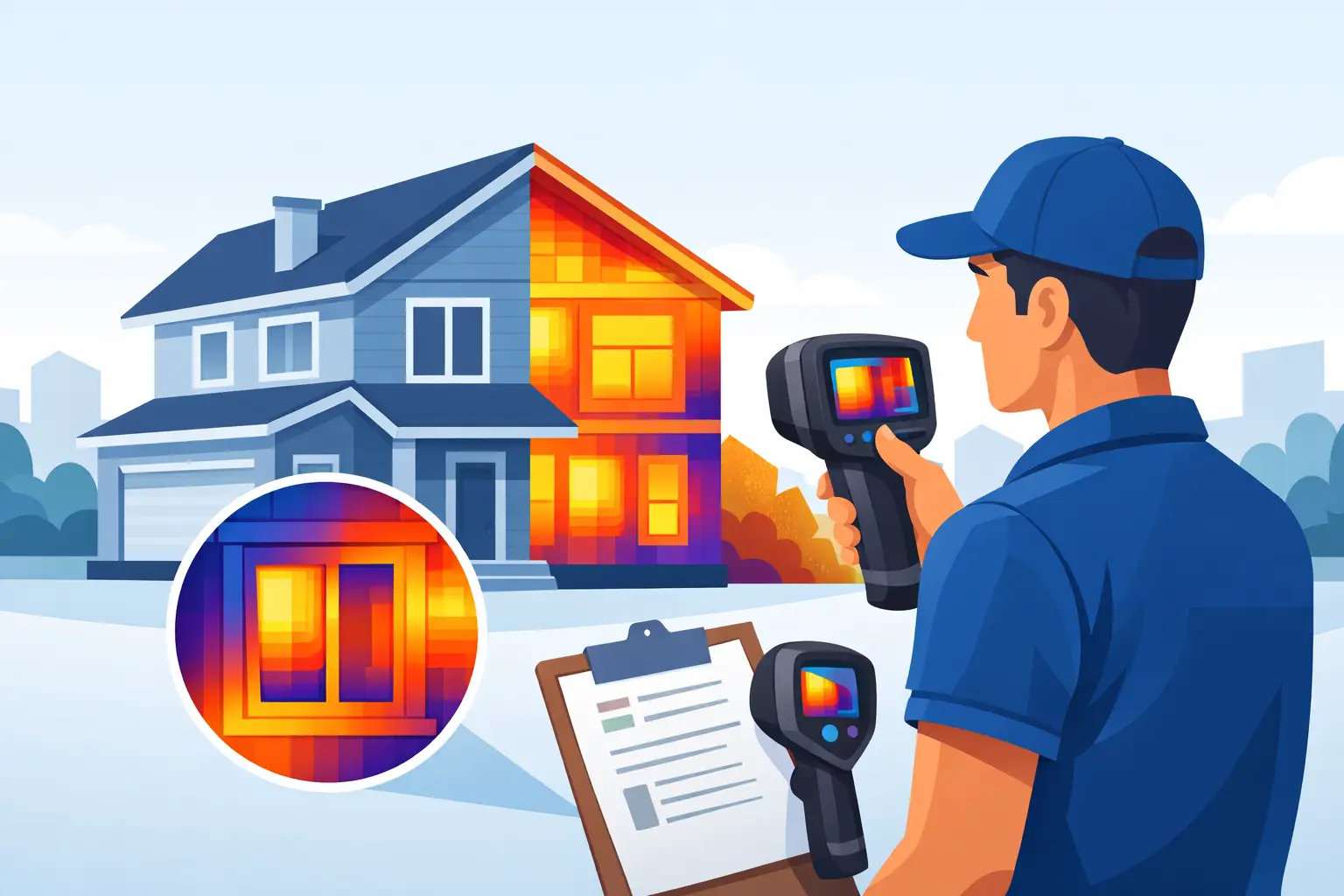
Thermal imaging can add useful context when conditions allow. An infrared scan may reveal abnormal heat patterns at breakers, conductors, or connections that are not obvious during a visual review. It does not replace electrical testing or guarantee that no issue exists, but it can help identify concerns that deserve an electrician’s attention before closing.
The goal is not to predict the life span of every breaker or certify every inch of concealed wiring. The goal is to identify material concerns, explain their likely significance, and give you a clear basis for your next step. That may mean requesting repair, obtaining an electrician’s estimate, planning for a future panel upgrade, or moving forward with a better understanding of the property.
When an Electrical Panel May Need an Upgrade
A panel upgrade is not automatically necessary because a property is older. Many older homes have safe, serviceable electrical systems when they have been properly maintained and updated. However, several conditions commonly justify further evaluation.
An upgrade may be appropriate when the service capacity is too low for the property’s current or planned demand, when the panel is full and cannot safely accept additional circuits, or when the equipment has damage or a known problematic history. Frequent breaker trips, flickering lights, warm outlets, or reliance on extension cords and power strips can also signal that the system is under strain.
It is also worth considering the age and type of wiring connected to the panel. Older homes may contain a mix of original and newer wiring. That is not necessarily a problem, but mixed systems require a careful assessment. Any evidence of aluminum branch-circuit wiring, knob-and-tube wiring, ungrounded receptacles, or amateur modifications should be reviewed by an electrician familiar with the appropriate repair options.
For investors, panel condition can affect more than repair costs. It can influence insurance availability, tenant safety, renovation planning, and the timeline for placing a property back on the market. For commercial buyers, service capacity and distribution equipment should be matched to the intended use of the space, not just the current tenant’s equipment.
Questions to Ask Before the Inspection Period Ends
If an electrical concern appears in an inspection report, ask whether it is a safety issue, a functional issue, or an improvement recommendation. Those categories matter. A missing circuit label may be a manageable maintenance item. Evidence of overheating, damaged equipment, or an unsafe panel type may require immediate professional evaluation.
Ask whether the issue appears localized or whether it may affect the broader electrical system. Find out if an electrician should provide a repair estimate before closing and whether the repair could require permit work. In a competitive transaction, clear information helps you decide whether to seek a credit, request repairs, adjust your renovation budget, or accept the property as-is with a defined plan.
Do not rely on a seller’s statement that the panel “has always worked fine.” Electrical defects can remain hidden until demand increases or a connection fails. A thorough inspection gives you a documented, objective assessment of what was visible and accessible on the day of the inspection.
A property’s electrical panel is not a detail to overlook because it is tucked away in a basement or utility room. It is a central part of the building’s safety and usability. Flinn Inspection Group helps Central Ohio clients identify visible electrical concerns, understand what they mean, and move forward with the confidence that comes from a thorough, education-driven inspection.