by Flinn Inspections
Share
by Flinn Inspections
Share

A house can look move-in ready during a 20-minute showing and still have a failing sewer line, an active roof leak, elevated radon, or safety issues hidden behind finished walls. A professional house inspection gives you a clearer view of the property before your investment becomes your responsibility. For buyers in Central Ohio, that clarity can protect both your negotiating position and your first years of ownership.
The goal is not to find a perfect house. Every property, including new construction, will have maintenance needs and minor defects. The goal is to understand the condition of the major systems, identify safety concerns, and know which findings require action now versus routine planning later.
What a House Inspection Should Cover
A comprehensive inspection evaluates the accessible, visible components of the property. That typically includes the roof, exterior, structure, foundation, basement or crawl space, attic, insulation, plumbing, electrical system, heating and cooling equipment, interior rooms, doors, windows, and installed appliances.
A thorough inspector does more than glance at these areas. They operate representative fixtures, test accessible outlets, look for signs of moisture intrusion, inspect visible structural components, and assess how systems are performing at the time of the inspection. Advanced diagnostic tools can add another layer of protection. Thermal imaging may reveal temperature patterns associated with missing insulation or concealed moisture, while gas leak detection can help identify a risk that cannot be seen.
An inspection is visual and noninvasive by design. Inspectors do not dismantle walls, move furniture, excavate soil, or predict exactly when a system will fail. That limitation does not make the service less valuable. It makes the report a practical decision-making document based on conditions present and accessible on inspection day.
Start With the Big-Risk Areas
Buyers often focus on cosmetic items first because they are easy to notice. A scratched floor or dated bathroom is visible. The more expensive concerns are often less obvious: water management, structural movement, electrical hazards, aging mechanical systems, and buried utility problems.
Roof, drainage, and moisture control
Water is one of the most destructive forces affecting a home. Your inspection should consider roof covering condition, flashing, gutters, downspouts, grading, foundation drainage, and visible signs of moisture at ceilings, walls, basement areas, and crawl spaces.
Not every stain means there is an active leak. Some stains are historic, and a qualified inspector will explain whether moisture readings, material condition, or surrounding evidence suggest a current issue. On the other hand, a small drainage concern can become a major foundation or mold problem if it has been ignored for years.
Foundation and structure
Cracks alone do not tell the entire story. Concrete can crack as it cures and settles, and many minor cracks are common. The concern rises when there are signs of displacement, repeated water intrusion, uneven floors, bowed walls, deteriorated supports, or doors and windows that no longer operate properly.
Central Ohio properties vary widely in age, soil conditions, and construction style. A house inspection should distinguish between typical aging and findings that warrant evaluation by a structural specialist. That distinction can prevent a buyer from overreacting to a cosmetic crack or overlooking a developing concern.
Electrical and fire safety
Electrical findings deserve prompt attention because they can involve shock or fire hazards. Inspectors look for visible issues such as improper panel conditions, missing covers, double-tapped breakers, outdated wiring concerns, unsafe receptacles, and missing GFCI protection where it is expected.
The inspection also checks readily accessible smoke and carbon monoxide alarm conditions. These devices are simple, but they are not optional details. A safe home begins with systems that reduce risks for everyone living in it.
Plumbing, sewer, and water quality
A plumbing inspection examines visible supply lines, drain lines, water heater condition, fixtures, and signs of leakage. It cannot see every pipe inside every wall, but it can reveal clues such as slow drains, active leaks, corrosion, poor water pressure, or evidence of prior repairs.
For older homes, homes with large trees, or properties with uncertain sewer history, a sewer camera scope can be one of the most valuable add-on services available. A standard inspection cannot see the buried lateral line that connects the home to the public sewer. Roots, offsets, breaks, and heavy deterioration in that line can lead to expensive repairs after closing.
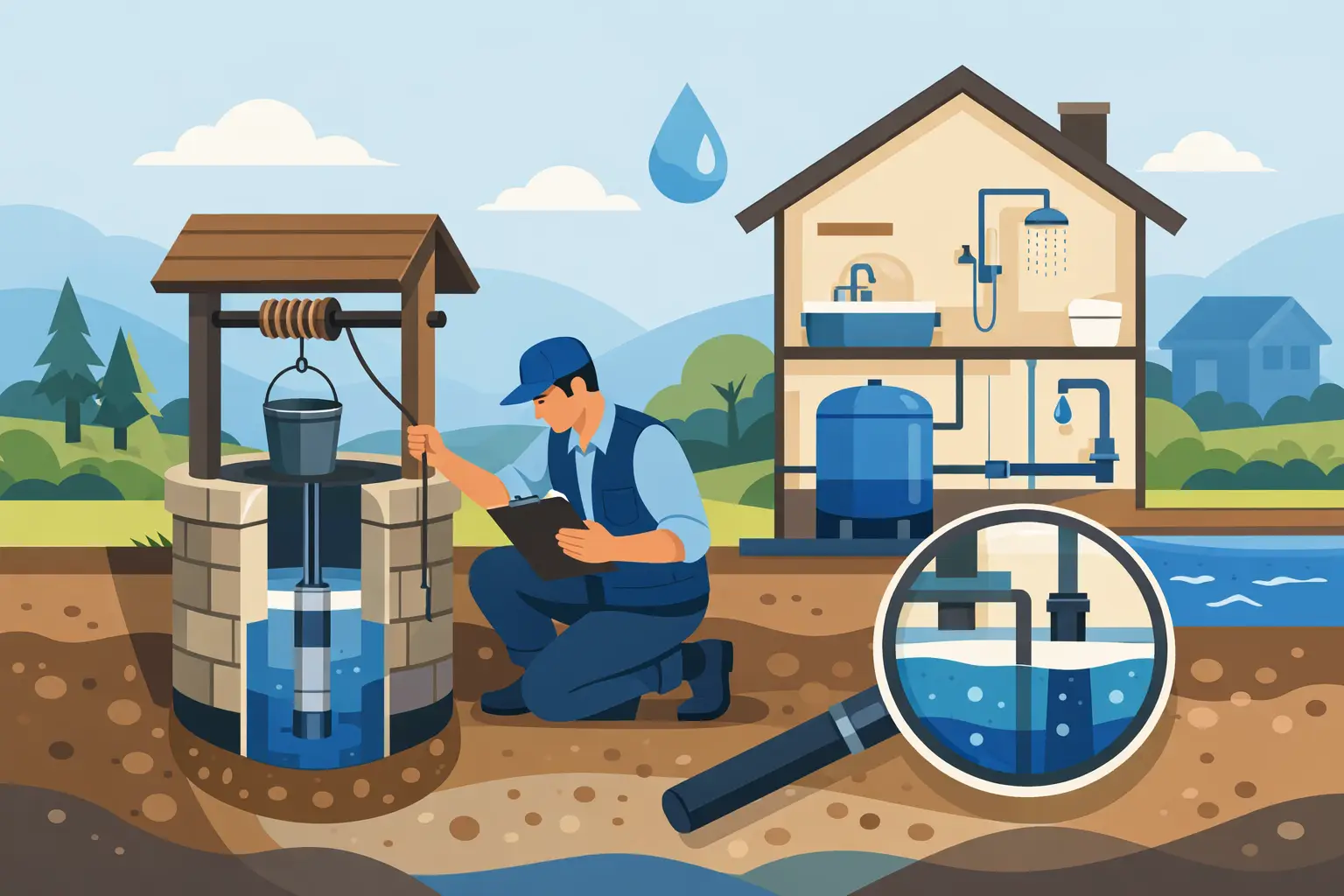
Properties with private wells or septic systems need a different level of review. Well water testing, FHA water quality testing when applicable, and septic inspections help buyers confirm that the systems serving the home are functioning and suitable for the property.
Heating, cooling, and insulation
A furnace or air conditioner may turn on during an inspection and still be near the end of its useful life. Inspectors assess visible condition, operation at the time of inspection, basic safety concerns, and installation issues. They do not promise remaining lifespan, but they can identify indicators of deferred maintenance, improper venting, damaged equipment, or performance concerns.
The attic matters here as well. Inadequate insulation, disconnected ducts, bathroom fans venting into the attic, and visible roof leaks can affect comfort, energy costs, and moisture conditions. These are often the details that explain why one room is difficult to heat or cool.
Choose Add-On Services Based on the Property
A one-size-fits-all inspection package can leave gaps. The right services depend on the house, its age, location, utility setup, and your plans for the property.
Radon testing is especially relevant in Central Ohio. Radon is an odorless radioactive gas that can enter through soil and accumulate indoors. You cannot judge radon risk by the condition of the house or by whether a neighbor’s test was low. Testing is the only way to know the level in the home you are buying.
Termite inspections can identify evidence of wood-destroying insects or conditions that make activity more likely. Mold and air quality testing may be appropriate when there is a history of moisture, visible suspect growth, unexplained odors, or health-related concerns. Fireplace, pool, asbestos, and lead-based paint inspections are also situational services that can provide needed answers before closing.
New homes deserve a tailored approach, too. A pre-drywall inspection can identify concerns before insulation and wall finishes conceal framing, plumbing, electrical, and mechanical components. A final new construction inspection and 11-month warranty inspection help homeowners document defects while the builder’s responsibility is still active.
How to Read the Report Without Getting Overwhelmed
A quality report should be detailed, clear, and supported with photographs. Same-day reporting is especially useful when your contract deadlines are moving quickly, but speed should not come at the expense of explanation.
As you review the findings, separate them into three practical groups: safety issues and significant defects, repairs that should be addressed soon, and routine maintenance items. Your real estate agent can help you decide how to frame requests within the contract, while specialists can provide estimates when the scope of a repair needs clarification.
Do not assume every report item should become a seller concession. A house that has been lived in will have wear. The strongest negotiations focus on material defects, safety conditions, and repairs that were not apparent during the initial showing. The report is also valuable when you proceed without requesting repairs because it gives you a prioritized ownership plan.
Make the Most of Inspection Day
Attend the inspection if your schedule allows. Walking through the property with the inspector gives you context that a report alone cannot provide. You can see the shutoff valves, electrical panel, attic access, filters, and maintenance points that will matter after closing.
Bring questions, but let the inspection process unfold. The best time for a detailed walkthrough is near the end, when the inspector can explain the most meaningful findings and show you where they are located. Take notes on maintenance priorities, not just deal-breakers.
For buyers and property owners who need broad coverage without coordinating multiple vendors, Flinn Inspection Group can combine core inspections with specialized testing and diagnostic services in one organized process. That approach helps protect deadlines while giving you a more complete picture of the property.
The right inspection does not make the decision for you. It gives you the facts to move forward with confidence, set realistic repair priorities, and protect the investment you worked hard to make.