by Flinn Inspections
Share
by Flinn Inspections
Share
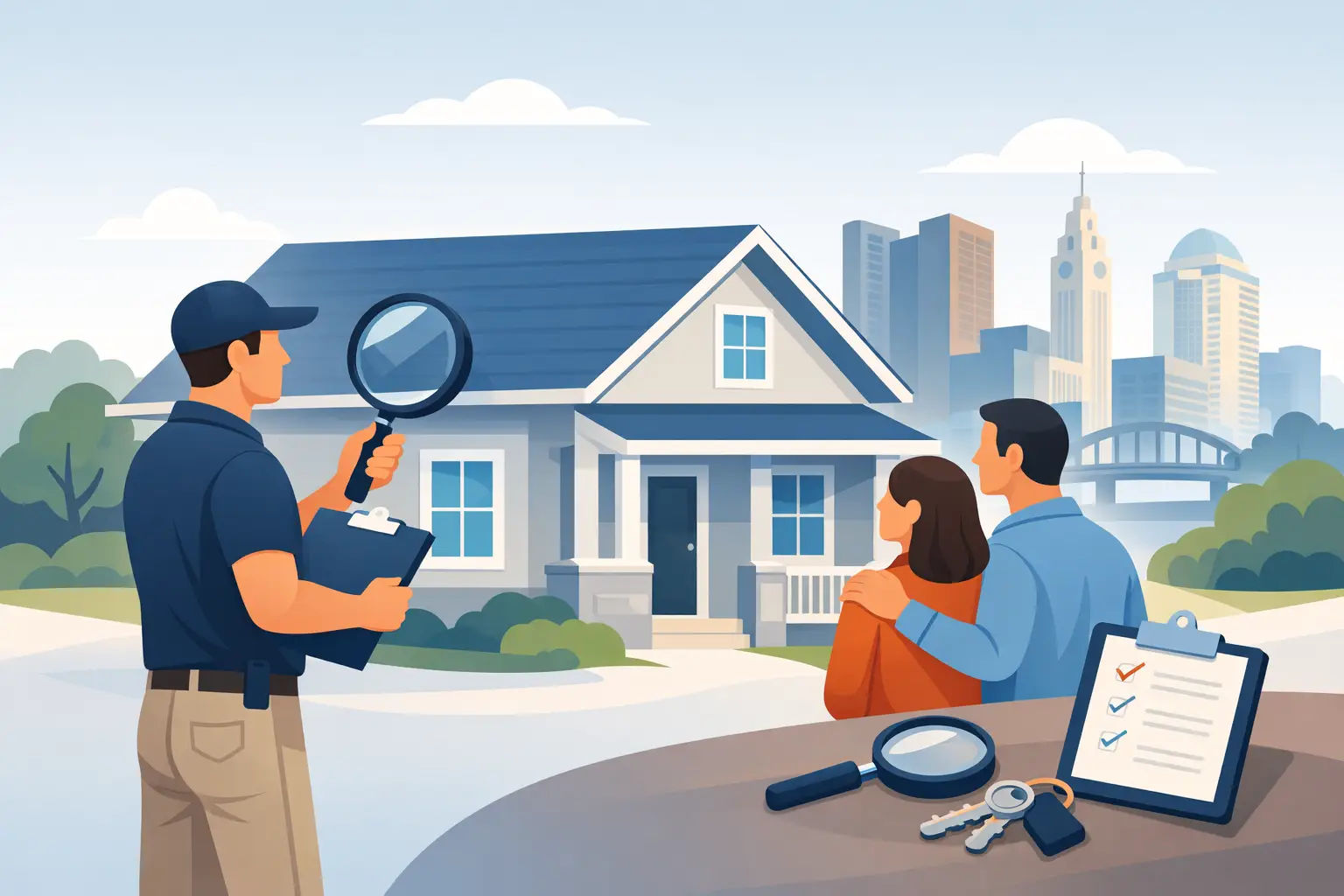
A Columbus home can look move-in ready at a showing and still have a damp basement wall, an aging sewer lateral, a recalled electrical panel, or a roof near the end of its service life. Those are not minor details when you are making one of the largest financial decisions of your life. Professional home inspections Columbus Ohio buyers rely on turn a quick walkthrough into a clearer picture of the property, its systems, and the costs that may follow.
A thorough inspection is not about trying to make a deal fall apart. It is about replacing uncertainty with facts. Whether you are purchasing a first home in Dublin, evaluating a rental in Columbus, or planning an 11-month warranty inspection on new construction in Powell, the right inspection gives you a practical basis for your next decision.
What a Full Home Inspection Should Tell You
A standard home inspection evaluates the accessible, visible components of a property. The goal is to identify material defects, safety concerns, signs of damage, and conditions that deserve further evaluation or repair. It also helps you understand how major systems are functioning at the time of the inspection.
A comprehensive inspection commonly reviews the roof, attic, exterior, foundation, structure, grading and drainage, garage, interior rooms, windows, doors, insulation, plumbing, electrical system, heating, cooling, and built-in appliances. Every property has a different story. A 1920s Columbus bungalow may raise questions about older wiring, drainage, or basement moisture. A newer home may reveal installation defects, missing insulation, or grading that directs water toward the foundation.
The most useful inspection report does more than list observations. It explains why an issue matters, where it was found, and what type of action may be appropriate. A loose handrail and a cracked heat exchanger do not carry the same urgency. Clear reporting helps clients separate immediate safety or water-intrusion concerns from routine maintenance items that can be addressed over time.
Why Central Ohio Properties Need Close Attention
Central Ohio weather puts homes through repeated freeze-thaw cycles, heavy rain, humid summers, and periods of deep cold. Those conditions can expose weak drainage, stress roof materials, contribute to basement moisture, and affect exterior finishes. A home that has performed well for years can still develop issues when water is not being managed properly around the structure.
Basements deserve particular attention in this market. Evidence of past moisture does not automatically mean a home has a serious foundation problem. It may point to a clogged gutter, a short downspout extension, poor grading, a failed sump pump, or an older drainage system. The distinction matters. An experienced inspector documents the visible evidence and helps you understand what should be investigated before closing.
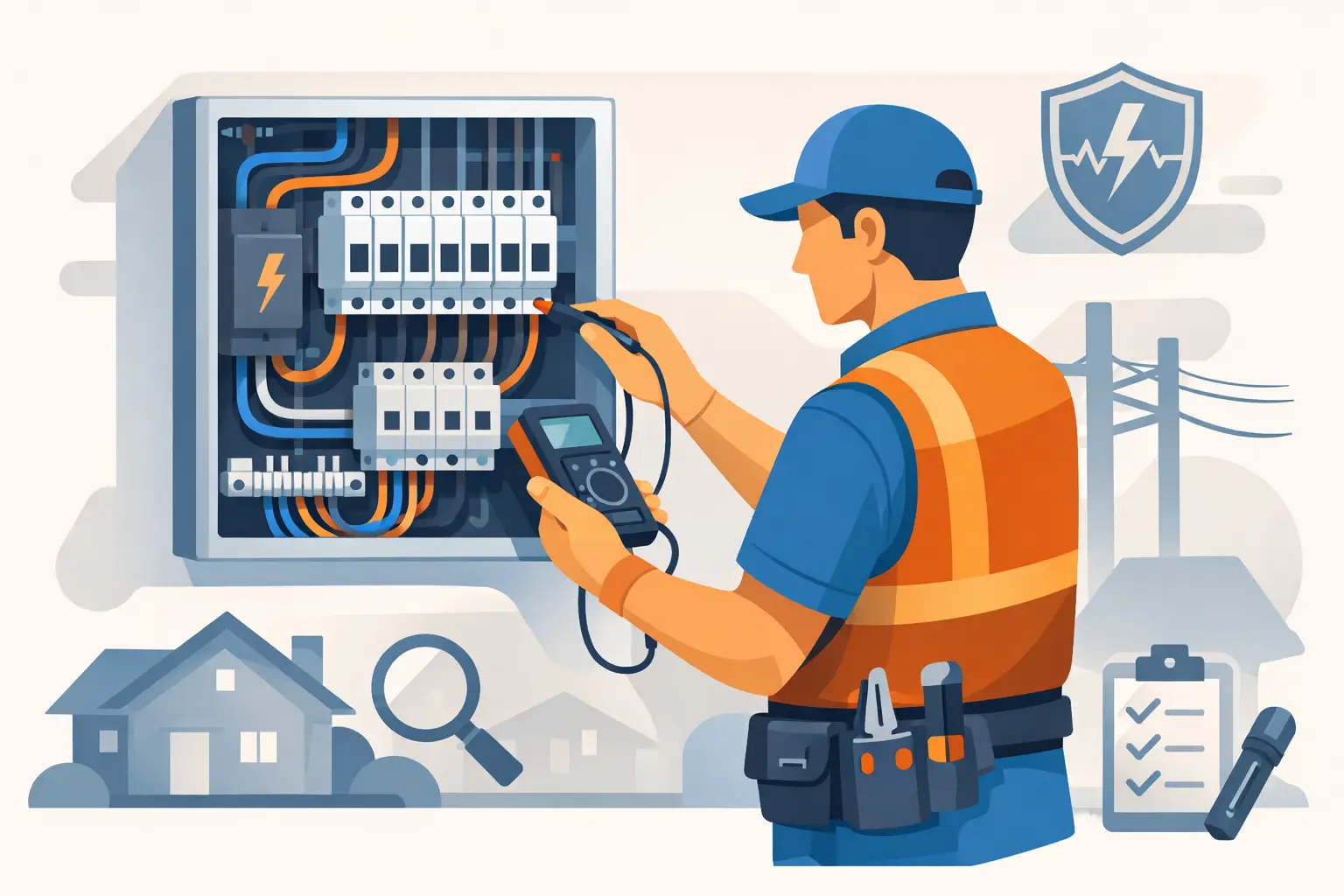
Heating performance is also more than a comfort issue during an Ohio winter. The age, condition, installation quality, and visible safety features of a furnace can affect both operating costs and household safety. The same is true for electrical systems. Older homes may have components that were acceptable when installed but no longer meet current expectations for safety or reliability.
The Add-On Services That Can Change Your Decision
A full home inspection is essential, but it cannot answer every question. Some conditions require specialized testing or diagnostic tools. Choosing the right additional services depends on the home, the transaction, and what the initial inspection reveals.
Radon testing is a smart consideration for many Central Ohio buyers. Radon is odorless and invisible, and the only way to know a home’s level is to test. A result does not tell you whether to walk away from a property. It tells you whether mitigation should be part of your planning or negotiation.
A sewer camera scope can be especially valuable for older homes, homes with mature trees, or properties where the history of the underground sewer line is unknown. Interior plumbing may drain normally during an inspection while a damaged, offset, or root-intruded sewer lateral remains hidden below ground. Repairing that line can be expensive, making a scope a useful part of due diligence.
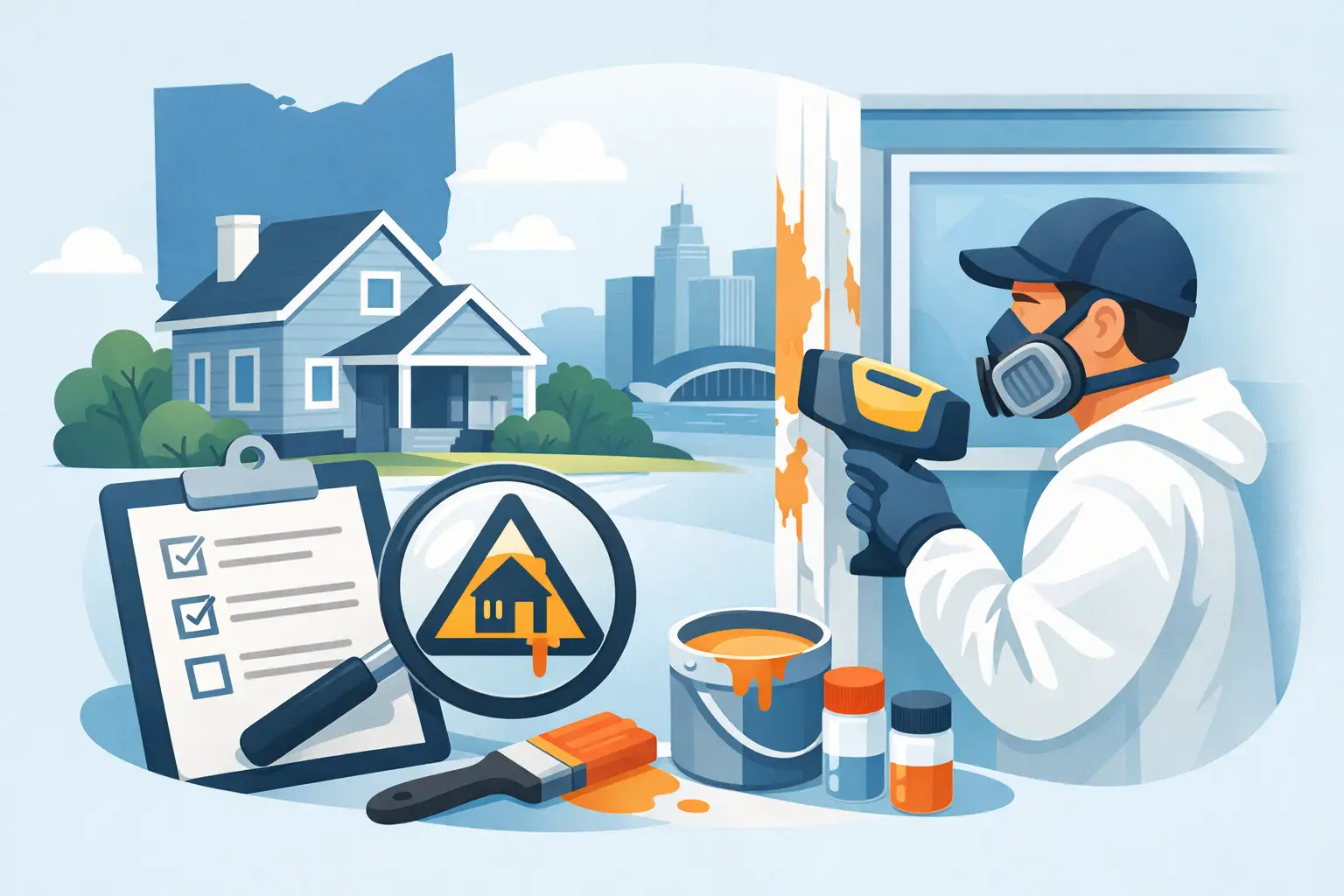
Termite inspections, mold and air quality testing, well water testing, septic inspections, pool inspections, fireplace inspections, and lead-based paint or asbestos inspections may also be appropriate. The right approach is not to order every possible service automatically. It is to match the inspection plan to the property’s age, utilities, features, and visible conditions.
Thermal imaging and gas leak detection can add another layer of protection when used by qualified professionals. Thermal imaging may reveal temperature patterns consistent with missing insulation, moisture concerns, or electrical hot spots. It does not see through walls or diagnose every hidden defect, but it can direct attention to areas that need closer review. Gas leak detection offers a critical safety check where gas appliances or piping are present.
How to Use Your Inspection Report Before Closing
The hours after receiving an inspection report can feel overwhelming, particularly for first-time buyers. A long report does not necessarily mean the home is a bad purchase. Even well-maintained homes have maintenance needs, and inspectors are trained to document conditions rather than minimize them.
Start by focusing on health and safety concerns, active water intrusion, structural conditions, major system failures, and repairs that could create substantial expense soon after closing. Then consider the home’s age and asking price. A 25-year-old roof is not unexpected on an older property, but its remaining life and current condition still matter to your budget and insurance planning.
Your real estate agent can help you decide how to proceed within the terms and timelines of your contract. In some cases, buyers request repairs or credits. In others, they accept manageable maintenance items and plan for them after closing. The inspector’s role is to provide objective information, answer questions about observed conditions, and help you understand the practical implications of the findings.
Same-day reporting is especially valuable in a competitive market. It gives buyers and agents time to review findings while inspection contingencies are still active, without sacrificing the detail needed for a sound decision. Bring your questions to the inspection when possible. Attending gives you the opportunity to see conditions firsthand and learn where shutoffs, panels, filters, and key systems are located.
Inspections Are Not Only for Homebuyers
A property inspection remains valuable long after the purchase is complete. Homeowners often benefit from an inspection before listing, before a major renovation, or as part of an annual maintenance plan. Finding a minor roof issue, drainage concern, or deteriorating exterior seal before it becomes a larger repair can protect the home and reduce disruption.
New construction also deserves independent review. Municipal code inspections are necessary, but they are not a substitute for a buyer-focused inspection. Pre-drywall inspections can identify concerns before walls are closed. Final new-construction inspections review accessible components before closing, while an 11-month warranty inspection can identify deficiencies to address with the builder before warranty coverage expires.
Investors may need a more focused assessment of a property’s highest-risk systems, repair exposure, and immediate habitability concerns. Commercial property owners face a different set of variables, including building systems, occupancy needs, and maintenance planning. In both cases, inspection findings can support a more accurate investment decision.
Choosing a Home Inspector in Columbus
Credentials, experience, and scope of service matter, but communication matters just as much. Look for an inspector who can explain findings in plain language, document conditions with clear photos, and remain available for questions after the report is delivered. The goal is not a report filled with technical language. The goal is clarity you can act on.
It also helps to work with a company that can coordinate core and specialized services rather than sending you to multiple providers after the inspection. Flinn Inspection Group provides comprehensive residential and commercial inspections, advanced diagnostic tools, specialized testing options, same-day reports, and a 90-day warranty to help clients move forward with confidence.
A home inspection cannot predict every future repair or examine areas that are inaccessible on inspection day. What it can do is give you a disciplined, professional assessment of the property as it stands now. Before you commit, ask the questions, test the systems that warrant closer attention, and make sure the home you choose is one you understand.