by Flinn Inspections
Share
by Flinn Inspections
Share
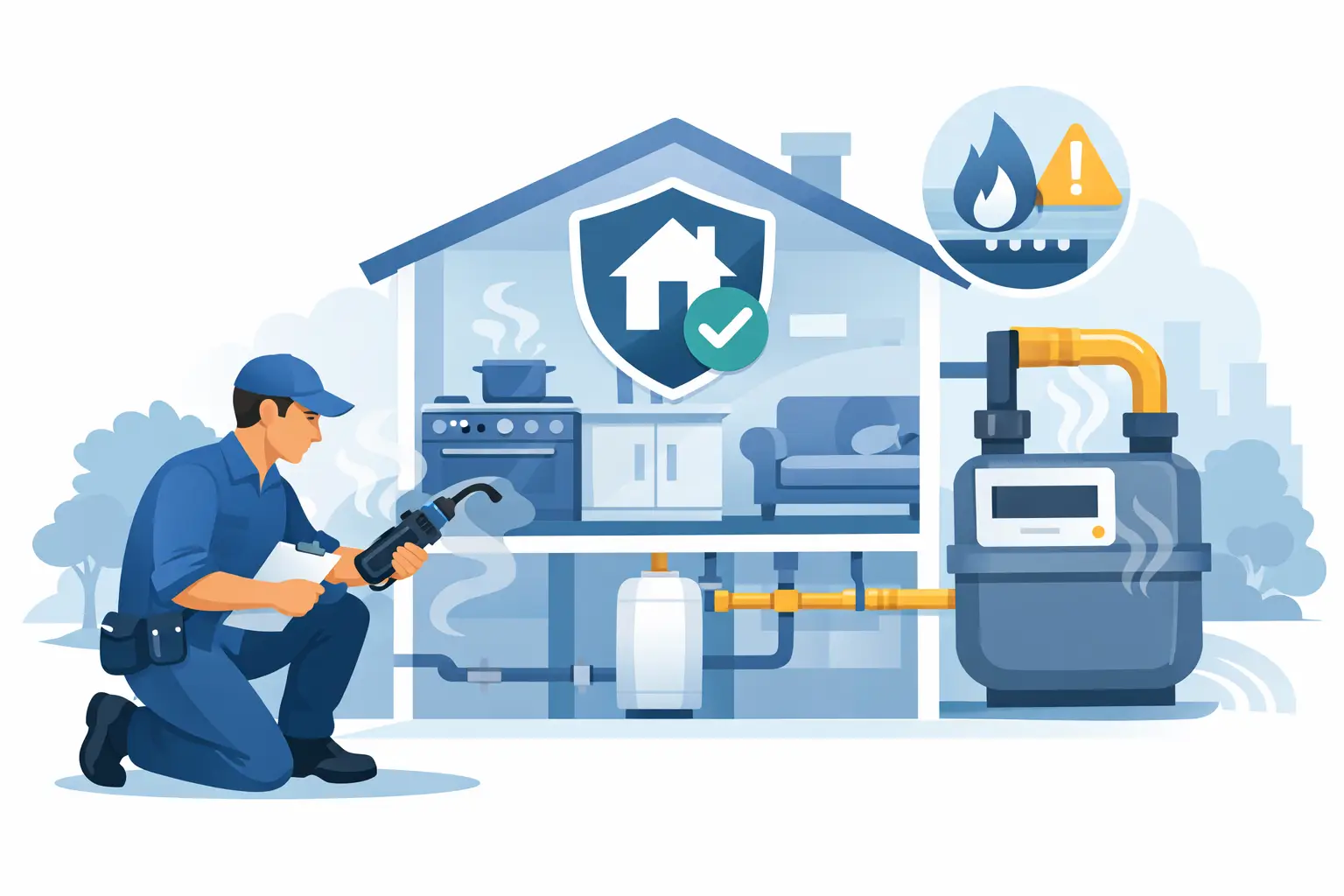
A gas leak is not a condition to watch, monitor, or troubleshoot on your own. It is a potential fire, explosion, and health hazard that demands the right response. A gas leak home inspection helps identify signs of leaking fuel gas around accessible appliances, piping, fittings, and connections so you can make an informed decision about the next step.
For buyers, that may mean avoiding an unexpected repair after closing. For homeowners, it may mean catching a deteriorating connector or loose fitting before it becomes an emergency. For investors and property managers, it provides useful documentation when evaluating a property’s mechanical systems. The goal is simple: protect the people in the building and the investment behind it.
What to Do if You Suspect a Gas Leak
If you smell the sulfur-like odor commonly added to natural gas, hear a hissing sound near a gas line or appliance, or believe gas may be escaping indoors, leave the building immediately. Do not turn lights, appliances, fans, or switches on or off. Do not use a phone inside the home, light a match, smoke, start a vehicle in an attached garage, or attempt to locate the source yourself.
Once you are safely away from the property, contact the gas utility or emergency services as appropriate. The utility can secure the supply and determine whether an emergency repair is needed. A home inspection is valuable for identifying concerns during a transaction or maintenance review, but it is not a substitute for emergency response.
What a Gas Leak Home Inspection Can Identify
Natural gas systems include more than the furnace. Depending on the property, gas may serve a water heater, range, fireplace, clothes dryer, pool heater, generator, outdoor grill connection, or other equipment. Each appliance connection is a possible point of concern, particularly in older homes, recently renovated properties, and houses where equipment has been replaced over time.
During an inspection, a qualified inspector evaluates accessible portions of the gas system for visible defects and conditions associated with leakage risk. This typically includes exposed gas piping, shutoff valves, unions, fittings, appliance connectors, sediment traps where applicable, and signs of corrosion, damage, or improper installation.
Electronic gas detection equipment can help locate combustible gas readings near accessible connections and components. This technology is especially useful because many leaks are too small to hear and may not produce a noticeable odor at the time of an inspection. It supports a more thorough review, but the results must be interpreted carefully. A detector reading points to a condition that needs attention. It does not replace repair by a qualified gas contractor or testing performed by the gas utility.
An inspection may also reveal installation issues that increase risk even when an active leak is not detected. Examples include an unsecured appliance connector, a connector routed through a wall or floor, inadequate clearance from heat sources, a missing shutoff valve, unsupported piping, or corrosion at a connection. These details matter because gas systems should be safe not only on inspection day, but throughout normal operation.
Warning Signs Around Gas Appliances
The familiar rotten-egg odor is the warning most homeowners recognize, but it is not the only sign. Odor can be faint, intermittent, or harder to notice in a large, ventilated, or unoccupied building. Some people also have a reduced ability to smell it. That is why visual and operational clues deserve attention.
Watch for damaged or corroded gas connectors, black soot around gas-fired appliances, unusually yellow burner flames, loose pipe joints, or dead vegetation above an exterior buried gas line. A furnace or water heater that appears improperly vented is not necessarily leaking gas, but it can indicate a combustion or venting concern that requires further evaluation.
Do not confuse a gas leak with a carbon monoxide issue. Natural gas is combustible, while carbon monoxide is a toxic combustion byproduct created when fuel does not burn or vent properly. Both are serious, and both can involve gas appliances, but they require different testing and corrective work. Working carbon monoxide alarms are essential, especially near sleeping areas and on every level of the home. They do not detect natural gas leaks.
Why Buyer Inspections Need More Than a Visual Look
A standard home inspection is a visual, non-invasive evaluation of readily accessible systems. It can identify many gas-related red flags, but it cannot guarantee that every concealed pipe, underground line, or intermittent leak is free from defects. Pipes may run behind finished walls, above ceilings, beneath slabs, or through areas that are inaccessible at the time of inspection.
That limitation should not discourage buyers from requesting gas leak detection. It should help them understand the value of it. A careful inspection can uncover accessible problems early, while the transaction still provides an opportunity to seek repairs, obtain contractor estimates, or make a more confident decision.
The need is particularly clear when a home has aging gas appliances, exposed black iron piping, an older flexible connector, evidence of recent remodeling, or a fireplace that has not been routinely serviced. Homes that have sat vacant can also deserve closer attention. Appliances may have been disconnected, shut off, moved, or left without regular maintenance.
For Central Ohio buyers, weather changes add another reason to look closely at heating equipment. Furnaces and fireplaces are often not operating at full demand during a spring or summer showing. A proper inspection can identify visible concerns before the first cold stretch puts the system under heavier use.
Thermal Imaging Helps, but It Does Not Detect Gas
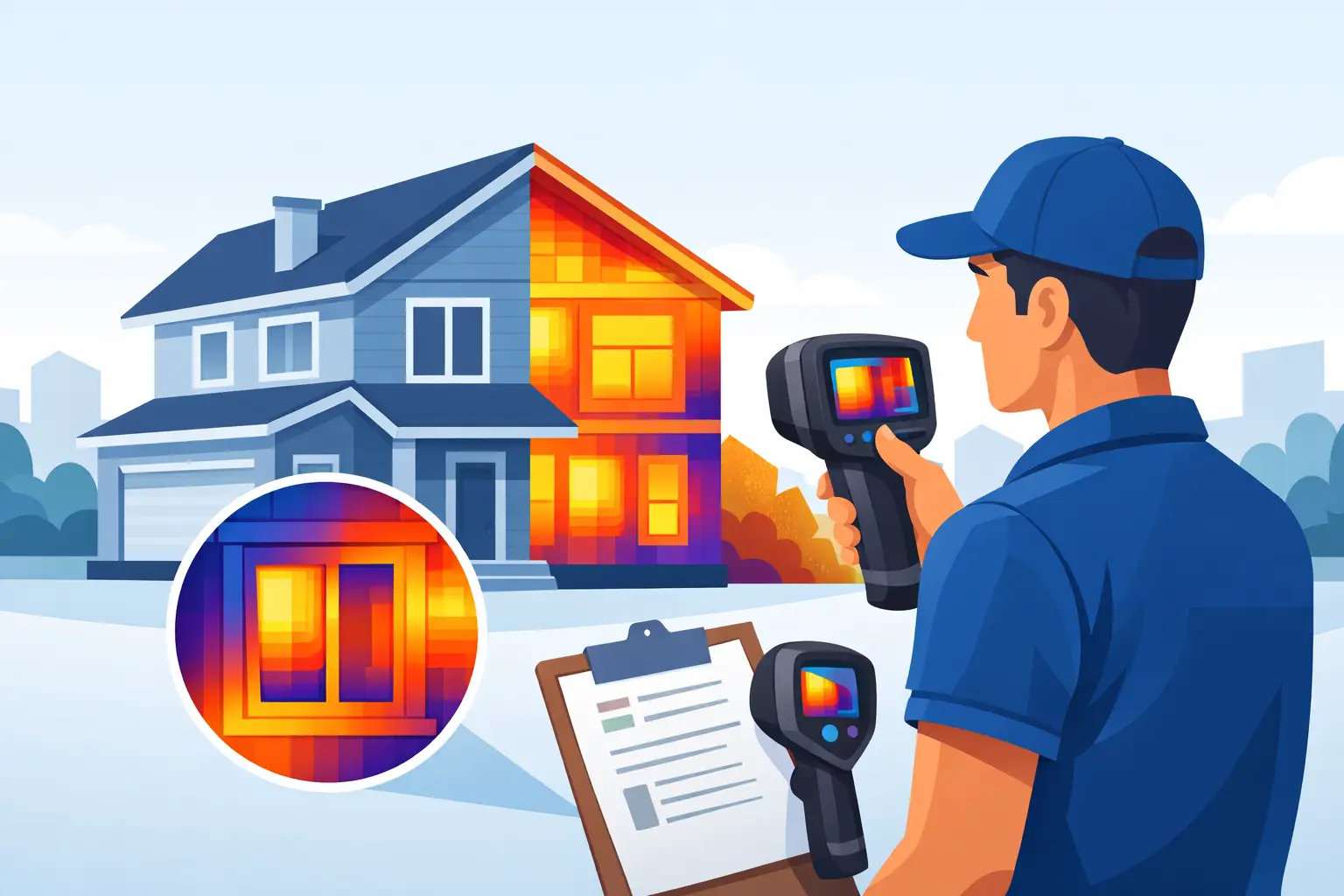
Thermal imaging is a powerful inspection tool, but it is often misunderstood. An infrared camera detects surface temperature differences. It does not see through walls, and it does not directly detect natural gas.
Used correctly, thermal imaging may help an inspector identify unusual temperature patterns around mechanical equipment, heating ducts, or combustion-related components. Those patterns can guide further evaluation. However, gas leak detection requires dedicated combustible-gas equipment and a trained inspector who understands where and how to evaluate accessible connections.
The best inspection approach uses the appropriate tool for the condition being evaluated. Thermal imaging, gas detection, visual assessment, and professional judgment each serve a different purpose. No single device can replace a complete review of the property’s systems.
When a Specialist Should Take Over
If an inspector identifies a suspected leak, damaged piping, an unsafe connector, or an appliance concern, the next step is usually evaluation and repair by a qualified licensed plumber, HVAC contractor, fireplace technician, or the gas utility, depending on the issue. The correct professional depends on where the concern is located and which appliance or system is involved.
A specialist may perform pressure testing, repair or replace fittings and piping, service an appliance, verify combustion performance, or restore service after the utility has shut off the gas. Buyers should ask for written repair documentation and, when practical, confirmation that the repaired system has been tested before closing.
There is a trade-off worth understanding. Requesting further evaluation can add time and cost to a real estate transaction. Ignoring a gas-system concern can create a much larger financial and safety exposure later. The right decision depends on the severity of the condition, the age and accessibility of the system, and whether a qualified repair professional can provide clear findings.
Practical Steps for Homeowners After the Inspection
Not every gas-related note is an emergency. Some items may be maintenance recommendations, while others need prompt professional repair. Your inspection report should distinguish between observed conditions and the recommended next action, giving you a practical path forward rather than a vague warning.
Keep gas appliances serviced according to manufacturer guidance, replace aging flexible connectors when recommended by a qualified professional, and make sure shutoff valves remain accessible. Avoid storing combustible materials near furnaces, water heaters, and gas-fired appliances. If you are planning a kitchen, basement, or fireplace renovation, confirm that any gas-line work is completed by the appropriate professional and permitted when required.
Flinn Inspection Group uses advanced gas leak detection as part of a thorough, education-focused inspection process because the details around a gas system deserve more than a quick glance. Whether you are buying in Powell, Columbus, Dublin, or elsewhere in Central Ohio, a clear inspection finding gives you the information to act before a small concern becomes a dangerous one.
A safe property decision starts with knowing what is present, what needs attention, and who should handle it. When a gas-system concern appears, choose caution, get qualified help, and protect the home before moving forward.