by Flinn Inspections
Share
by Flinn Inspections
Share
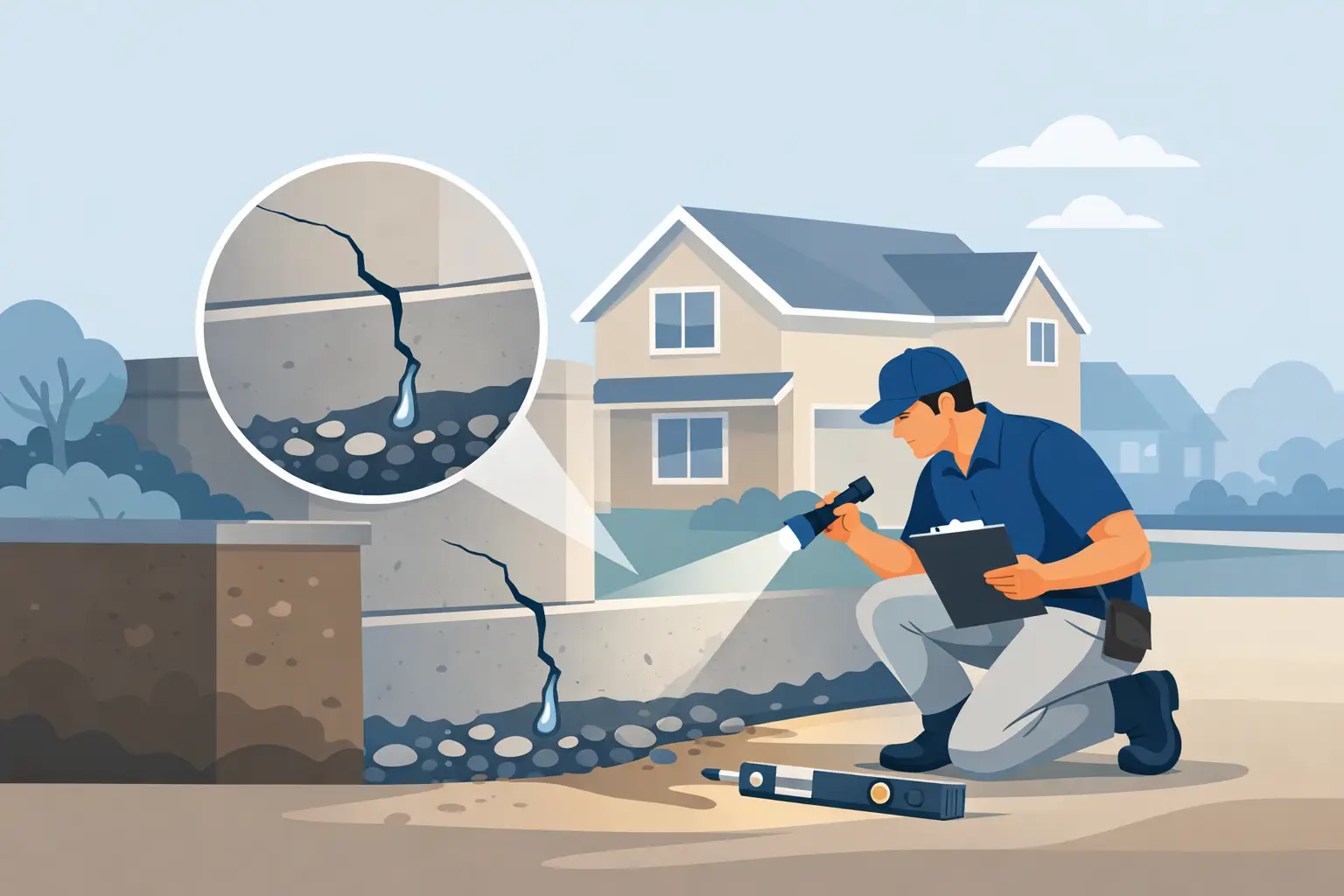
A hairline crack in a basement wall does not always mean major structural failure. But in Powell, where seasonal moisture swings, clay-heavy soils, grading issues, and construction details all affect performance, guessing is a risky way to protect a property. A foundation inspection Powell Ohio homeowners can rely on should separate cosmetic movement from conditions that deserve fast attention.
For buyers, that means knowing whether a home has a manageable repair item or a costly structural concern hiding behind finished walls. For current owners, it means catching movement, moisture intrusion, or drainage-related stress before damage spreads to floors, framing, windows, and interior finishes. For investors and commercial owners, it means making a clear decision with solid information instead of assumptions.
What a foundation inspection in Powell Ohio should actually cover
A real foundation inspection is not a quick glance at a crack and a vague opinion. It should evaluate the foundation as part of the larger building system. Movement rarely happens in isolation. Water management, soil conditions, framing loads, grading, gutters, downspouts, and even landscaping can all contribute to what you are seeing.
That is why a thorough inspection starts with the visible structure itself. Concrete block, poured concrete, slab, crawl space supports, beam pockets, piers, and settlement indicators all matter. Inspectors should look for horizontal cracking, step cracking in masonry, bowing walls, displacement, signs of prior patching, efflorescence, water staining, and evidence that the structure is taking on pressure or moisture over time.
Inside the home, the pattern matters just as much as the symptom. Uneven floors, doors that bind, windows that do not latch correctly, drywall cracks over openings, trim separation, and sloping transitions can all help tell the story. One isolated issue may be minor. Several related symptoms in the same area often point to a larger condition that deserves closer review.
Exterior conditions matter too. Poor grading that pitches toward the home, short downspout extensions, standing water near the foundation, hardscape settlement, and tree roots can all increase stress on below-grade walls or slab edges. In many cases, the most useful part of the inspection is not just identifying the symptom, but identifying why it is happening.
Why foundation concerns show up in Central Ohio homes
Powell properties deal with real environmental factors that can affect foundation performance. Soil expansion and contraction can create movement over time, especially when drainage is inconsistent. Heavy rains can saturate soil around the home, while dry periods may cause shrinkage. That cycle alone can create visible changes from season to season.
Newer homes are not automatically exempt. In fact, newer construction can present its own issues if grading was rushed, backfill settled unevenly, drainage planning was weak, or early signs of movement were covered by finishes before the home fully cycled through wet and dry seasons. Older homes, on the other hand, may show a longer history of moisture intrusion, structural repairs, or repeated patchwork that needs to be evaluated in context.
This is where experience matters. Not every crack is structural. Not every slope means settlement. But not every problem announces itself with dramatic failure either. The value of the inspection is accurate interpretation.
When to schedule a foundation inspection Powell Ohio buyers and owners can benefit from
The right time depends on your situation, but there are a few common moments when a foundation inspection makes immediate sense.
If you are buying a home and notice wall cracks, uneven floors, basement moisture, or signs of prior repairs, schedule the inspection before you remove contingencies or move too far into negotiation. Foundation conditions can affect repair costs, lender requirements, and your confidence in the purchase.
If you already own the home, do not wait for obvious damage to grow. Schedule an inspection when you see recurring basement seepage, widening cracks, sticking doors and windows, sloping floors, chimney separation, or exterior grading that seems to be causing repeated water issues.
For newer homes, a foundation review can also make sense before the builder warranty period ends. Small movement issues sometimes show up within the first year as the structure settles and the site goes through changing weather conditions. Catching those concerns before warranty deadlines can make a major difference.
Investors often benefit from combining a foundation inspection with other services when timelines are tight. Structural concerns and moisture concerns frequently overlap, which is why having one inspection partner who can assess the broader condition of the property can save time and reduce surprises.
What inspectors are really trying to determine
At the core, a foundation inspection answers three practical questions. First, is the condition cosmetic, typical, or potentially structural? Second, is the problem active, stable, or impossible to confirm without monitoring? Third, what surrounding factors are contributing to it?
Those distinctions matter. A small shrinkage crack in poured concrete may need simple monitoring or sealing. A horizontal crack in a block wall with inward movement is a different conversation. Slight floor variation in an older home may be long-standing and serviceable. Fresh drywall cracking combined with door misalignment and exterior settlement can suggest recent movement.
Good inspection work is about pattern recognition, not alarm. Clients need clear findings, context, and the next right step. Sometimes that means maintenance and monitoring. Sometimes it means correcting drainage quickly. Sometimes it means referral to a structural engineer or foundation repair specialist for design or repair pricing. Honest reporting protects the client either way.
Tools and methods that add real value
A visual inspection is the foundation of the process, but advanced tools can make the assessment more useful. Moisture detection can help identify whether water intrusion is contributing to deterioration or mold risk in below-grade areas. Thermal imaging may help reveal hidden moisture patterns that are not obvious on finished surfaces. Measuring floor slope and documenting crack patterns can also support better decision-making over time.
This is especially important when the basement is finished or when prior repairs have covered visible evidence. Hidden conditions are part of why fast, surface-level opinions can miss the bigger issue. Thorough inspections protect clients by looking beyond the most obvious symptom.
That broader approach is one reason many buyers and owners prefer working with a company that can evaluate structure, moisture, drainage, and related systems together. If the basement shows signs of water entry, the foundation should not be viewed separately from grading, gutter discharge, air quality concerns, or possible concealed damage.
What happens after the inspection
A strong report should tell you what was found, where it was found, how significant it appears based on visible conditions, and what action makes sense next. That action should be practical. You do not need vague language or inflated fear. You need usable information.
For some properties, the recommendation may be as simple as extending downspouts, correcting grade, sealing openings, and monitoring crack changes. For others, the report may support negotiating repairs during a real estate transaction or budgeting for additional evaluation. In more serious cases, prompt structural consultation may be the most responsible path.
Speed matters too. Real estate decisions do not pause while everyone waits days for answers. Same-day reporting can be a real advantage when inspection findings affect negotiations, repair requests, or whether to move forward at all.
Choosing the right inspection partner
If you are scheduling a foundation inspection, look for an inspector who treats the issue with the seriousness it deserves but does not jump straight to worst-case language. You want technical competence, clear communication, and a process built around protecting your investment.
That means asking whether the inspection includes the surrounding conditions that affect the foundation, whether advanced tools are used when needed, how quickly reporting is delivered, and whether the company can also evaluate related risks in the same visit. A foundation concern often connects to moisture, drainage, crawl space conditions, or indoor air quality. Coordinated service is not just convenient. It can lead to a more complete diagnosis.
For clients in Powell and across Central Ohio, that level of thoroughness is what turns an inspection into a decision-making tool instead of a checkbox. Flinn Inspection Group approaches these evaluations with that standard in mind – every square foot, every time, with clear findings clients can act on.
If something about your floors, walls, basement, or grading has raised a question, trust that instinct. The best time to address foundation concerns is usually before they become more visible, more expensive, and harder to untangle from the rest of the property.