by Flinn Inspections
Share
by Flinn Inspections
Share

A home inspection report can contain dozens of observations, but not every item carries the same weight. The most useful example home inspection findings explain what was observed, why it matters, and what should happen next. For a buyer facing a Central Ohio closing date, that difference turns a long report into a clear decision-making tool.
A professional inspection is not a pass-or-fail test. Homes of every age have maintenance needs, and even a well-kept property can have hidden concerns behind a finished wall, beneath attic insulation, or within a mechanical system. The goal is to identify material defects, safety concerns, and conditions that deserve budgeting or further evaluation before you take ownership.
Example Home Inspection Findings and What They Mean
The wording in an inspection report should be direct enough to support action. A useful finding describes the location, condition, potential consequence, and recommended next step. These are common examples buyers and homeowners may see.
Roof covering near the end of its service life
An inspector may report that asphalt shingles show widespread granule loss, curling, exposed fasteners, or previous repairs. This does not always mean the roof is actively leaking on inspection day. It does mean the roof may be approaching replacement and should be monitored or evaluated by a qualified roofing contractor.
The real concern is not just the cost of shingles. A compromised roof can allow water into the attic, insulation, ceilings, and wall cavities. In Ohio, repeated freeze-thaw cycles can accelerate deterioration around roof penetrations, flashing, and gutters. If the roof is older and its condition is questionable, buyers should budget realistically rather than assume a few cosmetic repairs will solve the issue.
Improper grading or drainage at the foundation
A report may note that soil slopes toward the home, downspouts discharge too close to the foundation, or gutters are clogged or missing extensions. These conditions often look minor, but water management is one of the most important parts of protecting a structure.
Water that repeatedly collects near the foundation can contribute to damp basements, mold growth, efflorescence, deterioration of masonry, and movement in certain soils. The recommendation may be as straightforward as extending downspouts and regrading soil. However, if there are water stains, active seepage, cracks, or musty odors in the basement, further evaluation may be appropriate. The correct repair depends on whether the issue is surface drainage, a failed drainage system, a plumbing leak, or a larger foundation concern.
Cracks in foundation walls or masonry
Not all cracks signal structural failure. Small vertical cracks in poured concrete can result from normal settling or shrinkage. Wider cracks, horizontal cracking, stair-step cracks in block or brick, bowing walls, or evidence of past movement deserve greater attention.
A thorough report should avoid guessing beyond visible evidence. It may recommend review by a qualified structural professional when the crack pattern, size, displacement, or moisture evidence indicates a possible concern. Buyers should also look for related signs, such as sticking doors, sloping floors, separated trim, or recurring water intrusion. One crack alone may be manageable. A pattern of movement changes the conversation.
Electrical conditions that create a safety risk
Common electrical findings include missing cover plates, open junction boxes, double-tapped breakers, improperly grounded outlets, outdated panels, exposed wiring, or evidence of amateur repairs. These issues vary widely in severity. A missing cover plate is a simple safety correction, while overheating at a panel or damaged wiring can require prompt attention from a licensed electrician.
Older Columbus-area homes can have electrical systems that were expanded over decades. That does not automatically make them unsafe, but additions and renovations should be evaluated carefully. An inspection can identify visible concerns and test representative outlets and accessible components. It cannot see every wire hidden in walls, which is why a recommendation for electrical evaluation should be taken seriously when warning signs are present.
HVAC equipment operating but aging or poorly maintained
A heating or cooling system may function during the inspection yet show signs of deferred maintenance, corrosion, noisy operation, inadequate airflow, or an age that suggests limited remaining service life. “Operational” means the unit responded at the time of inspection. It is not a guarantee that it will perform reliably through the next heating season.
For example, a furnace with a dirty filter and minor rust may only need maintenance. A system with a damaged flue connection, gas leak indicators, excessive temperature rise, or unsafe combustion conditions requires faster action. Advanced diagnostic tools, including thermal imaging and gas leak detection when appropriate, can add valuable context, but a licensed HVAC contractor may still be needed to diagnose internal equipment issues and provide repair pricing.
Plumbing leaks, aging supply lines, or slow drains
A report may identify an active leak beneath a sink, corrosion at shutoff valves, a loose toilet, slow drainage, or older supply piping. Small leaks can damage cabinets and flooring over time, while larger or concealed leaks can lead to extensive repairs.
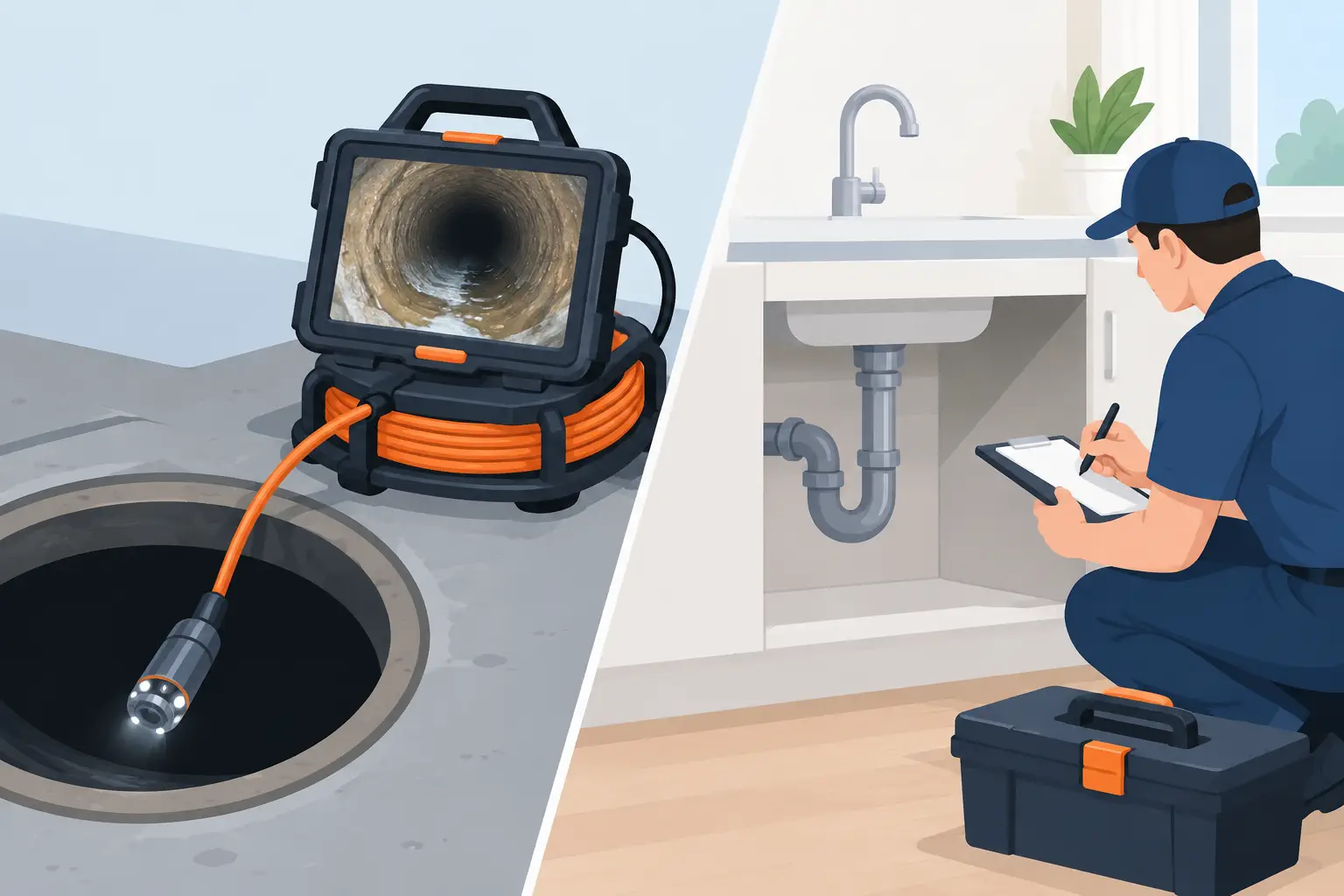
Drain performance also deserves context. A slow sink may be caused by a simple blockage. Repeated slow drains, sewage odors, backups, or older sewer piping may justify a sewer camera scope before closing. A scope can reveal conditions beyond the home that a standard visual inspection cannot confirm, such as root intrusion, breaks, offset joints, or deteriorated pipe sections.
Moisture, insulation, or ventilation issues in the attic
Attics often tell the story of how a house manages heat and moisture. Example findings include insufficient insulation, blocked soffit vents, bathroom exhaust fans terminating in the attic, visible staining, or microbial-like growth on roof sheathing.
These conditions can increase energy costs and may contribute to condensation or wood deterioration. The appropriate response depends on the source. A stain may be old and dry, or it may indicate an active roof leak. Surface growth may result from inadequate ventilation, a disconnected duct, or elevated indoor humidity. Testing or specialist evaluation may be warranted when the cause or extent cannot be determined through a visual inspection.
Missing safety features
Some of the most valuable findings are also among the simplest to correct. Missing smoke alarms, absent carbon monoxide alarms, loose handrails, unsafe deck guards, damaged steps, and inoperative garage door safety sensors can pose immediate risks to occupants.
These items may not carry the cost of a roof or foundation repair, but they should not be treated as insignificant. Safety corrections are often practical, affordable, and worth completing before move-in, especially in homes with children, older adults, or tenants.
How to Use Inspection Findings During a Purchase
The right response is rarely to demand that every item be repaired. A home inspection report is an objective assessment, not a seller repair list. Focus first on safety hazards, active water intrusion, structural concerns, major system defects, and conditions with a realistic potential for significant expense.
Then separate the findings into three groups: issues that need immediate correction, items that require specialist review or cost estimates, and routine maintenance to plan after closing. This approach helps buyers avoid two costly mistakes: overlooking a major defect because the report feels overwhelming, or losing perspective over normal wear in an existing home.
Your purchase strategy depends on the property, market conditions, and contract terms. In a competitive market, a buyer may choose to accept an aging furnace while seeking clarity on a suspected sewer issue. In another situation, a repair credit or price adjustment may be more practical than asking the seller to coordinate work before closing. The decision should be informed by qualified estimates, not assumptions.
What a Standard Inspection Can and Cannot Confirm
A thorough home inspection is visual, noninvasive, and limited to accessible areas and conditions present at the time of the appointment. Inspectors do not open walls, move heavy furniture, predict future failures, or guarantee that every defect will be found. A system can be working during the inspection and fail later. That is the reality of mechanical equipment.
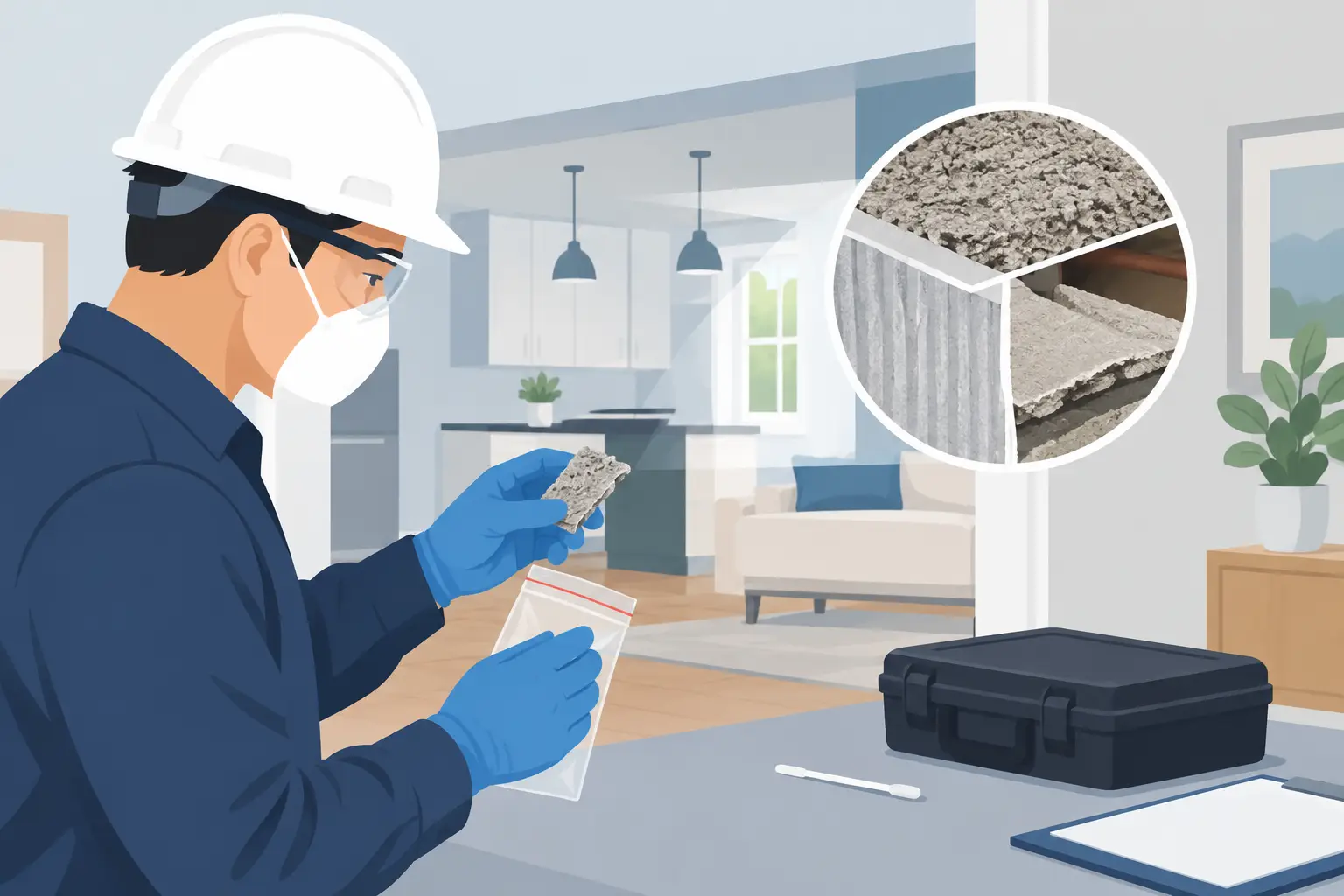
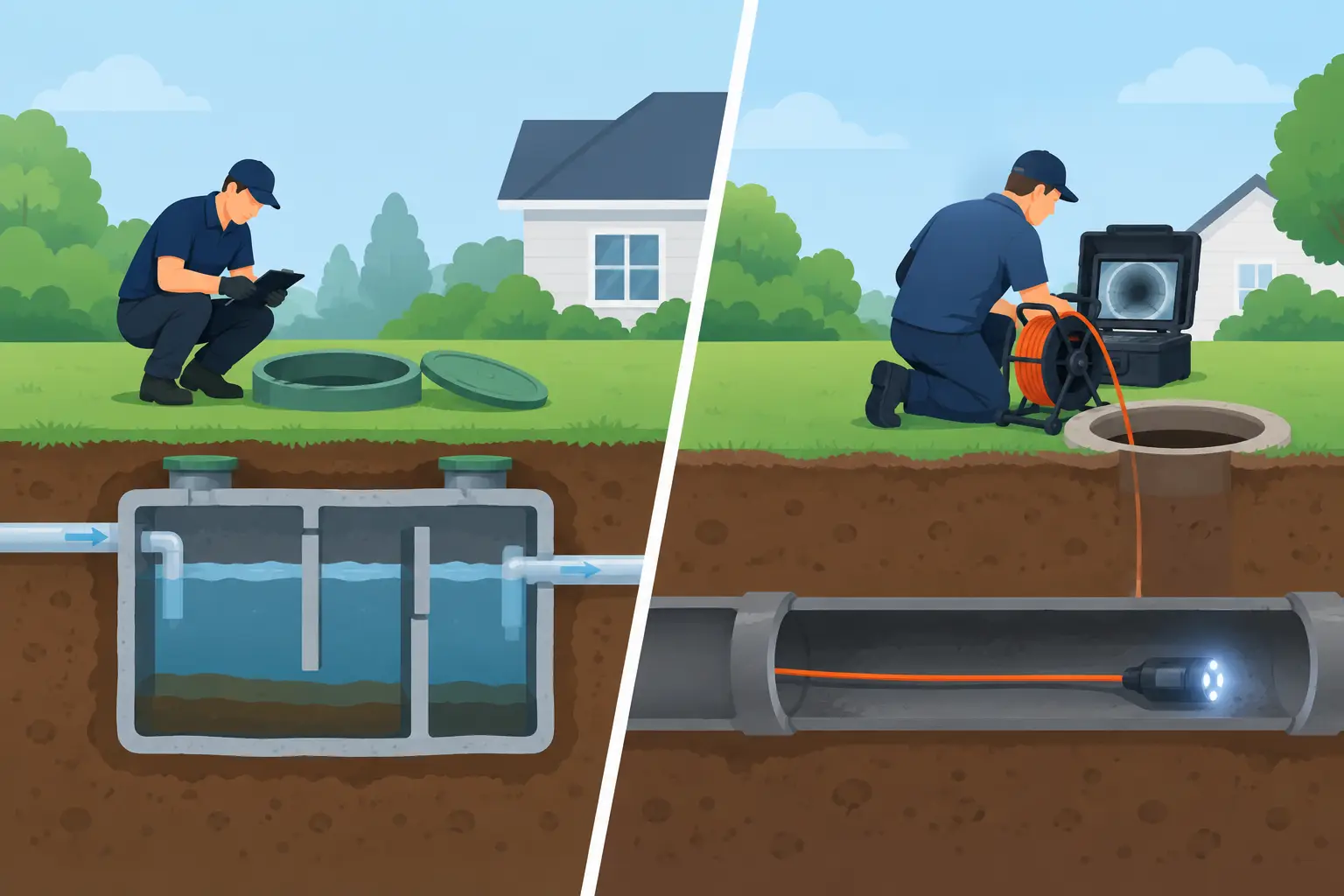
This is also why ancillary services can be valuable. Radon testing, termite inspections, mold and air quality testing, well-water testing, septic inspections, fireplace inspections, pool inspections, and sewer scopes address risks that may not be fully visible during a standard inspection. The right combination depends on the home’s age, location, systems, and visible conditions.
At Flinn Inspection Group, the focus is to inspect every accessible square foot with the care a major investment deserves, then deliver findings in a format clients can use. Same-day reporting and clear walkthrough conversations help buyers, homeowners, and agents act without unnecessary delay.
Questions to Ask at the Inspection Walkthrough
A strong walkthrough should leave you with priorities, not just paperwork. Ask which findings are safety concerns, which conditions could worsen quickly, and which recommendations need a licensed specialist. If a repair is recommended, ask what evidence led to that recommendation and whether the concern was active, historic, cosmetic, or unable to be fully evaluated.
Also ask what maintenance should happen in the first season of ownership. Cleaning gutters, extending downspouts, servicing HVAC equipment, testing safety devices, and monitoring a minor crack can protect the home while preventing small concerns from becoming expensive ones.
The best inspection outcome is not a perfect report. It is a clear understanding of the property, a realistic plan for its needs, and the confidence to make your next decision with your eyes open.