by Flinn Inspections
Share
by Flinn Inspections
Share

A Worthington commercial property inspection can change the direction of a purchase, lease decision, renovation plan, or investment strategy before money changes hands. A commercial building may look well maintained during a walkthrough while hiding water intrusion, aging mechanical equipment, drainage failures, electrical concerns, or environmental issues that can affect operating costs and negotiations.
For buyers, owners, investors, and property managers, the goal is not simply to produce a list of defects. It is to understand the building’s condition, identify safety and maintenance priorities, and make decisions with the facts in hand. Flinn Inspection Group approaches commercial inspections with that standard in mind: inspect thoroughly, explain clearly, and deliver the information needed to protect the investment.
What a Commercial Inspection Should Accomplish
Commercial properties are not inspected the same way as single-family homes. The building’s use, size, age, occupancy, construction type, and systems all affect the scope. A small retail storefront, medical office, warehouse, restaurant space, and multi-tenant office building carry different risks and may require different specialists or additional testing.
A quality inspection provides a visible-condition assessment of accessible building components and systems. It should help answer practical questions: Is the roof nearing the end of its service life? Are HVAC units operating as expected? Is water moving away from the structure? Are electrical panels, visible wiring, and safety devices showing concerns? Are there signs of moisture, structural movement, or deferred maintenance?
The inspection is a powerful due-diligence tool, but it is not a guarantee that every concealed condition will be found. Areas behind finished walls, beneath flooring, above inaccessible ceilings, or inside equipment may require further evaluation. When a concern is identified, a report should clearly distinguish between an observation, a likely risk, and a recommendation for a qualified contractor or specialist.
The Core Areas of a Worthington Commercial Property Inspection
A commercial property inspection should begin with the building envelope because it protects every system and finish inside it. Roof coverings, flashings, gutters, exterior walls, windows, doors, sealants, grading, and drainage all deserve close attention. Small exterior failures can become expensive interior repairs when water is allowed to move where it should not.
Thermal imaging can add meaningful value during this process. It may reveal temperature patterns associated with insulation gaps, moisture intrusion, or air leakage that are not obvious to the naked eye. Thermal imaging does not see through walls or confirm every condition on its own, but it helps direct attention to areas that may need further investigation.
Inside the building, the inspection should evaluate accessible structural components, interior surfaces, stairs, railings, ceilings, floors, and signs of settlement or water damage. In occupied buildings, this work often requires careful coordination. A thorough inspection should respect tenants and business operations while still documenting accessible conditions that could affect safety, maintenance, or future capital planning.
The major systems typically deserve the closest financial scrutiny:
- Roofing and drainage: Look for wear, ponding concerns, damaged flashing, clogged drainage components, and evidence of leaks below the roof line.
- HVAC systems: Identify visible age, operating condition, service needs, condensate concerns, and the number and location of units serving the property.
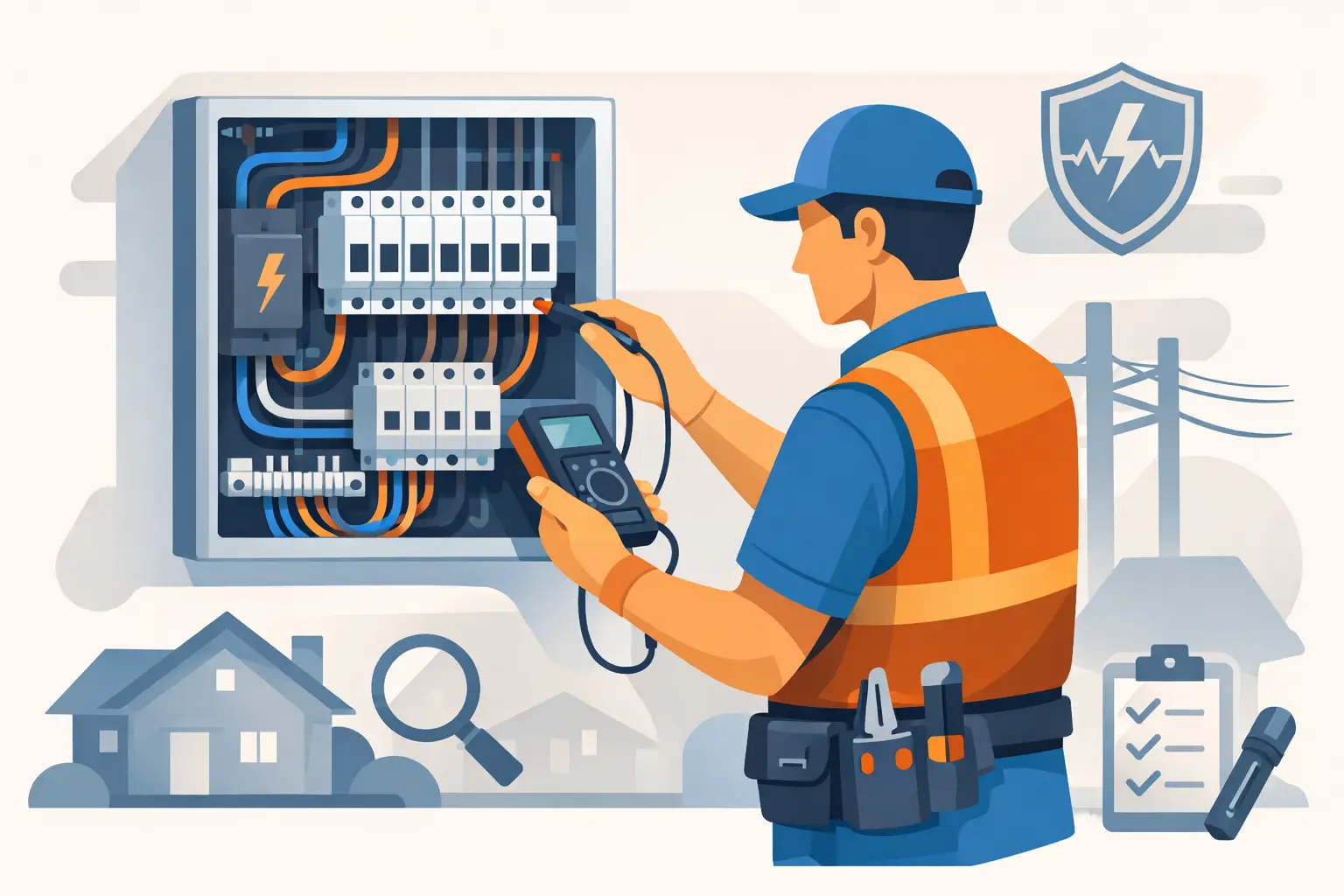
- Electrical systems: Review accessible panels, breakers, wiring conditions, grounding indicators, visible safety issues, and capacity concerns that may affect future improvements.
- Plumbing systems: Evaluate accessible supply lines, drains, water heaters, fixtures, leaks, and signs of prior repairs or chronic moisture.
- Foundation and structure: Watch for cracks, movement, moisture entry, deterioration, and conditions that warrant review by a structural professional.
A clear report ties these findings back to the real decision at hand. A minor cosmetic repair should not receive the same urgency as active water intrusion, an unsafe electrical condition, or a mechanical system approaching replacement.
Why Building Use Changes the Inspection Scope
The right inspection is never one-size-fits-all. A restaurant may need close attention to grease-related conditions, plumbing demand, exhaust components, and floor drains. A medical or professional office may have specialized buildouts, equipment loads, and accessibility considerations. A warehouse may present high-bay lighting, dock equipment, large roof spans, loading areas, and heating challenges that require a different inspection approach.
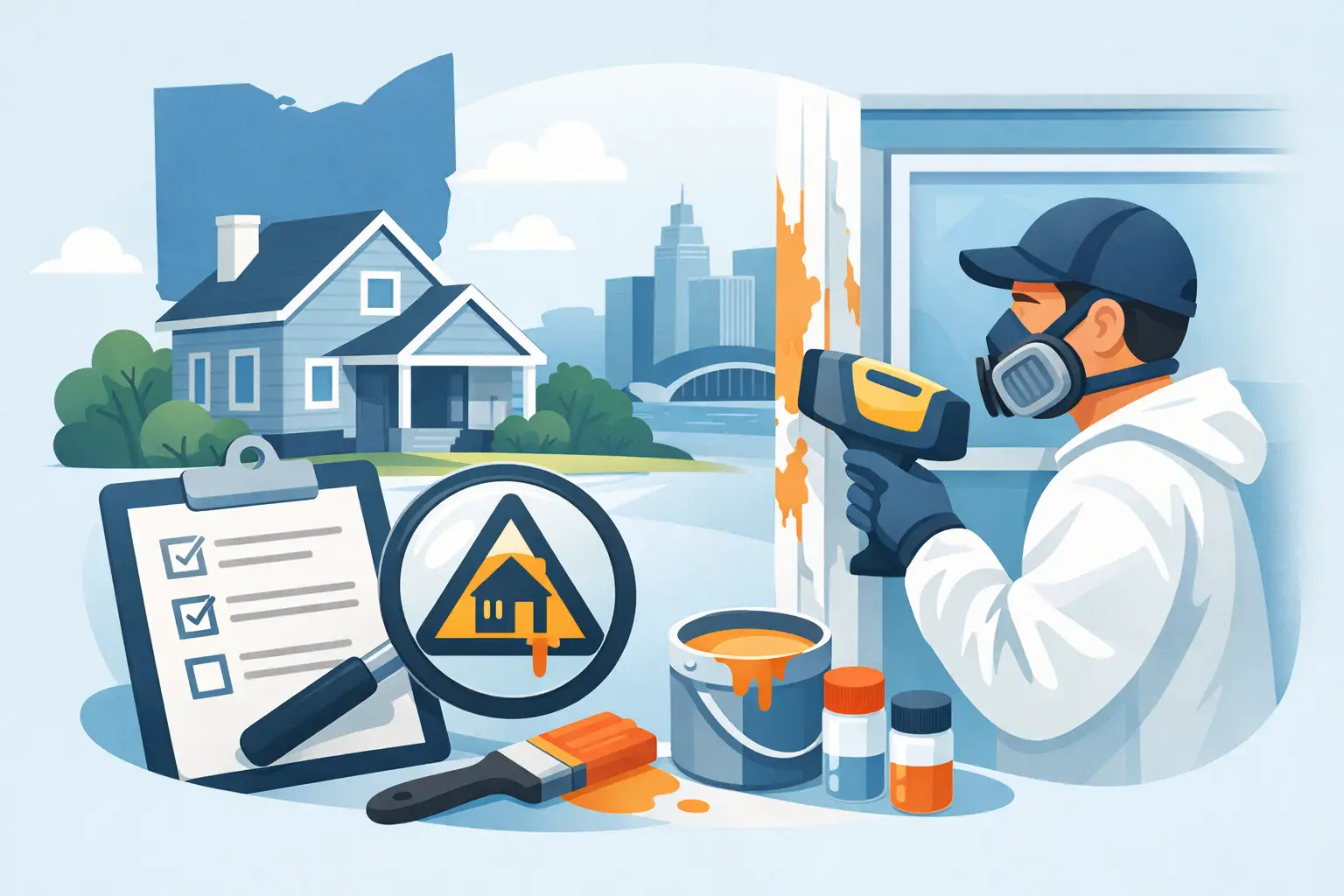
Older properties can also carry a different set of questions. Certain construction periods and renovation histories may justify asbestos testing, lead-based paint evaluation, mold or air-quality testing, or more detailed electrical review. These services are not automatically necessary for every property. They become valuable when the building’s age, visible conditions, occupancy plans, or renovation scope create a reasonable concern.
For an investor evaluating a property for acquisition or resale, speed matters. But speed should not mean rushing past major systems. A focused inspection can support a fast transaction, while a more comprehensive scope may be the better choice when a building has multiple units, older equipment, known leaks, or a history of deferred maintenance.
Add-On Services That Can Prevent Expensive Surprises
The most useful commercial inspection plan often combines a core building assessment with targeted ancillary services. Rather than scheduling multiple vendors without a clear strategy, property stakeholders can use findings from the primary inspection to determine where additional testing is justified.
A sewer camera scope may be appropriate when drain performance is questionable, the building is older, or the property has a history of backups. A sewer repair can involve major excavation, disrupted operations, and significant cost, making early information especially valuable.
Radon testing may be relevant for lower-level occupied spaces, certain work environments, or properties where owners want a clearer picture of indoor conditions. Mold and air-quality testing can be helpful when there is visible staining, musty odor, recurring moisture, occupant concerns, or a history of leaks. Water-quality testing may also be appropriate for properties served by private wells or where specific water concerns exist.
Gas leak detection is another practical safeguard. Natural gas issues should be treated seriously, particularly where visible piping, appliances, or odor concerns raise questions. When inspectors identify conditions outside the standard visual scope, bringing in the right specialist is not an inconvenience. It is part of responsible risk management.
How to Prepare for the Inspection
The best inspection begins before the inspector arrives. Buyers and owners should provide available maintenance records, roof warranties, HVAC service history, prior inspection reports, repair invoices, and known issue disclosures. These documents do not replace an inspection, but they can provide useful context and help identify recurring problems.
Make sure electrical panels, mechanical rooms, roof access points, utility rooms, crawl spaces, and vacant suites are accessible. If the building is tenant occupied, coordinate entry in advance. Limited access can create blind spots and may require a return visit, delaying both the report and the transaction.
It also helps to share the intended use of the property. A buyer planning a restaurant conversion, medical office, daycare, or major renovation needs information beyond basic visible condition. The proposed use can affect system capacity, renovation costs, environmental testing decisions, and the need for contractor evaluations.
Using the Report to Make a Better Decision
A same-day report can keep a transaction moving, but its real value is in what happens next. Review findings by urgency and cost impact. Safety issues, active leaks, structural concerns, and major system deficiencies should be addressed first. Then consider maintenance items, future replacements, and improvements that may be scheduled over time.
For a buyer, the report can support repair requests, price negotiations, contingency decisions, or a more accurate renovation budget. For an owner, it can become a maintenance roadmap that prevents small issues from becoming operational disruptions. For investors, it can clarify whether projected returns still make sense after realistic capital expenses are included.
Not every defect should stop a transaction. Commercial buildings require ongoing maintenance, and even well-managed properties will have items to repair or improve. The key is knowing what you are accepting, what it may cost, and whether the building still supports your goals.
A commercial property deserves more than a quick walkthrough and a hopeful estimate. With a thorough inspection, clear reporting, and the right follow-up evaluations where needed, you can move forward with a practical plan for the building you are buying, operating, or improving.