by SEO
Share
by SEO
Share
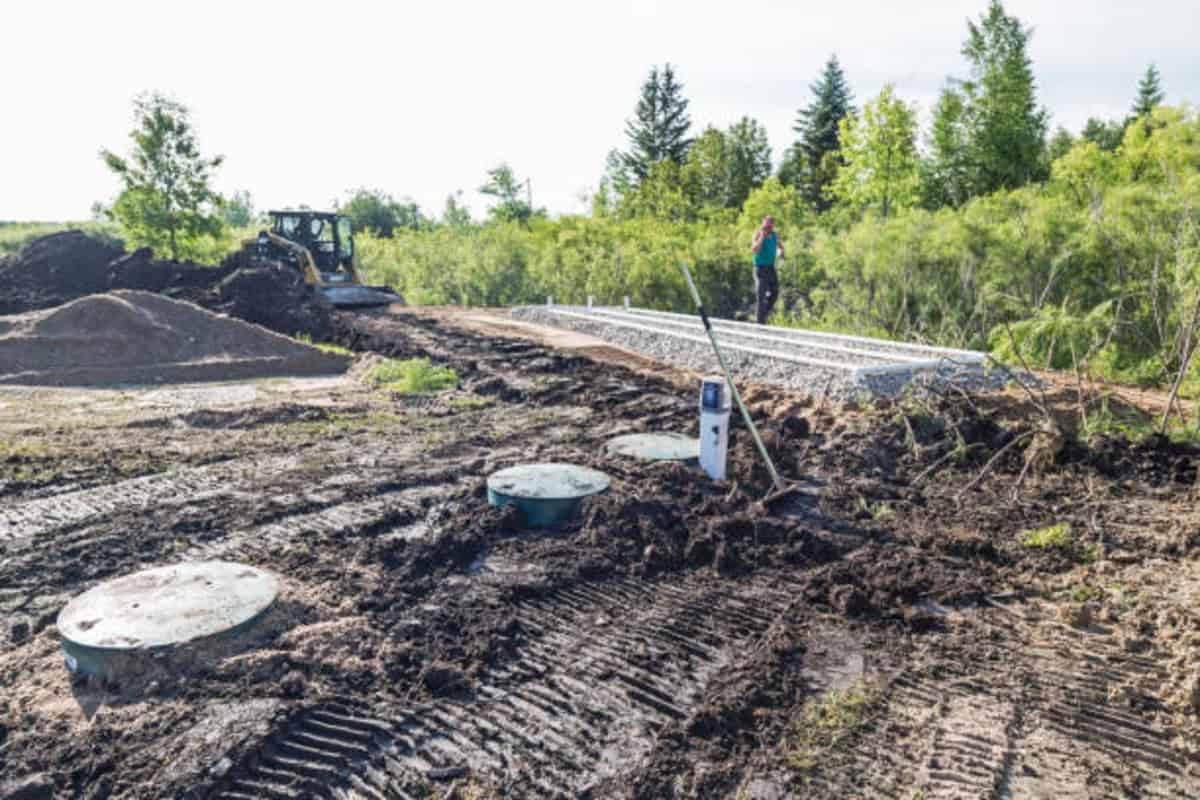
A septic inspection is one of the most important evaluations for homeowners in Ohio, especially when buying or selling a property. Since many homes across the state rely on private septic systems instead of municipal sewer connections, keeping these systems in good condition is essential for protecting your home, health, and investment. A septic system may work quietly underground for years, but hidden problems can become expensive if they go unnoticed.
Ohio’s changing weather, clay-heavy soils, and seasonal rainfall can all affect how well a septic system performs. Over time, natural wear, poor maintenance, and excessive water use can lead to failures that inspectors quickly identify. Knowing the most common issues before scheduling a septic inspection can help homeowners prepare, reduce repair costs, and avoid unpleasant surprises during a real estate transaction.
Why Septic Inspections Matter in Ohio
Ohio’s Unique Soil and Weather Conditions
Ohio experiences freezing winters, wet springs, and varying soil conditions that directly affect septic systems. Heavy clay soils found in many areas drain water more slowly than sandy soils, placing additional stress on drain fields. During prolonged rainy periods, saturated ground may prevent wastewater from filtering properly, increasing the risk of system failure.
Because of these environmental conditions, regular septic inspection services are especially valuable for Ohio homeowners. A professional inspection can identify developing issues before they become major repairs. According to the U.S. Environmental Protection Agency (EPA), routine inspections help prevent sewage backups, groundwater contamination, and costly drain field replacements.
When a Septic Inspection Is Needed
A septic inspection is commonly recommended before purchasing a home, but that’s not the only time it should occur. The EPA recommends inspecting conventional septic systems every 1 to 3 years, while septic tanks typically require pumping every 3 to 5 years, depending on household size and usage.
Regular inspections provide peace of mind and allow homeowners to catch problems early, when repairs are often much less expensive.
The Most Common Septic Inspection Failures
Failing Drain Fields
Drain field failure is one of the most common reasons a septic inspection fails in Ohio. The drain field is responsible for filtering treated wastewater back into the soil. Over time, excessive water use, compacted soil, tree roots, or years of accumulated solids can clog the field and prevent proper drainage.
Inspectors often look for standing water, soggy soil, or unusually green grass above the drain field. These symptoms suggest wastewater is no longer being absorbed correctly. Once a drain field fails, repairs may range from partial restoration to complete replacement depending on the severity of the damage.
Damaged Septic Tanks
Concrete, fiberglass, and plastic septic tanks can all develop problems as they age. Cracks, leaks, corrosion, or structural deterioration may allow groundwater to enter the tank or untreated wastewater to escape into the surrounding soil.
During a septic inspection, professionals carefully examine the tank’s condition, water levels, and structural integrity. Even small cracks can become major concerns if left unaddressed, making early detection extremely valuable.
Clogged or Missing Baffles
Baffles help control wastewater flow inside the septic tank by keeping solids separated from the liquid effluent. When baffles are broken, missing, or clogged, solids may enter the drain field and significantly shorten its lifespan.
This issue is surprisingly common in older Ohio homes where septic systems have operated for decades without proper maintenance. Replacing damaged baffles is generally much less expensive than repairing a damaged drain field.
Distribution Box Problems
The distribution box evenly distributes wastewater into multiple drain field lines. If it becomes tilted, blocked, or damaged, one section of the drain field may receive too much wastewater while others receive too little.
Uneven wastewater distribution eventually causes premature drain field failure. Inspectors check for proper flow and signs of settling during a professional septic inspection.
Excessive Sludge Build-Up
One of the easiest problems to prevent is excessive sludge accumulation inside the septic tank. When tanks are not pumped regularly, sludge levels rise until solids begin flowing into the drain field.
The EPA recommends pumping every three to five years for most residential systems, although frequency depends on household size and water usage. Routine pumping greatly reduces the risk of expensive repairs later.
| Common Failure | Possible Cause | Typical Solution |
| Drain field failure | Clogging, saturated soil | Repair or replace drain field |
| Tank cracks | Aging or structural damage | Tank repair or replacement |
| Broken baffles | Wear or deterioration | Replace baffles |
| Distribution box issues | Settlement or blockage | Level or replace box |
| Excess sludge | Lack of pumping | Pump septic tank |
Warning Signs Before an Inspection
Indoor Symptoms
Many homeowners notice early warning signs before scheduling a septic inspection. Slow drains, gurgling toilets, sewage odors, and wastewater backups often indicate the system is struggling to handle normal household use.
These symptoms should never be ignored. Addressing them early may prevent larger and more expensive repairs while reducing health risks inside the home.
Outdoor Warning Signs
Outside the home, standing water near the drain field, persistent sewage smells, unusually lush patches of grass, or constantly wet soil are all warning signs that wastewater may not be draining properly.
According to the EPA, these visible conditions frequently indicate septic system malfunction and should be inspected promptly by a qualified professional.
How to Avoid Failing a Septic Inspection
Regular Maintenance
Routine maintenance is the single best way to extend the life of a septic system. Scheduling inspections, pumping the tank when needed, and repairing small issues early helps prevent major failures.
Smart Water Usage
Excessive water entering the septic system can overwhelm both the tank and drain field. Spacing out laundry loads, repairing leaking fixtures, and installing water-efficient appliances reduce unnecessary strain on the entire system.
Routine Professional Inspections
Even if everything appears to work normally, hidden issues may still exist underground. Professional inspectors evaluate tank components, sludge levels, distribution boxes, filters, and drain field performance before small defects become costly emergencies.
What Happens If Your System Fails?
Repair vs. Replacement
Not every failed septic inspection means a complete system replacement. Minor issues such as damaged baffles, clogged filters, or full tanks can often be repaired quickly. More serious problems involving collapsed tanks or failed drain fields may require larger repairs or replacement.
A qualified septic professional will explain available options after completing the inspection and recommend the most cost-effective solution.
Costs and Next Steps
Repair costs vary depending on the specific issue, while complete replacements naturally require a larger investment. Acting quickly after discovering a problem usually minimizes expenses and helps protect both the property and nearby groundwater.
If you’re buying or selling a home in Ohio, resolving septic issues before closing can also help prevent delays during the transaction.
Conclusion
A septic inspection is one of the smartest investments Ohio homeowners can make. Most inspection failures result from drain field problems, damaged tanks, broken baffles, clogged distribution boxes, or years of missed maintenance. Fortunately, many of these issues develop gradually and can be corrected before they become major expenses.
Scheduling routine inspections, pumping the tank on time, conserving water, and responding quickly to warning signs will keep your septic system operating efficiently for many years. Whether you’re maintaining your current home or preparing for a real estate transaction, regular septic inspections help protect your property, your family’s health, and your long-term investment.
Frequently Asked Questions
1. How often should a septic inspection be performed?
The EPA recommends inspecting most residential septic systems every 1 to 3 years.
2. What is the most common reason a septic inspection fails?
Drain field failure caused by poor drainage, excessive sludge, or lack of maintenance is one of the most common issues found during inspections.
3. How often should a septic tank be pumped?
Most septic tanks should be pumped every 3 to 5 years, depending on household size and usage.
4. Can a failed septic inspection be repaired?
Yes. Many failures can be repaired if identified early, although severe drain field or tank damage may require replacement.
5. Is a septic inspection important when buying a home in Ohio?
Absolutely. A professional inspection can identify hidden problems before purchase, helping buyers avoid unexpected repair costs and ensuring the system is functioning properly.