by Flinn Inspections
Share
by Flinn Inspections
Share
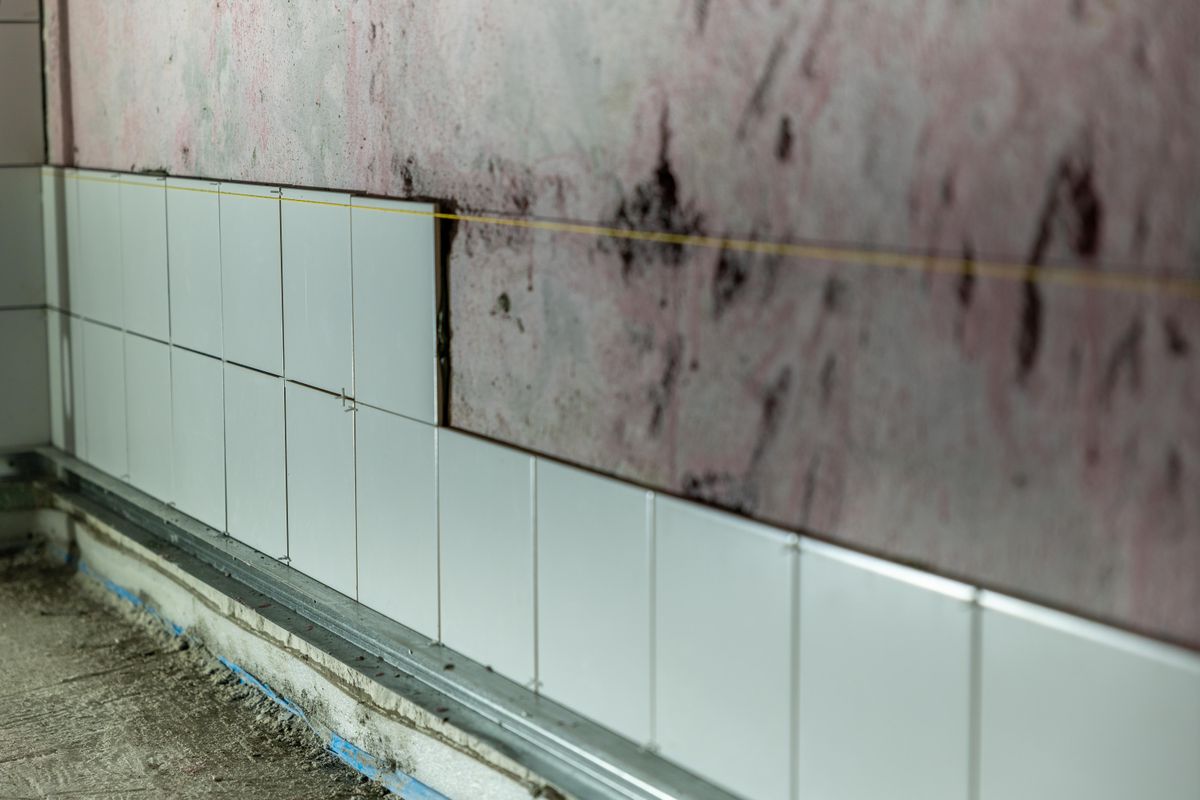
When homeowners notice dark spots on a bathroom wall, a musty smell in the basement, or discoloration around a window frame, the first question is usually the same: Is it mold or mildew? While many people use these terms interchangeably, they are not exactly the same thing. Understanding the difference is important because both can affect your home, but one generally poses a greater risk to your health and property.
The debate around mold vs mildew often creates confusion because both thrive in damp environments and belong to the fungus family. However, they differ in appearance, growth patterns, potential health effects, and the amount of damage they can cause. Knowing how to identify them can help homeowners respond quickly before a small moisture issue turns into a costly remediation project.
What Is Mold?
Mold is a type of fungus that grows in damp, humid, and poorly ventilated environments. It spreads through microscopic spores that travel through the air and settle on moist surfaces. According to the U.S. Environmental Protection Agency (EPA), mold can grow on wood, drywall, carpet, insulation, paper, and many other organic materials when moisture is present.
Unlike mildew, mold often penetrates below the surface of the material where it grows. This deeper growth makes it more difficult to remove and increases the likelihood of structural damage. Mold can appear in several colors, including black, green, brown, blue, and even orange. It typically has a fuzzy, slimy, or raised appearance and often produces a strong musty odor.
The key factor that allows mold to grow is moisture. Roof leaks, plumbing leaks, flooding, poor ventilation, and high indoor humidity levels all create ideal conditions for mold development. Once established, mold can spread rapidly if the moisture source is not addressed.
What Is Mildew?
Mildew is also a fungus, but it is generally considered a surface-level growth. The EPA notes that the term mildew is often used to describe certain types of mold that grow flat on surfaces and are commonly found in areas with persistent moisture.
Mildew usually appears as white, gray, or yellowish patches and has a powdery or fluffy texture. It commonly develops on shower walls, windowsills, bathroom tiles, fabrics, and other damp surfaces. Unlike mold, mildew tends to remain on the surface rather than penetrating deeply into materials.
Because mildew is less invasive, it is often easier to clean and remove. However, homeowners should not ignore it. Mildew is still a sign that excess moisture exists in the home, and if the underlying moisture problem continues, more serious mold growth may eventually develop.
Think of mildew as an early warning sign. It may seem minor compared to mold, but it indicates conditions that could allow larger fungal problems to appear later.
Mold vs Mildew: Key Differences
Understanding the visual and functional differences between mold and mildew can help homeowners identify problems more accurately.
| Feature | Mold | Mildew |
| Appearance | Fuzzy, slimy, raised | Flat, powdery |
| Colors | Black, green, blue, brown, orange | White, gray, yellow |
| Growth Pattern | Penetrates surfaces | Stays on the surface |
| Odor | Strong musty smell | Mild musty odor |
| Damage Potential | High | Usually low |
| Removal Difficulty | More difficult | Easier to clean |
Although both fungi require moisture to grow, mold is generally more aggressive and destructive. Mildew often remains confined to the surface, while mold can spread into walls, insulation, wood framing, and other building materials.
Which Is More Dangerous?
When discussing mold vs mildew, mold is generally considered the greater concern. The Centers for Disease Control and Prevention (CDC) states that exposure to mold may cause symptoms such as coughing, wheezing, nasal congestion, throat irritation, eye irritation, and skin reactions in sensitive individuals. People with allergies, asthma, chronic lung disease, or weakened immune systems may experience more severe reactions.
Mildew can also contribute to respiratory discomfort and allergic reactions, but it is usually less harmful than widespread mold growth. The primary concern with mildew is that it signals excessive moisture, which can eventually lead to mold infestations if left untreated.
Another important consideration is structural damage. Mold can consume organic materials such as wood and drywall over time. This can weaken building components and increase repair costs. Mildew rarely causes the same level of structural deterioration because it remains on the surface.
The presence of either substance should not be ignored. Even if mildew appears harmless, addressing the moisture source quickly can prevent more serious problems later.
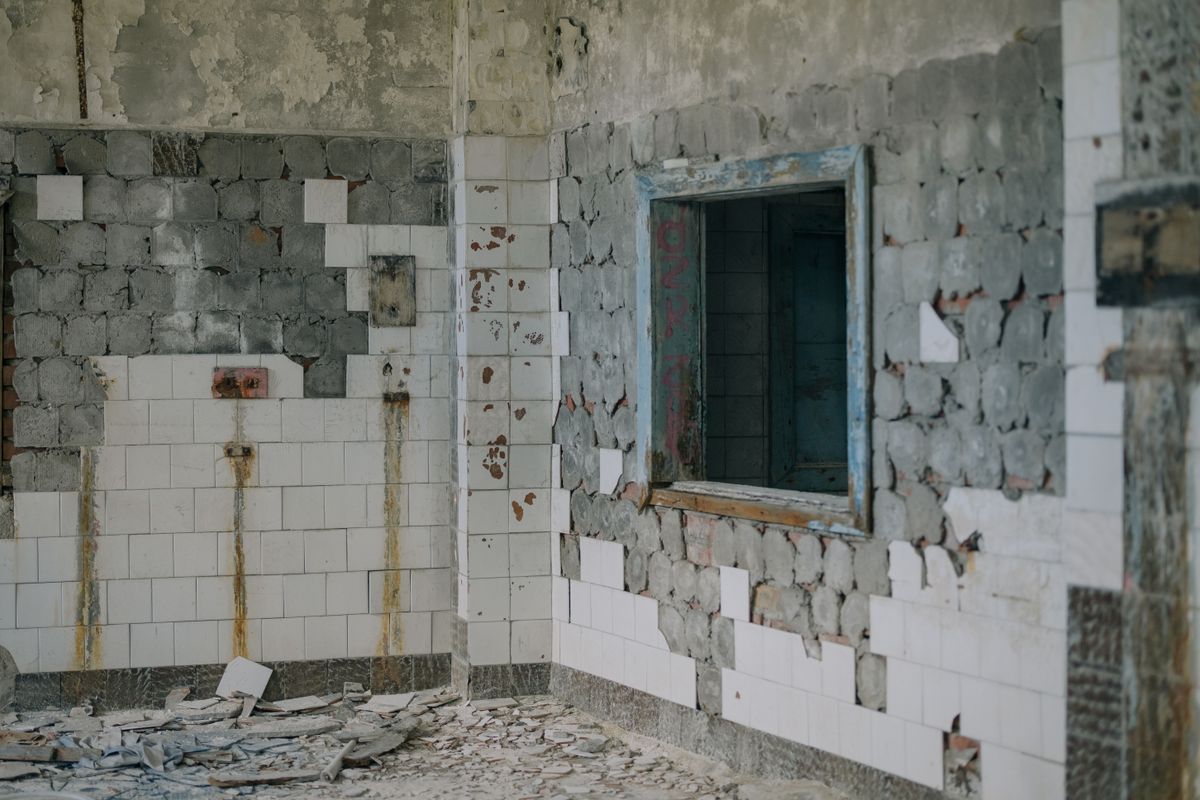
Common Areas Where Mold and Mildew Grow
Both mold and mildew thrive in damp locations where moisture remains trapped for extended periods. Certain areas of the home are especially vulnerable.
Bathrooms are among the most common locations because steam from showers creates high humidity levels. Shower walls, grout lines, ceilings, and window frames often develop mildew first. Kitchens can also experience fungal growth due to water usage and inadequate ventilation.
Basements are another frequent problem area. Poor drainage, foundation leaks, and limited airflow create ideal conditions for mold development. Attics may also experience mold growth due to roof leaks or insufficient ventilation.
Other areas to inspect include:
- Around windows and doors
- Under sinks
- Laundry rooms
- Crawl spaces
- HVAC systems
- Water-damaged walls and ceilings
Regular inspections of these locations can help homeowners identify moisture issues before significant fungal growth occurs.
How to Prevent Mold and Mildew
The most effective way to prevent both mold and mildew is moisture control. The EPA and CDC emphasize that eliminating excess moisture is the key to preventing fungal growth.
Homeowners can reduce risk by repairing leaks promptly, improving ventilation, and maintaining indoor humidity levels below 50 percent. Exhaust fans should be used in bathrooms and kitchens, while dehumidifiers may be beneficial in damp basements or crawl spaces.
It is also important to dry water-damaged materials quickly. The EPA recommends drying wet areas within 24 to 48 hours whenever possible to reduce the likelihood of mold growth.
Routine maintenance and periodic home inspections can help identify hidden moisture problems before they become serious.
How to Remove Mold and Mildew Safely
Small areas of mildew can often be cleaned using household cleaning products and proper ventilation. Since mildew usually remains on the surface, removal is generally straightforward.
Mold removal may be more complicated, particularly when it covers large areas or has penetrated porous materials. Protective equipment such as gloves, eye protection, and masks should be used when cleaning visible mold. Large infestations may require professional remediation services to ensure complete removal and prevent spores from spreading.
The most important step is correcting the moisture source. Cleaning without fixing the underlying water issue will often result in the problem returning.
Conclusion
Understanding mold vs mildew is essential for protecting both your home and your health. While both fungi thrive in damp environments, mildew is generally a surface-level issue that is easier to remove. Mold is more invasive, can damage building materials, and may contribute to health concerns for sensitive individuals.
The real enemy behind both mold and mildew is moisture. Whether the source is a leaking roof, poor ventilation, plumbing problems, or high humidity, addressing moisture quickly is the best defense. Regular inspections, proper ventilation, and prompt repairs can help keep your home free from fungal growth and the costly damage it can cause.
FAQs
1. Can mildew turn into mold?
Mildew itself does not transform into mold, but the moist conditions that allow mildew to grow can also support mold growth if left untreated.
2. Is black mildew the same as black mold?
No. Black mold and mildew are different. Mold usually penetrates surfaces and can be more difficult to remove.
3. Does mold always smell musty?
Not always, but a strong musty odor is one of the most common signs of hidden mold growth.
4. Can mold grow behind walls?
Yes. Mold frequently develops behind drywall when leaks or excess moisture are present.
5. Should I call a professional for mold removal?
Professional remediation is recommended for large infestations, recurring mold problems, or situations involving extensive water damage.