by Flinn Inspections
Share
by Flinn Inspections
Share

A home inspection moves fast. You are walking room to room, trying to absorb major findings, minor defects, maintenance advice, and next-step decisions all at once. That is why showing up with the best questions for home inspector conversations already in mind can make the difference between feeling informed and feeling overwhelmed.
The right questions do more than fill silence during the inspection. They help you separate cosmetic issues from expensive problems, understand what needs immediate attention, and decide whether you are looking at a manageable property or a money pit. Whether you are buying your first home, reviewing a new construction property, or evaluating an investment, your questions should help protect the investment, not just produce a checklist.
Why the best questions for home inspector matter
A strong inspection report gives you facts. Good questions give you context. That context matters because not every defect carries the same risk, timeline, or repair cost.
For example, a cracked outlet cover and a cracked foundation wall may both appear as defects, but they do not belong in the same category of concern. A skilled inspector can help you understand the difference between a maintenance item, a safety hazard, a system near the end of its life, and a condition that deserves immediate specialist evaluation.
This is especially important in competitive markets where buyers feel pressure to move quickly. Speed matters, but clarity matters more. Asking targeted questions helps you make decisions with confidence instead of reacting to unfamiliar terms in a report later that night.
The 17 best questions for home inspector appointments
1. What are the biggest issues you have seen today?
Start here. You want the short list, not the full list. Every home has defects, but only some of them materially affect safety, livability, financing, insurance, or negotiation strategy.
This question helps you understand what rises to the top after the inspector has seen the whole property. It also tells you how well the inspector can communicate priorities clearly.
2. Which issues are safety concerns?
Not all defects are dangerous. Some are inconvenient or expensive, but not immediate hazards. Others, like exposed wiring, active leaks near electrical components, combustion concerns, or structural instability, need attention now.
A direct answer here helps buyers focus on risk first. If you are buying with children in mind, this question becomes even more valuable.
3. What needs repair right away, and what can wait?
This is where nuance matters. Some defects should be addressed before closing if possible. Others can reasonably wait a few months or become part of a long-term maintenance plan.
A good inspector will often frame this in tiers: immediate, near-term, and monitor. That distinction can help you budget realistically instead of assuming every finding is urgent.
4. Are there signs of water intrusion or moisture problems?
Water is one of the most costly issues in residential property ownership. It damages framing, drywall, insulation, flooring, and indoor air quality over time. It can also point to grading problems, roof defects, plumbing leaks, or foundation movement.
Ask this even if the house looks clean and dry. Moisture problems are not always obvious without tools, experience, and pattern recognition.
5. How old are the major systems, and how much life is likely left?
The roof, HVAC, electrical system, plumbing, and water heater matter more than fresh paint and staged furniture. Knowing approximate age and expected remaining life helps you plan for real ownership costs.
No inspector can predict the exact day a furnace or water heater will fail. Still, a seasoned inspector can usually tell you whether a system appears newer, mid-life, or near replacement range.
6. Do you see signs of past repairs, and do they appear professional?
Repairs are not automatically a red flag. In many cases, they are a sign that the owner addressed an issue. The real question is whether the repair solved the problem properly.
This matters with roofing patches, foundation crack repairs, plumbing modifications, electrical work, and attic ventilation changes. A clean-looking repair is not always a reliable one.
7. Is there anything here that could affect insurance or financing?
This is one of the most practical questions buyers forget to ask. Certain conditions may create problems with underwriting, loan approval, or policy pricing. Examples can include active roof issues, outdated electrical components, plumbing materials with known concerns, or major structural defects.
Even if the inspector is not an insurer or lender, an experienced professional can often identify conditions that commonly trigger follow-up questions.
8. What should I ask a specialist to evaluate further?
Inspectors are generalists by design. Their role is to identify visible concerns and recommend additional evaluation when needed. That is not a limitation. It is part of a sound inspection process.
If the inspector suggests a roofer, structural engineer, electrician, HVAC contractor, or sewer scope, ask exactly what that specialist should assess. Better questions now can prevent vague contractor visits later.
9. Are there signs of structural movement, and how serious do they look?
Many buyers panic at the word crack. Some cracks are cosmetic. Others suggest movement, settlement, moisture pressure, or load concerns. The key is not whether a crack exists, but what pattern it follows, where it appears, and what other signs accompany it.
Ask the inspector to explain what they are seeing and why it matters. A trustworthy answer should be calm, specific, and tied to evidence.
10. How does the roof look from a functional standpoint?
A roof can look acceptable from the driveway and still have flashing issues, missing shingles, soft spots, poor drainage, or limited remaining life. You are not just asking whether it leaks today. You are asking about condition, wear, and vulnerability.
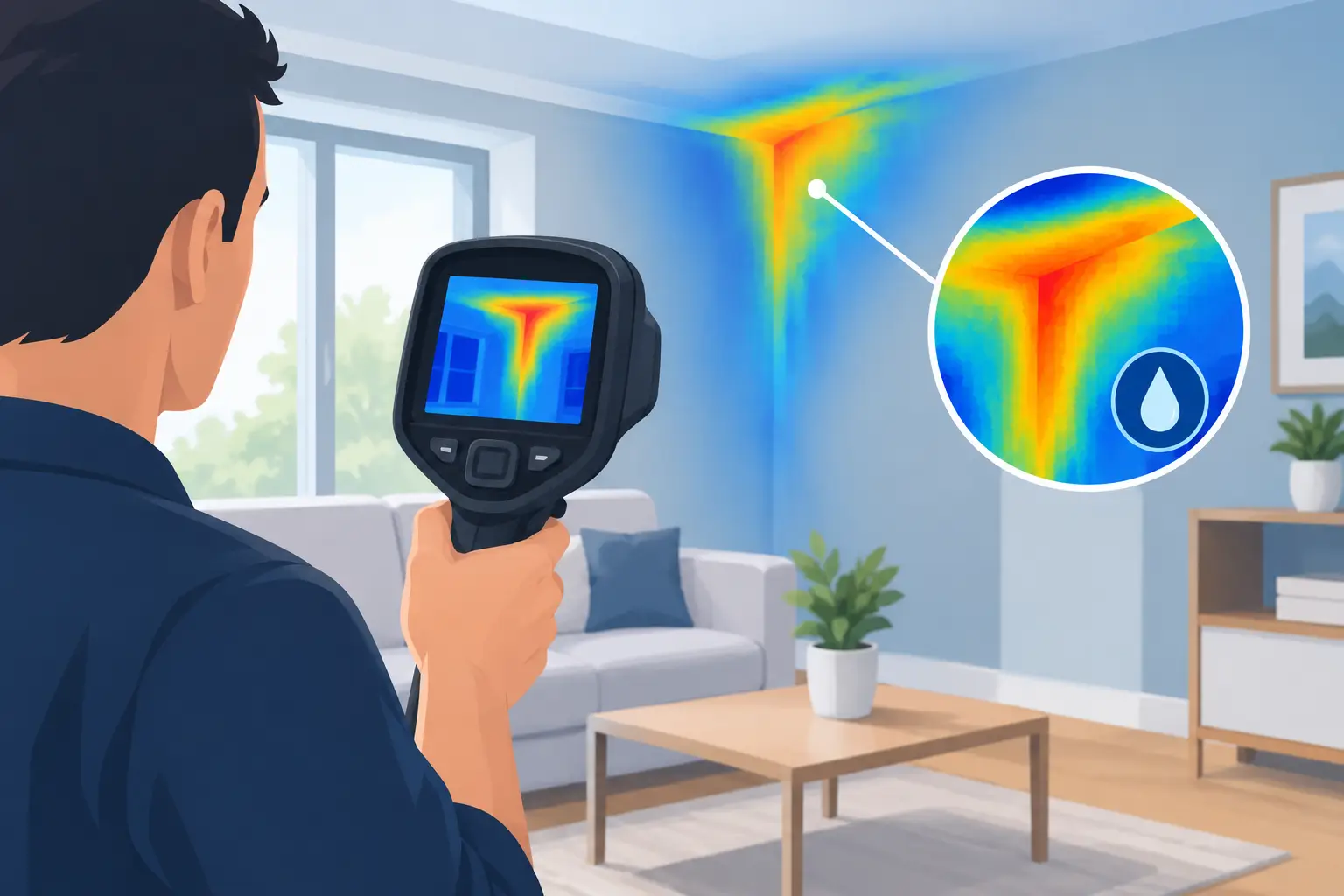
If the inspector uses tools like thermal imaging or notes visible moisture indicators, that context can be especially helpful.
11. Is the electrical system safe and up to current standards where it counts?
Older homes do not need to meet every modern code update to be sold. That said, some conditions deserve concern regardless of age. The question is less about perfection and more about safety, function, and known problem areas.
Ask what the inspector sees in the panel, at visible wiring points, and at representative outlets and fixtures. If there are double taps, improper grounding concerns, damaged conductors, or unsafe modifications, you want that explained plainly.
12. What does the attic or crawl space tell you about the house?
These areas often reveal the truth of how a home has performed over time. Ventilation issues, insulation gaps, pest activity, moisture staining, amateur wiring, and structural concerns often show up there before they become obvious in finished spaces.
Many buyers focus on kitchens and bathrooms. Inspectors know the hidden spaces often tell the better story.
13. Do you see any drainage or grading problems outside?
Problems often start outside and show up inside later. Improper grading, short downspouts, standing water, and drainage toward the foundation can contribute to basement moisture, settlement, and long-term structural stress.
This is a high-value question because exterior corrections are sometimes simple and sometimes extensive. You want to know which type of issue you are dealing with.
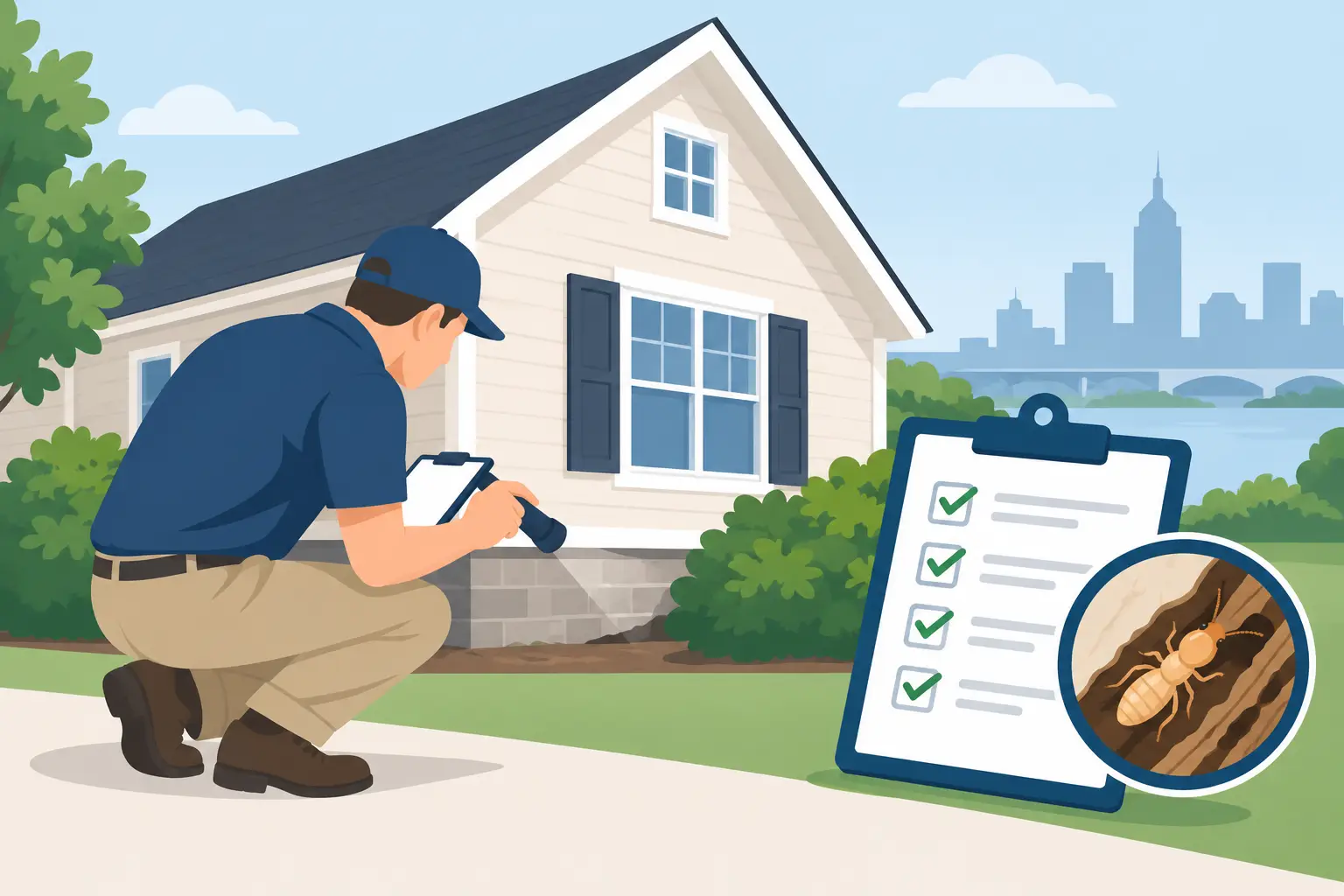
14. Are there signs of pest damage or conditions that attract pests?
Even if a separate termite inspection is part of the process, ask about visible evidence or conducive conditions. Wood-to-soil contact, moisture buildup, damaged trim, and structural wood concerns can increase risk.
This is particularly useful if you are buying an older home or a property that has sat vacant.
15. If this were your purchase, what would you watch closely in the first year?
This is one of the best questions for home inspector discussions because it invites practical judgment. A strong inspector will not make the decision for you, but they can tell you what they would monitor, service, budget for, or repair first.
That answer often gives buyers more useful guidance than a technical description alone.
16. What maintenance steps would help prevent bigger problems?
A good inspection is not only about defects. It should also help you protect the property after closing. Ask what routine steps matter most for this specific house.
The answer may include gutter management, HVAC servicing, caulking, humidity control, tree trimming, filter changes, drainage improvements, or seasonal roof observation. For homeowners and investors alike, this is where inspection value continues after the transaction.
17. Can you walk me through the report so I know what matters most?
Same-day reporting is helpful, but a report still needs interpretation. Ask the inspector to explain how the findings are organized and where to focus first.
The best reports are detailed, but they should not leave clients guessing. If you need to act quickly, clarity around priorities is just as important as the findings themselves. That is one reason many Central Ohio buyers look for an inspection company that combines thorough fieldwork with clear communication and fast reporting, like Flinn Inspection Group.
How to ask better questions during the inspection
Do not wait until the very end and try to ask everything at once. Ask questions as the inspection unfolds, especially when the inspector is standing at the issue and can show you what they mean. Visual explanations tend to stick better than written notes alone.
It also helps to think in terms of risk, cost, and timing. A useful question is not just What is wrong? It is How serious is it, what does it affect, and what happens if it is not addressed soon? Those follow-ups lead to better decisions.
If you are a first-time buyer, do not worry about sounding inexperienced. A professional inspector should welcome questions and explain findings in plain English. If you are an investor or experienced owner, ask for prioritization and likely capital expenses. The same property can look very different depending on your goals.
A smart inspection is a conversation, not a formality
The best inspection appointments are not silent walkthroughs followed by a PDF. They are working conversations centered on your risk, your timeline, and your investment. The right questions help you leave with more than a list of defects. They help you understand the property well enough to act with confidence.
If you remember nothing else, ask what matters most, what needs attention first, and what hidden patterns the house is already showing you. That is where an inspection stops being a checkbox and starts doing its real job.