by Flinn Inspections
Share
by Flinn Inspections
Share

A property can look rent-ready at a showing and still carry a failing sewer lateral, an aging electrical panel, a concealed roof leak, or moisture beneath the flooring. For an investor, those are not minor discoveries. They can erase reserves, delay a lease-up, or turn a promising resale into a margin problem. This real estate investor inspection guide explains how to evaluate property condition with the speed and discipline an investment decision requires.
The goal is not to find a flawless building. Nearly every property has defects, especially in Central Ohio’s older housing stock. The goal is to understand the cost, urgency, safety implications, and operational impact of those defects before your contingency period closes.
Start With Your Investment Strategy
An inspection should support the plan for the property, not simply produce a long list of observations. A cosmetic fixer intended for resale needs a different level of scrutiny than a long-term rental, a house hack, or a small commercial acquisition.
For a rental, focus on systems that affect habitability, maintenance calls, insurance, and tenant safety. Heating, cooling, electrical protection, water intrusion, plumbing drainage, handrails, smoke alarms, and exterior trip hazards deserve immediate attention. A dated kitchen may be acceptable; an unreliable furnace during an Ohio winter is not.
For a flip, assess whether the building can support the renovation scope you have budgeted. Foundation movement, drainage failures, outdated electrical service, hidden water damage, and major structural repairs can quickly exceed a rehab allowance. If the property will be sold soon after work is complete, consider which repairs will be visible in a future buyer’s inspection report.
For a buy-and-hold property, think beyond the first repair bill. An older roof, water heater, HVAC system, or sewer line may still be functioning, but its remaining life affects capital planning. The right question is often not, “Does it work today?” It is, “What is likely to demand money during my ownership period?”
What a Real Estate Investor Inspection Should Cover
A professional investor inspection evaluates accessible, visible components and identifies material defects, safety concerns, and evidence of conditions that deserve further review. It should give you a clear picture of the property’s major systems, not just a pass-or-fail answer.
Structure, grading, and water management
Water is one of the most expensive recurring threats to a property. Inspect the foundation, basement or crawl space, exterior grading, gutters, downspouts, roof drainage, retaining walls, and visible signs of settlement or movement.
A crack alone does not automatically mean structural failure. Some concrete shrinkage cracks are common. However, horizontal cracking, significant displacement, recurring moisture, sticking doors, sloping floors, or fresh patchwork may indicate a larger concern. Drainage corrections can be manageable; structural stabilization or chronic water intrusion requires a more careful financial decision.
Roof, exterior, and windows
The roof is not just a line item in a repair estimate. It protects insulation, framing, ceilings, electrical components, and interior finishes. An inspection should consider roof-covering condition, flashing, penetrations, gutters, chimney condition, siding, trim, and visible window defects.
Age matters, but installation quality and current performance matter more. A newer roof with poor flashing can leak. An older roof may have limited remaining life but no active failure. Investors should budget based on the observed condition and expected replacement timeline rather than relying on a seller’s broad statement that the roof is “fine.”
Electrical, plumbing, heating, and cooling
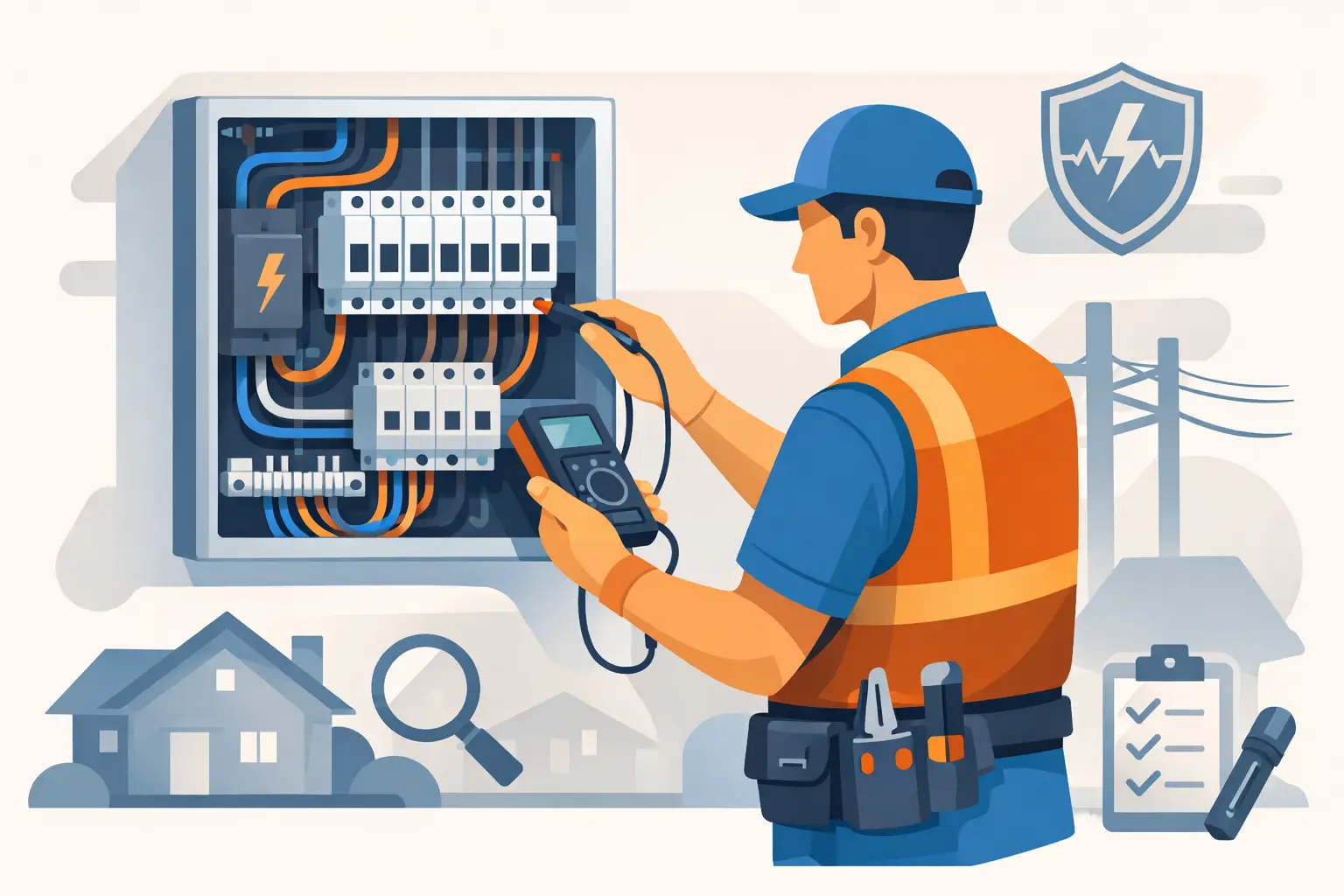
Major systems determine whether a property is safe, functional, and ready to occupy. Your inspection should identify service-panel concerns, visible wiring hazards, missing GFCI protection where required, aging supply lines, active plumbing leaks, drainage issues, water-heater condition, and HVAC performance.
A system can be operational and still be near the end of its useful life. That distinction is particularly valuable when negotiating. You may not need to demand replacement of every older component, but you should not underwrite a property as though a 20-year-old furnace or original water heater will last indefinitely.
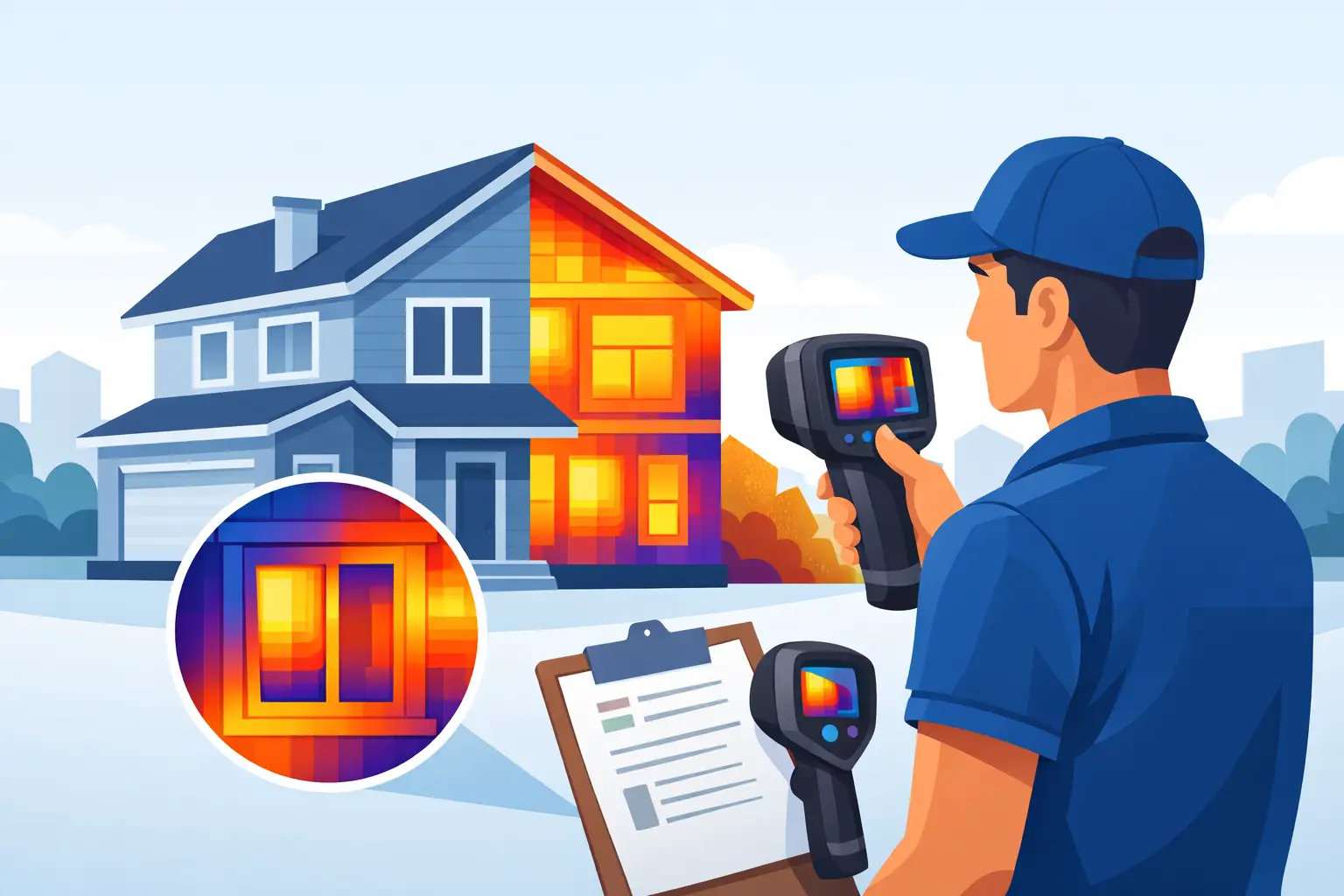
Thermal imaging can help identify temperature anomalies associated with missing insulation, moisture intrusion, or overheating electrical components. Gas leak detection can identify hazards that are not apparent during a standard walkthrough. These tools add value when used as part of a complete inspection, not as a substitute for sound building knowledge.
Interior safety and livability
Interior findings often determine the immediate scope of work. Inspect stairs, railings, doors, ceilings, floors, bathrooms, kitchens, fireplaces, attic access, ventilation, visible mold-like growth, and signs of previous water damage.
For rental properties, safety and maintenance are closely connected. Loose handrails, damaged steps, nonfunctional exhaust fans, unsafe electrical outlets, and leaking fixtures create more than repair work. They can create tenant complaints, turnover costs, and liability exposure. Address these conditions before cosmetic upgrades.
Add Services When the Property Calls for Them
A standard inspection is the foundation, but some risks require targeted testing or evaluation. Investors should avoid ordering every add-on automatically. Instead, match additional services to the property, location, age, visible conditions, and investment strategy.
A sewer camera scope is often a smart choice for older homes, properties with large trees, slow drainage, prior backups, or unknown sewer-line history. A damaged underground line can cost far more than most visible repairs, and it may not be revealed by running a few fixtures during an inspection.
Radon testing is valuable in Central Ohio, where radon levels can vary substantially from one property to another. For a rental or resale, knowing the level before closing gives you time to plan mitigation rather than discovering the issue after occupancy.
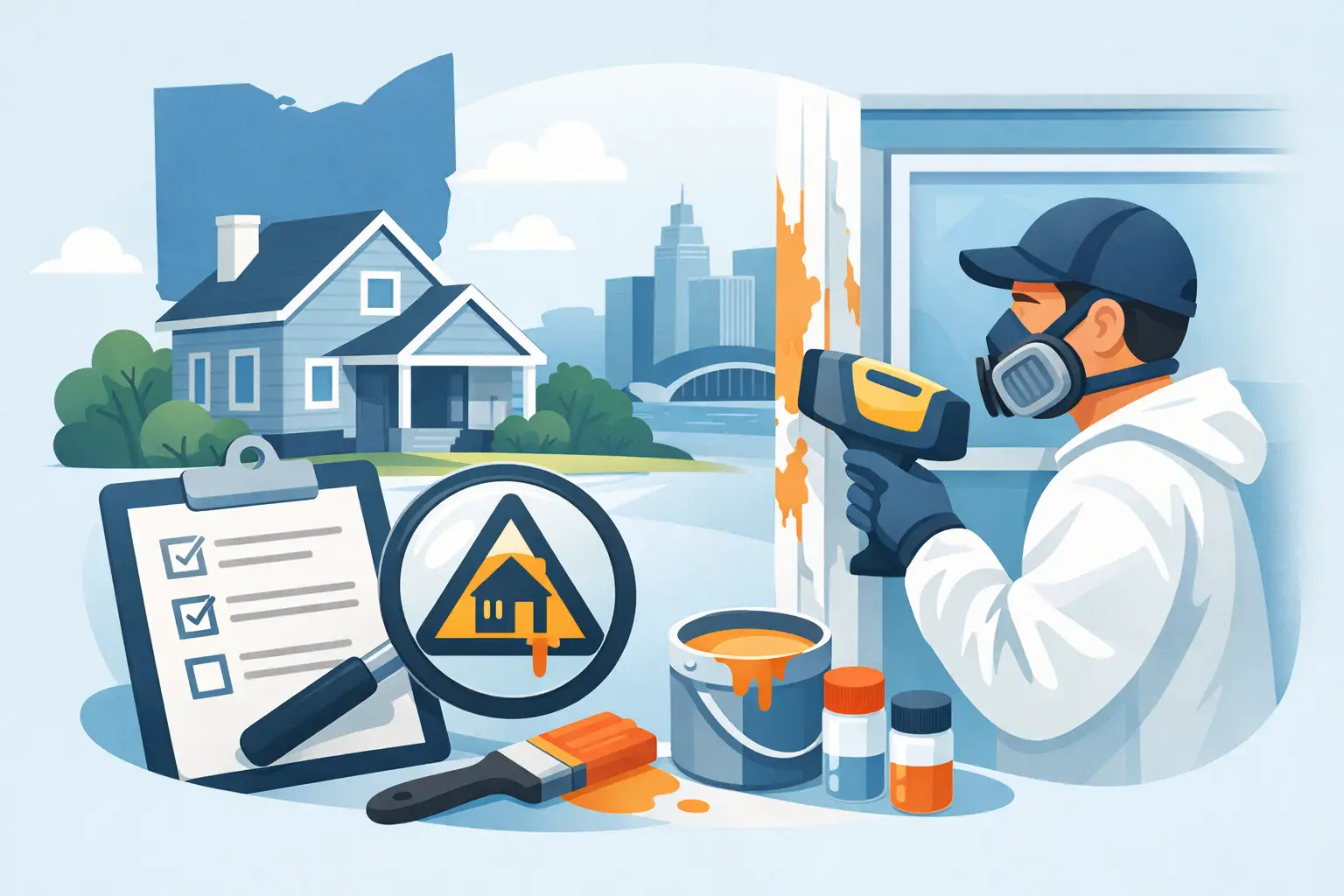
Termite inspections can identify evidence of wood-destroying insects or conditions that make a property more vulnerable. Mold and air-quality testing may be appropriate when there is a history of leaks, persistent odors, visible staining, or occupant health concerns. Well water, septic, pool, fireplace, asbestos, and lead-based paint inspections may also be appropriate depending on the building and its systems.
The trade-off is time and cost. Specialty inspections add expense to due diligence, but skipping the right one can leave a major risk outside your underwriting. The decision should be based on exposure, not optimism.
Turn Findings Into an Investment Decision
The inspection report should not be treated as a repair list to send wholesale to the seller. Use it to organize decisions. Separate findings into four groups: immediate safety or habitability issues, major capital expenses, repairs that affect your renovation schedule, and routine maintenance items.
Then obtain repair estimates for the items that could change your numbers. An inspector identifies conditions and explains their significance; licensed contractors and qualified specialists can provide scope and pricing when needed. Do not rely on a rough online estimate for a foundation repair, sewer replacement, electrical upgrade, or HVAC replacement.
Next, revisit your underwriting. Add the realistic repair cost, a contingency for concealed conditions, holding costs caused by delayed work, and the effect on rent or resale timing. If the deal still performs, you have clarity. If it only works by ignoring known defects, the inspection has done its job by protecting you from a bad purchase.
Negotiation is not always the best outcome. In a competitive market, a seller may refuse repairs or credits. You may choose to proceed because the price and returns still justify the work. You may renegotiate, request access for specialists, or walk away. What matters is that the choice is informed and documented, not rushed.
Move Quickly Without Cutting Due Diligence
Investors often need answers fast, especially when acquisition timelines are tight. Fast does not mean superficial. Schedule the inspection as early as possible, attend when you can, and make sure decision-makers receive the report promptly. Same-day reporting helps you obtain estimates, communicate with your agent, and make decisions while your inspection window remains open.
Flinn Inspection Group provides investor-focused inspections supported by advanced diagnostic tools, coordinated ancillary services, and same-day reports so clients can act with greater confidence. The strongest inspection partner does more than identify defects. They help you understand which conditions deserve immediate attention and which can be planned for responsibly.
A good property does not need to be perfect. It needs to be priced, planned, and maintained with open eyes. Protect your capital by making the inspection the point where assumptions become verified facts.