by SEO
Share
by SEO
Share
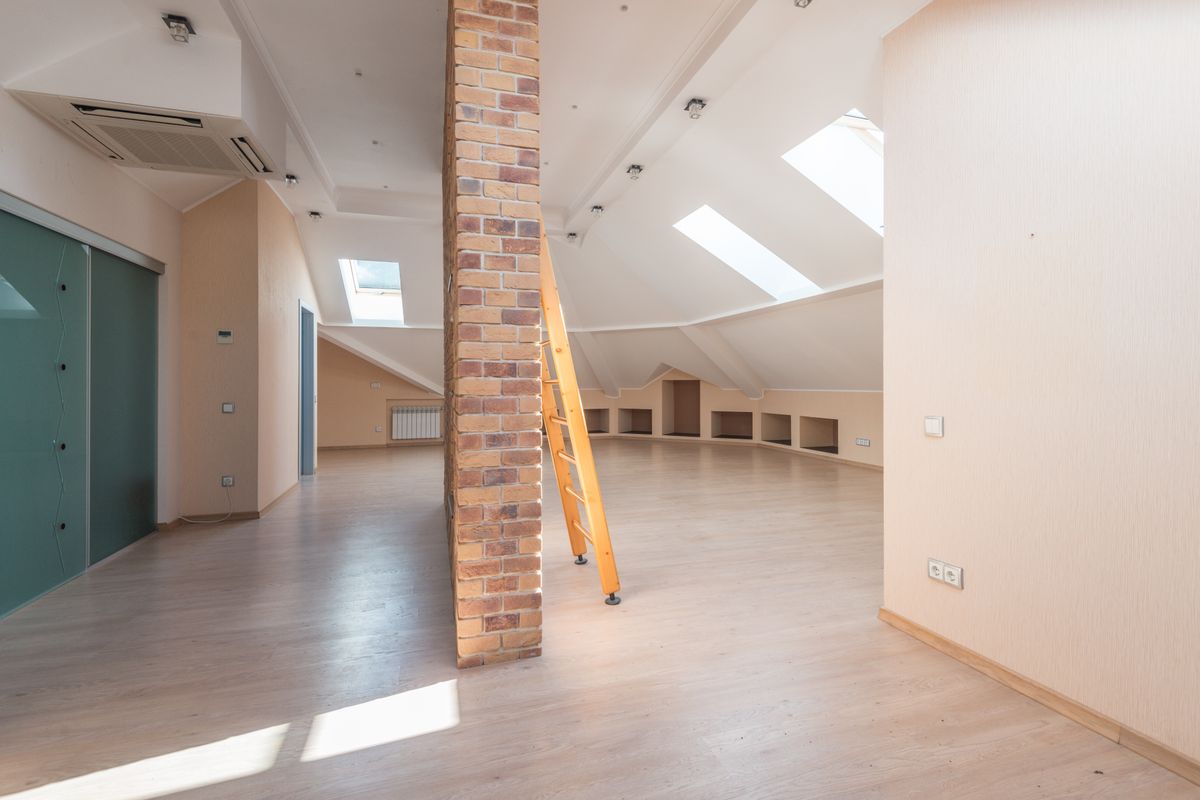
Most homeowners rarely think about their attic until a problem becomes impossible to ignore. Since the attic is often out of sight, it is easy to assume everything is in good condition above the ceiling. Unfortunately, hidden issues can develop over time without any obvious warning signs. Roof leaks, moisture buildup, pest infestations, insulation damage, and structural concerns frequently begin in the attic before spreading to other parts of the home.
An attic inspection is one of the most important parts of maintaining a safe and energy-efficient property. By examining this overlooked space, homeowners can identify problems early, avoid expensive repairs, and protect the overall condition of their homes. Understanding what inspectors look for and why attic inspections matter can help you make informed decisions about property maintenance.
What Is an Attic Inspection?
An attic inspection is a detailed evaluation of the attic area to identify signs of damage, deterioration, or potential hazards. Professional inspectors assess various components, including insulation, ventilation systems, roofing structures, electrical wiring, and evidence of water intrusion.
The purpose of an attic inspection is not only to find existing problems but also to detect conditions that could lead to future damage. Since many critical home systems connect through the attic, this area often reveals hidden issues that may not be visible from inside the living space.
Whether you are buying a home, selling a property, or conducting routine maintenance, an attic inspection provides valuable insight into the health of the building.
Why Attic Inspections Are Important
Many serious home problems start in the attic and gradually spread throughout the structure. A small roof leak, for example, may initially affect only a few shingles. Over time, water can penetrate the attic, damage insulation, weaken wooden framing, and create ideal conditions for mold growth.
Attic inspections help homeowners detect these issues before they become major expenses. Early identification allows repairs to be completed quickly and often at a significantly lower cost.
Regular inspections also contribute to better indoor comfort. Proper insulation and ventilation improve temperature control, reduce energy waste, and lower heating and cooling costs. In many cases, homeowners discover that attic-related improvements can make their homes more comfortable year-round.
Read more about our Full Home Inspection.
Common Problems Found During an Attic Inspection
Roof Leaks and Water Damage
Water intrusion is one of the most common issues discovered during attic inspections. Even a small leak can cause extensive damage if left untreated. Inspectors look for water stains, damp insulation, discoloration on wood surfaces, and signs of mold growth.
Leaks may result from damaged shingles, deteriorated flashing, cracked roof vents, or weather-related wear and tear. Identifying these problems early helps prevent costly structural repairs.
Insulation Issues
Insulation plays a critical role in maintaining indoor temperatures and energy efficiency. During an attic inspection, professionals evaluate the condition, coverage, and effectiveness of the insulation.
Insulation that is compressed, damaged, wet, or insufficient can increase energy consumption and create uneven temperatures throughout the home. Poor insulation may also contribute to moisture problems and ice dam formation in colder climates.
Ventilation Problems
Proper attic ventilation allows fresh air to circulate while removing excess heat and moisture. Without adequate ventilation, temperatures can rise dramatically during summer months, causing roofing materials to deteriorate more quickly.
Poor airflow may also lead to condensation buildup, which can damage insulation, wood framing, and other structural components. Inspectors examine vents, airflow pathways, and ventilation systems to ensure they are functioning correctly.
Pest Infestations
Attics provide an attractive shelter for rodents, birds, insects, and other pests. During an inspection, signs such as droppings, nesting materials, chewed wires, and damaged insulation may indicate unwanted visitors.
Pest infestations can create health risks and cause significant property damage. Identifying the problem early helps prevent further destruction and allows for effective removal and prevention measures.
Structural Components Inspectors Evaluate
The attic contains several structural elements that support the roof and overall integrity of the home. Inspectors carefully examine rafters, trusses, joists, and decking for signs of damage.
Cracked wood, sagging structures, excessive moisture, and wood rot can indicate serious concerns that require immediate attention. Structural problems often develop slowly, making routine inspections essential for early detection.
Inspectors also look for signs of improper modifications or repairs that may compromise the safety and stability of the structure.
Electrical Safety in the Attic
Electrical systems located in the attic require careful inspection. Exposed wiring, damaged insulation around electrical cables, overloaded circuits, and unsafe connections can all increase the risk of fire.
Because attic spaces are often used for running electrical lines, they may contain hidden hazards that are not visible elsewhere in the home. Inspectors evaluate wiring conditions and identify potential safety concerns that should be addressed by a qualified electrician.
Maintaining electrical safety in the attic protects both the property and its occupants.
Signs Your Attic May Need an Inspection
Certain warning signs suggest it may be time to schedule an attic inspection. Homeowners should pay attention to changes that could indicate hidden problems above the ceiling.
Some common signs include:
- Unexplained increases in energy bills
- Water stains on ceilings or walls
- Musty odors inside the home
- Uneven indoor temperatures
- Visible mold growth
- Pest activity or unusual noises
- Sagging roof sections
Even if these symptoms appear minor, they may indicate larger issues developing within the attic space.
Benefits of Regular Attic Inspections
Regular attic inspections provide several long-term advantages for homeowners. One of the biggest benefits is cost savings. Small problems are generally less expensive to repair than major structural damage resulting from years of neglect.
Routine inspections also improve energy efficiency. Identifying insulation gaps and ventilation issues can help reduce utility costs and create a more comfortable indoor environment.
Another advantage is increased property value. Homes that are well-maintained and free from significant attic issues are often more attractive to potential buyers. Documented inspections can also provide reassurance during real estate transactions.
Most importantly, regular inspections contribute to overall home safety by identifying potential hazards before they become serious threats.
Attic Inspection Checklist
The following table summarizes key areas commonly evaluated during an attic inspection:
| Inspection Area | Purpose |
| Roof Structure | Check for leaks, damage, and deterioration |
| Insulation | Assess coverage, condition, and efficiency |
| Ventilation | Ensure proper airflow and moisture control |
| Electrical Wiring | Identify fire hazards and safety concerns |
| Pest Activity | Detect infestations and related damage |
| Structural Components | Evaluate framing, rafters, and supports |
| Moisture Levels | Identify condensation and water intrusion |
| Mold Growth | Detect health and structural risks |
Using a thorough checklist helps ensure no important component is overlooked.
Conclusion
An attic inspection is one of the most effective ways to uncover hidden problems before they become expensive repairs. Although the attic may not be a space homeowners visit frequently, it plays a crucial role in protecting the entire structure. Roof leaks, insulation deficiencies, ventilation issues, pest infestations, and structural concerns often begin in this area and can remain unnoticed for years.
Scheduling regular attic inspections helps maintain energy efficiency, improve indoor comfort, protect property value, and enhance overall safety. By understanding what may be hiding above your ceiling, you can take proactive steps to preserve the health and longevity of your home.
Frequently Asked Questions
1. How often should an attic inspection be performed?
Most experts recommend a professional attic inspection every one to two years, or after severe weather events.
2. Can attic problems affect energy bills?
Yes. Poor insulation and inadequate ventilation can significantly increase heating and cooling costs.
3. What is the most common issue found during attic inspections?
Roof leaks and moisture-related damage are among the most frequently discovered attic problems.
4. Are attic inspections necessary when buying a home?
Absolutely. An attic inspection can reveal hidden defects that may not be visible during a standard property walkthrough.
5. Can mold grow in an attic?
Yes. Excess moisture, poor ventilation, and roof leaks can create ideal conditions for mold growth within the attic.