by Flinn Inspections
Share
by Flinn Inspections
Share
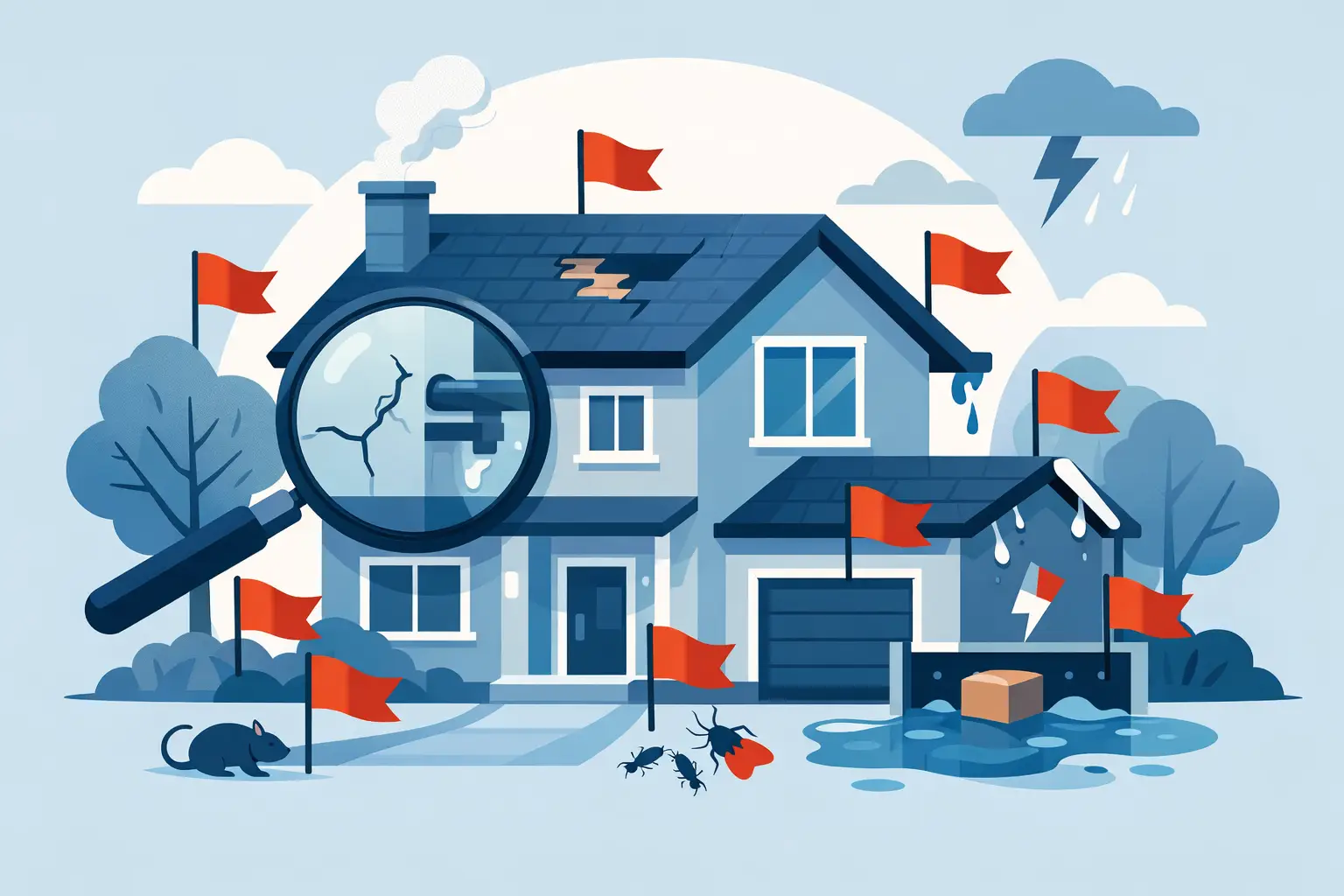
A house can look clean, updated, and move-in ready – and still hide expensive problems behind fresh paint and staged furniture. When buyers ask about the top red flags in homes, they are usually trying to answer one real question: what could cost me thousands after closing?
The answer is rarely one dramatic issue alone. More often, major trouble shows up through smaller warning signs that point to moisture intrusion, structural movement, unsafe systems, or neglected maintenance. Some concerns are manageable if identified early. Others deserve immediate evaluation before you move forward with a purchase or major repair.
Why the top red flags in homes matter
A home inspection is not about hunting for perfection. Every property has wear, aging materials, and maintenance items. The real concern is whether visible conditions suggest deeper defects, shortened system life, or a pattern of deferred care.
That distinction matters even more in competitive markets. In places like Columbus, Dublin, and Powell, buyers can feel pressure to act quickly. Speed should never replace clarity. A fast decision is still a major financial decision, and red flags help separate cosmetic issues from true risk.
1. Foundation cracks and signs of movement
Not every crack means structural failure. Concrete shrinks, settles, and can develop minor hairline cracking over time. The concern rises when cracks are wide, stair-stepped in masonry, growing, or paired with other movement indicators.
Watch for sloping floors, sticking doors, windows that no longer open smoothly, gaps around trim, or cracks reappearing after patching. These clues can point to settlement, shifting, or moisture conditions affecting the structure. In Central Ohio, seasonal moisture swings and drainage issues can make these patterns more pronounced.
A structural concern does not always mean a deal should die. It does mean the issue needs to be properly evaluated, documented, and priced with clear eyes.
2. Water intrusion in basements, crawl spaces, and attics
Water is one of the most common and costly problems in residential properties. It damages framing, insulation, drywall, flooring, and air quality. It can also create conditions for mold growth and ongoing hidden deterioration.
Basement staining, efflorescence on foundation walls, musty odors, rusted metal components, and damp insulation are all warning signs. In attics, water marks on sheathing, darkened wood, and compressed insulation may indicate roof leaks or poor ventilation. Crawl spaces can reveal standing water, high humidity, fungal growth, or failing vapor barriers.
This is where people get misled by cosmetic cleanup. A freshly painted basement wall can hide prior moisture staining. New flooring can cover a past leak. The goal is to determine whether the source was corrected or simply concealed.
3. Roof wear that suggests near-term replacement
A roof does not have to be actively leaking to be a red flag. Aging shingles, granular loss, exposed fasteners, damaged flashing, and soft spots can all signal a roof nearing the end of its service life.
Roof problems are not limited to the shingles themselves. Improper flashing around chimneys, vents, and wall intersections often creates the real leak path. Gutters and downspouts matter too. If water is not being directed away from the home, roofing and foundation issues can start feeding each other.
For buyers, the trade-off is practical. An older roof may still have some life left, but if replacement is likely soon, that should be part of your budgeting and negotiation strategy.
4. Electrical issues that raise safety concerns
Electrical defects are among the most serious red flags because they can affect both safety and insurability. Common concerns include double-tapped breakers, missing panel knockouts, improper wiring, outdated components, open splices, reversed polarity, and lack of proper grounding or GFCI protection where required.
Older homes deserve extra attention here. Age alone does not make a system unsafe, but older electrical infrastructure may not match current demands. DIY modifications are another major concern. If wiring looks inconsistent, poorly supported, or patched together over time, it deserves a closer look.
This is one area where surface appearance means very little. A home can have stylish finishes and still contain unsafe electrical work behind the walls.
5. Plumbing leaks, corrosion, and drain concerns
Small plumbing defects rarely stay small. A slow leak under a sink, around a toilet, or near a water heater can damage cabinetry, subflooring, and nearby finishes long before it becomes obvious.
Look for corrosion on supply lines, active dripping, water staining, loose fixtures, low pressure, slow drains, or signs of prior patchwork. Material type matters too. Depending on the age of the home, certain piping may be more failure-prone than others. Sewer line issues can also stay hidden until backups or major repairs occur, which is why a sewer camera scope can add real value when warning signs are present.
A plumbing red flag is not only about leakage. It is also about reliability. If a system shows widespread wear, the repair conversation may quickly become a replacement conversation.
6. HVAC systems showing deferred maintenance
Heating and cooling equipment can be expensive to replace, and poor performance affects more than comfort. It can point to neglected servicing, unsafe operation, airflow issues, or shortened equipment life.
Warning signs include rust, excessive noise, dirty components, disconnected ductwork, poor temperature differentials, damaged flue connections, and aging units well past typical service expectations. Filters clogged with dust may also suggest the system has not been maintained consistently.
This is where inspection matters more than seller language. “Working fine” is not the same as operating safely and efficiently. A system can turn on during a showing and still be in poor condition.
7. Mold-like growth and indoor air quality concerns
Visible microbial growth, persistent musty odors, and chronic humidity problems should never be brushed off. Mold is often a symptom before it is the full diagnosis. The bigger question is why moisture is present long enough to support growth.
Bathrooms with failed exhaust ventilation, damp basements, leaking attics, and crawl spaces with excess moisture are common sources. Even when visible growth is limited, conditions may point to broader air quality concerns. That is especially important for households with allergies, asthma, or other respiratory sensitivities.
Testing is not necessary in every situation, but when moisture patterns, staining, or odor are present, further evaluation can help define the scope rather than relying on guesswork.
8. Windows, doors, and exterior details that tell a bigger story
Sometimes the best clues about a home’s condition are found at the edges. Rotting trim, failed caulking, loose siding, missing kickout flashing, soft window sills, and deteriorated wood components often point to long-term water exposure.
Doors and windows that bind may indicate settlement, but they can also result from poor installation or moisture distortion. Exterior grading is another big one. If the soil slopes toward the house, or downspouts discharge too close to the foundation, moisture problems tend to follow.
These may sound like minor items, but they often reveal how well the property has been maintained overall. A house with widespread exterior neglect may have similar patterns inside the systems you cannot see.
9. Signs of pests, termites, or wood-destroying damage
Pest activity can be easy to miss during a casual walkthrough. Termite tubes, damaged wood, frass, entry gaps, and moisture-heavy conditions around the structure all deserve attention.
The challenge is that damage may remain hidden until an inspection gets into accessible attic, crawl space, basement, and structural areas. Wood-destroying organisms tend to overlap with moisture issues, so pest findings are often part of a larger maintenance picture rather than a stand-alone problem.
In some cases, treatment addresses the active issue while repairs address the damage left behind. You want clarity on both.
10. Too many recent cosmetic fixes in the wrong places
New paint is not a defect. Fresh finishes are normal when preparing a home for sale. The red flag appears when cosmetic updates cluster around areas that commonly hide damage – basement walls, ceiling patches under bathrooms, newly boxed-in plumbing access points, or isolated replacement materials that do not match the rest of the home.
This does not mean a seller is being dishonest. Repairs may have been legitimate and complete. But when presentation outpaces documentation, buyers should ask better questions. What was repaired? When? By whom? Was the underlying source corrected?
When a red flag is serious – and when it is manageable
Not every issue should stop a transaction. Some defects are routine and negotiable. Others affect safety, financing, insurance, or immediate habitability. The key is context.
A single cracked window pane is a repair item. Widespread window rot and visible water staining may indicate broader envelope failure. One patched plumbing leak may be old history. Multiple leaks, corrosion, and active moisture suggest a system under stress.
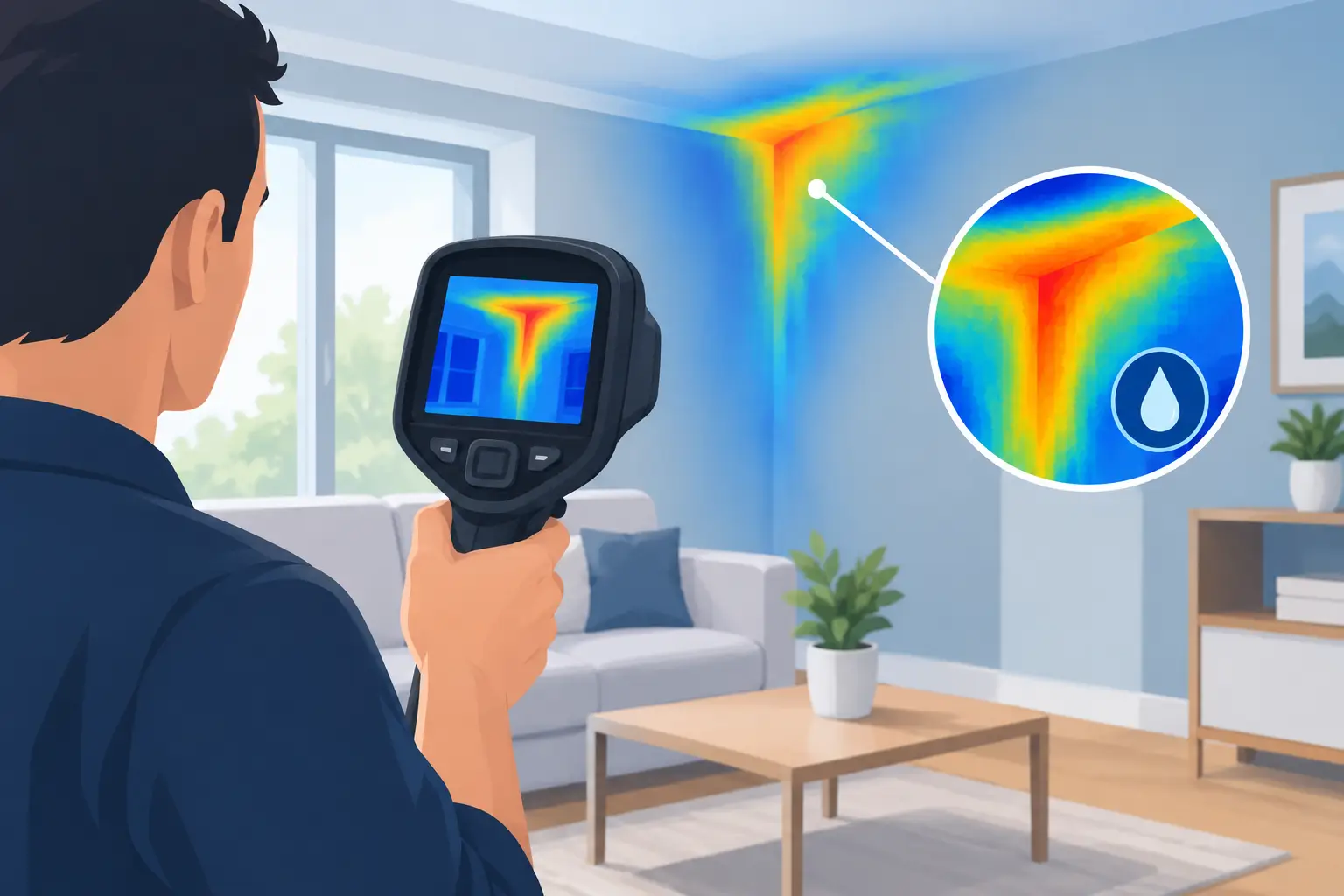
That is why thorough inspections matter. A reliable inspection does more than point out defects. It helps you understand which findings are isolated, which are connected, and which deserve urgent next steps. Advanced tools such as thermal imaging, moisture detection, gas leak detection, and targeted ancillary services can be especially useful when the visible evidence suggests hidden conditions.
If you are buying, selling, or evaluating a property you already own, the smartest move is not to fear red flags. It is to catch them while you still have options.