by Flinn Inspections
Share
by Flinn Inspections
Share
A home in Powell can look move-in ready at first glance, then tell a very different story once the inspection starts. A newer build may still have drainage concerns, missing insulation details, or incomplete workmanship behind finished surfaces. An older property may show solid structure but hide issues in the sewer line, electrical system, or crawl space. That is why Powell home inspection services should be chosen based on depth, speed, and the ability to evaluate the whole property – not just the obvious parts.
When you are making decisions on a major investment, you need more than a checklist. You need clear findings, practical explanations, and an inspection partner who knows how to identify defects before they become expensive surprises. Whether you are buying your first home, managing a warranty deadline, reviewing a rental property, or evaluating a commercial building, the right inspection should help you move forward with confidence.
What Powell home inspection services should actually include
A thorough inspection starts with the structure, roofing, exterior, interior, plumbing, electrical, HVAC, insulation, and ventilation. That is the baseline. If a company stops there, you may still be left coordinating multiple specialists just to understand the full condition of the property.
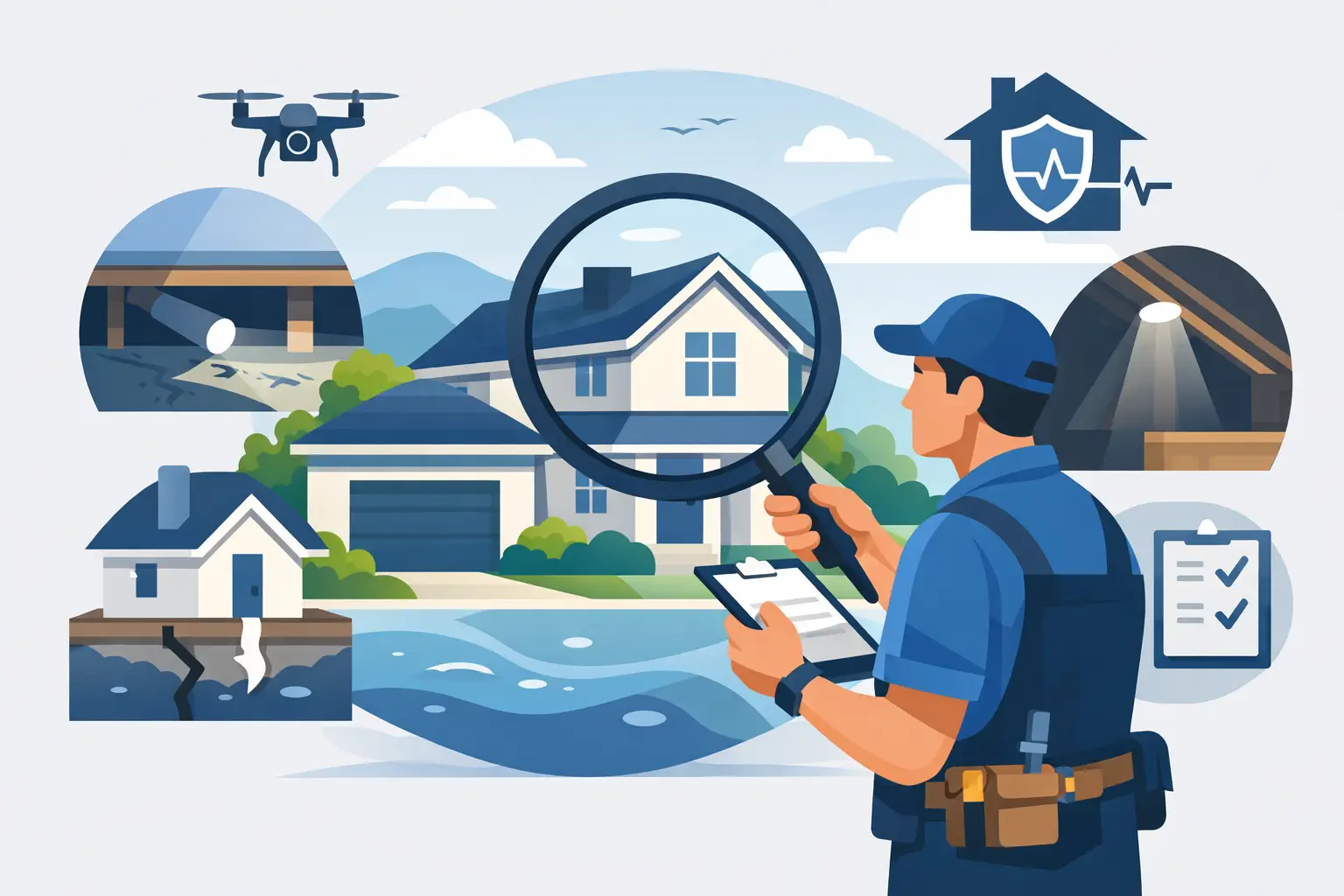
Strong Powell home inspection services go further by offering a broader view of risk. That often includes termite inspections, radon testing, mold and air quality testing, sewer camera scopes, septic evaluations, well water inspections, fireplace inspections, pool inspections, and environmental testing when conditions warrant it. For the client, that matters because real estate timelines are tight. The more complete the inspection process, the easier it is to make decisions quickly and with fewer blind spots.
This all-in-one approach is especially valuable in active markets where buyers are balancing speed with caution. You do not want to close first and investigate later. You want as much meaningful information as possible while negotiations, repair requests, and pricing decisions are still on the table.
Different properties need different inspection strategies
Not every property should be inspected the same way. That is where experience matters.
For a standard resale home, the goal is a full-picture assessment. You want to understand safety concerns, deferred maintenance, aging systems, and any signs that bigger structural or moisture issues may be developing. In these cases, the inspection should help separate cosmetic wear from items that truly affect cost, livability, or future risk.
For new construction, the assumption that everything is fine because the home is new can be costly. New homes can still have grading issues, framing concerns, incomplete flashing, HVAC defects, plumbing leaks, or missing components hidden behind walls. A phased approach often makes more sense, with foundation inspections, pre-drywall inspections, and final inspections helping catch problems at the point where they are easiest to correct.
For homeowners approaching the end of a builder warranty, an 11-month warranty inspection can be one of the smartest evaluations you schedule. Small cracks, settlement signs, moisture intrusion, and mechanical issues often show themselves only after the home has been lived in for several seasons. If those issues are documented before the warranty expires, you may have better leverage to request corrections.
For investors, time and focus matter. An investor inspection or 5-point inspection is often about quickly understanding the condition of key systems, likely repair costs, and whether the asset fits the deal. That is a different conversation than a first-time buyer inspection, but it still requires precision.
Commercial properties also demand a broader operational mindset. Beyond visible defects, the inspection should consider system age, maintenance patterns, safety concerns, and potential capital expenses. A missed issue in a commercial setting can affect tenants, operations, liability, and long-term return.
Why advanced tools matter during a home inspection
A quality inspection is never just a visual walk-through. The best inspectors combine experience with technology that helps verify what cannot be seen with the naked eye.
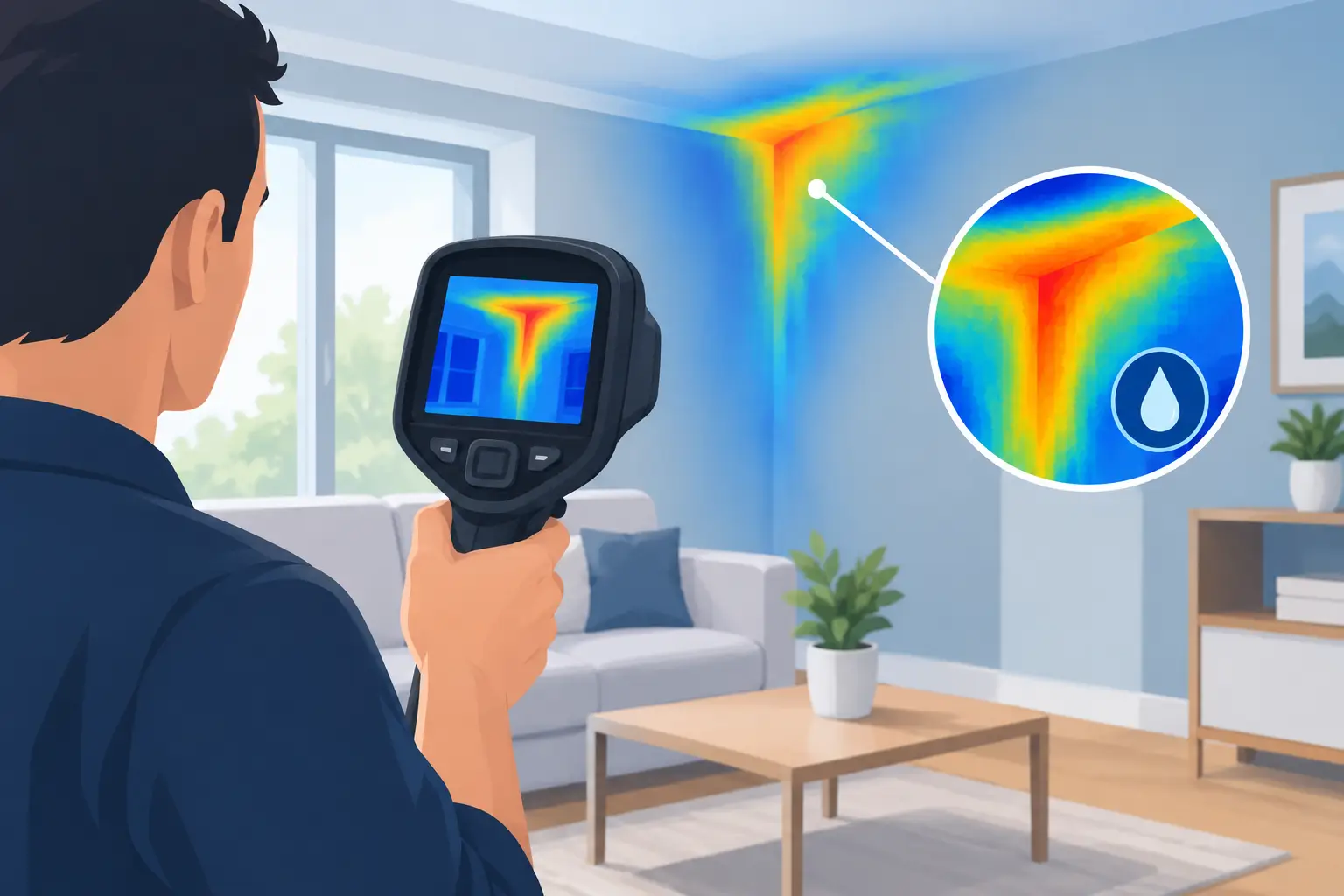
Thermal imaging can help detect temperature anomalies tied to missing insulation, active moisture intrusion, or overheating electrical components. Gas leak detection adds another layer of protection where fuel systems are present. Moisture meters, electrical testing equipment, combustion analysis tools, and sewer cameras can all add critical evidence when conditions point to a deeper concern.
That does not mean every advanced tool is necessary on every job. It depends on the property type, age, utilities, and visible conditions. But when an inspector has those capabilities available, clients benefit from stronger diagnostics and fewer assumptions. If there is a concern, it should be tested, documented, and explained.
The report matters as much as the inspection
A careful inspection loses value if the report is late, vague, or difficult to use. In real estate, timing matters. Buyers, sellers, agents, and attorneys often need answers the same day so next steps can stay on track.
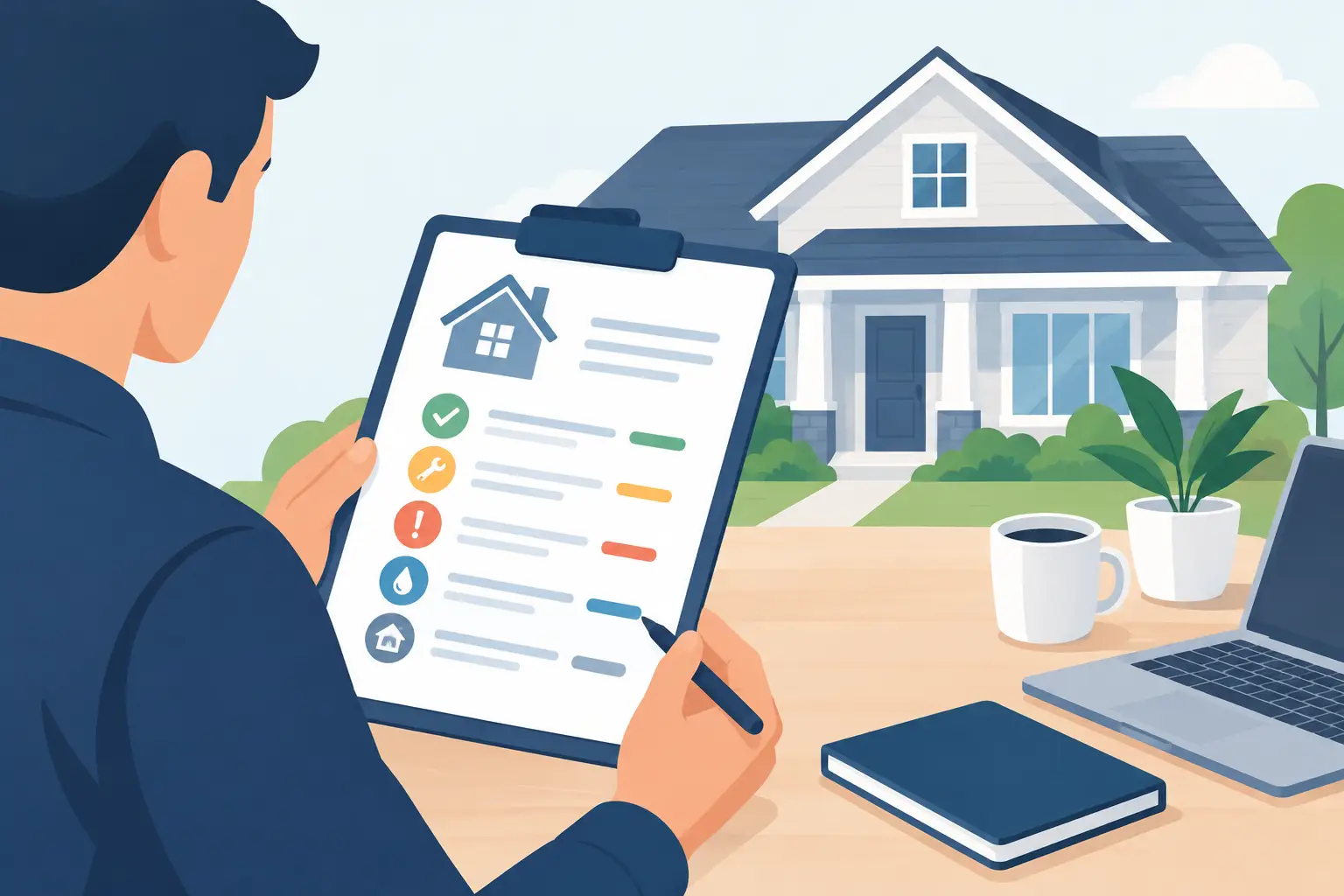
That is why reporting speed should never be treated as a minor detail. Same-day reports give clients time to review findings, ask questions, and respond within contract deadlines. Just as important, the report should be organized in a way that makes the information usable. You should be able to identify material defects, understand recommended next steps, and distinguish between routine maintenance and issues that deserve immediate attention.
Good reporting also supports calm decision-making. A home inspection is not a pass-fail event. Every property has findings. The real value is understanding which findings affect safety, function, cost, and negotiation.
What buyers in Powell should pay close attention to
Local housing stock can vary from newer developments to more established homes, and that changes what deserves extra scrutiny. In newer homes, buyers should pay close attention to drainage, grading, flashing details, insulation consistency, attic ventilation, and incomplete finish work. Many defects in new construction are not dramatic – they are subtle installation errors that can create moisture or performance problems later.
In older homes, the priorities often shift toward electrical updates, plumbing materials, roof age, foundation movement, window performance, and signs of past water intrusion. Sewer line condition can also become a major expense, which is why a sewer camera scope can be a smart add-on when the age or condition of the home supports it.
Radon is another issue that should not be treated lightly. Because it is odorless and invisible, testing is the only way to know whether elevated levels are present. The same practical logic applies to mold concerns, air quality questions, well water issues, and termite activity. If the property presents the risk, the inspection plan should reflect it.
How to choose among Powell home inspection services
The lowest price rarely delivers the highest value. What matters more is whether the company can protect your time, your money, and your decision-making process.
Start with scope. Ask what is included in the standard inspection and what additional services can be handled at the same appointment. Then look at credentials, experience, and whether the company uses advanced tools as part of its normal process rather than as a sales add-on. Reporting speed should be clear upfront. So should availability, communication, and whether the inspector takes time to educate you during the process.
A strong inspection company should also be able to speak plainly. Clients do not need jargon for the sake of sounding technical. They need accurate findings explained in a way that supports action. That is especially important for first-time buyers, but experienced investors and commercial clients benefit from the same clarity.
Flinn Inspection Group is built around that standard – thorough inspections, broad service coverage, advanced diagnostic tools, same-day reports, and a process designed to protect clients at every stage of property ownership.
The real value of a thorough inspection
A thorough inspection does more than find defects. It gives buyers leverage, helps homeowners plan maintenance, supports warranty claims, and reduces the chance that a hidden issue turns into a financial setback.
Sometimes the result of an inspection is a renegotiation. Sometimes it is a repair request. Sometimes it is peace of mind because the home is in better condition than expected. And sometimes it is the clarity to walk away from a bad fit before the costs stack up. All of those outcomes have value.
The key is choosing an inspection that matches the stakes. If you are trusting someone to evaluate a major purchase, that inspection should cover every square foot with care, use the right tools when questions arise, and deliver answers while they still matter. A property can only be understood as well as it is inspected – and that makes the right inspection service one of the smartest decisions in the entire transaction.
When the next step involves your home, your investment, or your deal timeline, choose the inspection that gives you facts you can actually use.