by Flinn Inspections
Share
by Flinn Inspections
Share
A home can look solid during a 20-minute walkthrough and still hide expensive problems behind drywall, under insulation, or inside crawl spaces. That is why knowing how to choose home inspector services matters before you sign off on one of the biggest investments you will ever make.
The right inspector does more than point out defects. They help you understand condition, risk, and what needs attention now versus later. A weak inspection can leave you with missed issues, vague reporting, and little confidence when it is time to negotiate repairs or plan for ownership. A thorough inspection gives you clarity when the stakes are high.
How to choose home inspector based on qualifications
Start with credentials, but do not stop there. Licensing requirements vary by state, and a license alone does not tell you how detailed or experienced an inspector really is. You want an inspector who can explain their training, certifications, field experience, and inspection process in plain language.
Ask how long they have been inspecting, what types of properties they handle, and whether they work with older homes, new construction, investment properties, or commercial buildings. A first-time buyer in a 1990s subdivision and an investor evaluating a mixed-use building do not need exactly the same level of expertise. The best fit depends on the property and your goal.
It is also fair to ask what standards they follow and whether they carry insurance. Professional standards matter because they define what is inspected and how findings are reported. Insurance matters because it signals professionalism and accountability.
Look closely at what the inspection actually includes
One of the biggest mistakes buyers make is assuming every home inspection is basically the same. It is not. Some inspectors provide a basic visual review. Others offer a much more complete evaluation with advanced tools and optional add-on services that can catch issues a standard inspection might miss.
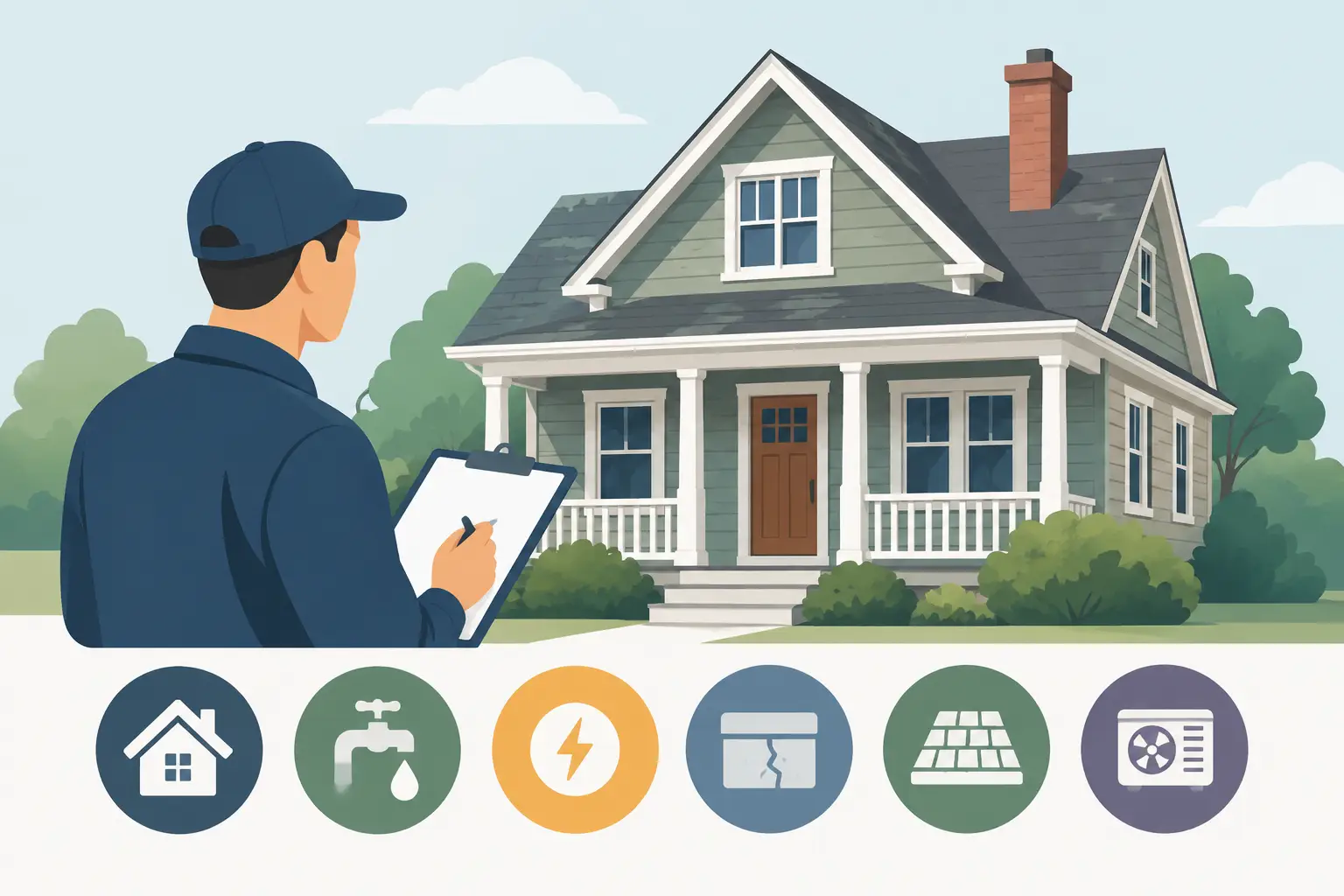
Before you book, ask exactly what is included in the quoted price. Will they inspect the roof, attic, foundation, structure, electrical, plumbing, HVAC, windows, doors, insulation, and built-in appliances? Do they enter crawl spaces when accessible? Do they inspect every readily accessible area or only the main systems?
Then ask about ancillary services. Depending on the property, you may need radon testing, termite inspection, sewer camera scoping, mold or air quality testing, well water testing, septic inspection, pool inspection, fireplace inspection, or lead-based paint and asbestos evaluation. If you have to coordinate multiple vendors on a tight contract timeline, that can create delays and missed opportunities. An inspector who can handle more under one roof often saves time and reduces friction.
This is especially relevant in fast-moving markets like Central Ohio, where buyers in places such as Columbus, Dublin, and Powell often need answers quickly. Speed matters, but only if the inspection is still thorough.
How to choose home inspector by the tools they use
Experience matters, but tools matter too. A careful inspector with the right equipment can often identify concerns that are easy to overlook with the naked eye.
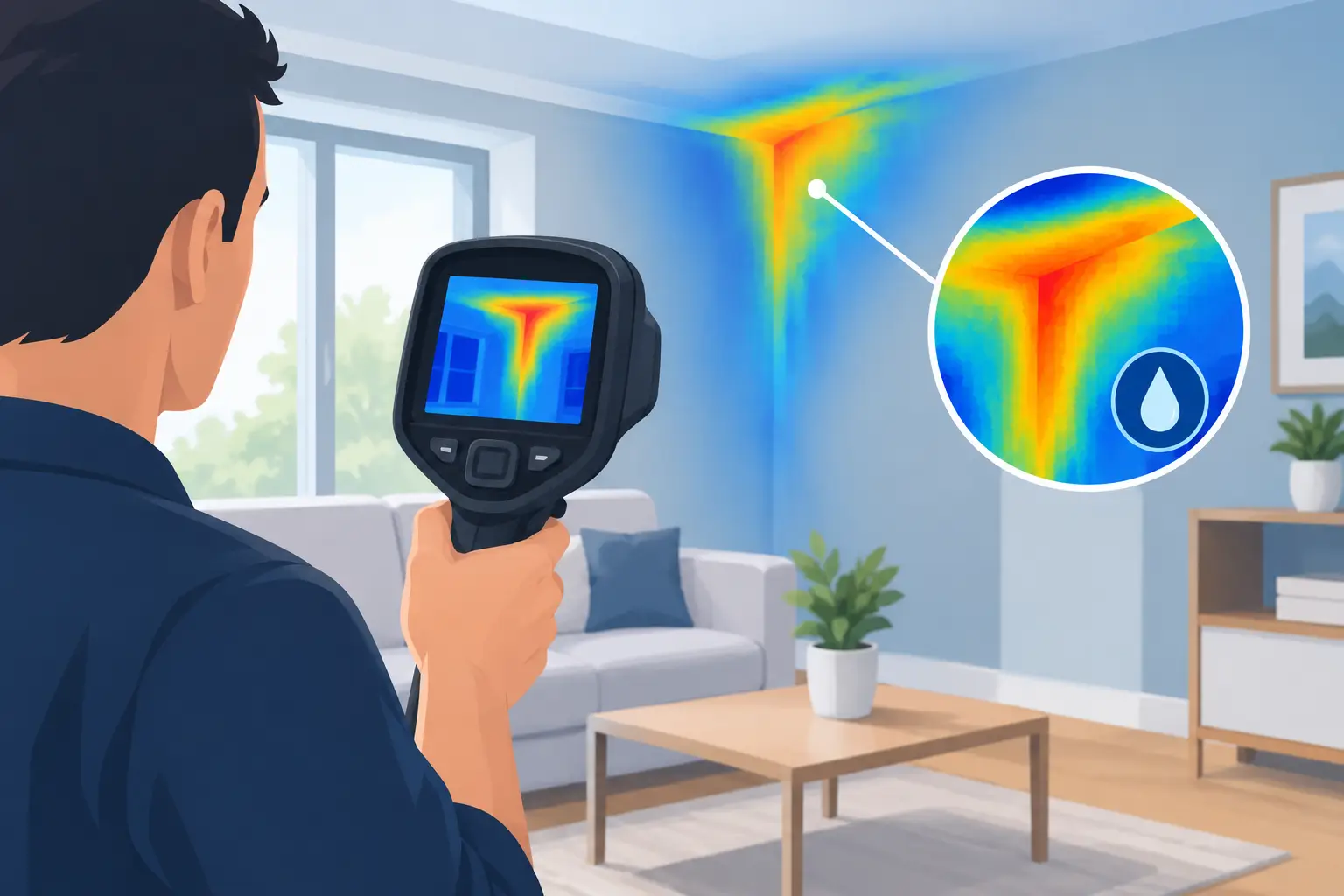
Ask whether they use thermal imaging, moisture meters, gas leak detection, and other diagnostic tools when appropriate. Thermal imaging can help identify temperature differences that may point to moisture intrusion, missing insulation, or electrical concerns. Gas leak detection adds another layer of safety. Moisture tools can help confirm whether a stain is old history or a current problem.
That said, tools are only valuable in skilled hands. Fancy equipment does not guarantee a good inspection. You want an inspector who knows when to use these tools, what the readings mean, and how to explain the findings without exaggerating them. Good inspectors do not create panic. They create understanding.
The report should help you act, not leave you guessing
A home inspection report is not just a formality. It is the document you may use to negotiate repairs, budget future maintenance, or decide whether to move forward at all. If the report is hard to read or too vague, the inspection loses a lot of its value.
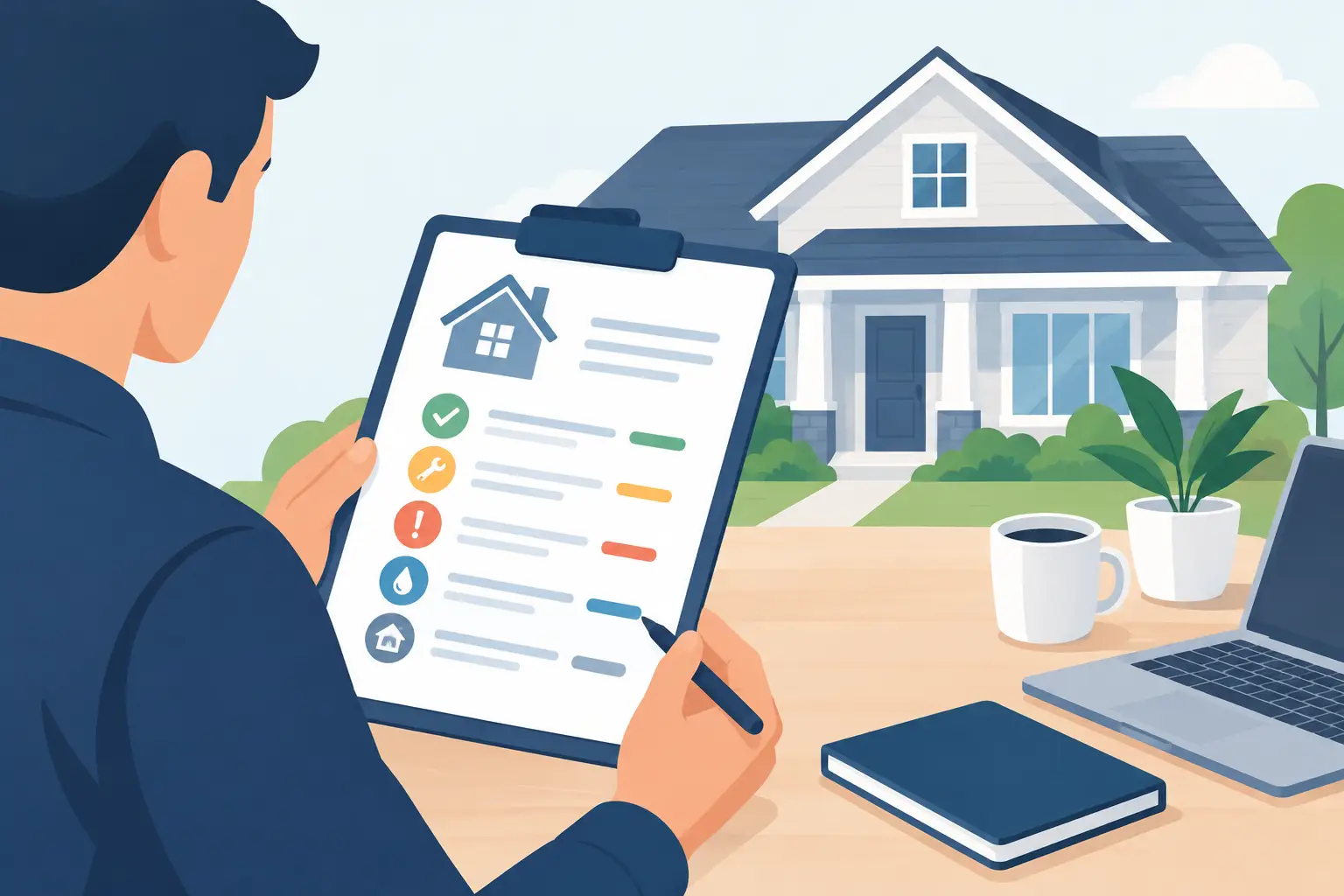
Ask for a sample report before hiring anyone. Look for clear descriptions, organized findings, photos, and practical recommendations. The best reports separate major defects, safety concerns, and routine maintenance items so you can see what truly deserves attention first.
Timing matters too. In many real estate transactions, you do not have days to wait for answers. Same-day reporting can make a real difference when inspection deadlines are tight. Fast delivery should never come at the expense of quality, but a company that is built to inspect thoroughly and report quickly can help keep your transaction moving.
Reviews can tell you what credentials cannot
Online reviews should not be the only factor, but they are useful when you read them with the right mindset. Do not just look at the star rating. Read for patterns.
Do clients mention that the inspector was thorough, on time, professional, and easy to understand? Do agents say the company communicates well and keeps deals moving without cutting corners? Do buyers say they felt educated rather than rushed? Those details matter more than generic praise.
Also pay attention to how the company responds to issues. Every service business will face the occasional complaint. What matters is whether they respond with professionalism and accountability.
Price matters, but cheap inspections can be expensive
It is natural to compare prices, especially when you are already paying for appraisal, lending fees, closing costs, and moving expenses. But home inspection is one place where the cheapest option can cost you the most.
A lower fee may reflect a shorter inspection, less experience, fewer tools, limited reporting, or a narrower scope. That does not mean the highest price is always the best choice either. What you want is clear value. Ask what is included, how long the inspection typically takes, what the report contains, and whether there is any warranty or post-inspection support.
If one quote is much lower than the others, ask why. There may be a reasonable explanation. Or it may be a sign that corners are being cut in a process where details matter.
Ask how they handle questions during and after the inspection
A good inspector is not just a technician. They are also your guide through a complicated decision. You should know whether you can attend the inspection, ask questions on site, and follow up after you receive the report.
This is especially important for first-time buyers, but experienced owners and investors benefit from it too. The best inspectors explain findings in a way that helps you prioritize. They can tell you when an issue is serious, when it is common for the age of the home, and when it should simply go on your maintenance list.
That kind of education has real value. It helps you make decisions with confidence instead of reacting emotionally to every item in the report.
Choose an inspector who fits the property and the moment
Not every inspection need is the same. If you are buying a resale home, you need a comprehensive pre-purchase inspection. If you are building a home, phased inspections, pre-drywall inspections, and foundation reviews may be the smarter move. If you are nearing the end of a builder warranty, an 11-month inspection can uncover issues before your coverage expires.
Investors may want a more focused assessment tied to risk, cost, and timeline. Owners of older properties may need extra attention to sewer lines, moisture, electrical upgrades, or environmental concerns. Commercial buyers need a different level of evaluation altogether.
A strong inspection company will not push a one-size-fits-all package. They will help you match the service to the property and your decision timeline.
Red flags when choosing a home inspector
Some warning signs are easy to spot. Be cautious if an inspector cannot clearly explain what is included, avoids questions about credentials, refuses to provide a sample report, or promises that the house is perfect. No credible inspector can guarantee there will be no issues.
You should also be careful with inspections that seem unusually fast. Thorough inspections take time. The exact length depends on the size, age, condition, and complexity of the property, but a rushed visit rarely serves the client well.
Another red flag is poor communication before you even book. If scheduling is difficult, answers are vague, or the company seems hard to reach, that may only get worse once you are under contract and on a deadline.
The best choice is the one that gives you confidence
If you are trying to decide how to choose home inspector services, the real question is this: who will protect your investment with the right mix of thoroughness, speed, skill, and accountability?
Look for proven credentials, a clear scope, advanced tools, strong reporting, and a company that treats your questions seriously. If they can combine all-in-one service options with same-day reporting and a customer-first process, even better. That is the kind of inspection experience that helps you move forward with facts instead of guesswork.
Your inspection should do more than check a box. It should give you a clearer picture of the property, the risks, and the next step that makes sense for you.