by Flinn Inspections
Share
by Flinn Inspections
Share
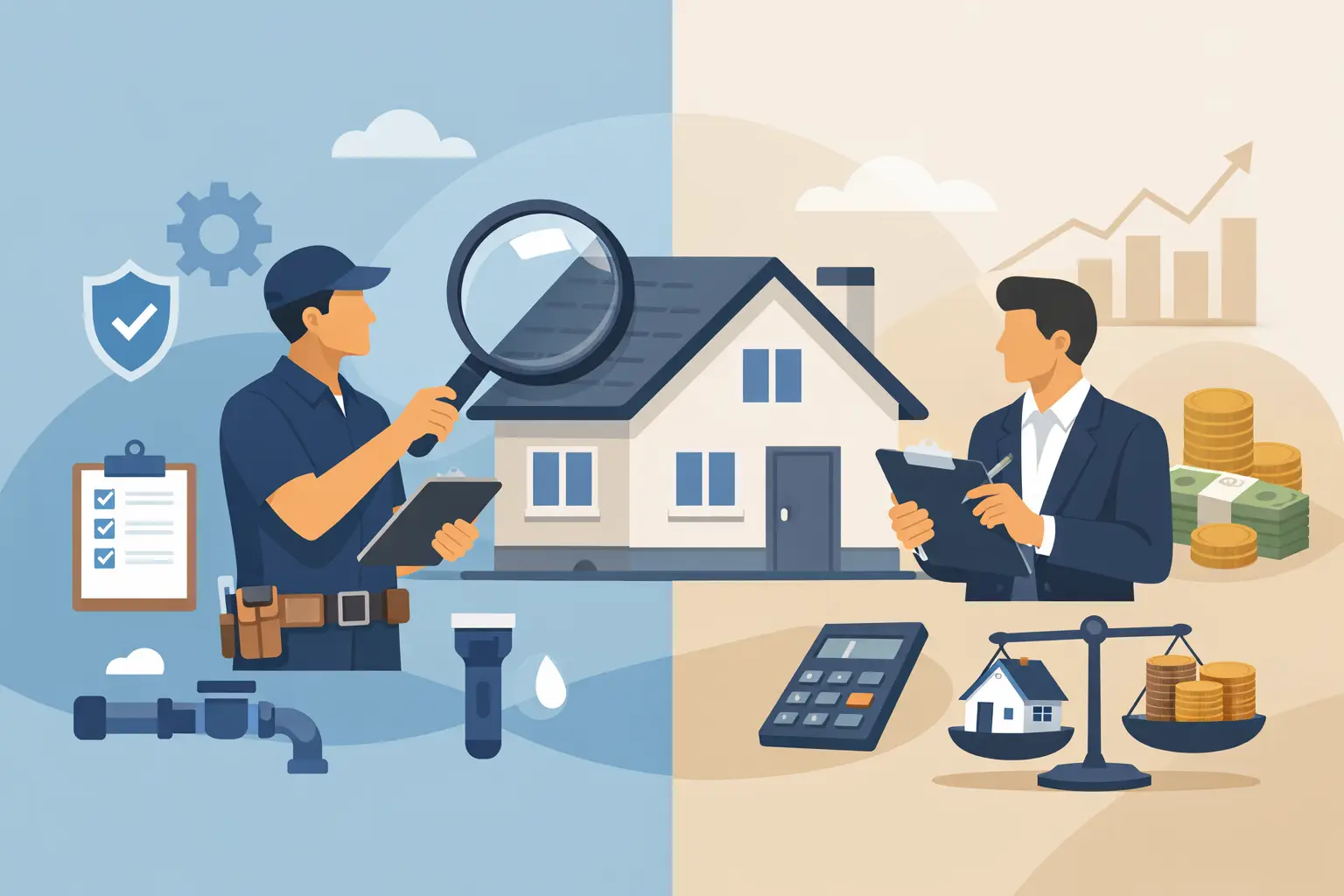
A deal can feel solid one minute and shaky the next when someone says, “The appraisal came in” and someone else asks, “Did the inspection find anything?” If you are comparing home inspection vs appraisal, you are really asking two different questions about the same property. One is about condition. The other is about value.
That difference matters more than most buyers realize. An appraisal helps a lender decide whether the home supports the loan amount. A home inspection helps you understand what you are actually buying, from roof wear and foundation movement to electrical concerns, plumbing defects, and safety issues. They are not interchangeable, and treating them like they are can leave buyers exposed.
Home inspection vs appraisal: the core difference
A home inspection is a condition-focused evaluation. The inspector examines the home’s major systems and visible components to identify defects, maintenance concerns, and signs of larger problems. The goal is not to assign a market price. The goal is to give the buyer clear, usable information before closing.
An appraisal is a value-focused opinion, usually required by the lender. The appraiser looks at the property, compares it to recent sales, and determines whether the home’s estimated market value supports the mortgage. The lender uses that number to manage lending risk.
Put simply, an inspection asks, “What is wrong, what is aging, and what needs attention?” An appraisal asks, “What is this property worth in the current market?”
Both matter, but they protect different interests. The appraisal primarily protects the lender. The inspection protects the buyer.
What a home inspection actually covers
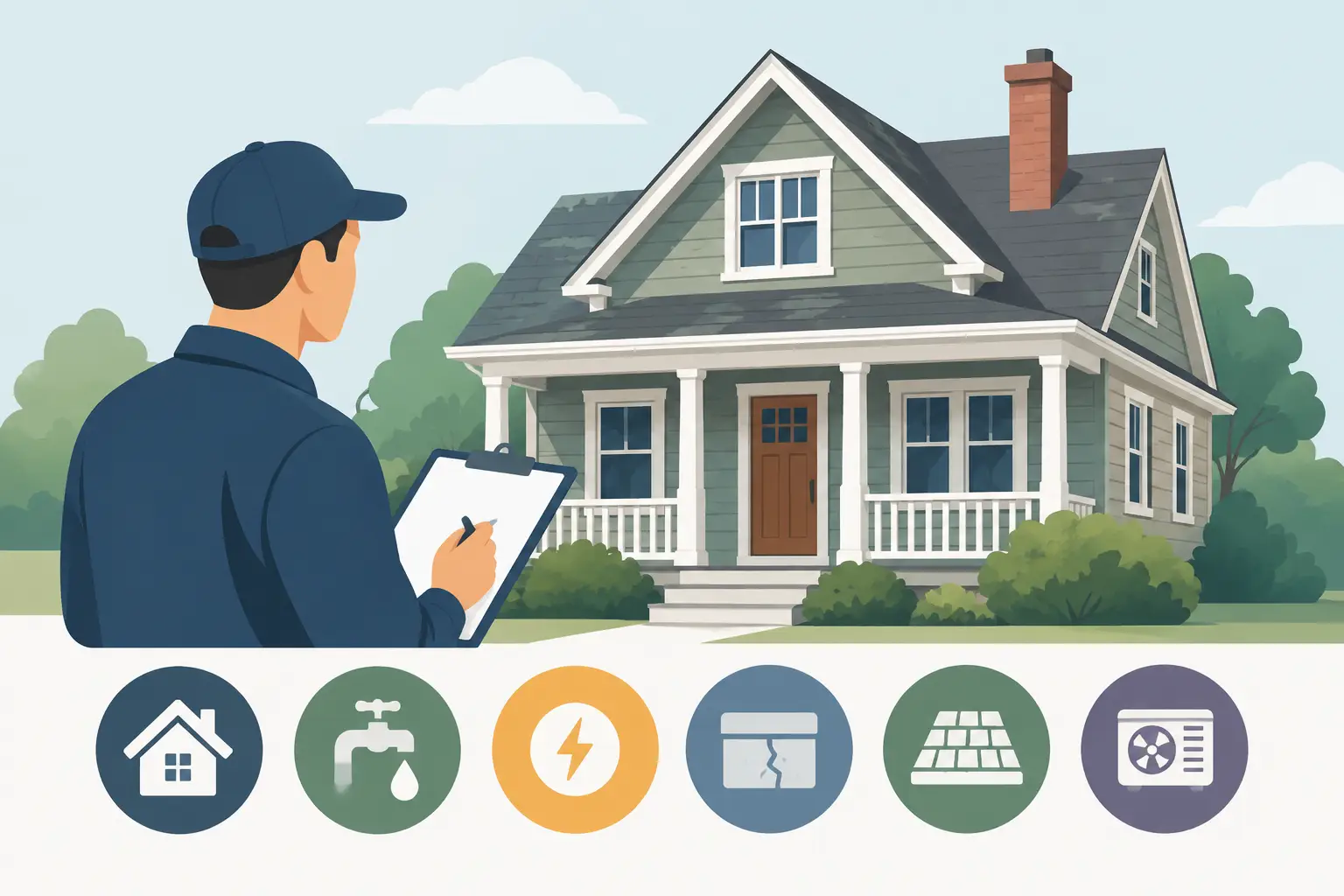
A quality home inspection is far more than a quick walk-through. It is a professional review of the home’s accessible structure, systems, and components. That often includes the roof, attic, foundation, grading, exterior, interior, doors and windows, electrical system, plumbing, HVAC, insulation, and ventilation.
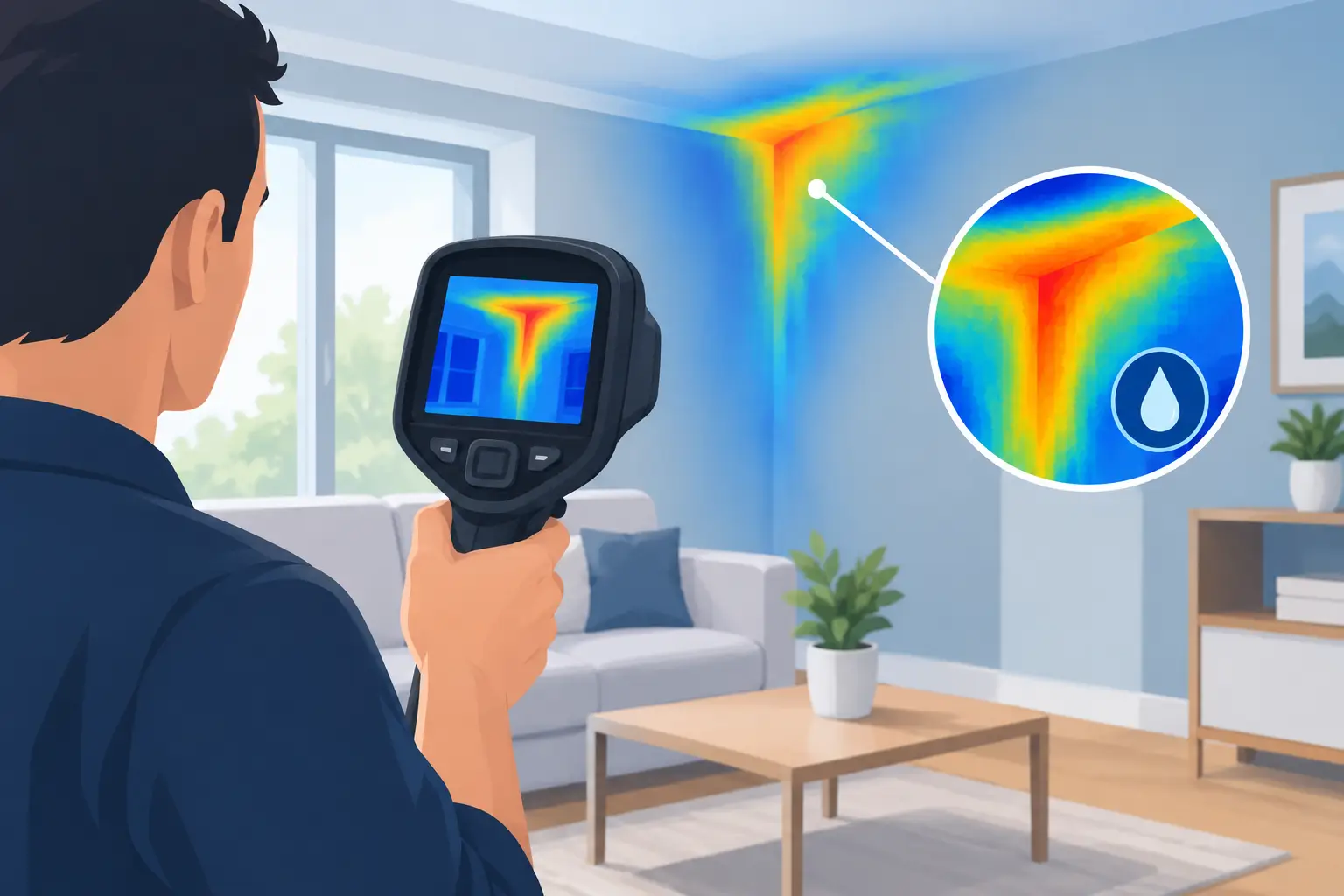
The best inspections also go beyond what is visible at first glance. Tools like thermal imaging and gas leak detection can help identify issues that are easy to miss during a casual showing. In many cases, buyers also add services such as radon testing, termite inspections, sewer camera scopes, mold testing, or well water testing based on the property and location.
This is where real protection happens. A clean kitchen and fresh paint do not tell you whether a furnace is near the end of its service life or whether moisture staining in the attic points to a ventilation problem. An experienced inspector helps separate cosmetic appeal from actual condition.
The inspection report should give you enough detail to make decisions quickly and confidently. That might mean moving forward as planned, requesting repairs, negotiating credits, budgeting for future maintenance, or walking away if the defects are too significant.
What an appraisal actually covers
An appraisal is not a defect list. It is an opinion of market value based on the property’s size, condition, location, features, and recent comparable sales. Appraisers usually note obvious condition issues because those issues can affect value, but they are not performing the same level of system-by-system analysis as an inspector.
That distinction causes a lot of confusion. Buyers sometimes assume that if a home “passes appraisal,” it must be in good shape. That is simply not true. A home can appraise at value and still have a failing roof, unsafe wiring, hidden moisture damage, or an expensive sewer line problem.
The appraiser’s assignment is also shaped by the lender’s needs. They are answering a financing question, not offering a comprehensive health check on the property. Even when an appraiser notices a concern, the report is not designed to replace an inspection report.
Who orders each one and who benefits most
In most transactions, the buyer hires the home inspector. That means the inspection is being done for the buyer’s benefit. The report helps the buyer understand risk and make decisions before becoming financially committed to repairs they did not expect.
The lender usually orders the appraisal, even though the buyer often pays for it as part of closing costs. That is because the lender needs an independent value opinion before approving the loan.
This difference in purpose matters. If you are buying a home, the appraisal is part of the financing process. The inspection is part of your due diligence.
Why buyers should not skip the inspection
In competitive markets, some buyers feel pressure to waive inspections to make an offer more attractive. That can be a costly decision. A home is one of the largest investments most people will ever make, and surface-level impressions are not enough.
An inspection can reveal issues that affect safety, livability, and near-term repair costs. It can also uncover patterns that point to larger concerns, such as drainage problems contributing to foundation movement or neglected maintenance shortening the life of critical systems.
Even newer homes benefit from inspection. New construction can still have incomplete work, installation defects, grading issues, missing insulation, or other problems that deserve attention before you close or before builder warranties expire.
For first-time buyers, the inspection also serves an educational purpose. A strong inspector does not just identify defects. They help you understand how the home works, what needs monitoring, and what to expect as a homeowner.
Can an appraisal affect your deal?
Yes, but in a different way. If the appraisal comes in at or above the contract price, the financing process usually moves forward without much trouble. If it comes in low, the deal can get more complicated.
A low appraisal may require the seller to reduce the price, the buyer to bring more cash to closing, or both sides to renegotiate. In some cases, the buyer can challenge the appraisal with better comparable sales, but outcomes vary.
A low appraisal does not necessarily mean the house has major physical problems. It may simply mean the market data did not support the agreed price. That is another reason home inspection vs appraisal should never be framed as choosing one or the other. They answer different questions, and both can affect the transaction.
Common misconceptions about home inspection vs appraisal
One of the biggest misconceptions is that an appraisal is “good enough” if you are short on time. It is not. Appraisers are not evaluating the property with the same scope, detail, or buyer-protection focus as a licensed home inspector.
Another misconception is that an inspection tells you what the home is worth. It does not. An inspector may comment on condition factors that could influence value, but assigning market value is not the purpose of the inspection.
There is also a practical misconception that older homes always inspect poorly and newer homes always inspect well. In reality, age is only part of the picture. A well-maintained older home may present fewer concerns than a newer property with rushed construction or deferred fixes.
When additional inspection services make sense
Some properties need more than a standard inspection. That is especially true if the home has older sewer lines, a private well or septic system, a history of moisture concerns, wood-destroying insect risk, or environmental questions such as radon or mold.
In Central Ohio, where soil conditions, seasonal moisture, and a wide mix of housing ages can all influence property performance, additional testing can be a smart layer of protection. A sewer camera scope, for example, may reveal root intrusion or line damage that would never show up in an appraisal. Radon testing can identify an invisible health issue that also would not be addressed through a standard value assessment.
This is where working with one inspection partner that can coordinate multiple services can save time and reduce stress during a fast-moving transaction.
Which one matters more?
If you are asking from a lender’s perspective, the appraisal is essential for financing. If you are asking from a buyer’s perspective, the inspection usually provides the more practical protection.
That does not make the appraisal less important. It simply means the two serve different priorities. The appraisal tells you whether the price aligns with the market well enough for the lender to proceed. The inspection tells you what ownership is likely to involve once the keys are in your hand.
Smart buyers pay attention to both. They do not mistake market value for property condition, and they do not assume a visually appealing home is free of defects.
At Flinn Inspection Group, that distinction is central to how we serve buyers and property owners. A thorough inspection, backed by advanced tools and clear reporting, gives clients the information they need when timing matters and decisions carry real financial weight.
Before you close on any property, make sure you know which question is being answered. Knowing what a home is worth matters. Knowing what you are about to inherit matters just as much.