by Flinn Inspections
Share
by Flinn Inspections
Share
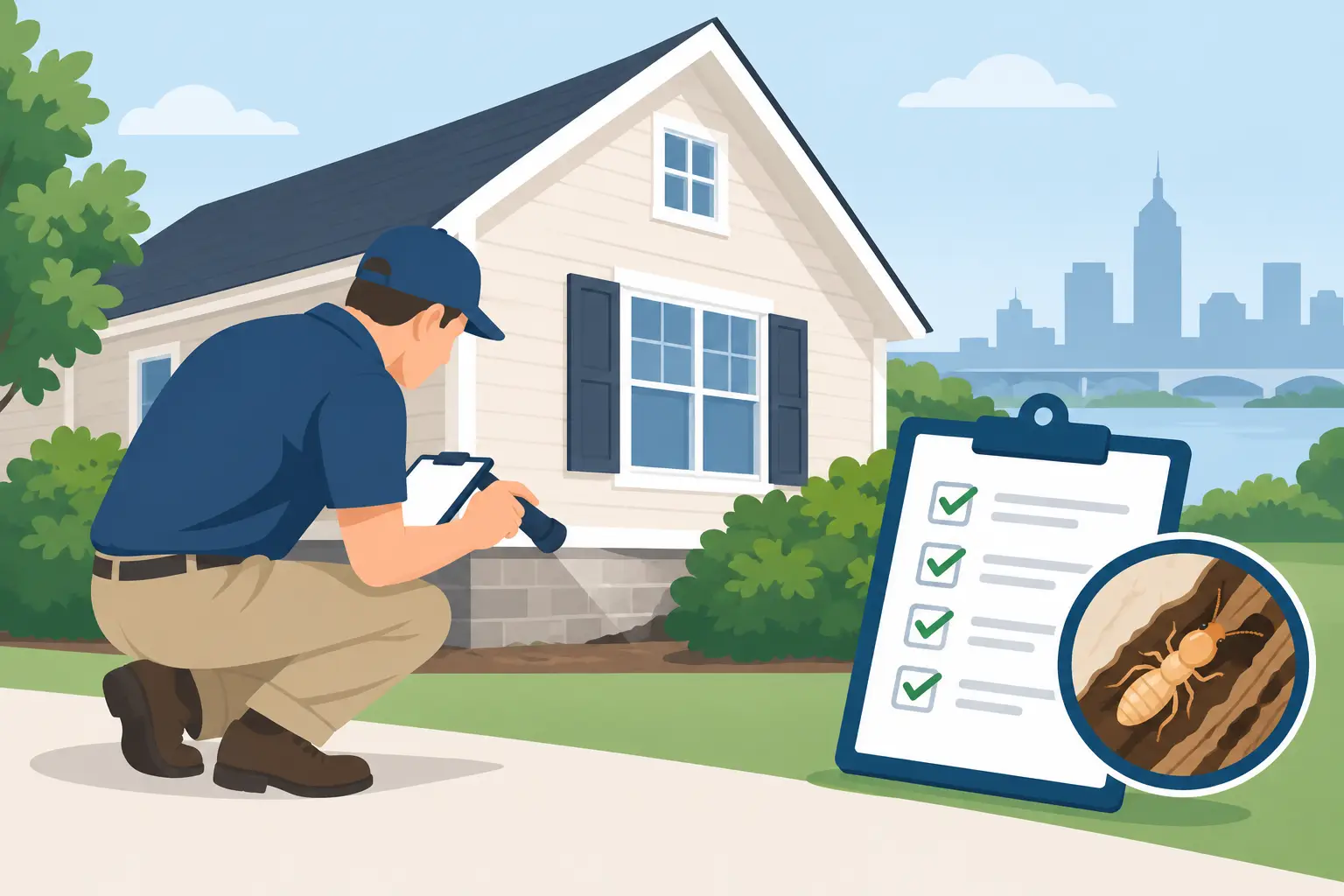
A small mud tube on a foundation wall can be easy to miss. So can soft trim behind a basement storage shelf or damaged framing concealed by insulation. That is why a Delaware Ohio termite inspection should be treated as a focused investigation, not a quick look around the exterior. Termites and other wood-destroying insects can cause damage quietly, often in areas a buyer or homeowner rarely sees.
For a real estate purchase, the inspection can help clarify whether there is evidence of active infestation, prior treatment, visible damage, or conditions that increase the likelihood of future insect activity. For current owners and investors, it can identify maintenance issues before they become a much larger repair conversation.
What a Delaware Ohio Termite Inspection Looks For
A termite inspection evaluates accessible areas where wood-destroying insects may be active or where their activity may have occurred in the past. The inspector looks closely at the foundation, sill plates, basement or crawl space, structural framing, attached decks, porches, garages, utility penetrations, and accessible interior areas.
The goal is not simply to find a live termite. Live insects are not always visible, particularly when activity is behind walls, under flooring, or inside wood members. Instead, an inspector looks for the evidence termites and similar insects leave behind, along with the moisture and wood-to-soil conditions that make a property more vulnerable.
Common findings may include mud tubes, damaged or hollow-sounding wood, termite swarmers or discarded wings, frass from wood-boring insects, and fungal decay that can resemble insect damage. An experienced inspector also distinguishes between termite evidence and conditions caused by carpenter ants, carpenter bees, powderpost beetles, moisture intrusion, or normal wood checking.
That distinction matters. A damaged deck post may point to a moisture issue rather than active termites. Conversely, a clean-looking finished basement does not rule out termite activity where framing is concealed. The inspection report should explain what was observed, where it was observed, and whether additional evaluation or treatment should be considered.
Why Delaware Properties Need a Careful Inspection
Central Ohio properties experience seasonal moisture, freezing temperatures, and spring rain that can affect grading, drainage, and foundation conditions. Those conditions do not automatically create a termite problem, but persistent moisture near a foundation makes a home more attractive to termites and can also accelerate wood decay.
Older homes may have original framing, additions, aging decks, or previous repairs that complicate the picture. Newer homes are not exempt. Construction debris, mulch installed too high against siding, poor drainage, untreated wood in contact with soil, and gaps around utility lines can all create favorable conditions.
A termite inspection is especially valuable when a property has a basement, crawl space, attached porch, wood retaining elements, or landscape features that keep soil and moisture close to the structure. It is also a practical step when a buyer sees staining, damaged exterior trim, sagging floors, unexplained soft spots, or evidence of past pest treatment.
Active Termites, Previous Damage, and Conducive Conditions
These three findings are often grouped together, but they do not mean the same thing.
Active infestation means there is current evidence that termites are using or damaging the structure. Depending on what is found, prompt consultation with a qualified pest-control professional may be appropriate. The home inspector documents visible evidence but does not provide extermination services or guarantee that termites are absent from inaccessible areas.
Previous damage or treatment means the property has signs of a past issue. Old mud tubes, repaired framing, or a prior treatment record may indicate the problem was addressed, but buyers should still understand the scope of the prior damage and whether repairs were properly completed. When structural integrity is uncertain, a qualified contractor or structural professional may need to evaluate the affected area.
Conducive conditions are risk factors, not proof of termites. Examples include wood siding or trim touching soil, mulch piled against the foundation, poor drainage, leaking exterior faucets, damp crawl spaces, or firewood stored against the home. Correcting these issues can reduce risk, even if no active insect activity is found.
A good inspection separates these categories clearly. That gives clients a more useful path forward than a vague statement that the home “may have termites.”
What the Inspector Can and Cannot See
Termite inspections are visual inspections of accessible areas. Inspectors do not remove finished walls, tear out insulation, move heavy furniture, excavate soil, or dismantle decks and finished components. A report may identify inaccessible areas and recommend further evaluation if the available evidence raises concern.
This limitation is not a weakness in the process. It is an honest part of evaluating an existing building. Many termite pathways occur inside walls, behind finishes, or beneath slabs. A thorough inspection reduces uncertainty by examining every accessible area, documenting visible conditions, and identifying where hidden damage could be possible.
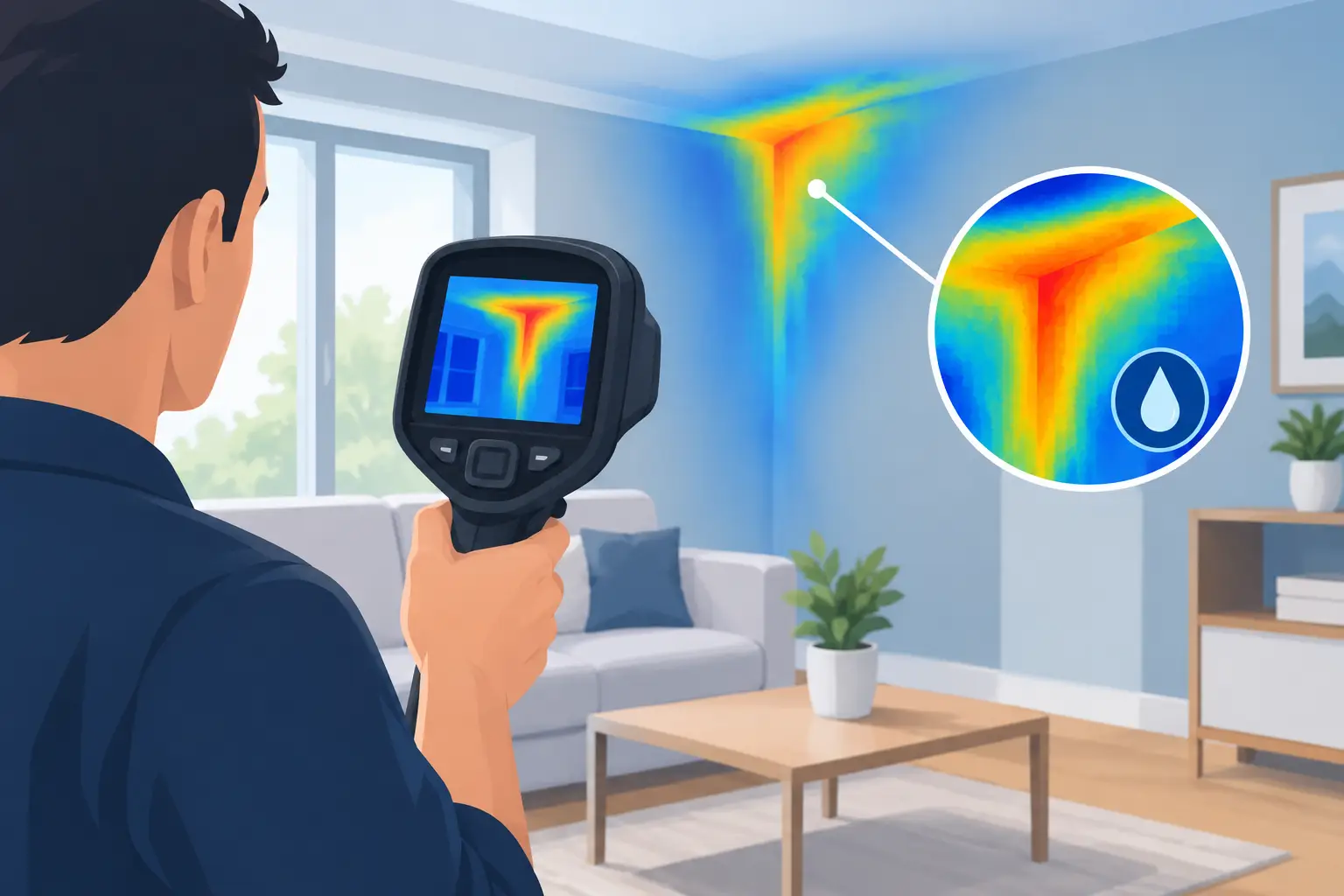
Advanced tools can support a broader property assessment, particularly when moisture or building-envelope concerns are present. However, no tool can see through every material or replace a careful visual evaluation of exposed framing, foundation details, and exterior conditions.
When to Schedule a Termite Inspection
For buyers, the best time is during the inspection period, alongside the full home inspection. Combining services creates a clearer picture of the property: the home inspection reviews major systems and visible structural conditions, while the termite inspection focuses specifically on wood-destroying insect evidence and risk factors.
For sellers, a pre-listing termite inspection can prevent an unwelcome surprise after the home goes under contract. If an issue is found, the seller has time to obtain treatment information, address drainage or wood-contact conditions, and make informed decisions before negotiations become time-sensitive.
Homeowners should consider an inspection when they notice seasonal swarms, mud tubes, damaged wood, moisture in a basement or crawl space, or unexplained changes in floors, trim, or exterior components. Investors should add termite inspections to their due-diligence process, particularly for older properties, vacant homes, and buildings with deferred exterior maintenance.
How to Prepare for the Inspection
Access makes a real difference. Clear a path to the basement, crawl space entrance, garage walls, utility areas, and perimeter of the home where possible. Move stored items away from foundation walls and exposed framing. If there is a locked crawl space, shed, or utility room, make sure access is available.
It also helps to share what you know. Prior termite treatments, pest-control contracts, repair invoices, water intrusion history, and recent renovations can provide useful context. A prior treatment does not mean there is a current problem, but it gives the inspector a more complete history to consider.
Do not cover suspected evidence with paint, caulk, mulch, or a quick repair before the inspection. A clear view allows for a more accurate assessment and better documentation.
What to Do if the Report Identifies Concerns
First, read the finding in context. A report noting conducive conditions calls for maintenance and prevention. A report with visible damage may require a repair evaluation. A report documenting evidence of active termites usually warrants consultation with a licensed pest-control provider to discuss treatment options.
For a purchase transaction, communicate early with your real estate agent and review the report before contingency deadlines. The right response depends on the severity, location, activity level, repair needs, and terms of the contract. Some issues are manageable maintenance items. Others may justify further evaluation, treatment documentation, repair estimates, or negotiation.
Flinn Inspection Group provides clear, same-day reporting designed to help clients move from a finding to an informed next step without unnecessary confusion. The purpose is not to create alarm. It is to protect your investment with clear evidence, practical recommendations, and an inspection process that respects the pace of your transaction.
A termite concern is easier to handle when it is identified early, explained clearly, and addressed with the right professionals. Before you commit to a property or postpone a needed maintenance decision, make sure the accessible evidence has been examined with the attention your investment deserves.