by Flinn Inspections
Share
by Flinn Inspections
Share
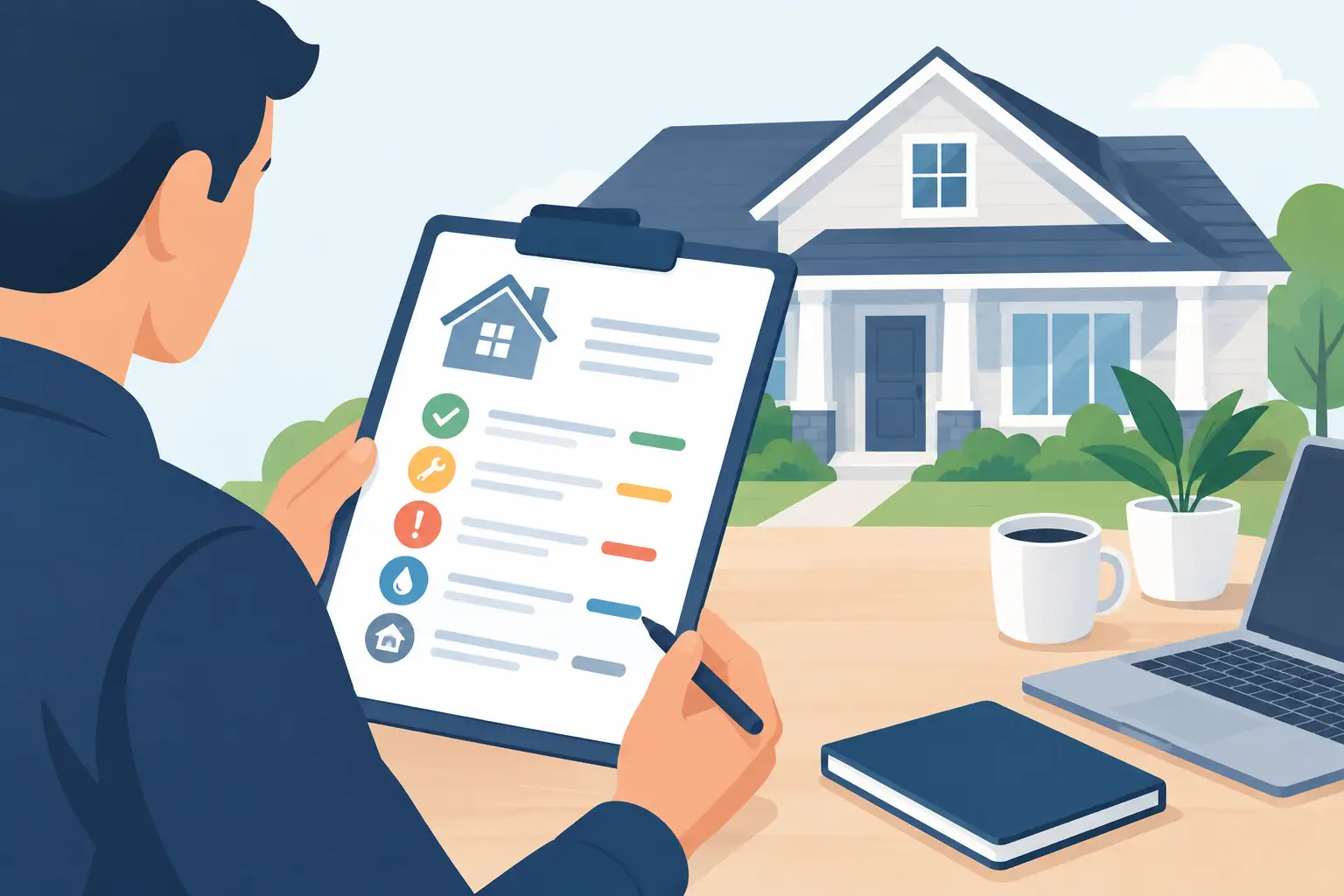
The report arrives the same day, often with dozens of photos and more information than any buyer expected. A thorough home inspection report review turns that information into a practical decision: what needs attention now, what can be negotiated, and what simply belongs on the future maintenance calendar. The goal is not to find a perfect property. It is to understand the property you are buying and protect your investment with clear facts.
For buyers in Central Ohio, that perspective matters. A home can look well maintained while carrying hidden moisture concerns, aging mechanical equipment, drainage issues, elevated radon levels, or sewer-line conditions that are not visible during a showing. The report gives you the evidence to ask better questions before closing.
Start Your Home Inspection Report Review With Priorities
A professional inspection report may identify conditions across the roof, exterior, structure, electrical system, plumbing, heating and cooling equipment, interior spaces, insulation, and built-in appliances. Seeing a long findings list can feel alarming, especially for first-time buyers. Length alone does not tell you whether a home is a poor purchase.
Start by separating findings into three practical categories: safety concerns, major system or structural concerns, and routine maintenance. A missing stair handrail, exposed wiring, active gas leak, significant water intrusion, or a furnace that is not operating safely deserves immediate attention. Conditions involving the foundation, roof covering, electrical panel, plumbing supply or drain lines, and HVAC equipment can carry meaningful cost or affect the home’s habitability.
Routine maintenance is different. Worn caulk, dirty gutters, minor drywall cracking, a loose cabinet pull, or an aging but functional fixture may still deserve attention, but these items do not carry the same weight as a safety concern or a failing major system. Treating every comment as equally urgent makes it harder to focus on what actually changes your decision.
Read the Inspector’s Language Carefully
The wording in a report provides context. Terms such as “monitor,” “recommend maintenance,” or “service by a qualified contractor” do not mean the same thing as “repair immediately” or “further evaluation is recommended before closing.” Read the full observation, not only the caption beneath a photo.
A recommendation for further evaluation is especially valuable. Inspectors identify visible conditions and system performance at the time of inspection. When a condition requires specialized diagnosis, a licensed electrician, plumber, structural engineer, HVAC contractor, roofer, or other qualified professional may need to define the repair scope and cost. That is not an incomplete answer. It is the appropriate next step when the available evidence points to a concern beyond the limits of a visual inspection.
Use Photos to Understand Location and Severity
Photos make a report easier to use after the inspection, but a picture should be read alongside the written description. A close-up may make a small defect appear dramatic, while a wider image may show whether the issue is isolated or repeated across an area.
Ask yourself three questions for each significant finding: Where is it located? What could happen if it is left uncorrected? Is there evidence of active damage, or is this a condition to maintain and monitor? For example, staining on a basement wall may reflect a past moisture event, while damp materials, peeling finishes, or visible efflorescence can point to an active drainage or water-management issue. The distinction affects both urgency and next steps.
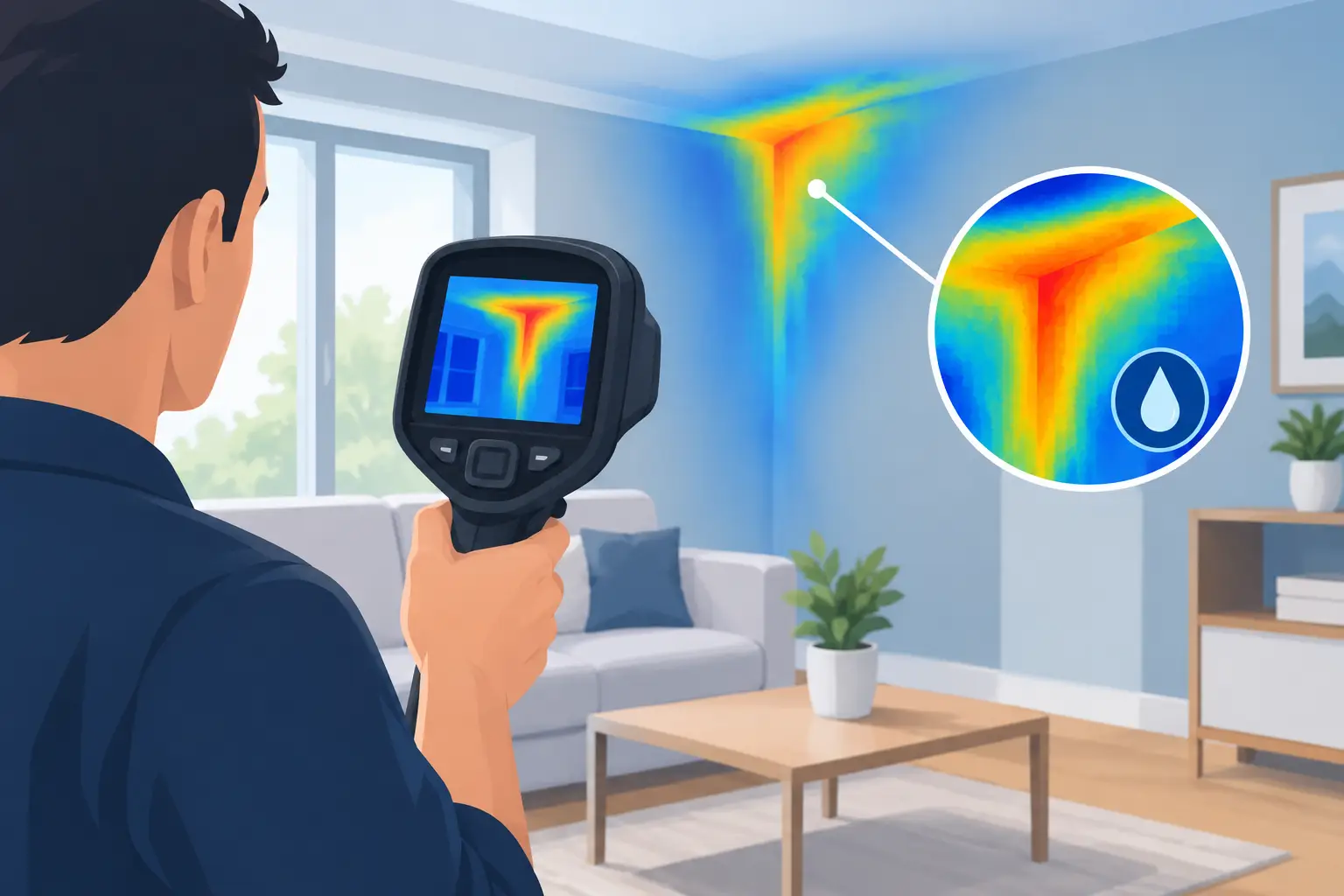
This is also where advanced diagnostic tools add value. Thermal imaging can help identify temperature differences associated with moisture intrusion, missing insulation, or electrical hot spots. Gas leak detection can identify conditions that are not apparent through sight alone. These findings should be considered with the full inspection evidence, not in isolation.
Focus on Cost, Risk, and Timing
Not every repair should become a negotiation request. A better approach is to consider cost, risk, and timing together. A relatively affordable safety repair may be worth addressing promptly even if it does not justify changing the purchase terms. A large expense with a short timeline, such as a failed HVAC system or active roof leak, may require contractor estimates and a direct conversation with your agent.
The age of a system matters, but age is not a diagnosis. A 15-year-old furnace can still operate safely and effectively, while a newer system may have installation defects or deferred maintenance. Likewise, an older roof is not automatically failing. The report should explain observed condition, visible deterioration, and whether repairs or further evaluation are recommended.
When you need estimates, obtain them quickly and share the relevant report pages with the contractor. Ask for the scope of work, not just a single total. A quote for “repair plumbing” is less helpful than one that identifies the affected line, access requirements, materials, permits if applicable, and whether wall or flooring restoration is included.
Do Not Overlook the Services Outside a Standard Inspection
A standard inspection is comprehensive, but no single service answers every property question. Depending on the home and its location, specialized testing may be one of the most useful parts of your due diligence.
In Central Ohio, radon testing is a common consideration because radon levels can vary significantly from one property to the next. A sewer camera scope can be valuable for homes with older sewer laterals, large mature trees, recurring drainage history, or signs of slow drains. Well water testing and septic inspections are essential for properties that do not use municipal systems. Termite inspections, mold and air-quality testing, fireplace inspections, pool inspections, and lead-based paint or asbestos evaluations may also be appropriate based on the property’s age, features, and visible conditions.
These services are not automatic add-ons for every house. They are targeted tools that help reduce uncertainty where the standard inspection identifies a risk or where the property’s systems call for a closer look. One coordinated inspection partner can make the process faster and prevent key issues from being overlooked during a time-sensitive transaction.
Turn Findings Into a Smart Negotiation Plan
Your real estate agent can help translate the report into an appropriate request, but the strongest requests are specific and evidence-based. Focus on material defects, health and safety concerns, active water intrusion, or conditions likely to create substantial expense soon after closing. Avoid using the report as a punch list for cosmetic preferences or normal wear in an older home.
There are several reasonable outcomes. The seller may complete repairs with documentation, offer a credit, reduce the purchase price, or decline the request. Which option works best depends on the repair, the market, your financing, and your comfort with managing work after closing. A credit can give you control over contractor selection, while seller repairs may reduce immediate workload. Either path has trade-offs.
If repairs are completed before closing, request invoices, warranties, and any applicable permits. A final walk-through is the time to confirm that agreed work appears complete and that no new damage occurred during repairs. For major issues, a reinspection may provide added confidence before you sign.
Keep the Report After Closing
The inspection report remains useful long after the transaction ends. Save it with your property records and use it to organize maintenance by season and system. Notes on shutoff locations, panel labeling, filter types, roof condition, grading, and appliance operation can save time when an issue arises later.
For newer homes, the report can also support an 11-month warranty inspection. Small settlement cracks, drainage changes, appliance issues, or construction defects may become more visible after the home has been lived in through changing weather conditions. Addressing legitimate warranty items before coverage expires can prevent avoidable expense.
A report is not a reason to panic or a guarantee against every future repair. It is a professional snapshot that gives you leverage, direction, and a clearer view of your responsibilities as an owner. Flinn Inspection Group approaches every inspection with that responsibility in mind: helping clients see the conditions that matter, understand their options, and move forward with confidence in the next decision.