by Flinn Inspections
Share
by Flinn Inspections
Share

A century-old home can offer craftsmanship, character, and a location that newer construction cannot replicate. It can also hide a mix of original materials, partial upgrades, and aging systems behind finished walls. The best inspections for older homes are not just a standard checklist. They are a targeted look at the systems most likely to affect safety, financing, repairs, and your ability to enjoy the property after closing.
For buyers in Central Ohio, the right inspection plan depends on the home’s age, condition, utility setup, and renovation history. A well-maintained 1920s brick home may need a different focus than a 1960s ranch with a finished basement or a rural property served by a private well and septic system. The goal is clear: identify material concerns before your contingency period ends, then make decisions with reliable information instead of assumptions.
Start With a Thorough Whole-Home Inspection
Every older-home inspection strategy should begin with a comprehensive home inspection. This is the foundation for understanding the property as a working system, from the roofline to the basement, electrical panel, plumbing fixtures, heating equipment, visible structure, and accessible attic areas.
Older homes often have systems installed in different eras. A home may have a newer furnace but original ductwork, remodeled bathrooms connected to older supply lines, or an updated electrical panel feeding outdated branch wiring. A thorough inspector does more than identify the age of components. They look for whether those components appear properly installed, safely operating, and suitable for continued service.
Pay close attention to the basement, crawl space, attic, roof, and exterior drainage. These areas often tell the clearest story about water management and structural movement. Staining, previous repair materials, cracked masonry, moisture-damaged framing, uneven floors, and poor grading do not automatically mean a deal should end. They do mean you need context on the condition, likely cause, and next step.
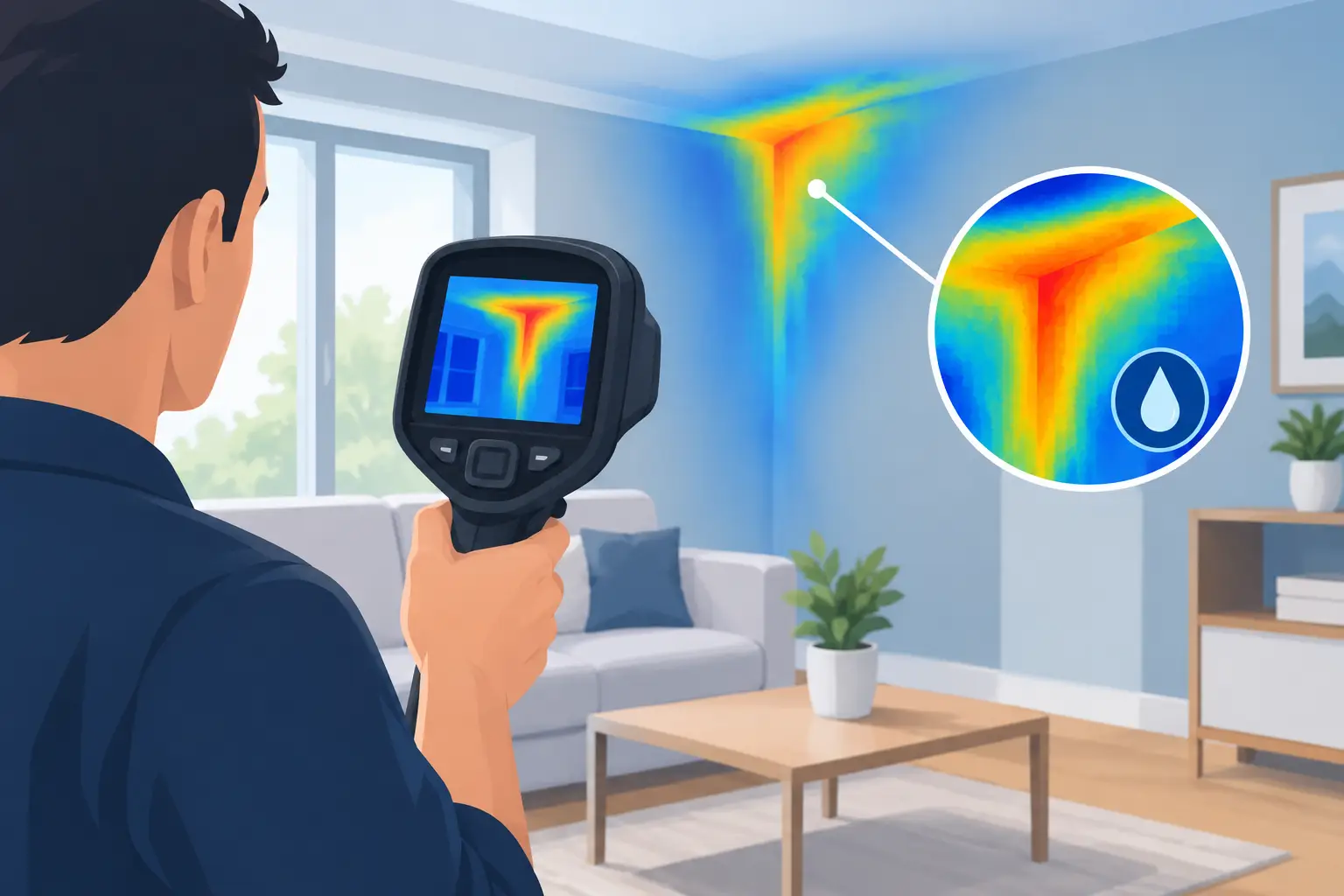
Advanced tools can add valuable evidence. Thermal imaging may reveal patterns consistent with missing insulation, moisture intrusion, or overheating electrical components. Gas leak detection can identify potential safety concerns that a visual inspection alone may not reveal. These tools support the inspection, but they do not replace sound judgment or further evaluation when conditions warrant it.
Best Inspections for Older Homes: Go Beyond the Basics
A standard home inspection is essential, but it has limits. Several specialized services are especially valuable when evaluating an older property. The right combination can help you avoid expensive surprises that may not be visible during a walkthrough.
Sewer Camera Scope
A sewer scope is one of the most practical add-on inspections for an older home connected to a municipal sewer line. The camera travels through the accessible lateral line from the home toward the public connection, looking for cracks, offsets, blockages, standing water, root intrusion, corrosion, or a deteriorated pipe material.
Many older homes have clay, cast-iron, Orangeburg, or other aging pipe materials. Some lines function adequately for years, while others are nearing failure without obvious symptoms inside the home. A slow drain may be a minor maintenance issue, but recurring backups or root intrusion can point to a major repair. Because sewer line replacement can involve excavation, landscaping, driveways, or sidewalks, knowing the condition before closing has real negotiating value.
Radon Testing
Radon is a naturally occurring radioactive gas that can enter a home through foundation openings, sump systems, floor cracks, and utility penetrations. It has no smell, color, or taste, so you cannot assess it through a visual inspection.
Central Ohio has areas where elevated radon levels are common, and a home’s age does not determine its radon level. New and old homes can both test high. Short-term testing during the inspection period provides a measured result for that specific property and allows buyers to address mitigation before or after closing. A radon mitigation system is generally a manageable improvement, but the decision should be based on testing, not guesswork.
Electrical Inspection Focus
Electrical systems deserve additional attention in homes built before modern wiring practices and safety standards. Knob-and-tube wiring, aluminum branch wiring, ungrounded outlets, overloaded panels, outdated fuse boxes, and amateur modifications can all create safety or insurance concerns.
Not every older electrical component requires immediate replacement. For example, ungrounded receptacles may be common in an older home and can sometimes be addressed through properly installed GFCI protection or targeted upgrades. However, exposed splices, overheated conductors, improper panel connections, or evidence of active defects should be evaluated promptly by a qualified electrician.
Ask the inspector to explain what is visible, what appears to have been updated, and what cannot be confirmed without invasive investigation. That distinction matters. No inspection can see wiring hidden behind every wall, but clear reporting can help you prioritize an electrician’s review where risk is highest.
Plumbing and Water Quality Testing
Older plumbing may include galvanized steel, cast iron, copper, polybutylene, or a patchwork of materials added during remodeling. Galvanized supply lines can corrode internally and restrict water flow. Cast-iron drain lines may deteriorate from the inside out. Leaks under sinks are easy to spot, but problems behind walls and below floors may require a closer look at water pressure, fixture performance, moisture indicators, and drain behavior.
If the property uses a private well, water quality testing is not optional for an informed purchase. Testing can identify concerns involving bacteria, nitrates, lead, and other parameters relevant to the home and loan requirements. FHA-backed transactions may have specific water-testing expectations. For properties on septic systems, a septic inspection can clarify the condition and function of the tank, components, and drain field before a buyer inherits an expensive responsibility.
Mold, Air Quality, Asbestos, and Lead-Based Paint
Environmental testing should be driven by conditions and property history, not fear. If there are visible moisture concerns, a persistent musty odor, past water intrusion, or occupants with respiratory sensitivities, mold and air quality testing can provide useful information. The key issue is usually moisture control. Testing is most helpful when paired with a plan to identify and correct the source of water.
Homes built before 1978 may contain lead-based paint. Deteriorated paint on windows, doors, trim, porches, and other friction surfaces deserves particular attention, especially when young children may live in the home. Lead-based paint inspections can help buyers understand the extent of the concern and plan safe repairs.
Asbestos-containing materials may be present in older insulation, floor tile, pipe wrap, duct materials, siding, or textured finishes. Intact material is not always an immediate hazard. The risk increases when material is damaged, disturbed during renovation, or improperly removed. If you plan a major remodel, identifying potential asbestos before demolition protects both your budget and the people working in the home.
Foundation, Masonry, and Moisture Need Context
Older homes commonly show settling, plaster cracks, uneven floors, and weathered masonry. A good inspector separates normal age-related wear from conditions that may indicate active movement, water intrusion, or structural deficiency.
Look for patterns rather than one isolated crack. Stair-step cracks in brick, bowing foundation walls, fresh patching, doors that no longer close properly, significant floor slopes, or repeated evidence of water entry deserve closer attention. In Central Ohio, expansive soils, freeze-thaw cycles, older drainage systems, and basement moisture can all affect foundations over time.
When conditions are beyond the scope of a visual inspection, a structural engineer or qualified foundation specialist may be appropriate. That recommendation is not a verdict that the home is failing. It is a request for the right level of expertise before you commit to a major investment.
Match the Inspection Plan to the Property
The best inspection package is not always the longest one. A city home with public water and sewer may benefit most from a home inspection, sewer scope, radon test, and targeted environmental evaluation. A rural or semi-rural property may need well water testing and a septic inspection. A home with an older fireplace or chimney should receive a fireplace inspection before regular use. A property with a pool, significant renovations, or signs of concealed moisture may call for specialized review in those areas.
Your inspection report should give you more than a list of defects. It should help you understand which concerns are safety-related, which may affect the transaction, which need specialist evaluation, and which belong on a future maintenance plan. Same-day reporting is especially valuable when an inspection contingency has a short timeline, but speed should never come at the expense of clear evidence and practical guidance.
An older home does not need to be perfect to be a smart purchase. It needs to be understood. Flinn Inspection Group helps buyers see the full picture, combining comprehensive inspections with the specialized testing needed to protect the investment. Before you close, use the inspection period to ask informed questions, price repairs realistically, and choose a home with confidence.