by Flinn Inspections
Share
by Flinn Inspections
Share
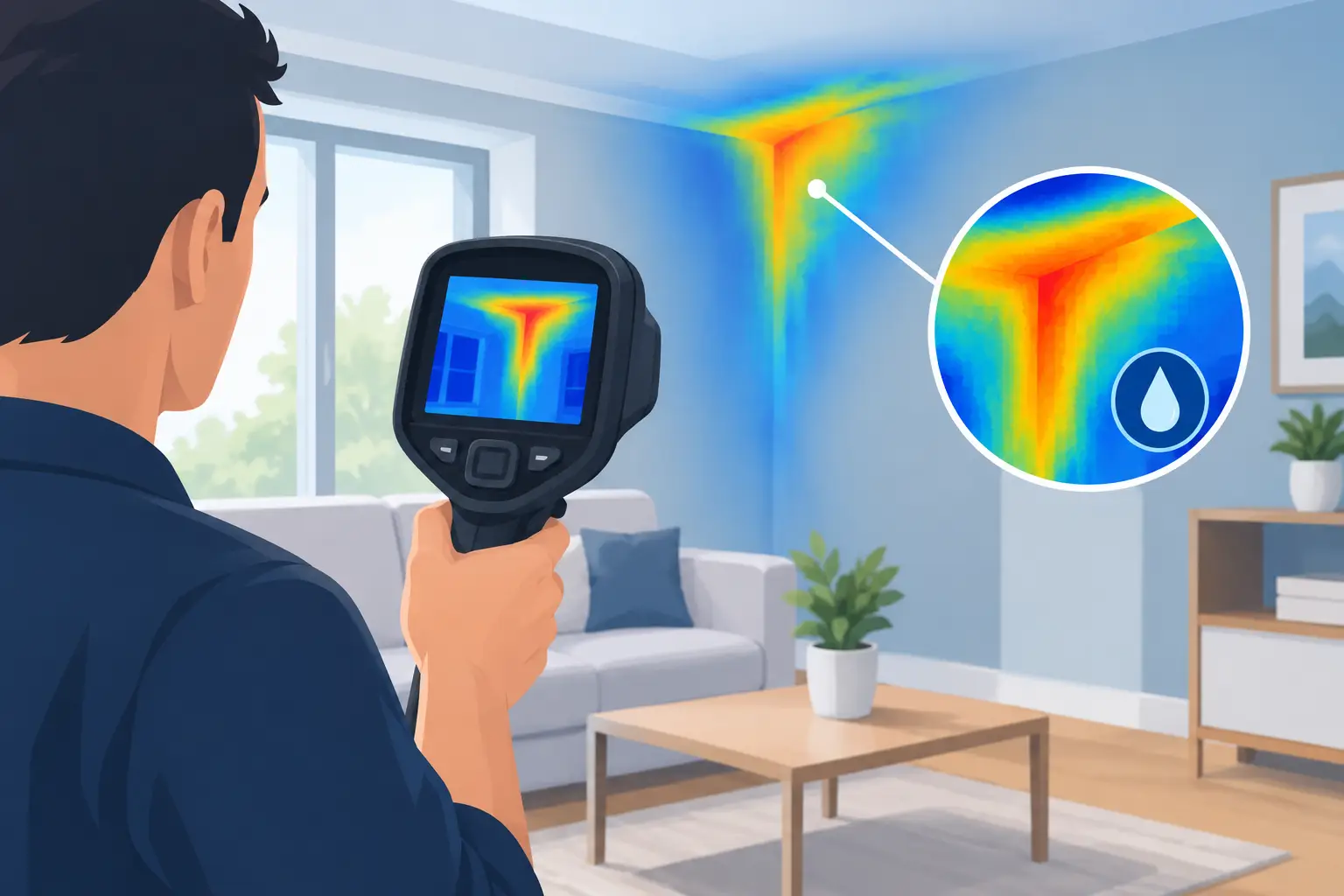
A water stain may be old, a ceiling may feel dry, and a wall may show no visible warning at all. That is where a common question becomes especially valuable: can thermal cameras find moisture before it causes more damage? Thermal imaging can help an experienced inspector identify suspicious temperature patterns that often accompany hidden moisture. It is a powerful diagnostic tool, but it is not a moisture meter and it cannot see through walls.
For buyers, homeowners, and investors, that distinction matters. A camera image alone should never determine whether a leak exists, what caused it, or how extensive the damage may be. Used correctly during a thorough property inspection, however, thermal imaging can direct attention to areas that need closer evaluation and help uncover concerns that visual inspection alone may miss.
Can Thermal Cameras Find Moisture?
Thermal cameras do not directly detect water. They detect infrared energy, which is displayed as differences in surface temperature. When moisture evaporates from drywall, insulation, flooring, or other building materials, it can cool the affected surface. On a thermal image, that cooler area may appear as a different color than the surrounding materials.
That temperature difference can reveal a pattern worth investigating. For example, an active plumbing leak behind a bathroom wall may create a concentrated cool area below a shower valve. A roof leak may leave an irregular cool pattern on a ceiling after rain. Moisture beneath a floor covering may produce a temperature anomaly near a dishwasher, refrigerator water line, or exterior door.
The key word is may. A cooler area is not automatic proof of moisture. Air leakage, missing insulation, cold framing, ductwork, and changes in sunlight can all create similar patterns. A qualified inspector uses thermal imaging as one part of a larger process, then verifies the finding with visual observations, moisture testing, plumbing evaluation, and knowledge of how the building is constructed.
What a Thermal Camera Can Reveal During an Inspection
Thermal imaging is most useful when there is enough temperature contrast between the suspected issue and surrounding materials. In Central Ohio, that contrast is often easier to find during heating or cooling seasons, though useful conditions can occur year-round.
Hidden plumbing concerns
Slow leaks can remain concealed long enough to damage drywall, cabinetry, subflooring, and insulation. Thermal imaging may identify a suspicious temperature pattern around supply lines, drain areas, water heaters, tubs, showers, and laundry connections. It can be particularly helpful where the visible finish materials still appear intact.
A thermal camera may also help an inspector trace the general route of warm-water piping or identify unusual cooling near a fixture. That does not replace leak detection by a licensed plumber when a repair is needed, but it can help determine where further investigation should begin.
Roof and exterior water intrusion
A roof leak does not always create a dramatic brown stain. Water can travel along rafters, framing, wiring, or insulation before it reaches the ceiling surface. Thermal imaging may show an anomaly in a ceiling, exterior wall, skylight area, or around a chimney penetration that warrants closer review.
The same approach can help assess areas near windows, doors, siding transitions, and exterior penetrations. These locations are common pathways for water intrusion, especially after wind-driven rain. The camera can support the inspection, but the inspector must still evaluate flashing, sealant conditions, roof coverings, attic ventilation, and visible evidence of prior repairs.
Moisture near appliances and building systems
Kitchens, laundry rooms, utility rooms, and mechanical spaces deserve close attention because small leaks can occur behind or below equipment. A loose dishwasher connection, washing machine hose issue, condensate drain problem, or water heater leak can affect nearby finishes before a homeowner notices it.
In commercial properties, thermal imaging can also assist with screening larger roof areas, plumbing locations, and building-envelope concerns. The findings still need to be interpreted in context because commercial assemblies, HVAC systems, and occupancy conditions can create complex temperature patterns.
Why Thermal Images Need Verification
A thermal image is evidence of a temperature difference, not a diagnosis. That is why an inspection built around a single camera image can lead to unnecessary alarm or, worse, false confidence.
Consider a cold vertical stripe on an exterior wall. It could indicate moisture, but it could just as easily be a wood stud conducting outdoor temperatures through an underinsulated wall cavity. A cool spot below an HVAC register may result from air movement. A warm ceiling area might be missing insulation, a recessed light, or heat from a duct rather than a leak.
A professional inspection verifies suspicious areas instead of guessing. Depending on the situation, verification may include a pin or pinless moisture meter, checking accessible plumbing connections, reviewing attic conditions, looking for staining or material deterioration, and asking whether the issue appeared after rain or appliance use. If the evidence points to an active leak, the next appropriate step may be a plumber, roofer, restoration contractor, or another qualified specialist.
This process protects clients from two costly mistakes: overlooking a developing moisture problem and paying for repairs based on an unconfirmed interpretation.
Conditions That Affect Thermal Moisture Detection
Thermal imaging works best under the right conditions. Temperature differences need time to develop, and recent weather, indoor climate settings, and building materials all affect what the camera can show.
Fresh moisture may not create a clear thermal signature right away. Conversely, an area that dried weeks ago may no longer appear different even though staining or material damage remains. Dense materials such as tile and concrete can obscure or delay surface temperature changes. Carpet, furniture, wall coverings, and stored belongings can also block access to the surfaces an inspector needs to evaluate.
Sunlight is another factor. An exterior wall warmed by afternoon sun may display patterns that have nothing to do with moisture. Inspectors account for these variables by considering the time of day, weather, recent rain, HVAC operation, and the building’s layout before reaching conclusions.
When Buyers and Owners Should Request Thermal Imaging
Thermal imaging adds practical value when the stakes are high or there is a reason to suspect concealed concerns. During a home purchase, it can provide added screening around bathrooms, kitchens, basements, roofs, and accessible exterior walls. For a new construction or pre-drywall inspection, it may help identify insulation gaps, air leakage, and potential plumbing concerns before finishes make repairs more disruptive.
Current homeowners may benefit when they notice a musty odor, recurring stain, unexplained increase in water use, soft flooring, peeling paint, or a ceiling spot after rain. Investors can use thermal imaging as part of a focused evaluation when assessing properties with deferred maintenance, recently renovated finishes, or uncertain repair histories.
It should not be treated as a substitute for a full inspection, moisture testing, mold assessment, or invasive investigation when those services are appropriate. Thermal imaging is most valuable when it supports a comprehensive inspection strategy that evaluates the property as a working system.
What Happens After a Suspected Moisture Finding
When an inspector identifies a possible moisture-related thermal anomaly, the report should explain what was observed, where it was found, what verification was performed, and what next step is recommended. Clear documentation helps buyers negotiate wisely, helps homeowners prioritize repairs, and gives contractors useful starting information.
The urgency depends on the source and severity. An active leak near electrical components, a roof opening, or moisture affecting structural materials should be addressed promptly. A small, dry stain from a repaired historical leak may only need monitoring or confirmation that the original repair was successful. The goal is not to turn every anomaly into an emergency. The goal is to make an informed decision before a manageable issue becomes a major expense.
At Flinn Inspection Group, thermal imaging is used to support the same standard that guides every inspection: evaluate carefully, explain clearly, and protect the investment you are making. If a thermal image raises a question, the next right step is thoughtful verification, not guesswork.