by Flinn Inspections
Share
by Flinn Inspections
Share

A new home can look finished, clean, and ready for move-in while still carrying problems behind access panels, beneath flooring, or inside systems that have not been fully tested. That is why the buyer inspection versus warranty inspection question matters. These inspections serve different points in ownership, identify different risks, and can each protect a significant investment.
A buyer inspection helps you understand a property before you commit to buying it. A warranty inspection helps you document concerns before your builder’s warranty period expires. One does not replace the other. For many Central Ohio homeowners, using both creates a clearer record of the home’s condition from the transaction through the first year of ownership.
Buyer Inspection Versus Warranty Inspection: The Core Difference
The biggest difference is timing and purpose. A buyer inspection happens during the purchase process, usually while the buyer still has an inspection contingency or another opportunity to negotiate repairs, credits, or pricing. Its purpose is to give the buyer a professional assessment of the home’s visible and accessible condition before closing.
A warranty inspection, often called an 11-month warranty inspection, happens after you have lived in a newly built home for several months. Its purpose is to identify defects, incomplete work, and developing performance issues that should be presented to the builder before the one-year workmanship warranty deadline.
Both inspections evaluate major systems and readily accessible components. But the questions being answered are different. Before closing, you are asking, “What am I buying, and what could this cost me?” Near the end of a warranty period, you are asking, “What needs to be corrected while the builder remains responsible?”
What a Buyer Inspection Is Designed to Find
A comprehensive buyer inspection provides an independent, objective view of the property. The inspector evaluates readily accessible structural components, roofing, exterior features, interior rooms, plumbing, electrical systems, heating and cooling equipment, insulation, ventilation, and more. The report should separate material concerns from routine maintenance so you can make decisions with perspective.
For an older Columbus-area home, the inspection may reveal aging electrical components, moisture conditions, roof wear, foundation movement, or deferred maintenance. For a newer home, it may identify installation defects, safety concerns, drainage issues, or incomplete details that were missed during construction.
The value is not limited to finding a reason to walk away. Many inspections confirm that a home is generally sound while identifying repairs to budget for over the next few years. That clarity can make negotiations more focused and prevent small concerns from becoming surprises after closing.
A standard inspection also has limits. It is a visual, noninvasive assessment, not a guarantee that every hidden defect will be found. Specialized concerns may require additional services such as radon testing, termite inspection, sewer camera scoping, mold and air quality testing, well water testing, septic inspection, or pool inspection. The right add-ons depend on the property, its age, its utilities, and what is observed during the inspection.
Why timing matters before closing
Your strongest leverage generally exists before the transaction is complete. Once you close, repair decisions and costs become yours unless another party has a clear contractual obligation. Schedule the inspection as early as your contract allows, leaving enough time to review the report, obtain estimates if needed, and discuss next steps with your agent.
Same-day reporting is especially valuable in a competitive market. It gives buyers and agents the information needed to keep the transaction moving without rushing past legitimate concerns.
What a Warranty Inspection Is Designed to Find
A warranty inspection focuses on a new construction home’s performance after normal use and seasonal changes. Some defects do not show up at the final walkthrough. Drywall cracks may appear as framing dries and settles. Drainage problems can become obvious after heavy rain. A heating or cooling system may reveal issues only after it has operated through a full season.
By month 10 or 11, homeowners have also had time to notice details that deserve professional follow-up: doors that no longer latch properly, uneven floors, recurring moisture, loose fixtures, poor caulking, leaks, or rooms that do not heat and cool evenly. An independent inspection turns those observations into a documented, organized list for the builder.
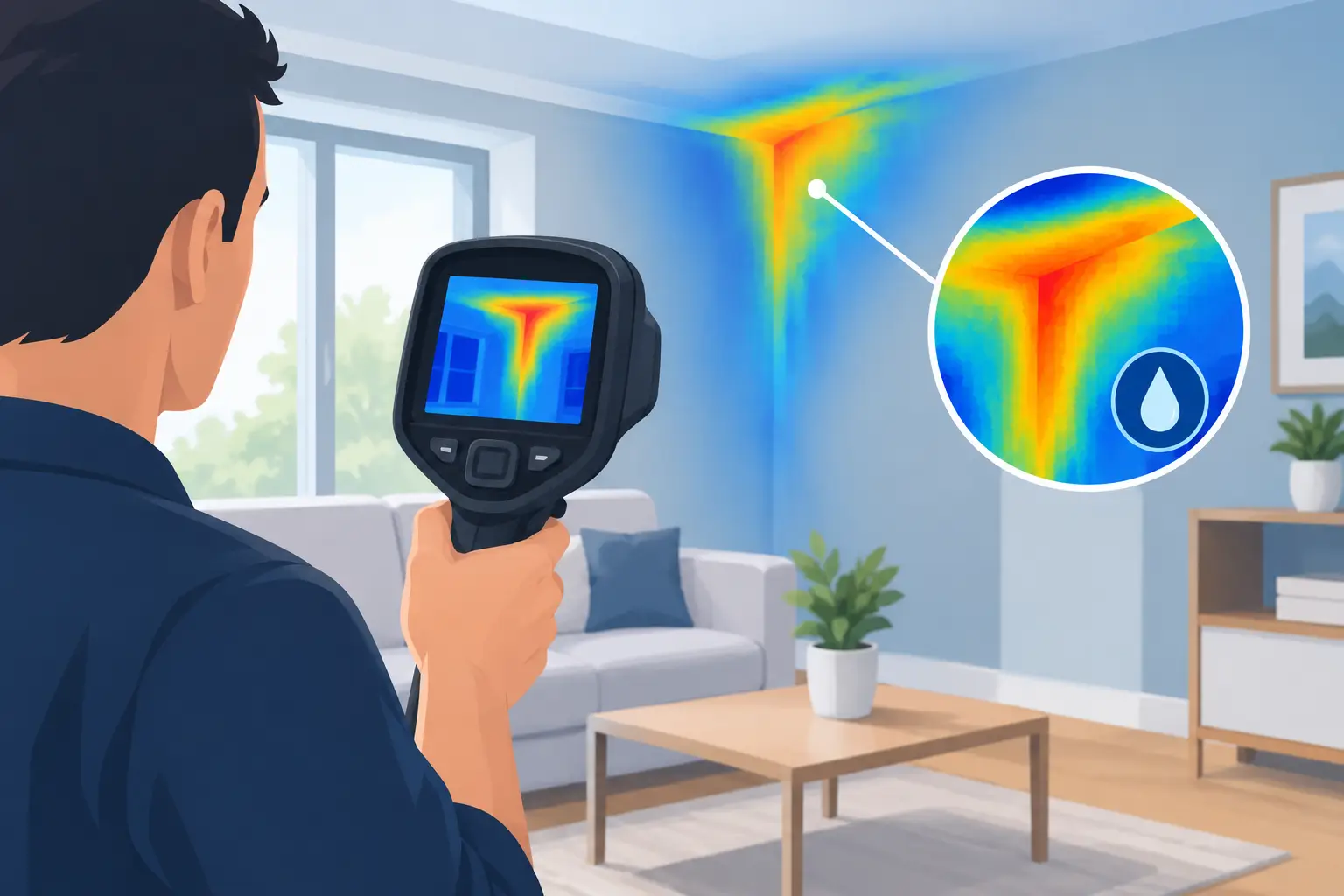
The inspector reviews readily accessible components and looks for deficiencies that may fall within the builder’s warranty obligations. Thermal imaging can help identify temperature anomalies or potential moisture concerns that are not apparent to the naked eye. Gas leak detection and other appropriate tools add another layer of protection when conditions call for them.
A warranty inspection does not determine what a builder must repair. Warranty coverage is controlled by your builder’s written agreement, exclusions, and notice requirements. Cosmetic items may have shorter reporting deadlines, while certain structural coverage may last longer. Read the warranty early, keep records of prior service requests, and submit your inspection findings within the builder’s required timeframe.
Do not wait for the warranty deadline
The best time to schedule is typically around the 10th or 11th month of ownership, not during the final week of coverage. This gives you time to receive the report, review it, submit a written warranty request, and respond if the builder needs additional information or a follow-up visit.
If you notice a possible leak, electrical concern, gas odor, significant cracking, or a safety issue before then, report it immediately. A warranty inspection is a planned milestone, not a reason to delay attention to an urgent problem.
Where the Inspections Overlap
Both inspection types can identify concerns involving the roof, structure, electrical system, plumbing, HVAC equipment, attic, interior finishes, exterior grading, and safety features. Both give homeowners a detailed record of conditions observed on the inspection date.
The overlap is useful because homes change. A minor drainage concern at a pre-closing inspection may become more evident after spring storms. A brand-new HVAC system may be installed correctly but develop a performance issue after sustained use. Reinspection at a different stage can reveal a different set of facts.
For new construction, a buyer inspection before closing remains a smart decision even when the home has passed municipal inspections. Code inspections are essential, but they are not a substitute for a comprehensive inspection performed on your behalf. Municipal inspectors and builders have different roles from an independent inspector working for the buyer.
Which Inspection Do You Need?
If you are buying any home, a buyer inspection should be part of your due diligence. A newly constructed property is not automatically exempt. New materials and new systems do not eliminate the possibility of installation errors, incomplete work, or overlooked defects.
If you bought a new construction home and are approaching the end of the builder’s first-year warranty, schedule a warranty inspection even if the home seems fine. Many issues are subtle, and a professional evaluation can help you distinguish normal maintenance from conditions worth reporting.
If you are buying a resale home that still has a transferable builder warranty, you may benefit from both approaches, but the contract details matter. Review what transfers, which deadlines apply, and whether prior owner documentation is required. Investors should also consider the property strategy. A fast 5-point inspection may support a focused decision in some situations, but it does not provide the same depth as a full buyer inspection.
How to Get More Value From Either Inspection
Attend the inspection when possible. A report is valuable, but seeing conditions firsthand and asking questions can make the findings easier to prioritize. You do not need to follow the inspector through every room. Plan to be available for the walkthrough and discussion of the most significant findings.
Keep the report with your home records. For buyers, it becomes a maintenance roadmap after closing. For warranty homeowners, it supports your written request to the builder. Save photos, emails, repair invoices, and service records in the same place. Clear documentation reduces confusion when a question arises later.
Most of all, use the inspection as a decision tool, not a fear report. Every property will have maintenance needs. The goal is to understand condition, safety, likely costs, and appropriate next steps with enough time to act.
Your home deserves more than a quick look at closing or a last-minute warranty checklist. A thorough inspection at the right stage gives you the confidence to protect the property, address concerns promptly, and move forward with a clear plan.