by Flinn Inspections
Share
by Flinn Inspections
Share

A house can look spotless at a showing and still hide a cracked sewer line, elevated radon, unsafe wiring, or moisture behind a finished wall. That is why the best inspections for first time buyers are not about checking a box for the contract. They are about protecting your cash, your timeline, and your confidence before you take on the biggest purchase of your life.
First-time buyers usually have two competing pressures. You want to move fast enough to stay competitive, but you also need enough information to avoid stepping into a costly surprise. A thorough inspection strategy helps you do both. It gives you a clear picture of the home’s condition, shows where a specialist inspection makes sense, and gives you facts you can use in negotiations, repair requests, or your own planning after closing.
What are the best inspections for first time buyers?
For most buyers, the right starting point is a full home inspection. That is the broadest and most useful inspection because it looks at the major systems and visible components of the house in one coordinated visit. Roof, structure, electrical, plumbing, HVAC, windows, doors, insulation, ventilation, and major interior and exterior conditions all come into focus.
This inspection matters because first-time buyers often do not yet know where the expensive risks tend to hide. A full home inspection closes that gap. It helps you separate cosmetic issues from defects that can affect safety, livability, and future costs.
Just as important, a quality inspector does more than identify defects. They explain severity, likely next steps, and what deserves attention now versus later. That education piece matters when you are looking at a report that may contain dozens of comments. Not every issue is a deal-breaker. Some are normal maintenance items. Some are negotiation points. Some need immediate follow-up.
Why a general inspection is only the beginning
The best inspections for first time buyers often include one or more add-on services based on the property itself. A broad inspection can reveal warning signs, but some conditions need specialized testing or equipment to confirm the extent of the problem.
This is where buyers can make a smart decision instead of an expensive guess. If the home has a basement, older mechanicals, mature trees, a fireplace, a private well or septic system, or signs of past moisture intrusion, a standard inspection may need support from additional services.
In Central Ohio, for example, radon testing is often a practical add-on rather than an optional luxury. Radon cannot be seen or smelled, and elevated levels are not unusual in this region. If you skip the test, you are not saving much money. You are simply choosing not to know.
Radon testing
Radon testing is one of the strongest add-on choices for first-time buyers because the issue is invisible and the fix is usually straightforward if caught before closing. Buyers often feel relieved when they have hard data instead of uncertainty. If the test comes back high, you can address mitigation during negotiations or budget for it with your eyes open.
Termite inspection
Wood-destroying insect activity is another high-value inspection, especially in homes with older wood framing, previous moisture issues, or visible signs of damage. Termites can affect structural components long before a casual walk-through reveals anything obvious. A termite inspection gives you a more complete understanding of whether damage is active, repaired, or still developing.
Sewer camera scope
A sewer scope is one of the most overlooked inspections by first-time buyers, and it can be one of the most financially important. The interior of the home may look excellent while the buried sewer line is cracked, offset, root-filled, or near failure. Those repairs can be expensive and disruptive.
This service becomes especially valuable with older homes, homes with large trees, or properties where drain performance has been inconsistent. A camera scope lets you see the line condition instead of hoping everything underground is fine.
Mold and air quality testing
Mold and indoor air quality testing can be worthwhile when there is a musty smell, visible staining, prior water damage, or health concerns among future occupants. It is not necessary in every transaction. But when moisture history is part of the story, testing can clarify whether the concern is cosmetic, active, or broader than it appears.
Well, septic, and water quality inspections
If the property is served by a private well or septic system, specialized inspections move from helpful to essential. These systems can involve major repair or replacement costs, and they are not evaluated the same way as municipal services. Water quality testing also matters because appearance alone does not tell you whether the water is safe.
How to choose inspections without overspending
First-time buyers sometimes worry that adding inspections means piling on cost. The better way to think about it is targeted risk reduction. You do not need every possible service on every house. You need the inspections that match the age, location, features, and visible condition of the property.
Start with the full home inspection, then use the home’s profile to decide what else belongs in the package. A newer suburban home on public utilities may call for a different mix than an older house with a basement, fireplace, and mature landscaping. A rural property with a well and septic system has its own priorities. A flipped home may deserve extra attention to hidden workmanship issues.
This is where an all-in-one inspection partner can make the process easier. Instead of trying to coordinate multiple vendors under contract deadlines, buyers can schedule core and ancillary services together, get faster answers, and avoid gaps between inspections. That convenience is not just about saving time. It reduces the chance that something important gets missed because it was delayed or left to a later decision.
What first-time buyers should look for in an inspection company
Not all inspection experiences are equal. The report matters, but so does the quality of the inspection itself. First-time buyers should look for a company that is thorough, communicative, and equipped to go beyond surface observations.
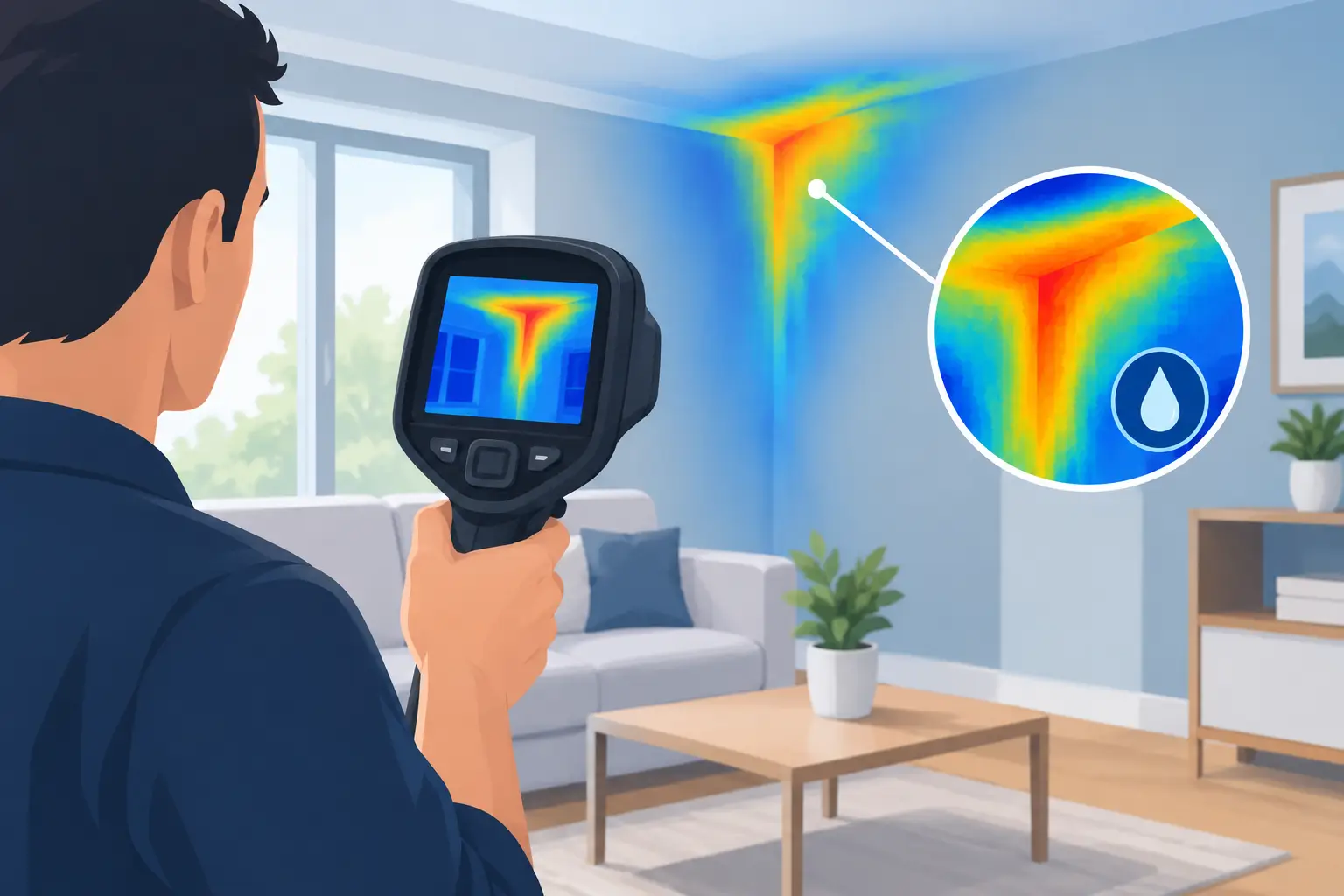
Advanced tools can make a real difference. Thermal imaging may help identify temperature anomalies linked to missing insulation, moisture patterns, or electrical concerns. Gas leak detection adds another layer of safety. These tools do not replace inspector judgment, but they strengthen it.
Speed matters too. In a live transaction, same-day reporting can keep decisions moving while details are still fresh. A warranty can also provide additional peace of mind, though buyers should always understand what it covers and what it does not. Strong credentials, clear explanations, and a willingness to answer practical questions usually tell you more than flashy marketing ever will.
If you are buying in a competitive market like Columbus, Dublin, or Powell, responsiveness becomes even more important. You need an inspection team that understands the pace of local transactions and can still deliver a careful, complete evaluation.
Common mistakes first-time buyers make
The biggest mistake is treating inspections like a pass-fail event. Homes are rarely perfect, and inspection reports are not supposed to read like a warranty certificate. The better question is whether you understand the property’s condition well enough to move forward on informed terms.
Another mistake is skipping useful specialty inspections to save a few hundred dollars, then inheriting a several-thousand-dollar problem after closing. Sewer lines, radon issues, hidden moisture, termite damage, and failing septic systems are not small-ticket surprises.
Some buyers also focus too much on cosmetic defects because they are easy to understand. Peeling caulk and scuffed trim are visible. Electrical safety concerns in the panel or moisture in the crawl space are less obvious but far more important.
Finally, do not make the mistake of hiring based on the cheapest price alone. Thoroughness, technology, reporting speed, and the ability to bundle services can create much better value than the lowest upfront fee.
The best inspections for first time buyers depend on the house
There is no single checklist that fits every property. A condo, a century home, a new build, and a rural home on private systems each carry different risks. What matters is matching the inspection plan to the property, not assuming every house needs the same process.
For many buyers, the strongest approach is simple. Begin with a comprehensive home inspection, add the specialty services that fit the property, and work with an inspector who explains findings in plain language. That is the difference between feeling nervous at closing and feeling prepared.
At Flinn Inspection Group, that is how we approach the job – thorough inspection coverage, advanced tools, same-day reporting, and clear guidance built around protecting your investment. When you know what you are buying, you make better decisions, ask sharper questions, and step into homeownership with far fewer surprises.
The right inspection does not just tell you what is wrong with a house. It tells you what you need to know to move forward with confidence.