by SEO
Share
by SEO
Share
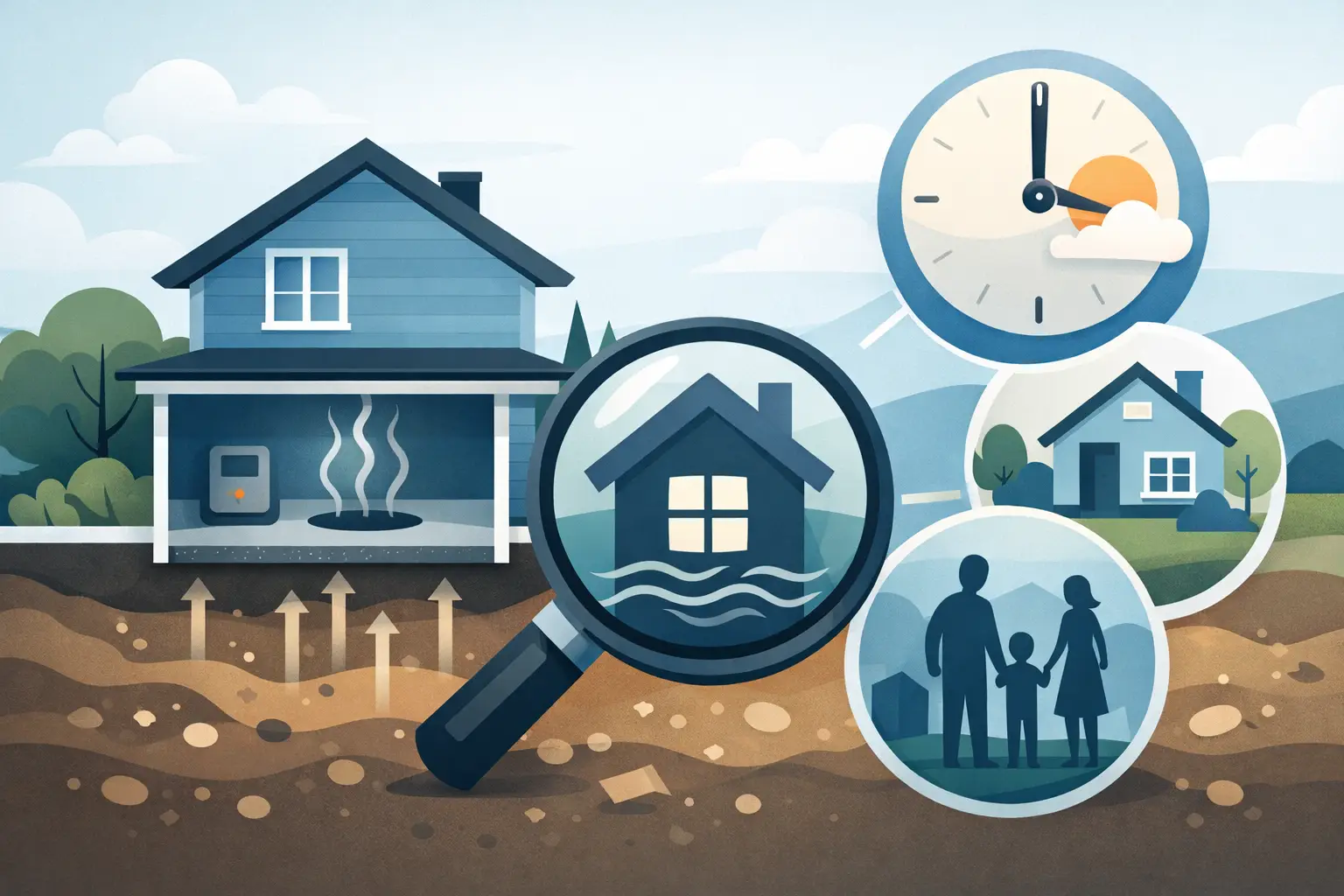
A home can look spotless, pass a walk-through, and still have a radon problem hiding in the lowest livable level. That is why the question homeowners and buyers should ask is simple: when should radon be tested? The right timing can affect a real estate decision, a mitigation plan, and most importantly, the air your family breathes every day.
Radon is a naturally occurring radioactive gas that forms in soil and rock. It can move through the ground and enter a building through foundation cracks, slab joints, sump pits, crawl spaces, utility openings, and other small gaps. You cannot see it or smell it, and symptoms do not show up in a way that helps you catch it early. Testing is the only reliable way to know whether a home or commercial property has elevated radon levels.
When should radon be tested during a home purchase?
The best time to test for radon is during the inspection period of a real estate transaction. For buyers, that window matters because it gives you time to understand the result, negotiate if needed, and make an informed decision before closing. Waiting until after you own the property can turn a manageable issue into an unexpected expense.
A radon test is especially valuable when you are buying a home with a basement, crawl space, or slab-on-grade construction, but the truth is that any home can have elevated levels. Newer homes are not automatically safer, and older homes are not automatically riskier. Tight construction can sometimes hold radon in just as effectively as aging foundation conditions can let it in.
If you are a seller, pre-listing radon testing can also make sense. It allows you to address a problem before it becomes a last-minute negotiation point. In a fast-moving market like Central Ohio, surprises during due diligence can slow a transaction down quickly.
When should radon be tested if you already own the home?
If you are not buying or selling, radon should still be tested. The Environmental Protection Agency recommends testing all homes below the third floor, and that recommendation exists for a reason. Radon levels can vary from one house to the next, even on the same street. Soil conditions, foundation type, ventilation, weather patterns, and the way a home is used all affect the reading.
For an existing homeowner, the most practical times to test are after moving in, after a major change to the home, and periodically over time. If your house has never been tested, that alone is reason enough to schedule one. Many homeowners assume that because they have lived in the home for years without obvious issues, the risk must be low. Radon does not work that way.
If you tested once many years ago, a retest is a smart move. Conditions change. Foundation settlement can create new entry points. HVAC adjustments can alter pressure relationships inside the home. Even a finished basement can change how the lowest level is used and whether exposure is more likely.
Test after renovations that affect airflow or the foundation
One of the most overlooked answers to when should radon be tested is after remodeling or renovation work. Any project that changes the building envelope, the HVAC system, or the lowest level of the home can affect radon levels.
That includes finishing a basement, adding insulation, replacing windows, installing a new furnace or ventilation setup, sealing a crawl space, or doing structural work on the foundation. These changes are often good improvements, but they can also shift how air moves through the house. Radon entry is closely tied to pressure differences between the home and the soil below it.
If you convert an unfinished basement into living space, testing becomes even more important. A level that was once used for storage may now be a family room, office, bedroom, or playroom. Exposure risk depends in part on how often people occupy that space.
When should radon be tested after mitigation?
If a home has already had a radon mitigation system installed, do not assume the issue is permanently solved without verification. The property should be tested after the system is installed to confirm that it is reducing radon to an acceptable level. After that, periodic retesting is still a wise part of home maintenance.
Mitigation systems are effective, but like any home system, they need to keep working properly. Fans can fail. Piping connections can shift. Changes to the home can affect performance. A follow-up test gives you proof that the system is doing its job.
For homeowners, this is less about alarm and more about accountability. If you have invested in mitigation, you want to know it is protecting the property the way it should.
Seasonal timing matters, but do not use it as a reason to wait
People often ask whether winter is the best time to test. In many cases, colder months can produce higher radon readings because homes are closed up more tightly and pressure differences may be stronger. That can make winter a useful time to identify a problem.
Still, the better answer is not to wait for a perfect season. Radon can be tested year-round, and a professionally managed test accounts for proper conditions and placement. If you are in the middle of a purchase, renovation, or concern about indoor air quality, the best time to test is now.
Short-term and long-term tests each have a place. A short-term test is often used during real estate transactions because decisions need to happen quickly. A long-term test can give a broader picture of average exposure over time. The right option depends on your purpose, your timeline, and whether the property is changing hands.
Why neighboring test results are not enough
One of the most common mistakes property owners make is relying on a neighbor’s test result. It feels logical, but it is not dependable. Two homes built by the same builder, in the same subdivision, with similar floor plans can still produce very different radon levels.
The reason is simple. Radon entry is affected by small differences in soil permeability, cracks, drainage patterns, foundation details, mechanical systems, and how occupants use the home. Your neighbor’s result may be interesting, but it should never replace your own test.
This is especially true for investors and buyers evaluating multiple properties. A low reading at one address tells you very little about the next one.
What level calls for action?
In the United States, the EPA action level is 4.0 picocuries per liter. If a test result meets or exceeds that number, mitigation is recommended. Even levels below 4.0 may still warrant discussion, particularly if the home includes regularly occupied lower-level living space or if a family simply wants to reduce exposure as much as practical.
This is one of those areas where it depends on your risk tolerance, the property type, and the way the building is used. A rental property, a family home with a finished basement, and a lightly used commercial space may all lead to slightly different decision-making. What should stay the same is the commitment to getting accurate information.
Professional testing gives you a cleaner decision
DIY radon kits exist, but in many situations, professional testing is the stronger choice. During a real estate transaction, documentation, chain of custody, device placement, and timing all matter. A professionally administered test helps reduce avoidable disputes and gives buyers, sellers, and agents a clearer basis for next steps.
For homeowners, professional testing also removes guesswork. You get a more controlled process and a result that is easier to use when planning mitigation or follow-up action. When a major investment is involved, reliable data matters.
In markets like Columbus, Dublin, and Powell, where buyers and sellers often move on tight timelines, having radon testing coordinated alongside the broader inspection process can save time and simplify the decision path. That is one reason firms like Flinn Inspection Group include radon testing as part of a broader, practical approach to protecting the property from multiple angles.
The right time to test for radon is rarely later. If you are buying, before closing is the time. If you are renovating, test after the work changes airflow or foundation conditions. If you already own the home and have never tested, that is your answer too. The sooner you know what is in the air, the sooner you can make the right call for your home, your investment, and the people inside it.