by Flinn Inspections
Share
by Flinn Inspections
Share
A home can look solid at the surface and still hide a costly problem underground. That is why buyers and owners often ask, when should sewer line be scoped? The short answer is before a problem turns into an emergency, but the right timing depends on the age of the property, the signs you are seeing, and whether a real estate transaction is already moving.
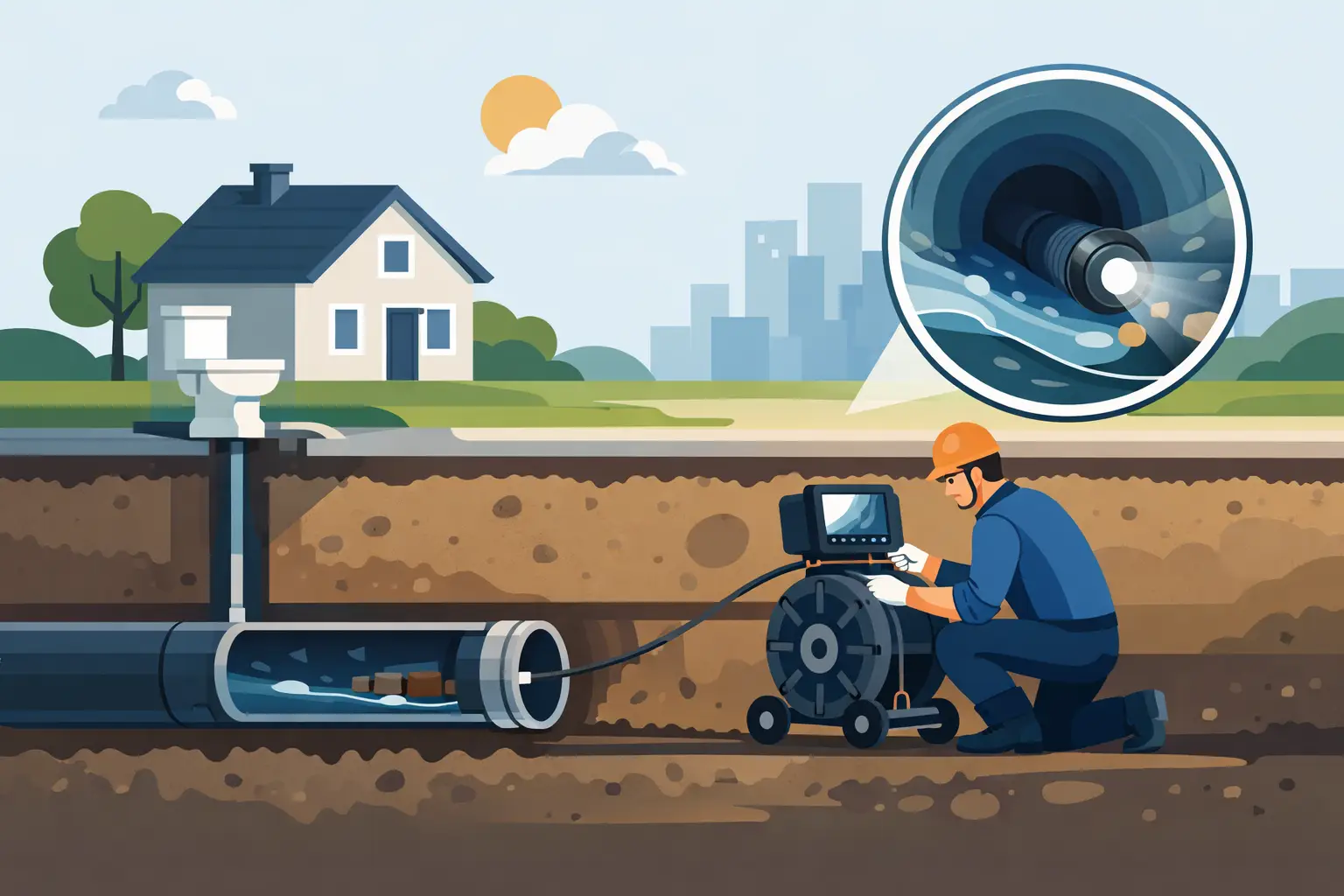
A sewer camera scope is not just for homes with obvious plumbing trouble. It is a smart way to verify the condition of a buried line that can be expensive to repair or replace. For buyers, it adds clarity before closing. For current owners, it can explain recurring drainage issues and help avoid guesswork. For investors, it can protect the numbers on a deal that already has enough moving parts.
When should sewer line be scoped during a real estate purchase?
If you are buying a home, the best time to scope the sewer line is during the inspection period. This is when the information is most useful and when you still have options. If the camera finds root intrusion, offsets, cracks, heavy buildup, or a belly in the line, you may be able to negotiate repairs, request credits, or decide whether the level of risk fits the property.
This matters even more on older homes, but age alone is not the whole story. A newer home can still have a damaged line from construction debris, poor installation, soil movement, or heavy equipment crossing the yard. An older home may have a line that has held up well for years. The value of the scope is that it replaces assumptions with evidence.
For buyers in markets like Columbus, Dublin, and Powell, where homes range from historic neighborhoods to newer developments, a sewer scope can be especially useful because underground conditions vary widely from one property to the next. The house itself may look updated, but the sewer line may not have been replaced with the rest of the plumbing.
Signs that mean a sewer line should be scoped soon
Sometimes the timing is simple because the line is already sending warnings. Slow drains in multiple fixtures are one common sign, especially if the issue affects the lowest fixtures first. A toilet that gurgles when a sink or tub drains can also point to a main line concern rather than an isolated clog.
Recurring backups deserve prompt attention. If a drain has been snaked more than once and the problem keeps returning, a camera scope can show why. In many cases, the clog is not the real issue. The real issue may be roots entering through a joint, a section of line that has shifted, or a low spot where waste and paper keep collecting.
Bad odors outside or inside the home can also justify a scope, particularly when the source is hard to pinpoint. Soggy areas in the yard, unexplained lush patches of grass, or settlement near the sewer path may suggest leakage or a compromised line. None of these signs automatically mean full replacement is needed, but they do mean the line should be evaluated with more than a guess.
Older homes are strong candidates for a sewer scope
If the property is several decades old and the sewer line has not been documented as replaced, a scope is a wise step. Many older homes still have clay, cast iron, Orangeburg, or aging bituminous fiber piping. Some of these materials are more vulnerable to root intrusion, scaling, collapse, or deformation over time.
That does not mean every older line is failing. Some lines perform longer than expected depending on soil, use, and maintenance history. But buried systems age differently than visible interior finishes, and problems can stay hidden until sewage has nowhere left to go.
For first-time buyers, this is one of the easiest places to underestimate risk. A fresh coat of paint, new flooring, and updated countertops are visible. The main sewer line is not. A scope helps balance that picture by checking one of the most expensive unseen systems on the property.
When should sewer line be scoped after repeated drain cleaning?
If your plumber has cleared the line more than once in a relatively short period, the sewer line should be scoped. Repeated cleaning without visual confirmation can become a cycle of temporary relief and mounting cost. The camera shows whether the issue is grease, roots, scale, a broken section, or something else entirely.
This is where trade-offs matter. If the line only has minor root intrusion, periodic maintenance may be enough for now. If the scope shows a collapsed section or severe offset, continued cleaning may only delay a larger repair. The right next step depends on what the camera actually sees.
A scope is also useful before approving major excavation. Homeowners sometimes hear that the line needs replacement based on symptoms alone. That may be true, but a camera inspection can confirm the location, severity, and likely repair options. It is the difference between an informed decision and an expensive guess.
Before listing a home, a sewer scope can prevent surprises
Sellers usually think about sewer lines only after a buyer requests a scope. In some cases, scheduling one before listing can make sense. If the home is older, has a history of drainage issues, or has large mature trees near the line, a pre-listing scope can reduce the chance of a late-stage surprise that delays closing.
This approach is not necessary for every sale. If the home is newer, has had no symptoms, and the line has already been replaced or documented recently, a separate scope may be less urgent. But if there are known concerns, getting ahead of them can protect both timeline and negotiating position.
For investors preparing a property for resale, this can be even more important. Profit margins shrink quickly when buried defects appear after renovation is complete. A sewer scope early in the project helps you budget accurately and avoid cosmetic work over a problem that still sits underground.
New construction can benefit too
Many people assume a brand-new home does not need a sewer camera inspection. In reality, new construction can have sewer line issues caused by installation defects, improper slope, crushed piping, or job-site debris left in the line. A new home is less likely to have age-related deterioration, but that does not make it immune to defects.
A sewer scope can be especially helpful before the builder warranty period ends. If there are recurring drainage problems, this is not the time to wait and hope they disappear. Visual confirmation during the warranty window can make a major difference in how the issue is addressed.
What a sewer scope can and cannot tell you
A camera inspection is one of the most valuable tools for evaluating a sewer line, but it is not magic. It can show roots, cracks, standing water, separations, heavy buildup, and other visible defects. It can often identify where the problem appears to be and how serious it looks.
At the same time, a scope has limits. Heavy blockage can prevent the camera from seeing the full line. Standing water may suggest a belly, but exact grading conditions may need further evaluation. Some problems are intermittent and may not appear the same way every day. That is why experience matters. The findings need to be interpreted in context, not just recorded.
This is also why many clients prefer an inspection partner that can evaluate the bigger picture. Sewer concerns often show up alongside grading issues, foundation settlement, plumbing defects, or deferred maintenance elsewhere on the property. Looking at the home as a system leads to better decisions.
The best timing is before you are forced into a fast decision
If there is one rule that applies almost every time, it is this: scope the sewer line before you have no room to negotiate, no time to plan, and no choice but to react. For buyers, that means during due diligence. For homeowners, that means when warning signs start repeating. For sellers and investors, that means before the transaction or renovation reaches the point where surprises get expensive.
At Flinn Inspection Group, that is the standard we believe in – giving clients clear information early enough to protect their investment and move forward with confidence.
A sewer line is out of sight, but it should never be out of mind when real money is on the line. The right inspection at the right time can turn a buried risk into a manageable decision.