by Flinn Inspections
Share
by Flinn Inspections
Share

The report hits your inbox, and suddenly every line feels expensive. If you are wondering how to read inspection report findings without overreacting or missing something serious, start here: not every defect is a deal-breaker, but every finding deserves the right level of attention.
A strong inspection report is not written to scare you. It is written to document conditions, explain risk, and help you make a sound decision about a property. Whether you are buying your first home, reviewing an 11-month warranty inspection, or evaluating a commercial building, the goal is the same – understand what matters now, what can wait, and what needs a specialist.
How to read inspection report sections in the right order
Most people make the same mistake. They jump straight to the photos, see a cracked wall or a stained ceiling, and assume the worst. A better approach is to read the report in layers.
Start with the summary, but do not stop there. The summary is a useful filter because it highlights the most significant defects, safety concerns, and recommended repairs. It helps you quickly identify major systems that may affect negotiations, budgeting, or occupancy. But a summary is still only a condensed version of the full picture.
Next, review the full body of the report section by section. Look at structure, roof, exterior, electrical, plumbing, HVAC, interior, insulation, and any attached ancillary services such as radon, mold, sewer scope, or termite findings. Reading it in order helps you understand whether one issue stands alone or connects to a larger pattern. For example, a small interior stain means something very different if the roof section also documents damaged flashing and active moisture intrusion.
Then read the inspector comments closely. The real value is usually in the wording. Good reports explain not just what was observed, but why it matters and what action is recommended.
Separate major defects from maintenance items
An inspection report usually contains a mix of big concerns, moderate repairs, and routine upkeep. If you treat every item the same, the report becomes overwhelming fast.
Major defects are issues that affect safety, function, or the building’s integrity. Think foundation movement, an aging roof with active leakage, double-tapped breakers, unsafe wiring, failed HVAC operation, plumbing leaks causing damage, or signs of structural settlement. These are the items that deserve immediate attention because they can be expensive, hazardous, or both.
Maintenance items are different. A missing downspout extension, loose handrail, worn weatherstripping, dirty furnace filter, or failed caulk at a tub surround still matter, but they usually do not rise to the level of a transaction-changing defect on their own. They are part of responsible ownership.
There is also a middle category that many buyers miss – deferred maintenance. This is where small neglected issues begin stacking into larger risks. Peeling exterior trim paint may sound minor, but if moisture gets into exposed wood for long enough, that maintenance issue turns into rot and repair.
The question is not simply, “Is this bad?” The better question is, “What is the consequence if this is not addressed?”
Pay attention to the wording
If you want to know how to read inspection report language accurately, focus on action words. Inspectors choose those words carefully.
“Monitor” usually means a condition is present but may not require immediate correction. “Repair” means a problem exists and should be corrected. “Replace” suggests the component has failed, is near the end of service life, or cannot be reliably repaired. “Recommend further evaluation” means the inspector found signs that warrant a licensed specialist’s opinion.
That last phrase causes a lot of anxiety, but it should not. Home inspectors are generalists by design. Their job is to identify visible defects and point out when a condition exceeds the scope of a visual inspection or needs deeper diagnosis. If a panel shows concerning signs, recommending an electrician is a responsible move, not a red flag by itself.
Words like “appears,” “visible,” and “at the time of inspection” also matter. An inspection is a snapshot of the property’s condition on that day, under those conditions. It is not a prediction that every component will perform perfectly in the future.
Use photos as evidence, not as the whole story
Photos help you locate and understand defects, but they can distort scale and severity. A close-up image of a small crack can look dramatic. A wide shot of a roof can make damage seem smaller than it is.
Always read the photo caption and the written comment together. Ask three things: where is this located, what is the actual concern, and what is the recommended next step? If the photo shows rust at a water heater vent, the issue is not the rust alone. The concern may be drafting, moisture, age, or improper installation.
This is one reason same-day reporting is so valuable when paired with a thorough inspection process. Details are fresh, photos are tied to documented observations, and clients can move quickly with better context.
Read system age and life expectancy realistically
A report may note that a roof, furnace, water heater, or air conditioner is older. That does not always mean it has failed. It means you should budget with clear eyes.
Service life is an estimate, not a guarantee. A 17-year-old furnace may still be operating, but you should understand the increased risk of near-term replacement. A newer component can still have defects if installed poorly. Age and condition are related, but they are not the same thing.
This is where buyers and investors need discipline. Do not ask only, “Does it work today?” Ask, “How soon could this become my expense?” That framing helps you negotiate more effectively and plan post-closing costs without surprises.
Watch for patterns, not just isolated findings
One loose outlet cover is a simple repair. Multiple electrical defects across the property may point to amateur work or inconsistent updates. One hairline crack in drywall may be cosmetic. Cracks, sloping floors, sticking doors, and separated trim appearing together deserve a more serious look.
The same applies to moisture. A single stain may be old. But staining, elevated moisture readings, musty odor, damaged trim, and poor drainage together create a much stronger case for ongoing water intrusion.
Experienced inspectors look for these patterns because buildings rarely fail in only one way. When several clues line up, the issue is usually bigger than any single photo or comment suggests.
Understand what was and was not inspected
Every report has a scope. Read it.
A standard home inspection is visual and non-invasive. That means inspectors do not open walls, move heavy furniture, dismantle equipment, or see through finished surfaces. If a crawl space was inaccessible, if snow covered the roof, or if utilities were off, those limitations should be documented. Those limitations are not excuses. They are part of an honest report.
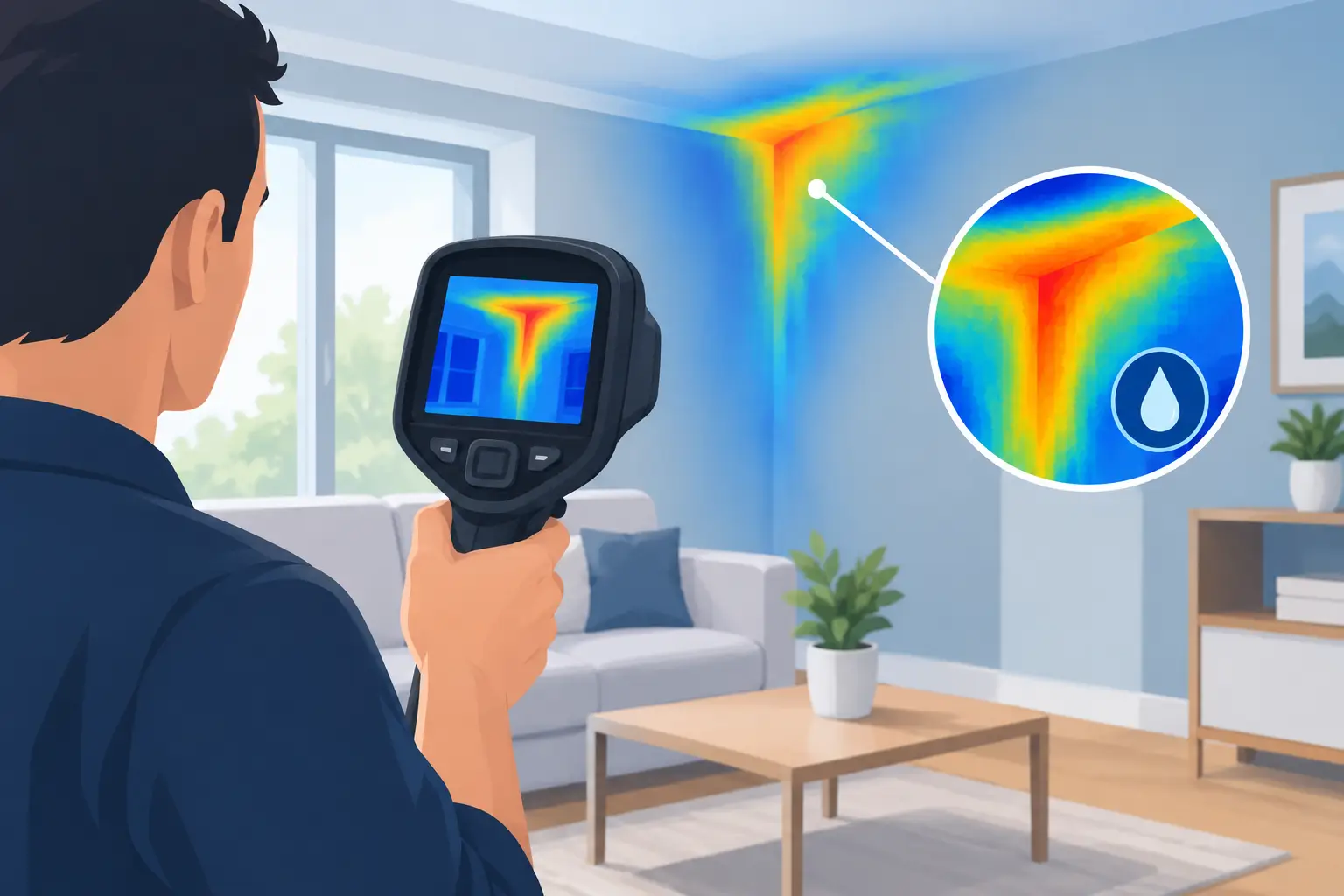
This is also why ancillary services can matter so much. A sewer camera scope, radon test, termite inspection, mold or air quality testing, well water evaluation, or thermal imaging scan can reveal issues a standard visual inspection alone may not fully capture. For buyers in older Central Ohio housing stock, or for properties with basements, private utilities, or prior moisture history, that added information can materially change your decision.
What to do after you read the report
Once you finish the report, sort findings into three buckets: safety issues, major cost items, and routine repairs. That gives you a usable action plan.
Safety issues should be addressed first. Major cost items should shape negotiations, budgeting, or specialist follow-up. Routine repairs can become your ownership checklist. If you are still under contract, talk with your agent about which items are reasonable to request, which are better handled with a credit, and which are simply part of buying a lived-in property.
If something is unclear, ask the inspector. A good inspection company is not just delivering a document. It is helping you understand the condition of a major investment. At Flinn Inspection Group, that education-first mindset is part of the job, because a report only protects you if you can use it.
Common mistakes when learning how to read inspection report details
The biggest mistake is assuming the number of comments equals the severity of the property. Thorough reports often include many small items because thorough inspectors document what they see. A long report does not automatically mean a bad house.
The second mistake is focusing only on defects and ignoring maintenance guidance. Many expensive repairs start as smaller items that were easy to correct early.
The third is treating the report like a pass-fail test. Properties are not graded that way. The real question is whether the condition, risk, and projected costs still fit your goals.
That is the right way to read an inspection report – with perspective, not panic. A clear report should help you make a smart decision, ask better questions, and move forward with confidence based on facts, not guesswork.