by Flinn Inspections
Share
by Flinn Inspections
Share
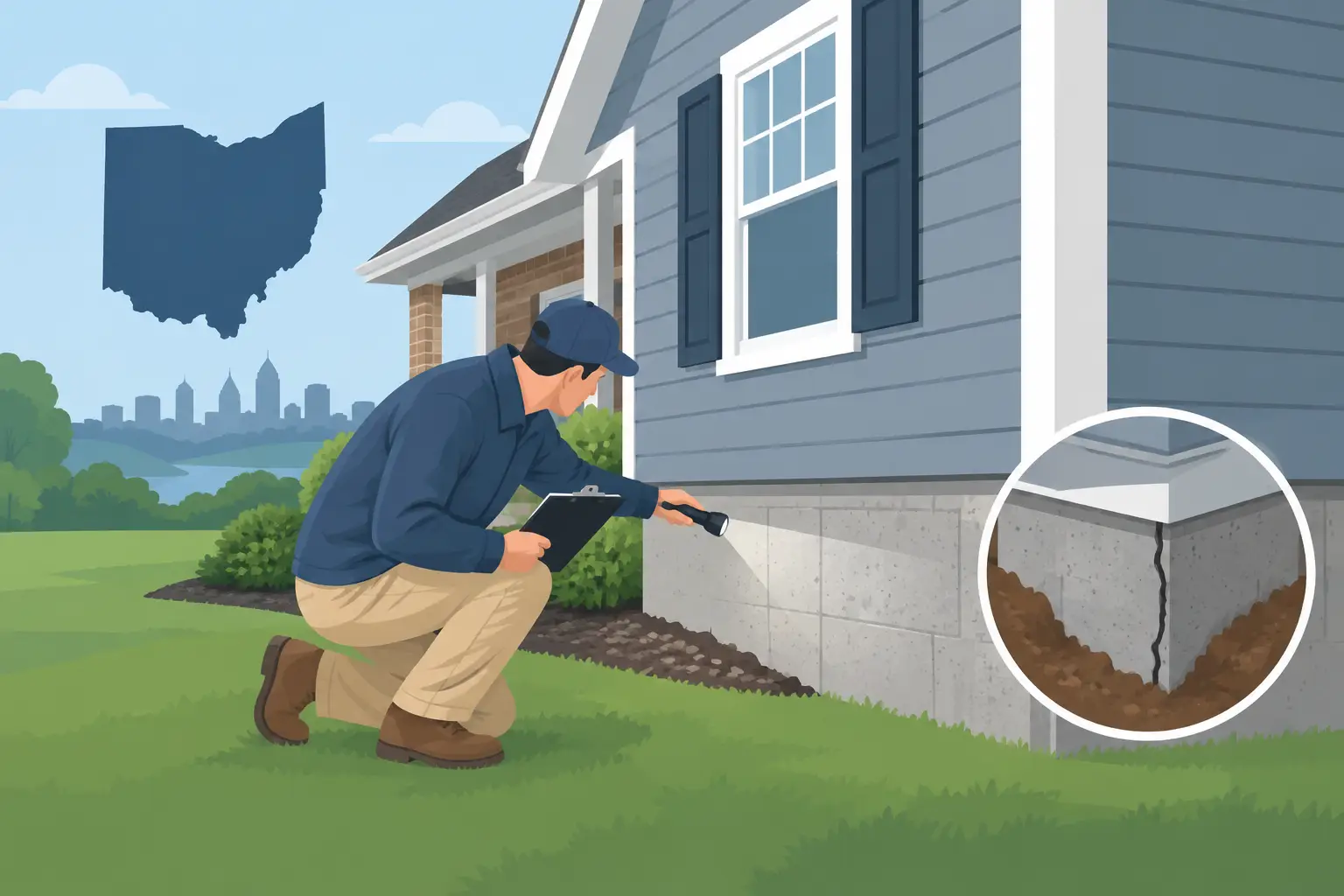
A foundation concern can change the direction of a real estate transaction fast. A small crack may be routine concrete shrinkage, while a sticking door, uneven floor, and water intrusion together can point to movement that deserves closer review. This guide to foundation inspections helps Central Ohio buyers, homeowners, and investors understand what a qualified inspection can reveal, what it cannot confirm, and how to respond with confidence.
For a buyer, the goal is not to expect a flawless foundation. Few properties have one. The goal is to identify evidence of active or past movement, moisture conditions, drainage failures, and repair needs before those issues become your responsibility. For an owner, a foundation inspection creates a practical starting point for maintenance and repair planning.
What a Foundation Inspection Looks For
A professional property inspection evaluates the accessible foundation system and the conditions affecting it. That includes the visible exterior foundation walls, interior basement or crawlspace walls, floors, framing, structural supports, drainage features, grading, gutters, downspout discharge, and signs of moisture entry.
The foundation does not work alone. Soil, water management, roof runoff, landscaping, plumbing leaks, and changes to the home all influence how it performs. A thorough inspector looks at the full picture rather than treating every crack as an isolated defect.
In a typical inspection, we assess visible conditions such as cracks in concrete or masonry, bowing or leaning walls, displacement at joints, settlement indicators, efflorescence, exposed reinforcement, deteriorated mortar, and previous repairs. Inside the home, floor slope, separated trim, drywall cracking, doors that bind, and gaps around windows can provide additional context.
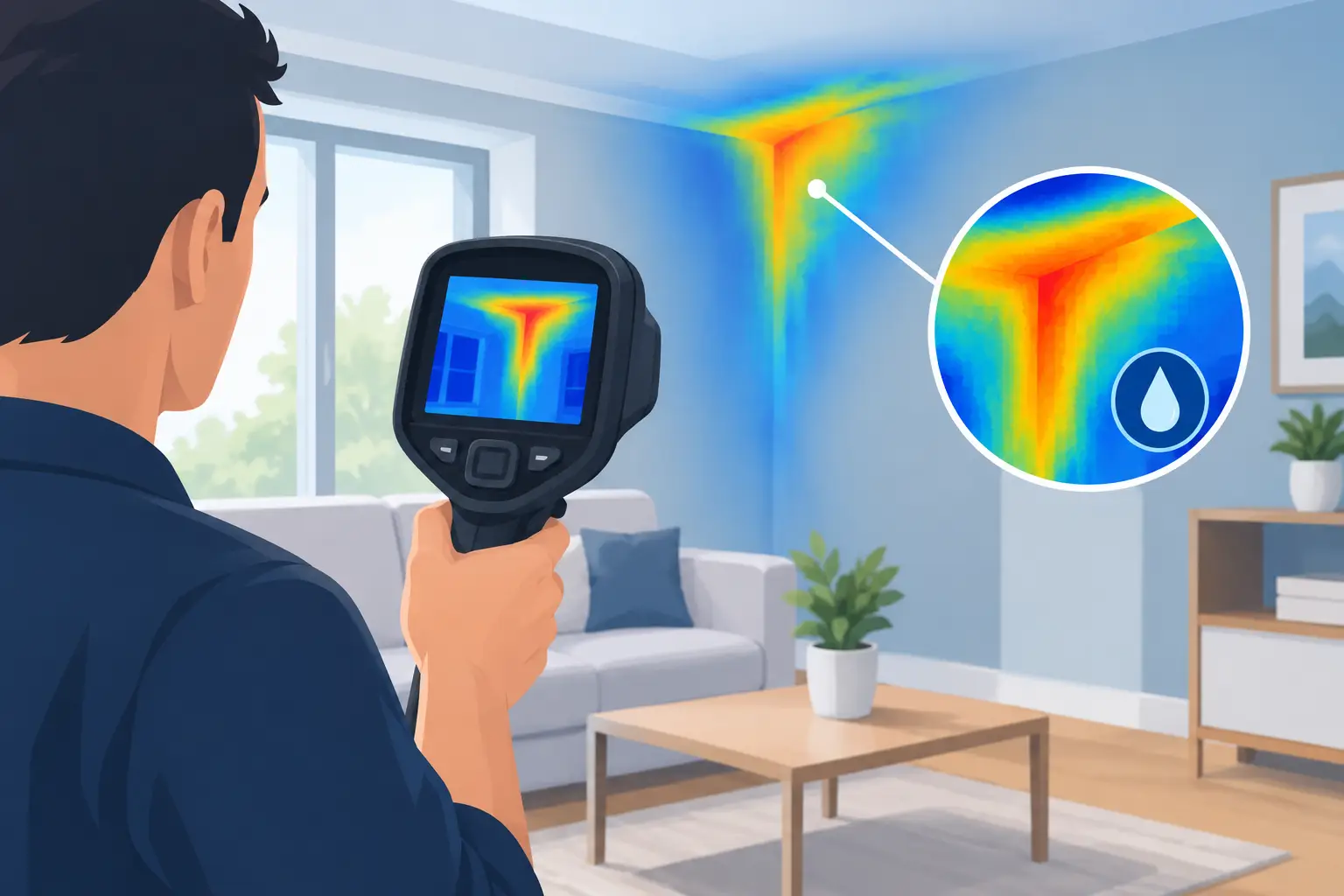
Thermal imaging can help identify temperature patterns consistent with moisture intrusion in accessible areas. Moisture meters may also help confirm elevated readings where staining or suspected leaks are present. These tools support the visual inspection, but they do not replace physical evaluation or engineering analysis when structural movement is suspected.
Common Foundation Findings and What They May Mean
Concrete cracks are common, particularly in homes that have cured, settled, or experienced seasonal soil movement. The location, direction, width, condition, and related symptoms matter more than the presence of a crack alone.
A thin vertical crack in a poured concrete wall may reflect normal shrinkage or minor settlement. It still deserves documentation, especially if it has allowed moisture into the basement. A horizontal crack, bowing wall, or inward displacement is more concerning because it can be associated with lateral soil pressure. Stair-step cracking in a block or brick foundation can suggest movement, though the cause and severity need to be evaluated in context.
Water is often the key factor. Poor grading that slopes toward the house, clogged gutters, short downspouts, and landscape beds built too high against siding can keep moisture near the foundation. Repeated wetting and drying can affect soils. In colder Ohio winters, freeze-thaw cycles may also worsen existing exterior defects and drainage problems.
Pay attention when several signs appear together. One cosmetic drywall crack may not indicate a foundation issue. But a pattern of wall cracking, sloping floors, sticking doors, basement leakage, and exterior settlement deserves prompt follow-up.
Signs Buyers Should Not Ignore
During a showing, buyers often focus on finishes, appliances, and room layout. Take a few minutes to notice how the structure is behaving. These conditions do not automatically mean a major repair is required, but they are appropriate reasons to request a careful inspection:
- Horizontal or stair-step cracks in foundation walls
- Bowed, leaning, or visibly displaced basement walls
- Persistent dampness, active seepage, or white mineral deposits on masonry
- Sloped floors, separated trim, or doors and windows that no longer operate smoothly
- Fresh patching, wall coverings, or paint that may limit visibility around known problem areas
Do not assume a repaired crack means the problem is solved, or that it remains active. Previous repairs can be effective, but the inspector should evaluate the repair where accessible and look for evidence of ongoing movement or moisture. Ask for invoices, warranties, engineering documents, and transferable repair records whenever they are available.
A Guide to Foundation Inspections During a Home Purchase
Timing matters. Schedule the inspection early enough in the due diligence period to review findings, obtain specialist opinions if needed, and make informed decisions without rushing. A same-day inspection report helps move that process forward, but serious concerns may require more time for a structural engineer or qualified foundation repair contractor to investigate.
An inspection report should clearly identify the location of observed conditions, describe visible evidence, explain why the condition matters, and recommend appropriate next steps. The right recommendation is not always “repair immediately.” In some cases, the best next step is improving drainage and monitoring a minor crack. In others, evaluation by a licensed structural engineer is warranted before negotiating repairs or proceeding with the purchase.
A home inspector provides a visual, noninvasive assessment of accessible areas. Inspectors generally do not excavate soil, remove finished walls, perform destructive testing, calculate structural loads, or certify that a foundation is free from defects. Those limits are not a weakness. They define when a concern should move from a property inspection to a specialized evaluation.
For buyers, this distinction protects the transaction. A foundation contractor can provide a repair proposal, while an engineer can identify the likely cause and recommend a repair design when needed. Depending on the findings, it may be reasonable to obtain both perspectives. Repair scopes and pricing can vary significantly, especially when drainage correction, waterproofing, wall stabilization, or excavation are involved.
Foundation Concerns in New Construction
New construction should not be treated as automatically problem-free. Foundation and pre-drywall inspections create an opportunity to review accessible components before insulation, drywall, finishes, and landscaping limit visibility.
At the foundation stage, an inspection may identify visible cracking, incomplete drainage details, water management concerns, improperly supported framing, or conditions that should be clarified with the builder. By the pre-drywall phase, the connection between framing, structural components, plumbing, and moisture management can be reviewed more completely.
An 11-month warranty inspection can be equally valuable for newer homes. Seasonal changes may reveal settlement cracks, grading concerns, drainage issues, or moisture patterns that were not apparent at closing. Documenting those findings before the builder warranty period ends gives homeowners a clearer basis for requesting review.
What Homeowners Can Do Before an Inspection
You do not need to diagnose the foundation before scheduling an inspection. You can make the evaluation more productive by clearing stored items away from basement and crawlspace walls where practical, ensuring access to utility rooms, and noting when you first noticed cracks, leaks, or door operation changes.
If possible, gather records for prior waterproofing, sump pump work, foundation repair, drainage improvements, or plumbing leaks. Photos taken over time can be useful as well. A crack that has remained unchanged for years is different from one that has noticeably widened over a season.
Outside, keep gutters clean and direct downspouts away from the foundation. Maintain grading so surface water drains away from the home, not toward it. These steps cannot correct every structural issue, but consistent water management is one of the most practical ways to protect the foundation you have.
Choosing the Right Inspection Partner
Foundation observations require more than a quick walk around the basement. Choose an inspector who evaluates the property as a system, documents findings clearly, and explains the difference between maintenance items, repair concerns, and conditions that need specialty evaluation.
For Central Ohio clients, Flinn Inspection Group provides thorough property inspections supported by advanced tools, same-day reporting, and a client-first approach. We inspect every accessible square foot with the goal of giving you usable information, not vague warnings that leave you guessing.
A foundation is too significant to judge by appearances alone. When questions arise, get a clear assessment early, keep water moving away from the home, and use qualified specialists when the evidence calls for deeper analysis. That is how you protect both the property and the decision behind it.