by Flinn Inspections
Share
by Flinn Inspections
Share
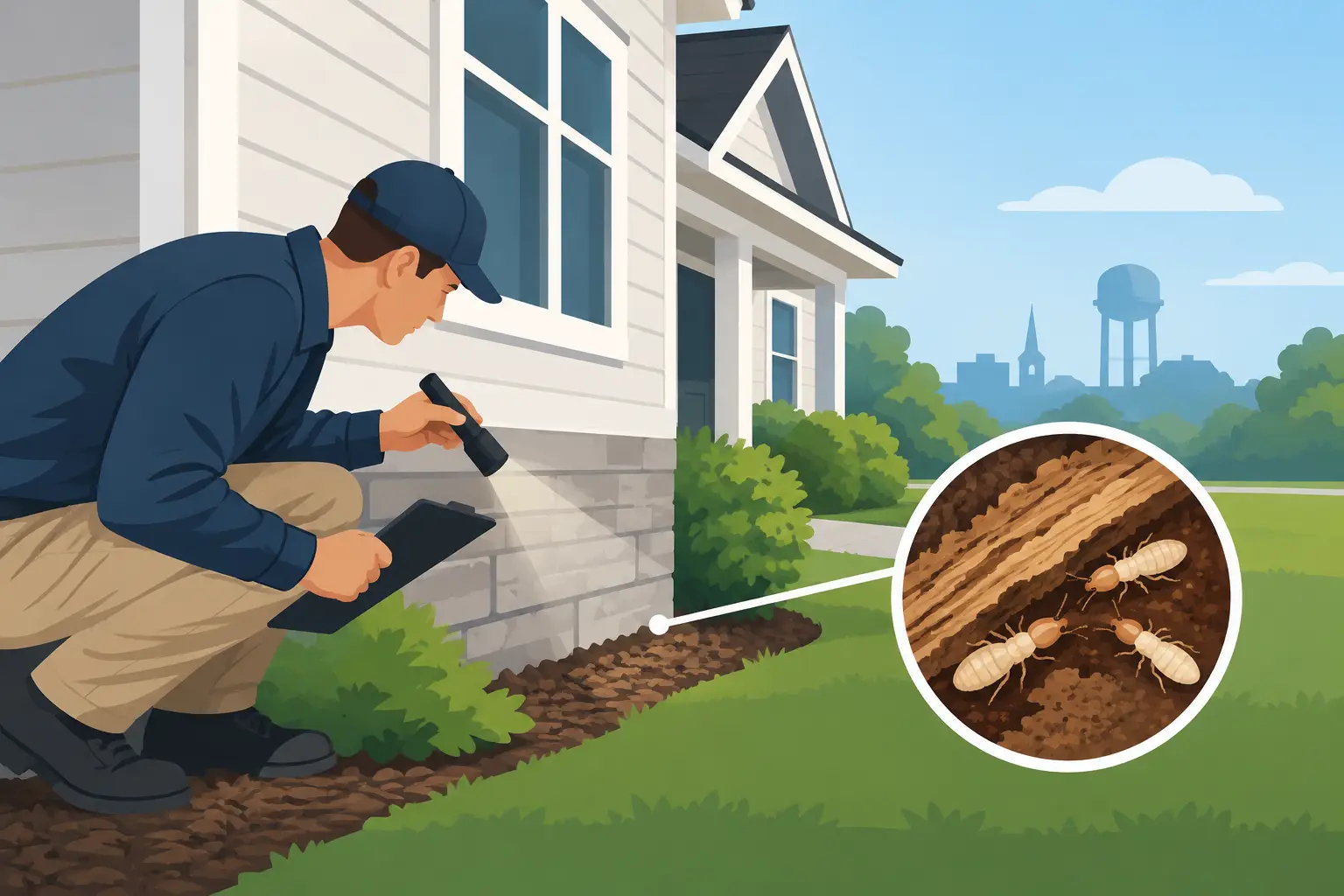
A finished basement, freshly painted trim, and a clean seller disclosure can make a Hilliard property look ready for closing. None of those details, however, confirm that the structure is free from wood-destroying insects. Termite inspections Hilliard Ohio buyers arrange before finalizing a purchase are a focused way to look for evidence that may be hidden behind finishes, below grade, or inside areas homeowners rarely examine.
Termites do not need a dramatic entry point to create a meaningful problem. They need access to wood, moisture, and time. By the time visible damage appears, activity may have already affected framing, sill plates, floor systems, porch components, or other concealed materials. A professional inspection brings clarity to a risk that should never be left to guesswork when a major real estate investment is on the line.
Why termite inspections matter in Hilliard
Hilliard homes range from established neighborhoods with mature landscaping to newer construction with modern exterior finishes and drainage systems. Age alone does not determine termite risk. Older properties may have long-term moisture conditions or prior repairs that deserve closer review, while newer homes can still have wood-to-soil contact, grade issues, mulch placed too high against siding, or construction details that limit visibility.
Subterranean termites are especially concerning because they often travel from the soil into a structure through protected pathways. They may use cracks around foundations, utility penetrations, expansion joints, or areas where exterior wood contacts the ground. Their presence is not always obvious from inside the home.
A termite inspection is also different from a general home inspection. A full home inspection can identify conditions that increase the risk of wood damage, such as poor drainage, water intrusion, or deteriorated exterior materials. A dedicated wood-destroying insect inspection is specifically focused on signs of termites and other wood-destroying organisms, along with conditions that may support future activity. When the transaction, lender, buyer, or property condition calls for it, this specialized service provides a more targeted assessment.
What a termite inspection looks for
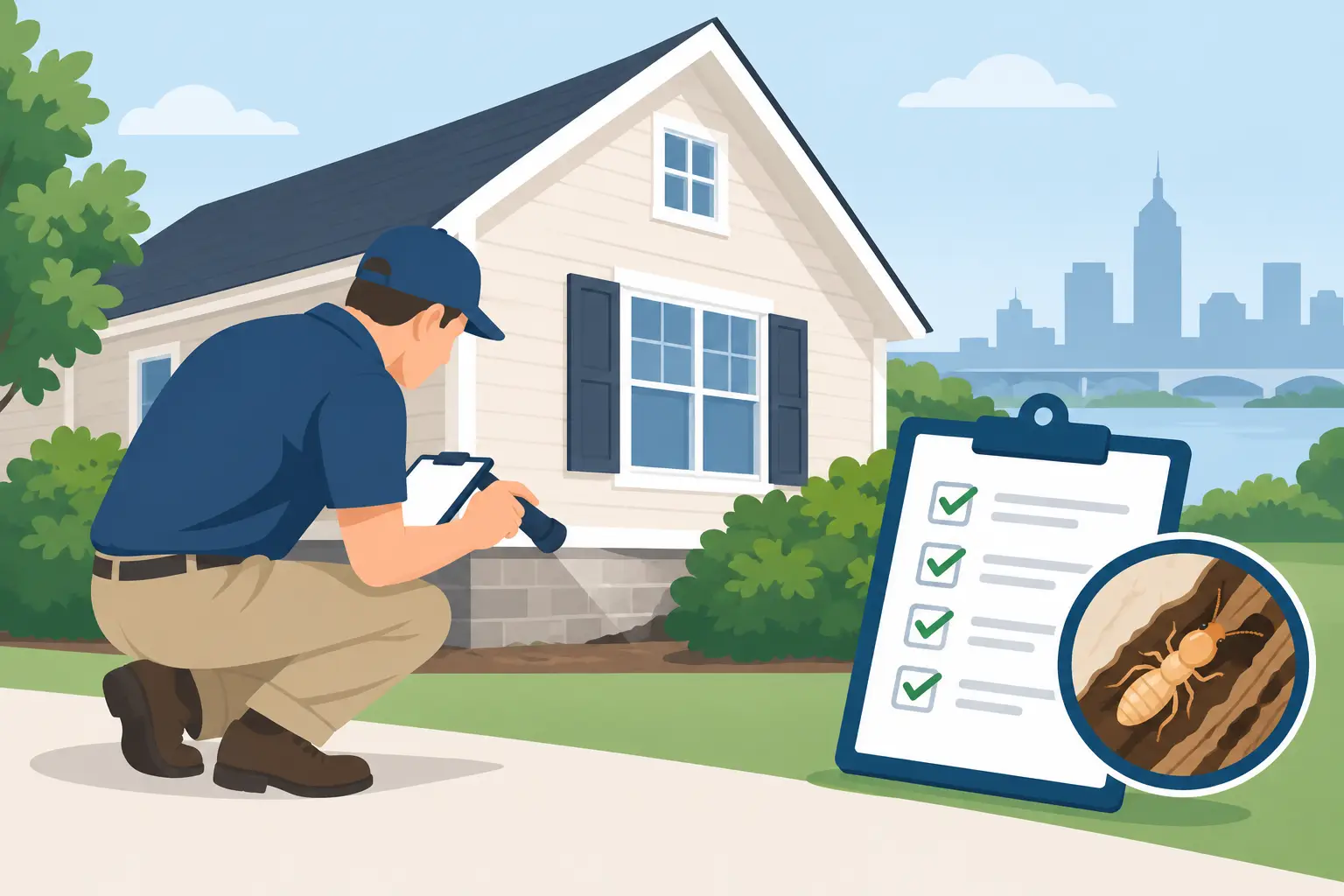
The goal is not to create alarm over every stain, crack, or piece of old wood. The goal is to distinguish ordinary wear from evidence that requires attention. A qualified inspector evaluates accessible areas of the home and looks for both active activity and signs of prior infestation or damage.
Common indicators include mud tubes along foundation walls or framing, damaged or hollow-sounding wood, small areas of blistered or distorted paint, insect wings near windows or doors, and visible wood deterioration in crawl spaces, garages, basements, decks, and exterior trim. The inspection also considers conditions that attract or conceal activity, including excess moisture, inadequate clearance between siding and soil, and vegetation or stored materials against the structure.
Not every concern can be confirmed visually. Finished walls, insulation, flooring, built-in cabinetry, stored belongings, and inaccessible crawl spaces can limit what is observable on the day of the inspection. That is why a professional report should clearly state the scope, accessible areas, observed evidence, and any recommended next steps. Honest limitations protect the client just as much as the findings themselves.
Active termites, old damage, and conducive conditions are different findings
These terms are often used interchangeably, but they do not mean the same thing. Active evidence suggests current termite activity and typically requires timely evaluation and treatment by a qualified pest-control professional. Evidence of prior activity or damage may indicate an old issue that was treated, repaired, or left unresolved. It deserves documentation and, depending on the extent, may warrant additional review by a contractor or structural professional.
Conducive conditions are not proof that termites are present. They are circumstances that make an infestation more likely or make detection more difficult. For example, mulch piled against siding, standing water near the foundation, firewood stored beside the home, or exposed wood near grade can raise concern without proving an infestation. Correcting these conditions is a practical way to reduce risk.
When to schedule a termite inspection
For most buyers, the right time is during the inspection contingency period, alongside the general home inspection and other appropriate services such as radon testing, sewer camera scoping, mold assessment, or water testing. Scheduling early gives you time to understand the finding, request documentation, obtain treatment estimates, or negotiate repairs before deadlines become urgent.
A separate termite inspection can also make sense for homeowners who notice unexplained wood deterioration, recurring moisture near the foundation, mud-like tubes, or insect swarms. Spring and early summer may bring more noticeable termite activity, but inspections are valuable year-round. Termites do not stop being a concern simply because the weather changes.
Investors should consider the inspection part of due diligence rather than an optional add-on. Rental properties, flips, vacant homes, and properties with deferred exterior maintenance may have conditions that were ignored for months or years. A fast, focused assessment can prevent a projected renovation budget from becoming a much larger structural repair.
What to do if a report identifies concerns
A finding does not automatically mean the deal should end. The right response depends on whether activity appears current, how extensive the damage may be, whether treatment records are available, and what further evaluation reveals.
If active termites are reported, ask for a licensed pest-control company to evaluate the property and provide a treatment recommendation. If visible damage is present, determine whether it is cosmetic, localized, or potentially structural. Repairs involving framing, support members, rim joists, or floor systems may require an experienced contractor or structural specialist. Buyers should also request invoices, warranties, and transferable treatment documentation when prior treatment is claimed.
For sellers, transparency is usually the stronger strategy. Addressing an active problem early can prevent surprise negotiations, delayed closings, or a failed transaction after the property has been taken off the market. For homeowners, correcting moisture and exterior maintenance conditions can be just as valuable as treatment because it helps reduce the likelihood of repeat problems.
A termite inspection should support the full picture
Termite risk is often connected to other property conditions. A downspout that discharges beside the foundation, a low section of grading, an unventilated crawl space, or deteriorated exterior caulking may contribute to moisture conditions that affect more than pest activity. Looking at these details together gives buyers a more useful understanding of the home.
That is why an all-in-one inspection approach can save time during a fast-moving transaction. Flinn Inspection Group helps Central Ohio clients coordinate thorough property evaluations, with clear findings and same-day reporting designed to support confident decisions. The purpose is not to overload a buyer with technical language. It is to identify what matters, explain why it matters, and help the client move forward with the right information.
Questions buyers should ask before closing
Before the inspection period ends, buyers should know whether evidence of wood-destroying insects was observed, which areas were accessible, and whether a pest-control or repair evaluation is recommended. They should also ask whether drainage, soil clearance, exterior wood, or moisture conditions need correction.
If the seller reports previous treatment, request the documentation rather than relying on verbal assurances. A prior treatment can be a positive sign that the issue was addressed, but the details matter: when it occurred, what was treated, whether repairs were completed, and whether any warranty remains in effect.
The best outcome is not a report with no comments at all. It is a clear understanding of the property’s condition and a practical plan for any issue that needs attention. A careful termite inspection gives you the confidence to ask better questions before the closing table, when your options are strongest.