by Flinn Inspections
Share
by Flinn Inspections
Share

A commercial building can look like a strong deal on paper and still hide expensive problems in the roof, electrical distribution, HVAC equipment, drainage, or life-safety systems. That is why commercial inspections matter before purchase, before lease commitments, and before major capital planning. The right inspection gives you facts you can act on, not vague reassurance after the money is already committed.
For investors, business owners, landlords, and property managers, the stakes are different than they are in a typical home purchase. Commercial properties have more moving parts, more occupants, more liability, and often a tighter decision timeline. A small defect in a residence may be an inconvenience. In a retail center, office building, warehouse, or mixed-use property, that same issue can affect tenant operations, insurance exposure, financing conversations, and near-term repair budgets.
What commercial inspections are really meant to do
A quality commercial inspection is not just a walk-through with a checklist. It is a professional evaluation of the property’s visible and accessible systems, components, and overall condition so you can make informed business decisions. That may include the roof, structure, exterior, interior, parking areas, plumbing, electrical, heating and cooling equipment, insulation, ventilation, and signs of moisture intrusion or deferred maintenance.
The goal is not to predict every future failure. No honest inspector should promise that. The goal is to identify material issues, performance concerns, safety defects, and likely cost drivers based on the condition observed at the time of inspection. That distinction matters. You are buying clarity, not perfection.
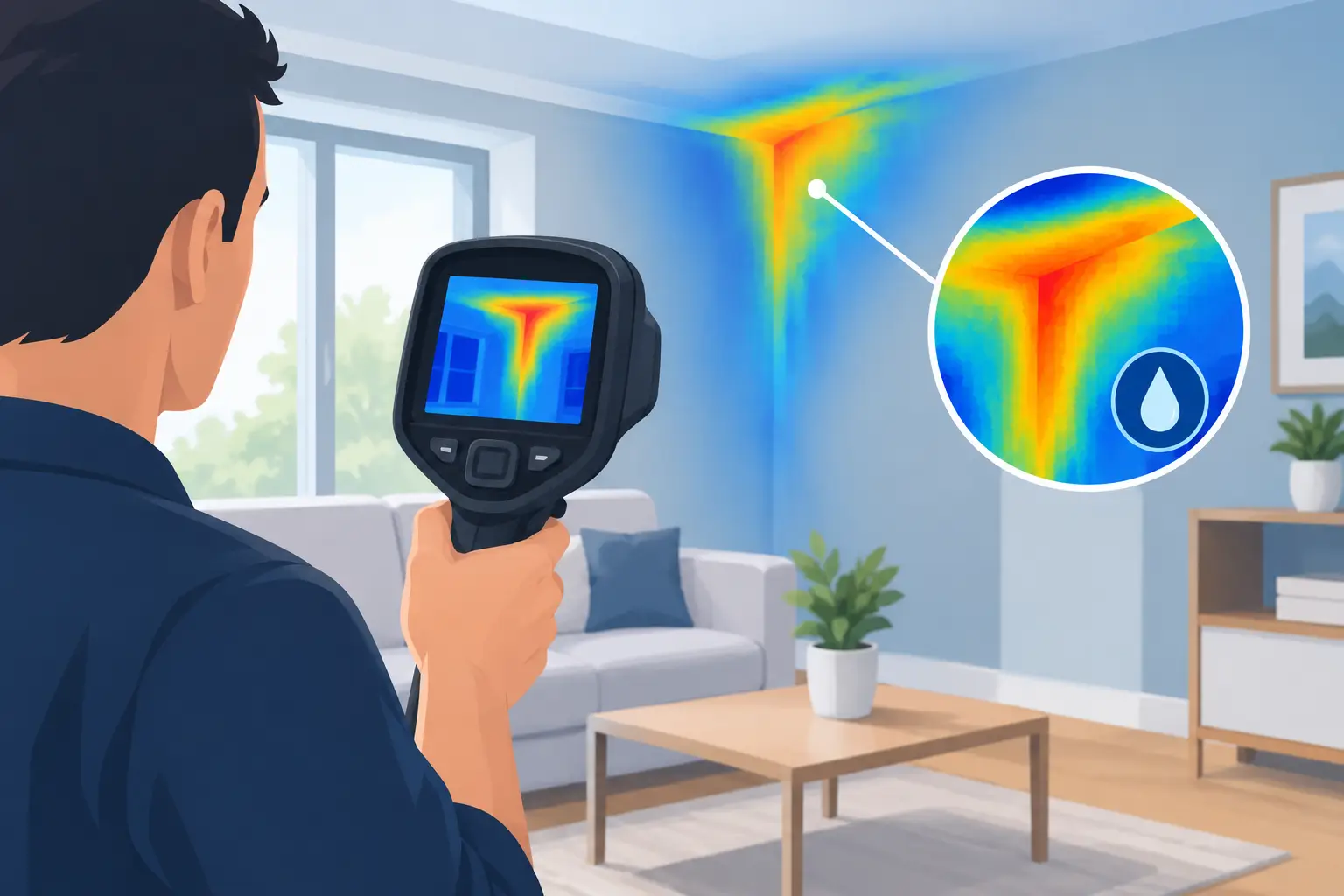
In many cases, the inspection is most valuable when it helps define what questions come next. If rooftop units are nearing the end of service life, you can price replacement into your numbers. If thermal imaging suggests moisture patterns, you can decide whether more invasive evaluation is justified. If the electrical system shows signs of improper modification, you can bring in the right specialist before the deal moves forward.
Who benefits most from commercial inspections
Buyers are the obvious audience, but they are not the only ones who should use them. Owners often schedule inspections before listing a property so they can address problems on their terms instead of negotiating from a weak position later. Investors use them to separate cosmetic upside from actual building risk. Property managers use them to support maintenance planning and document conditions before tenant turnover or renovation work.
Lenders, insurers, and business operators also benefit indirectly. A thorough inspection report can help support repair negotiations, budgeting, reserve planning, and internal decision-making. When a property has multiple tenants or specialized equipment, having a clear third-party assessment can reduce guesswork and keep everyone focused on the real condition of the asset.
In active markets like Central Ohio, speed matters, but speed without information is expensive. Same-day reporting and a clear scope can make the difference between a confident decision and a rushed mistake.
What a commercial inspection should cover
The exact scope depends on the property type, age, size, occupancy, and your goals. A small office condo is not inspected the same way as a warehouse or a multi-tenant retail building. Still, there are core areas that deserve close attention.
Structure and exterior
This includes visible foundation conditions, framing concerns where accessible, exterior walls, windows, doors, site drainage, sidewalks, retaining elements, and parking surfaces. Cracking is not automatically a major issue, and staining is not always active leakage. Context matters. A trained inspector looks at patterns, severity, and likely implications rather than reacting to every blemish.
Roofing systems
Roof problems are one of the biggest budget surprises in commercial ownership. Membrane wear, flashing defects, ponding water, failed repairs, and drainage issues can all shorten roof life and lead to interior damage. The question is not only whether the roof leaks today. It is whether the roof is performing as expected and how close it may be to major repair or replacement.
Electrical, plumbing, and HVAC
Commercial systems are often more complex, older, or more heavily loaded than residential systems. Inspectors look for safety concerns, outdated components, visible defects, improper installation, signs of overheating, leaks, drainage problems, and the general condition of service equipment and distribution components. HVAC equipment gets special attention because repair and replacement costs can move your budget fast.
Interior conditions and life-safety concerns
Water staining, damaged finishes, uneven floors, poor ventilation, missing safety features, and signs of neglected maintenance can point to larger issues behind the surface. In occupied buildings, interior observations also help reveal how the property has been used and whether systems appear adequate for that use.
Why specialized testing often makes the inspection stronger
A visual inspection is essential, but some risks are better evaluated with additional tools and services. Thermal imaging can help identify temperature anomalies that suggest hidden moisture, insulation defects, or electrical hot spots. Gas leak detection can reveal active concerns that are not obvious during a standard walk-through. Sewer camera scopes, mold and air quality testing, radon testing, termite inspections, asbestos screening, and water quality testing may also be appropriate depending on the building and site.
This is where an all-in-one inspection partner has real value. Coordinating multiple services through one provider can save time, reduce scheduling friction, and give you a more complete picture before deadlines close in. Flinn Inspection Group takes that approach because clients need answers quickly, clearly, and with as few gaps as possible.
What commercial inspections do not do
This is where expectations need to stay grounded. Commercial inspections are typically non-invasive and limited to visible, accessible areas at the time of service. Inspectors do not open walls, move heavy tenant contents, dismantle equipment, or guarantee future performance. If a unit works during the inspection, that does not mean it will work six months later. If a roof shows no active leakage, that does not erase age-related wear.
That is not a weakness in the process. It is simply the reality of building evaluation. Good inspectors explain those boundaries clearly and document what was inspected, what was not, and where further review is advisable. For buyers and owners, that honesty is far more useful than overpromising.
How to get more value from a commercial inspection
Start by being clear about your purpose. Are you buying the property, negotiating a lease, planning renovations, or building a maintenance budget? Your reason affects the inspection scope. If you already know the property has older HVAC equipment or past moisture issues, say so upfront. The more context the inspector has, the more focused the process can be.
If possible, attend the inspection or at least schedule time for a phone review. Reports are important, but direct conversation adds value. You can ask what matters now, what can wait, and where specialist follow-up may be worth the money. Not every defect is a deal breaker, and not every clean-looking building is low risk.
It also helps to request documentation from the seller or owner before the inspection. Service records, roof repair history, equipment age, prior environmental testing, and maintenance logs can make findings more meaningful. An inspector may identify a concern, but records often help establish whether it is new, recurring, or already addressed.
Choosing the right inspector for commercial inspections
Commercial property is not the place to shop for the lowest fee and hope for the best. You want an inspector who understands building systems, communicates clearly, and can move fast without cutting corners. Credentials matter. Experience matters. So does reporting quality.
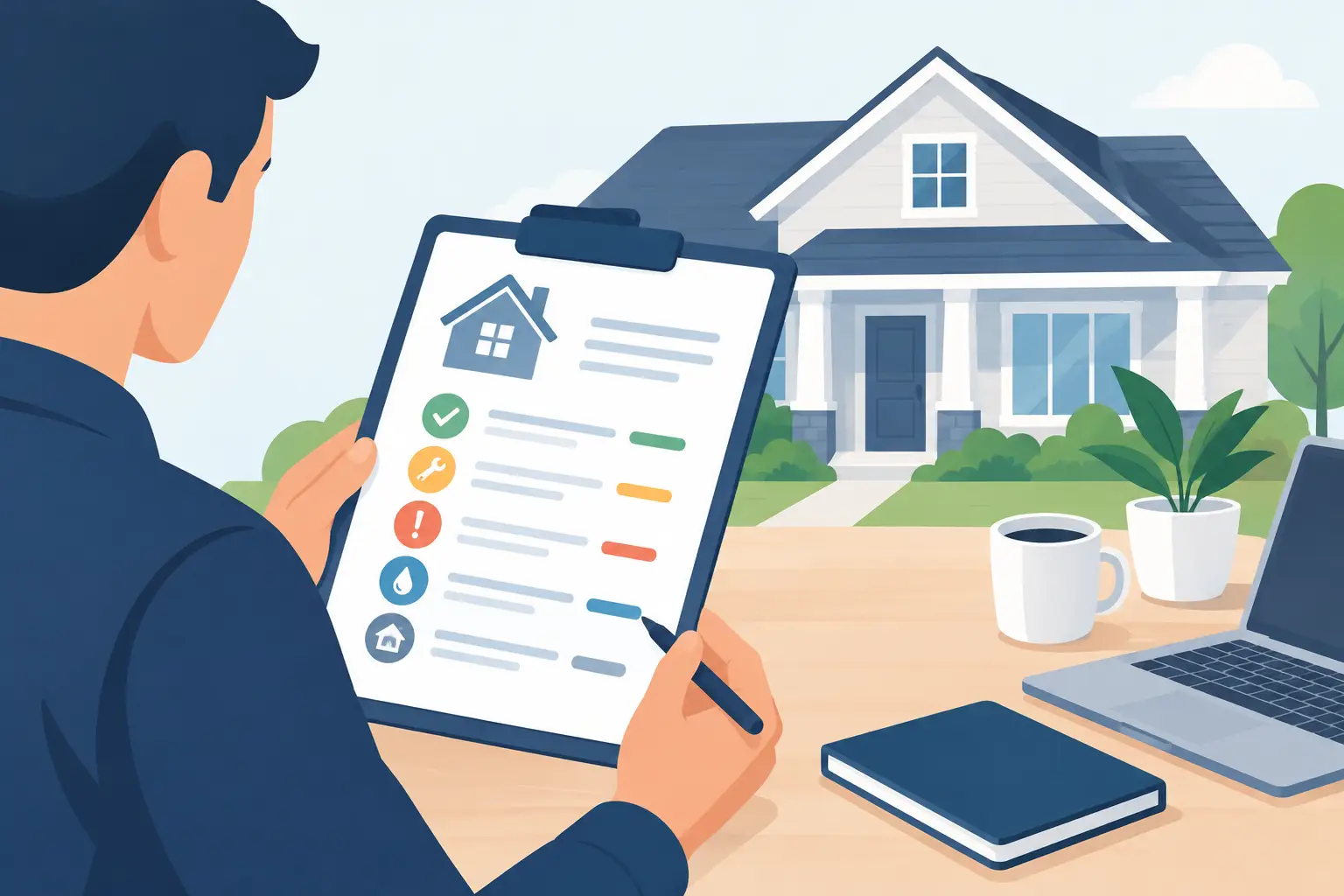
A strong commercial inspection report should be organized, readable, and practical. It should identify significant findings, explain implications in plain language, and give you enough detail to act. Same-day reporting is especially useful in transactions where timing affects leverage.
You should also look for a company that can support the broader picture. If the building may need environmental testing, sewer scoping, or additional system evaluation, it is easier when those services are already part of the inspection process rather than a scramble afterward.
The real cost of skipping the inspection
Some buyers pass on inspections because they feel pressure to move quickly or assume the property’s current use proves everything is fine. That is a risky bet. Buildings can stay occupied while major defects develop quietly. Tenants adapt. Owners defer maintenance. Cosmetic updates can hide the age and condition of core systems.
The cost of an inspection is small compared with an unexpected roof replacement, electrical overhaul, drainage correction, or HVAC failure after closing. Even when the report confirms the property is in generally good condition, that result has value. You can move forward with better confidence, stronger documentation, and a clearer sense of future planning.
Commercial inspections are not about creating fear around a property. They are about replacing assumptions with evidence. When the numbers are large and the timeline is tight, that kind of clarity protects more than a building. It protects your decision-making, your negotiating position, and the investment you are about to carry forward.