by Flinn Inspections
Share
by Flinn Inspections
Share
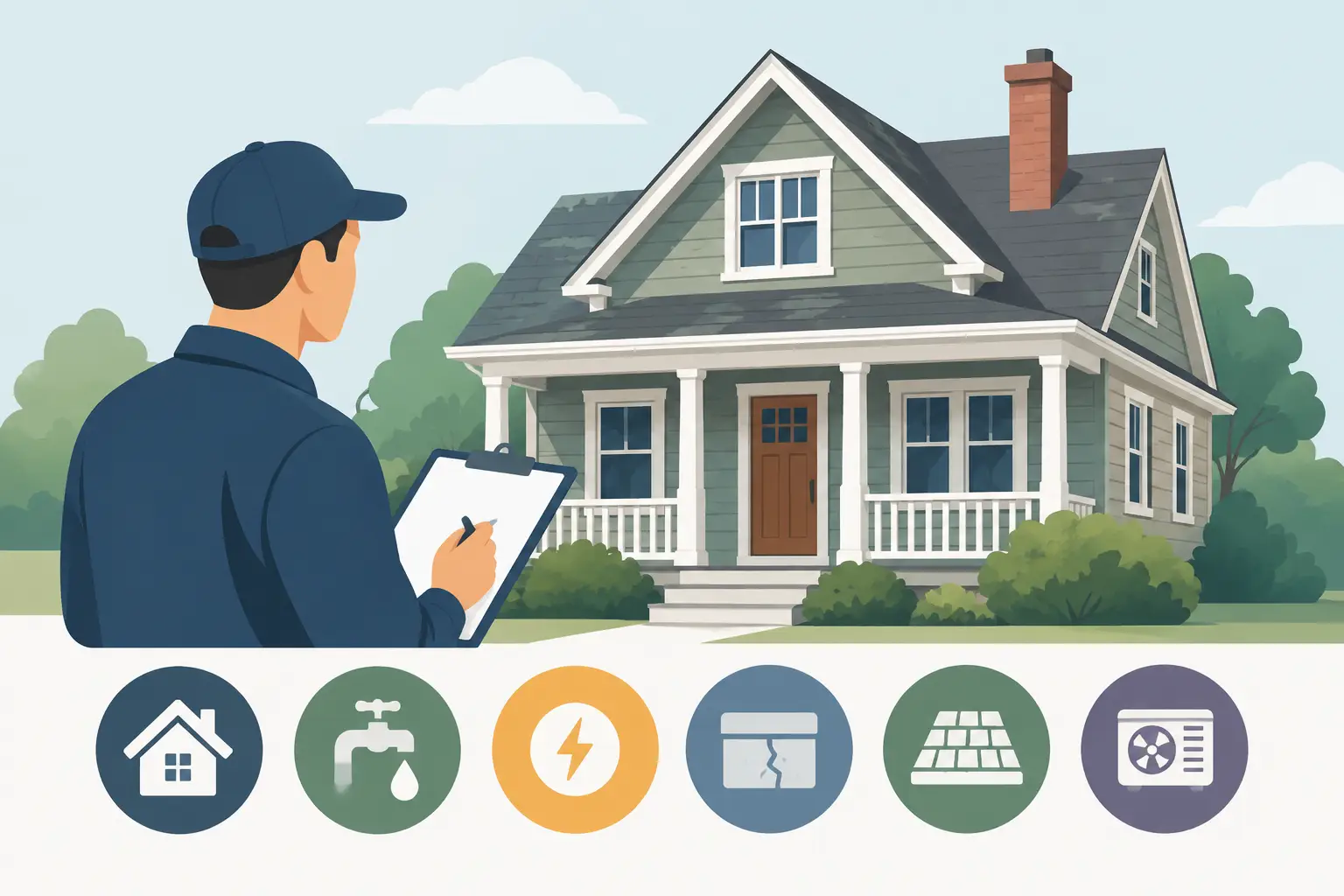
A brand-new home can look flawless on walkthrough day and still have problems behind the walls, in the attic, or under the grading. That is why a Columbus new construction inspection matters. New does not automatically mean defect-free, and when deadlines are tight, small oversights can turn into expensive repairs after you move in.
In Central Ohio, new construction moves fast. Builders are managing crews, subcontractors, materials, municipal inspections, and delivery schedules all at once. Even good builders can have missed items. An independent inspection gives you a clear, objective view of the home’s condition at key stages, so you can address issues before they become your problem.
Why a new build still needs an independent inspection
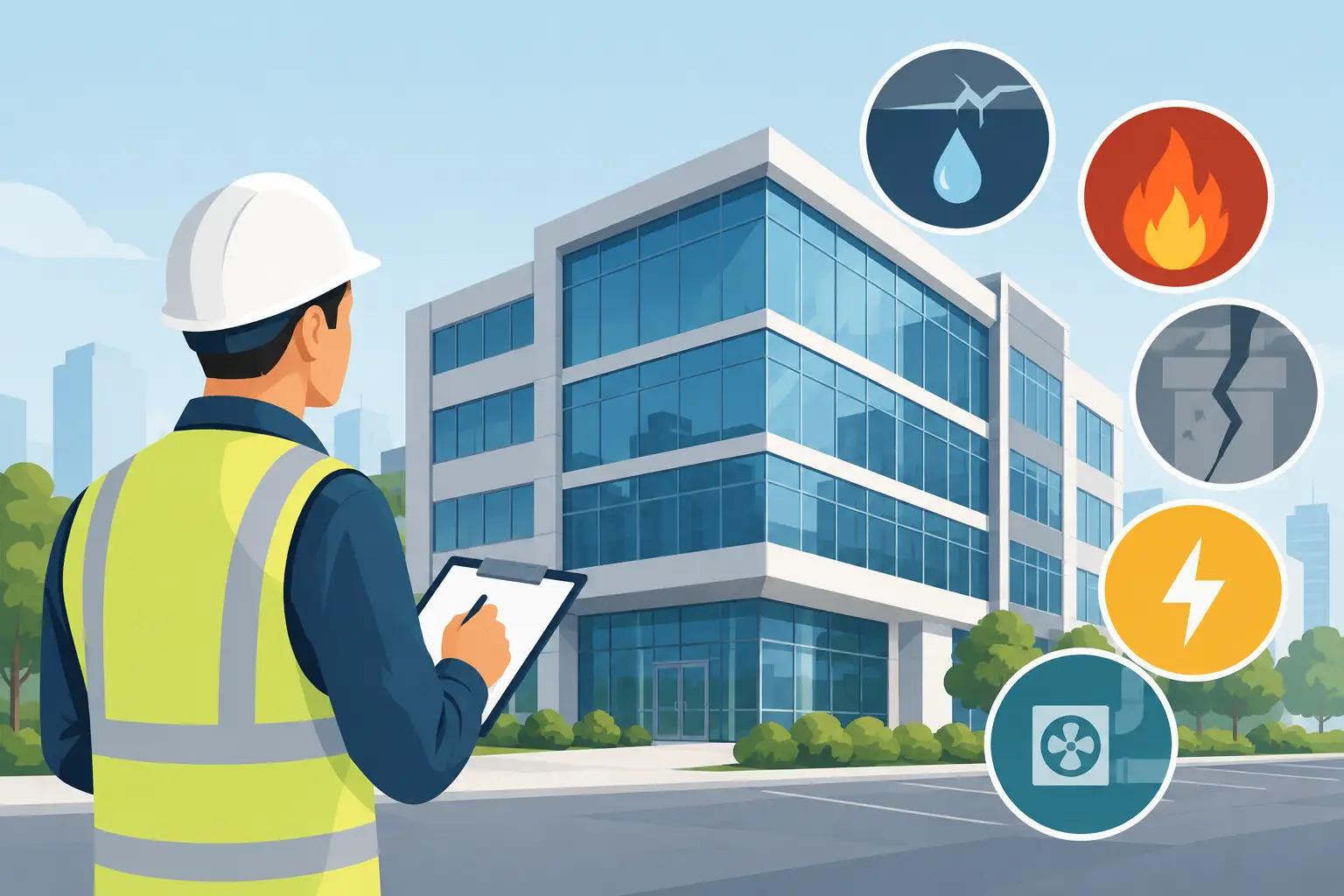
Municipal code inspections serve an important purpose, but they are not the same as a buyer-focused inspection. Code inspections are limited in scope and time. They are designed to confirm minimum standards at specific stages, not to provide the detailed, whole-house evaluation a buyer needs before closing.
An independent inspector works from a different standard. The goal is not simply to determine whether a home passes code. The goal is to identify visible defects, installation concerns, safety issues, and performance problems that could affect your investment, comfort, and future maintenance costs.
That difference matters more than most buyers realize. A home can meet code and still have poor drainage, missing insulation, improper flashing, loose fixtures, HVAC performance concerns, or a long punch list of unfinished items. When you are spending hundreds of thousands of dollars, you want more than a minimum pass.
The best time for a Columbus new construction inspection
The strongest approach is not one inspection at the end. It is a phased process. If timing allows, inspections at more than one stage give you the best chance to catch problems while they are still accessible and easier to correct.
Pre-drywall inspection
This stage happens after framing, mechanicals, plumbing, and electrical rough-ins are in place, but before insulation and drywall cover everything up. It is one of the most valuable points in the process because the home is still open.
At this stage, an inspector can evaluate framing conditions, visible plumbing and drain lines, electrical rough-in concerns, duct routing, roof structure visibility from the attic area, and signs of installation issues that may disappear once the walls are closed. If there is a structural or system concern, this is usually the easiest time for the builder to correct it.
Final inspection before closing
This is the inspection most buyers recognize, and it remains essential. By this point, the house looks complete, but completion does not always equal quality. Appliances may be installed incorrectly, windows may not operate properly, grading may send water toward the foundation, or HVAC systems may not perform as expected.
A final inspection helps you walk into closing with a documented list of concerns. It also gives you leverage to request repairs or clarification before you take ownership. If the builder has a formal punch process, your inspection report can support it with more precision.
11-month warranty inspection
Many buyers skip this step, and that is a costly mistake. Most new homes come with a builder warranty, but that warranty window closes faster than people expect. An inspection near the 11-month mark can reveal settlement-related cracking, moisture concerns, drainage issues, HVAC defects, and other items that may not have been obvious at closing.
This stage is especially useful because homes often change during the first year of occupancy. Materials expand and contract through seasons. Soil settles. Water patterns become more visible after rain. A focused inspection before the warranty expires helps you hold the builder accountable while coverage is still in place.
What a Columbus new construction inspection can uncover
The most common issues are not always dramatic. Many are workmanship problems, incomplete installations, or condition concerns that seem minor until they stack up.
Exterior issues are common. Improper grading, downspout discharge near the foundation, missing sealant, loose siding, damaged shingles, and poor flashing details can all affect long-term durability. Water management is one of the biggest concerns in any home, and new builds are no exception.
Inside, inspectors often find doors that do not latch properly, windows with broken seals or poor operation, plumbing leaks under sinks, missing GFCI protection, incomplete insulation, disconnected ductwork, reversed hot and cold water lines, loose toilets, and unfinished trim work. Some of these are easy fixes. Others point to broader quality control issues.
Attics, crawl spaces, garages, and utility areas also deserve close attention. These spaces often reveal the real story of construction quality. You may see truss modifications, blocked ventilation, missing insulation, unsafe wiring practices, or signs that a system was rushed to completion. A home’s polished finishes can hide a lot. Service areas usually do not.
Why advanced tools matter in new construction
A thorough inspection is not just about walking through with a checklist. The right equipment can reveal conditions that are easy to miss with the naked eye.
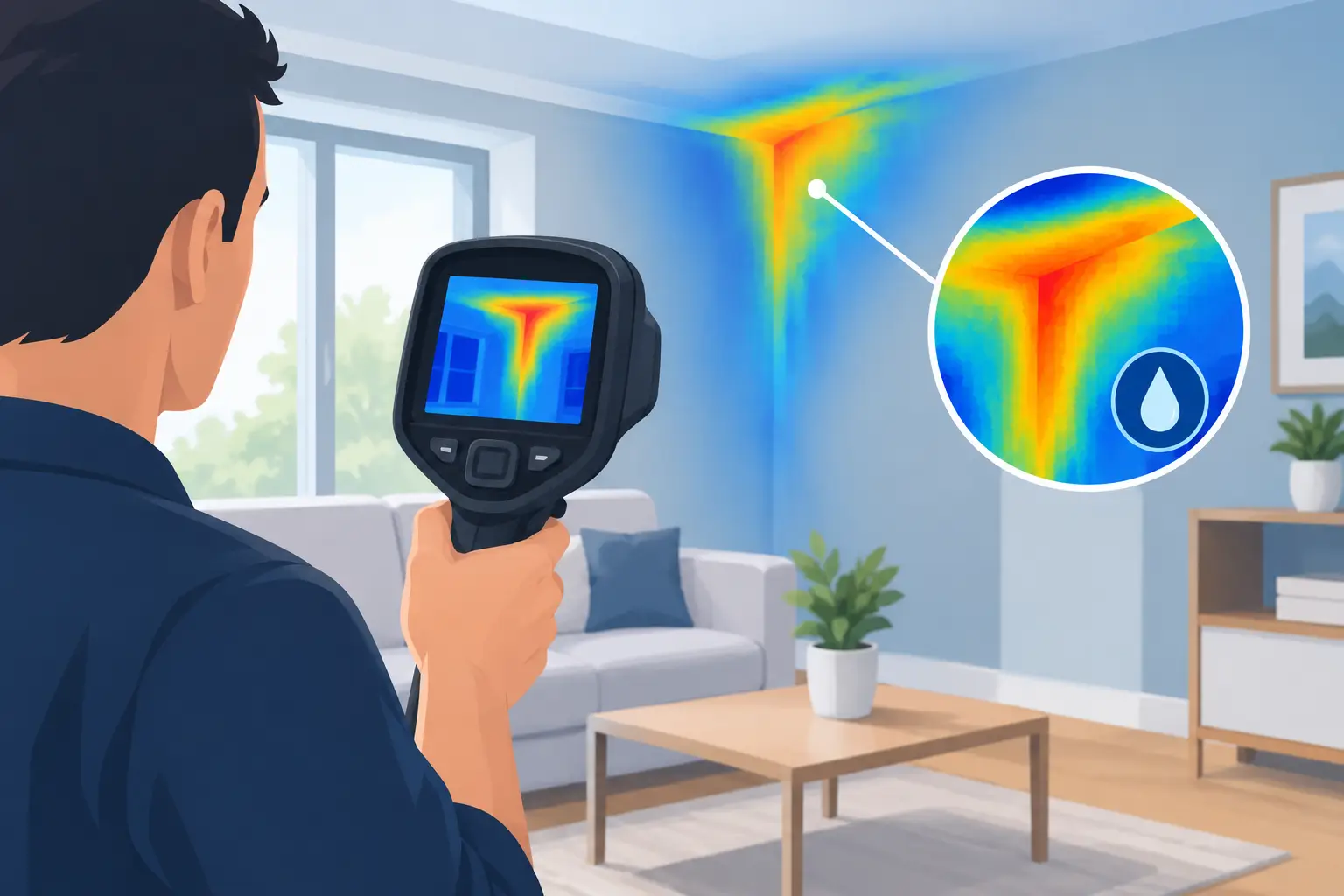
Thermal imaging can help identify insulation gaps, unusual heat patterns, and possible moisture-related anomalies. Gas leak detection adds another layer of protection where fuel-burning systems or gas lines are present. These tools do not replace inspection experience, but they strengthen it.
That is where buyers get real value. You want an inspector who not only knows where problems tend to show up, but also uses the tools needed to verify what is happening. In a new home, where many systems have just been installed and tested under time pressure, that extra layer of diligence matters.
Builder pushback and how to handle it
Sometimes buyers worry that requesting an inspection will create friction with the builder. In most cases, it should not. Professional builders are used to inspection requests, especially in active markets like Columbus. If a builder resists independent access or tries to minimize the value of an outside inspection, that is worth taking seriously.
The practical approach is simple. Review your contract, understand your inspection windows, and communicate early. Confirm when the home will be ready for each phase and whether utilities will be on for the final inspection. The smoother the scheduling, the more useful the inspection will be.
It also helps to keep expectations realistic. No house is perfect, including a new one. The point is not to create conflict over cosmetic trivia. The point is to identify legitimate defects, safety concerns, incomplete work, and items that deserve correction before they become your responsibility.
Choosing the right inspector for a new build
New construction inspections require more than general home inspection knowledge. The inspector should understand building systems, common construction sequencing, and the kinds of defects that tend to show up at each stage. They should also communicate clearly, because the report is only useful if you can understand what was found and what to do next.
Fast reporting matters too. In a new construction timeline, delays can cost you options. Same-day reporting helps buyers, investors, and agents move quickly when repair requests or builder conversations need to happen right away.
An all-in-one inspection company can also be a major advantage. Depending on the property, you may need radon testing, sewer scope evaluation, termite inspection, mold or air quality testing, or other ancillary services. Coordinating those services through one team can save time and reduce the risk of gaps.
For buyers in Central Ohio, that efficiency is not just convenient. It supports better decisions under real deadline pressure. A company like Flinn Inspection Group brings that practical value by combining detailed inspections, advanced tools, and fast reporting in one process built around the client’s timeline.
What buyers should do after the inspection
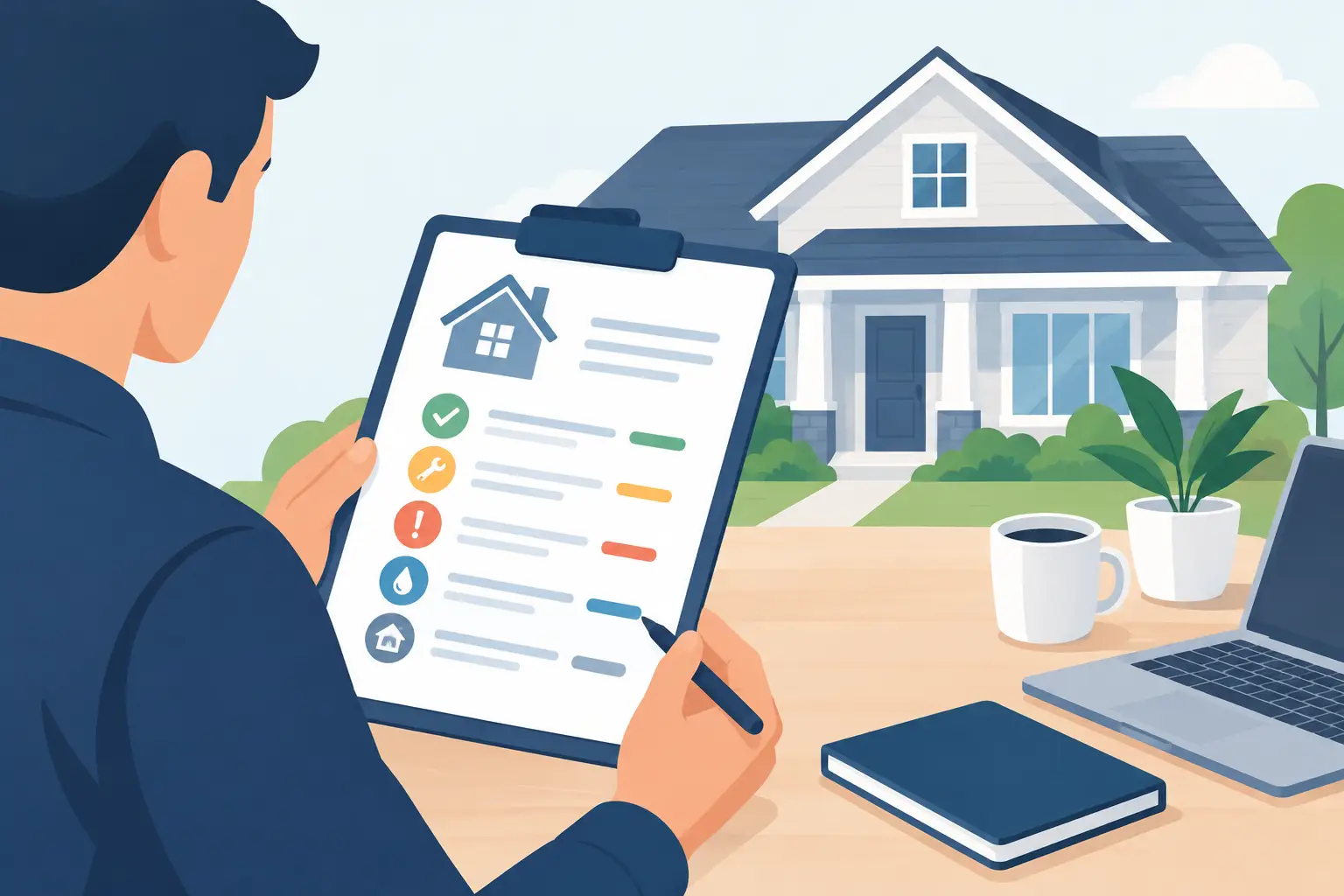
Once you receive the report, focus first on material concerns. Safety issues, water intrusion risks, structural questions, HVAC performance concerns, roofing defects, and electrical problems should rise to the top. Cosmetic items can be documented too, but they should not distract from more significant findings.
From there, send your requested repairs or concerns to the builder in writing and keep the process organized. If the builder agrees to make corrections, confirm whether reinspection is appropriate before closing. In some cases, it absolutely is. If a major issue was identified during pre-drywall or final inspection, verification can provide peace of mind and a cleaner handoff.
A Columbus new construction inspection is not about second-guessing a new home purchase. It is about protecting it. When every square foot of a property represents real money, real risk, and real long-term responsibility, independent inspection is one of the smartest steps you can take before, during, and after construction. Buy new with confidence, but verify with care.