by Flinn Inspections
Share
by Flinn Inspections
Share
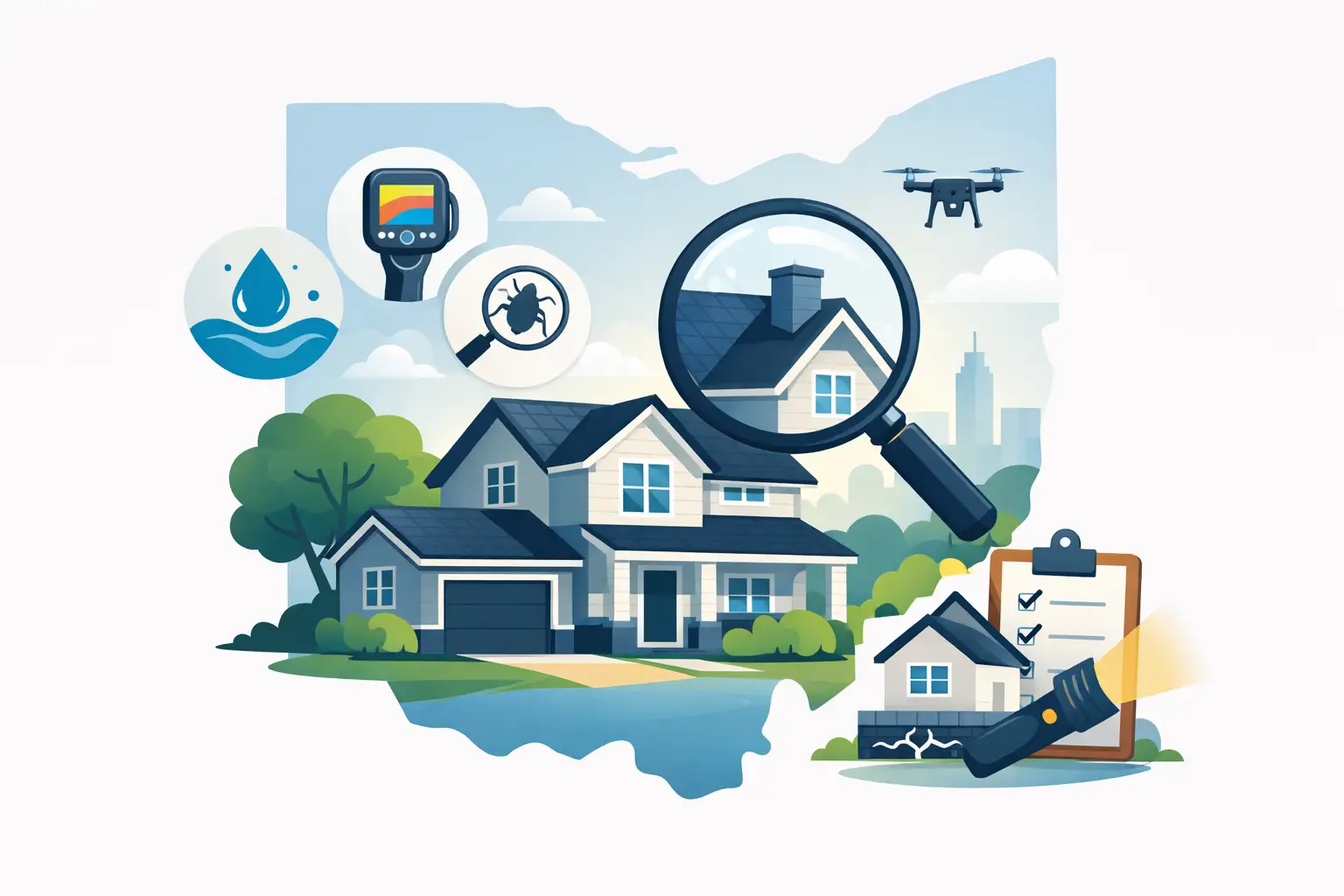
A standard home inspection can reveal a great deal about a property, but it cannot test every hidden system or environmental concern. When people ask about the best add-ons for a home inspection, the right answer is not a one-size-fits-all package. It depends on the home’s age, location, utilities, construction, and the risks that could affect your investment after closing.
The goal is simple: spend inspection dollars where they can prevent an expensive surprise. For Central Ohio buyers, that often means looking beyond the walls, beneath the ground, and into the air and water that a general inspection alone cannot fully evaluate.
Start With the Property, Not a Generic Package
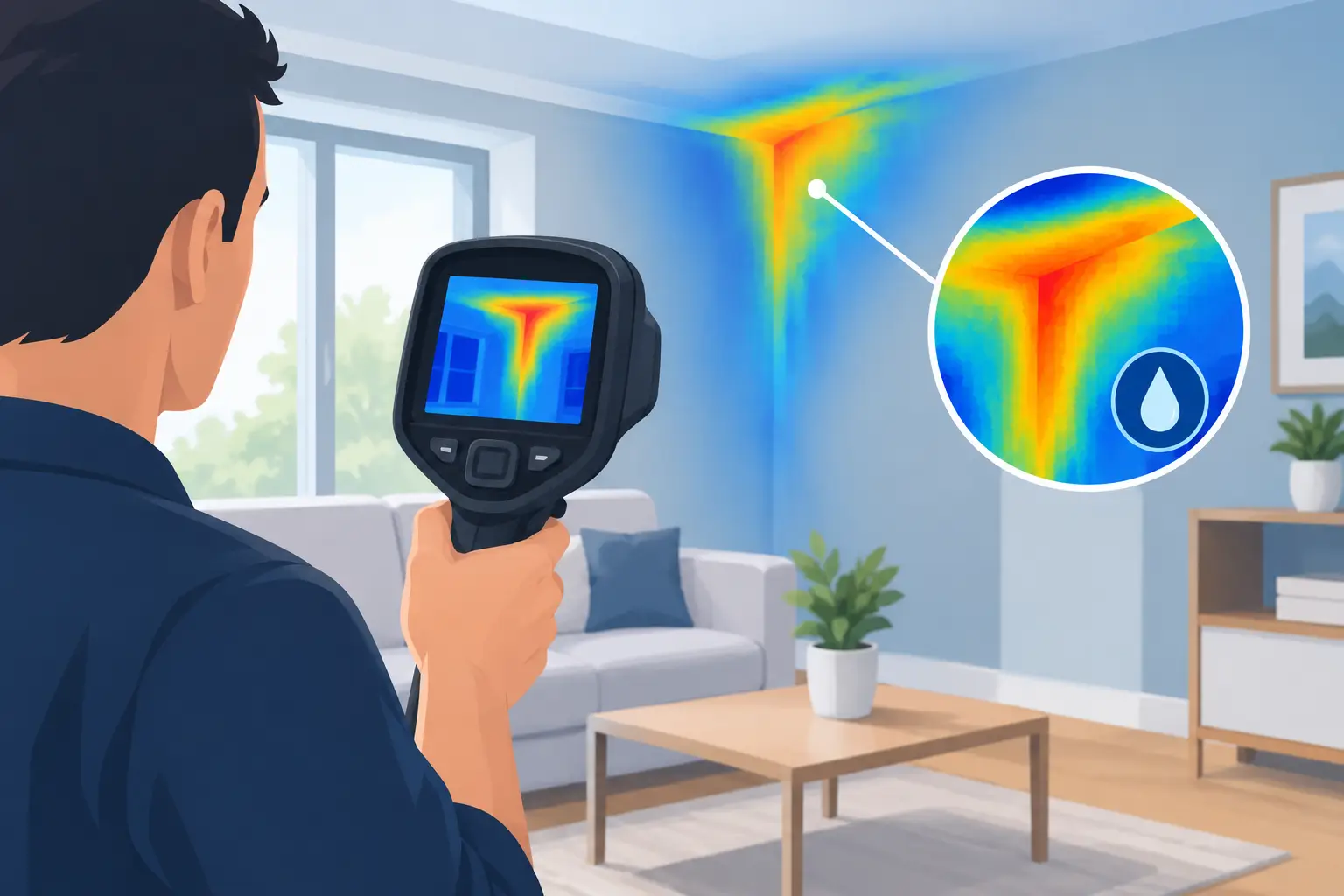
A full home inspection remains the foundation. It evaluates readily accessible components such as the roof, structure, electrical system, plumbing, HVAC equipment, interior, exterior, and major visible conditions. A thorough inspection may also include advanced diagnostic tools, such as thermal imaging and gas leak detection, when conditions call for them.
Add-on services go further. They test conditions that require specialized equipment, laboratory analysis, or access beyond the normal scope of a visual inspection. The best choices are driven by evidence. A home on a private well needs a different strategy than a Columbus home connected to municipal water and sewer. A 1920s property deserves different attention than a newer build in Dublin or Powell.
Your inspector should explain why an add-on is recommended, what it can identify, and what it cannot. That is how you make an informed decision rather than simply checking boxes.
The Best Add-Ons for a Home Inspection
Radon testing is a smart choice for most buyers
Radon is a naturally occurring radioactive gas that can enter a home through the foundation, floor cracks, sump openings, and utility penetrations. You cannot see or smell it, and a home can have elevated radon levels even when it appears well maintained.
Because Central Ohio has known radon potential, testing is one of the most practical additions for many buyers. It is especially worthwhile for homes with basements, finished lower levels, crawlspaces, or areas where occupants spend significant time below grade. Radon levels can vary from house to house, so a neighbor’s result is not a substitute for testing the property you are buying.
A radon result gives you useful leverage before closing. If levels are elevated, mitigation is usually manageable, but it should be addressed with a clear plan and appropriate negotiations.
A sewer camera scope can protect against a major underground expense
The sewer lateral is the pipe that carries waste from the home to the public sewer connection. It is out of sight, but a failure can be disruptive and costly. A standard home inspection can identify visible drainage concerns, but it generally cannot confirm the interior condition of the buried sewer line without a camera scope.
A sewer scope is particularly valuable for older homes, properties with mature trees, homes that have had additions or renovations, and houses with slow drains or a history of backups. Clay tile, cast iron, Orangeburg, and aging connections can crack, shift, deteriorate, or become obstructed by roots.
Even a newer home may benefit if the line has poor slope, construction debris, or an improperly installed connection. The scope provides visual documentation of the line and helps distinguish a minor maintenance issue from a repair that could involve excavation.
Water quality testing matters when water is not municipal
If a property is served by a private well, water testing should be treated as essential, not optional. A well inspection can assess visible equipment and operational concerns, while laboratory testing evaluates water quality. Depending on the property and loan requirements, testing may include bacteria, nitrates, nitrites, lead, and other parameters.
FHA and some other financing programs may require specific water-quality tests. Do not wait until late in the transaction to determine what is needed. Testing can take time, and a concerning result may require disinfection, treatment, repairs, or additional investigation.
Municipal water does not automatically eliminate every concern. For older homes, especially those with older plumbing components, lead-focused testing may be worth discussing. The public supply may meet standards at the source, while the home’s own service line or interior piping affects the water at the tap.
Septic inspections are essential for homes off public sewer
A septic system is a working wastewater treatment system, not simply a tank buried in the yard. When it fails, repair costs can be significant and the property may have limited options depending on lot conditions and local requirements.
For a home with septic, a specialized inspection should assess the tank, components, drainage field conditions where accessible, maintenance history, and overall operation. Pumping may be necessary to properly evaluate portions of the system, particularly when records are limited or the tank condition is unknown.
Buyers should also confirm the number of bedrooms the system is designed to serve. A finished basement or converted space can create questions if the home is being marketed with more bedrooms than the septic design supports.
Termite inspections provide clarity on wood-destroying insects
Termites and other wood-destroying insects can cause damage in concealed areas long before a buyer notices a problem. A termite inspection looks for visible evidence of active activity, past damage, conducive conditions, and accessible areas where infestation risks may exist.
This add-on is often required by lenders, but it has value even when it is not. Moisture near the foundation, wood-to-soil contact, leaking plumbing, and dense vegetation can create conditions that make a property more vulnerable. A report can help you address both current activity and the conditions that encourage it.
Add-Ons That Depend More Heavily on the Home
Mold and air quality testing should follow a specific concern
Mold testing is not automatically necessary for every transaction. It is most useful when there are visible stains, musty odors, previous water intrusion, a history of flooding, chronic humidity, or occupants with heightened health sensitivities.
Testing can provide a clearer picture of airborne conditions or suspected mold growth, but results need context. A laboratory report alone does not identify the source of moisture. The most valuable next step is finding and correcting the condition that allows growth, whether it is a roof leak, plumbing leak, poor grading, inadequate ventilation, or basement moisture.
Fireplace inspections are worthwhile when the system will be used
A fireplace may look attractive during a showing, but a visual inspection cannot always verify the full condition of a chimney flue, firebox, damper, liner, or gas appliance. If you plan to use a wood-burning or gas fireplace, a specialized fireplace inspection is a prudent addition.
This is especially true for older masonry chimneys, vacant homes, properties with evidence of water damage around the chimney, or fireplaces that have not been used recently. Safety issues can involve cracked liners, clearance problems, damaged components, or improper gas connections.
Pool inspections can prevent a seasonal surprise
A pool inspection is valuable when the property includes an in-ground pool, spa, or substantial pool equipment. The inspection can evaluate accessible equipment, visible plumbing concerns, safety features, and overall condition. If the pool is winterized, some operational components may not be testable, which is an important limitation to understand before scheduling.
For buyers, the question is not only whether the pool is appealing. It is whether its pumps, heaters, filters, surfaces, and safety systems are likely to demand immediate investment.
Asbestos and lead-based paint testing fit older homes
Homes built before modern material restrictions may contain asbestos-containing materials or lead-based paint. These materials are not always dangerous when intact and undisturbed, but renovation, deterioration, or damage can change the risk.
If you are buying an older property with plans to remodel, test before demolition or major repairs. This allows you to budget for proper handling rather than discovering an issue after contractors have opened walls, removed flooring, or disturbed old insulation.
How to Prioritize When Time and Budget Are Tight
If you cannot add every available service, prioritize the systems with the greatest financial or health impact for that specific property. For a home connected to public utilities, radon testing and a sewer scope are often strong starting points. For a rural property, well water and septic inspections move to the top of the list. For an older home, consider sewer, termite, fireplace, lead, and asbestos concerns based on what is present and what you plan to change.
Also pay attention to inspection findings. Visible moisture, aging drain lines, poor drainage, unusual odors, foundation concerns, or an inactive fireplace can signal where deeper evaluation is justified. The best inspection strategy is responsive to the home in front of you.
Flinn Inspection Group helps buyers and property owners coordinate the services that fit their property, so they can get clear answers without juggling multiple inspection providers. Same-day reporting supports fast decisions, while specialized testing helps protect the details that may not be visible during a walkthrough.
Before your inspection is scheduled, share the property disclosure, utility information, known repair history, and any concerns you noticed during the showing. A few minutes of preparation can help ensure the inspection focuses on the risks that matter most to your purchase.