by Flinn Inspections
Share
by Flinn Inspections
Share
Introduction
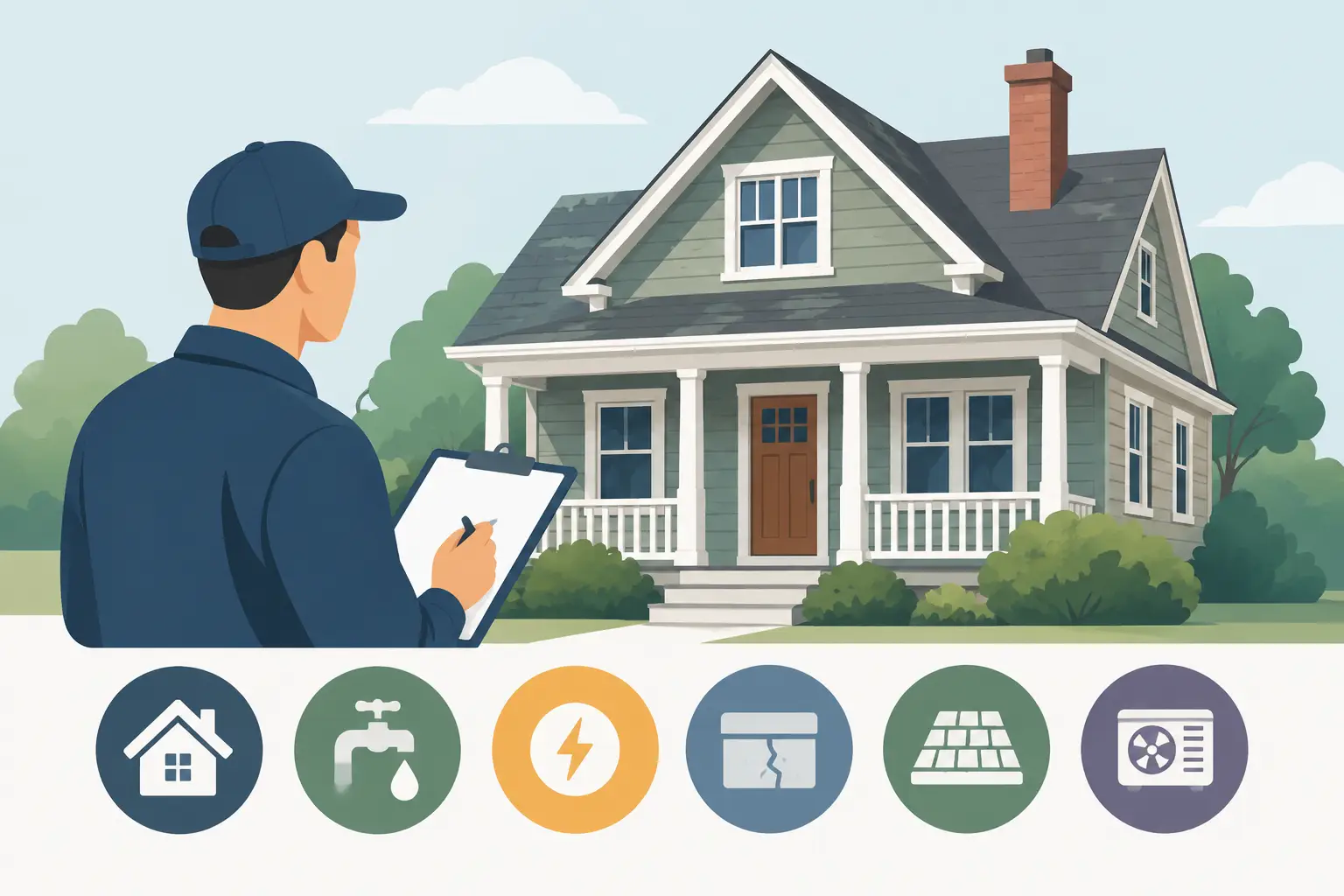
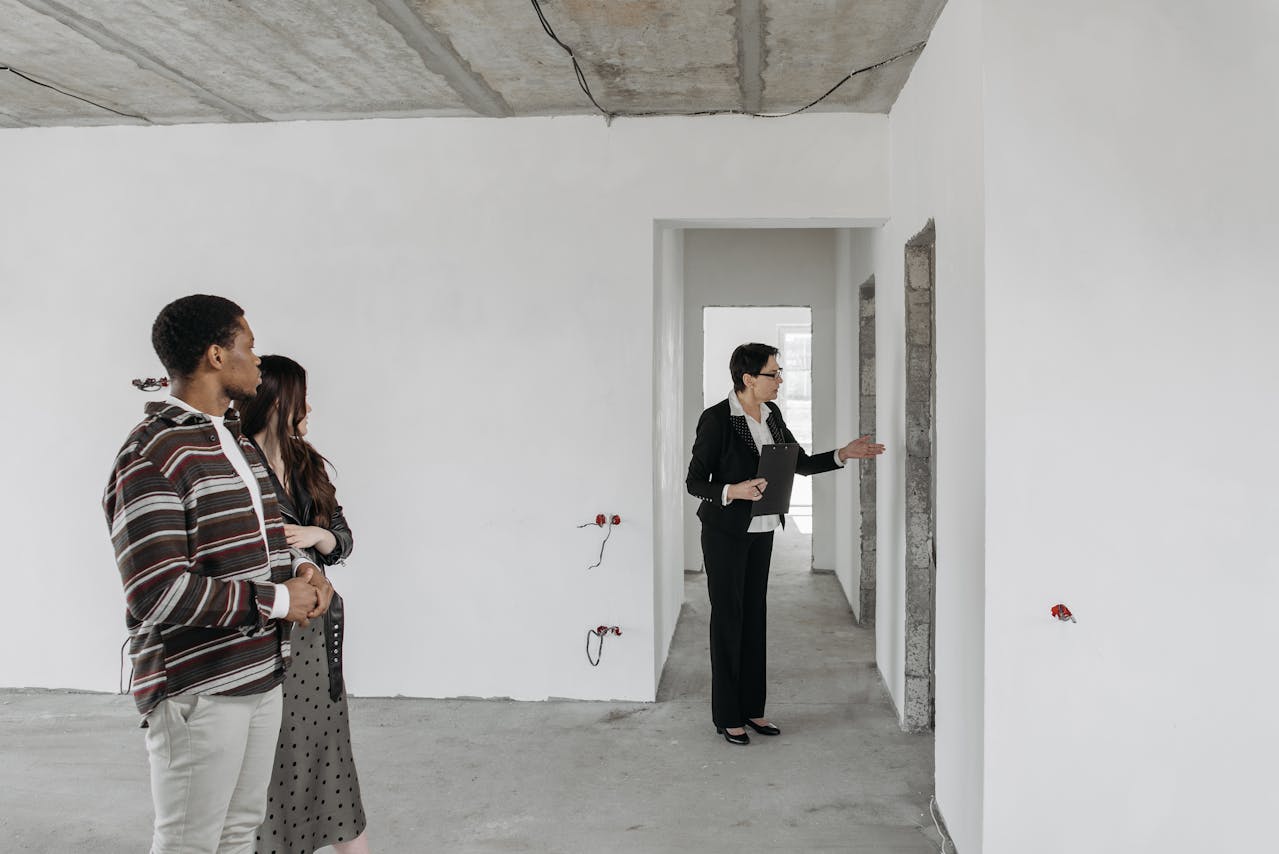
Selling a home is exciting, but it can quickly turn stressful if hidden problems come to light during buyer inspections. Taking the time to spot issues before listing your property can save time, money, and stress. By using a simple Home Inspection Checklist, you can address problems early, improve your home’s value, and make the selling process smoother.
Exterior Home Inspection
Roof and Gutters
Check for missing shingles, leaks, or signs of aging. Clean gutters and downspouts to ensure proper drainage.
Siding and Paint
Inspect for cracks, fading, or damage. Repainting or repairing siding enhances curb appeal.
Windows and Doors
Ensure they open, close, and lock properly. Look for broken seals or drafts that could affect energy efficiency.
Driveways, Walkways, and Landscaping
Repair cracks or uneven surfaces to prevent accidents. Trim bushes and maintain the lawn for a polished look.
Interior Home Inspection
Flooring and Walls
Look for scratches, stains, or water damage. Consider minor repairs or deep cleaning for hardwood or carpeted floors.
Ceilings and Lighting
Check for cracks, water stains, and flickering lights. Replace bulbs and repair any ceiling damage.
Windows and Insulation
Ensure insulation is intact, and there are no leaks. Properly insulated windows save energy and increase comfort.
Plumbing and Water Systems
Check faucets, pipes, and water pressure. Look for leaks under sinks or in exposed plumbing areas.
Kitchen Inspection
Appliances
Test all appliances for proper function. Repair or replace any malfunctioning units.
Cabinets and Countertops
Inspect for damage, loose hinges, or scratches. Clean and polish surfaces for a fresh look.
Faucets and Drainage
Ensure water flows properly and drains efficiently. Fix leaks and unclog slow drains.
Bathroom Inspection
Toilets and Sinks
Check for cracks, leaks, and proper flushing. Ensure sinks drain efficiently.
Showers and Tubs
Look for grout damage, water stains, and leaks. Clean tiles and replace worn seals.
Tiles and Grout
Repair broken tiles and re-grout where necessary. Clean mold or mildew for a polished look.
Ventilation
Ensure fans work and provide proper airflow to prevent moisture buildup.
Structural Elements
Foundation Cracks
Look for large cracks or shifting. Minor cracks may be cosmetic, but significant issues require professional assessment.
Attic and Crawlspace Issues
Check for water damage, pests, or insulation problems. Address ventilation issues to prevent mold growth.
Signs of Water Damage
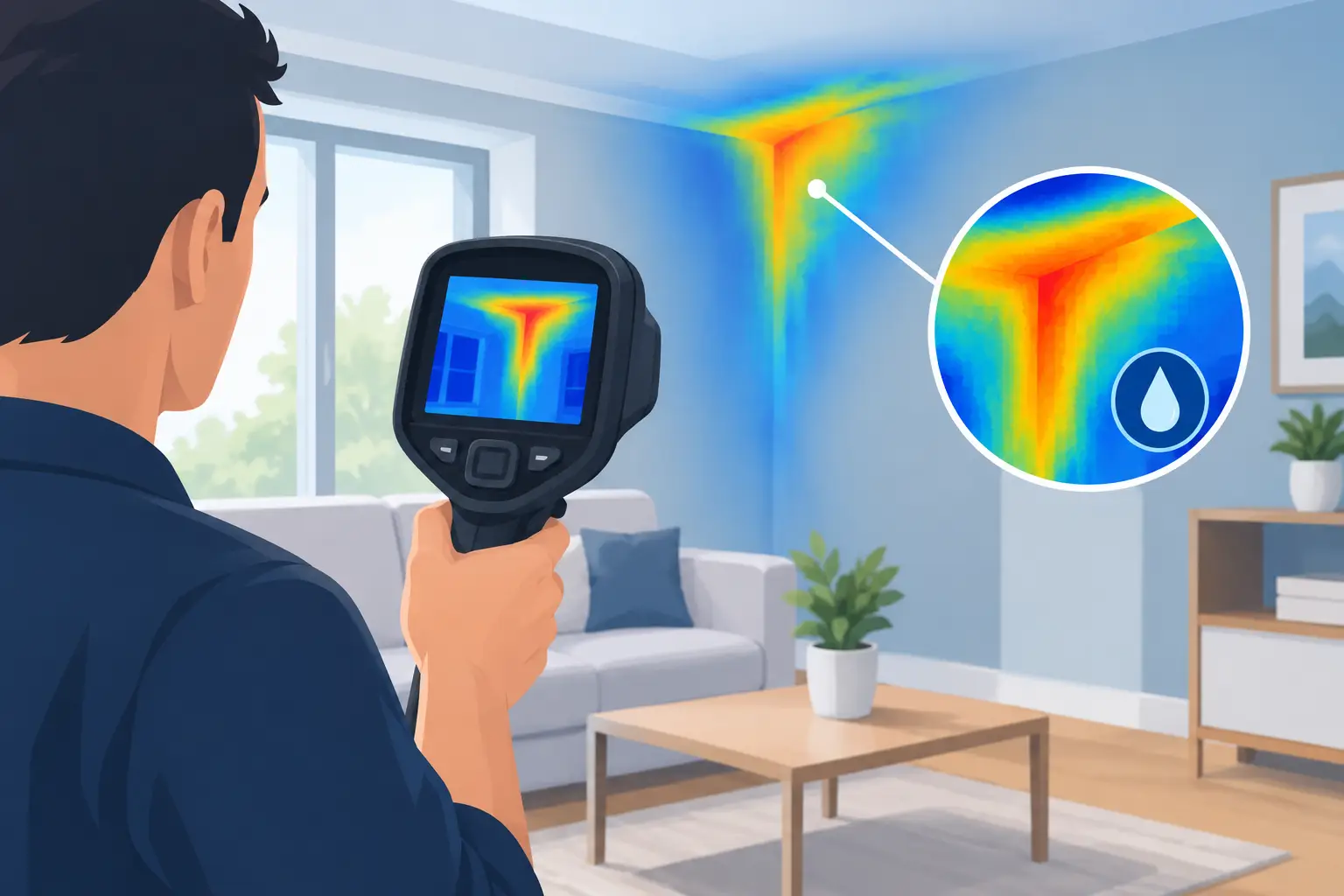
Inspect walls, ceilings, and floors for discoloration, swelling, or mold.
HVAC Systems
Heating and Cooling Functionality
Test your system to ensure consistent temperatures. Schedule professional servicing if needed.
Air Filters and Ductwork
Replace filters and inspect ducts for dust or leaks. Clean or repair to improve efficiency.
Energy Efficiency Checks
Ensure the system runs efficiently to attract energy-conscious buyers.
Electrical Systems
Circuit Breakers and Wiring
Check for tripped breakers or outdated wiring. Hire an electrician for safety concerns.
Outlets and Switches
Ensure all are functional and safe. Replace damaged covers or faulty switches.
Smoke and Carbon Monoxide Detectors
Test detectors and replace batteries. Safety is a major concern for buyers.
Safety and Compliance
Handrails and Stair Safety
Ensure all stairs have secure handrails and no loose steps.
Fire Safety
Check fire extinguishers and smoke alarms. Comply with local fire codes.
Local Building Code Compliance
Ensure renovations and additions meet current code requirements to avoid buyer complications.
Pest and Environmental Concerns
Termite and Insect Inspection
Check for damage and infestations. Hire professionals if necessary.
Mold and Mildew
Inspect for damp areas. Clean and treat mold-prone spaces.
Radon and Water Quality
Test water and indoor air quality to prevent buyer concerns.
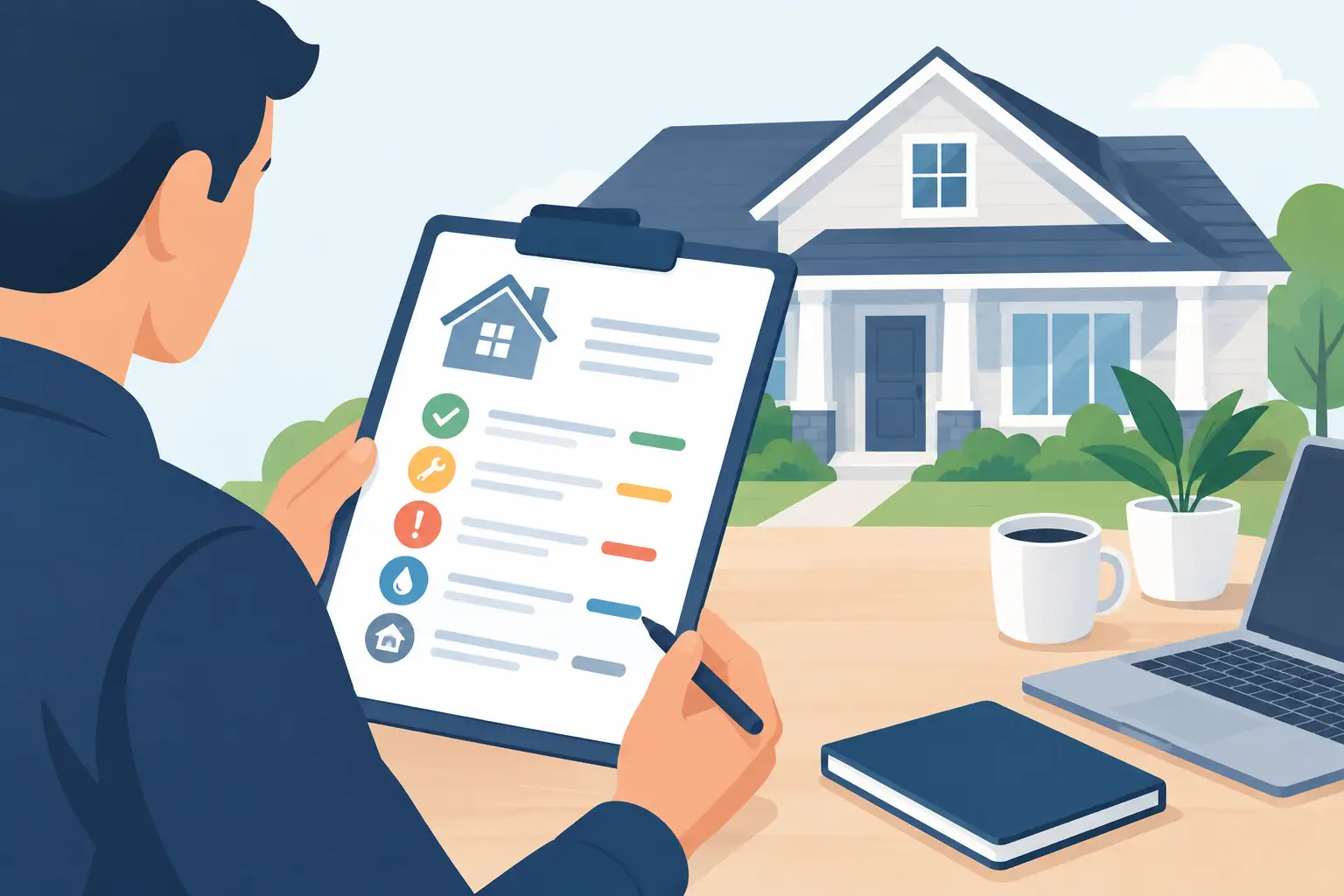
Preparing a Repair Plan
Prioritizing Repairs
Focus on major structural and safety issues first. Cosmetic improvements come next.
DIY vs Professional Fixes
Determine which repairs you can safely handle and which require experts.
Budgeting for Pre-Sale Improvements
Estimate costs and plan accordingly. Even small fixes can significantly boost property value.
Using Professional Home Inspection Services
Benefits of Hiring an Expert
A professional inspection uncovers hidden issues you might miss. This ensures transparency and reduces surprises.
How Inspections Help in Pricing
Identifying problems early allows you to price your home fairly and attract serious buyers.
Avoiding Surprises During Buyer Inspection
Pre-inspections reduce the risk of last-minute negotiation setbacks.
Conclusion
Spotting home problems before listing your property is essential for a smooth selling process. By following this simple checklist and addressing issues early, you protect your investment, enhance your home’s appeal, and build buyer confidence. Investing time in pre-listing inspections can lead to faster sales, higher offers, and fewer headaches.
FAQs
- Why should I inspect my home before listing?
Early inspections help uncover problems, prevent surprises, and increase buyer confidence. - Can I do the inspection myself?
You can check for obvious issues, but a professional inspection ensures thorough results. - Which repairs should I prioritize?
Focus on safety, structural, and major functional repairs first, then cosmetic updates. - How does a pre-listing inspection affect the sale price?
It can help justify your asking price and speed up negotiations. - How often should I inspect my home before selling?
Ideally, schedule a full inspection once before listing, and update repairs as needed.