by Flinn Inspections
Share
by Flinn Inspections
Share

Introduction
If you are buying or selling a home in 2026, chances are you have heard a lot about inspections. Some advice sounds helpful. Some sounds confusing. And a lot of it is simply wrong. These misunderstandings can lead to poor decisions, unnecessary stress, and even costly mistakes.
The truth is, home inspection myths are still everywhere despite advancements in technology and awareness in real estate. Many buyers assume inspections are a simple formality, while sellers sometimes view them as deal-breakers waiting to happen. In reality, a home inspection is one of the most valuable tools in any property transaction.
Understanding what is real and what is a myth can completely change how you approach buying or selling a home. Let’s break down the most common misconceptions so you can move forward with confidence and clarity.
Myth #1: A Home Inspection Is Pass or Fail
One of the most common home inspection myths is the idea that a property either passes or fails. People often treat it like a school exam where the house gets a final grade. That is simply not how it works.
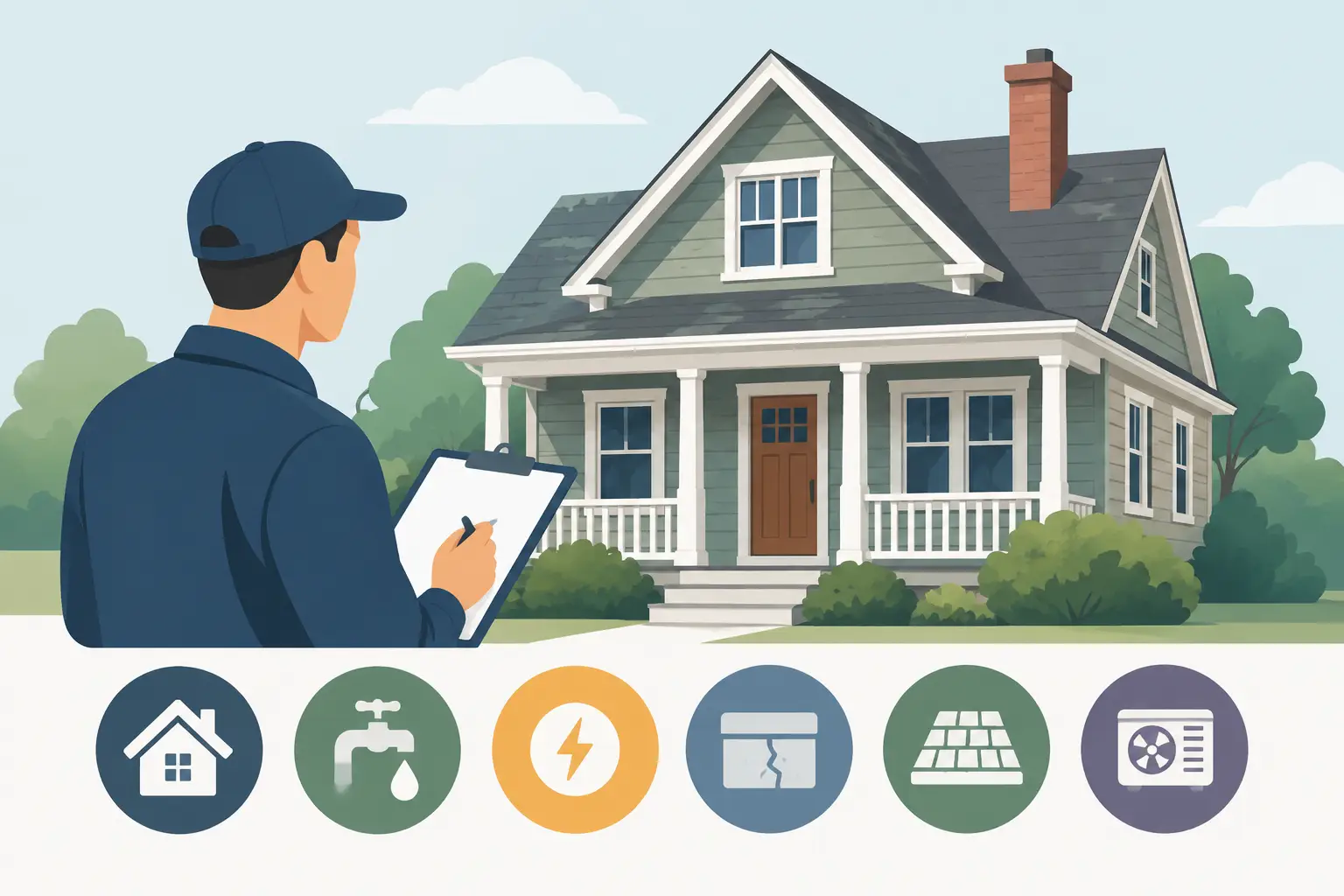
A home inspection is actually a detailed evaluation of a property’s current condition. Every home, whether it is brand new or decades old, will have issues. Some will be minor, like loose fixtures or worn paint. Others might be more serious, like structural concerns or outdated electrical systems.
Instead of giving a pass or fail result, the inspector provides a report outlining findings. This report helps buyers make informed decisions and gives sellers insight into potential concerns. When you understand this, the inspection becomes less intimidating and more like a roadmap for next steps.
Myth #2: New Homes Don’t Need Inspections
It is easy to assume that a newly built home should be perfect. After all, everything is fresh and unused. But this is one of the most misleading home inspection myths.
Even new construction homes can have problems. Builders work on tight timelines, multiple contractors are involved, and mistakes can happen. Issues like improper wiring, plumbing errors, or poor insulation often go unnoticed until an inspection is conducted.
Skipping an inspection on a new home can mean missing problems that could become expensive later. A professional inspection ensures everything has been built correctly and meets safety standards. Think of it as a second set of eyes that protects your investment from day one.
Myth #3: Inspectors Will Find Every Problem
Another widespread belief is that a home inspection will uncover every single issue in a property. While inspectors are highly trained, expecting perfection is unrealistic.
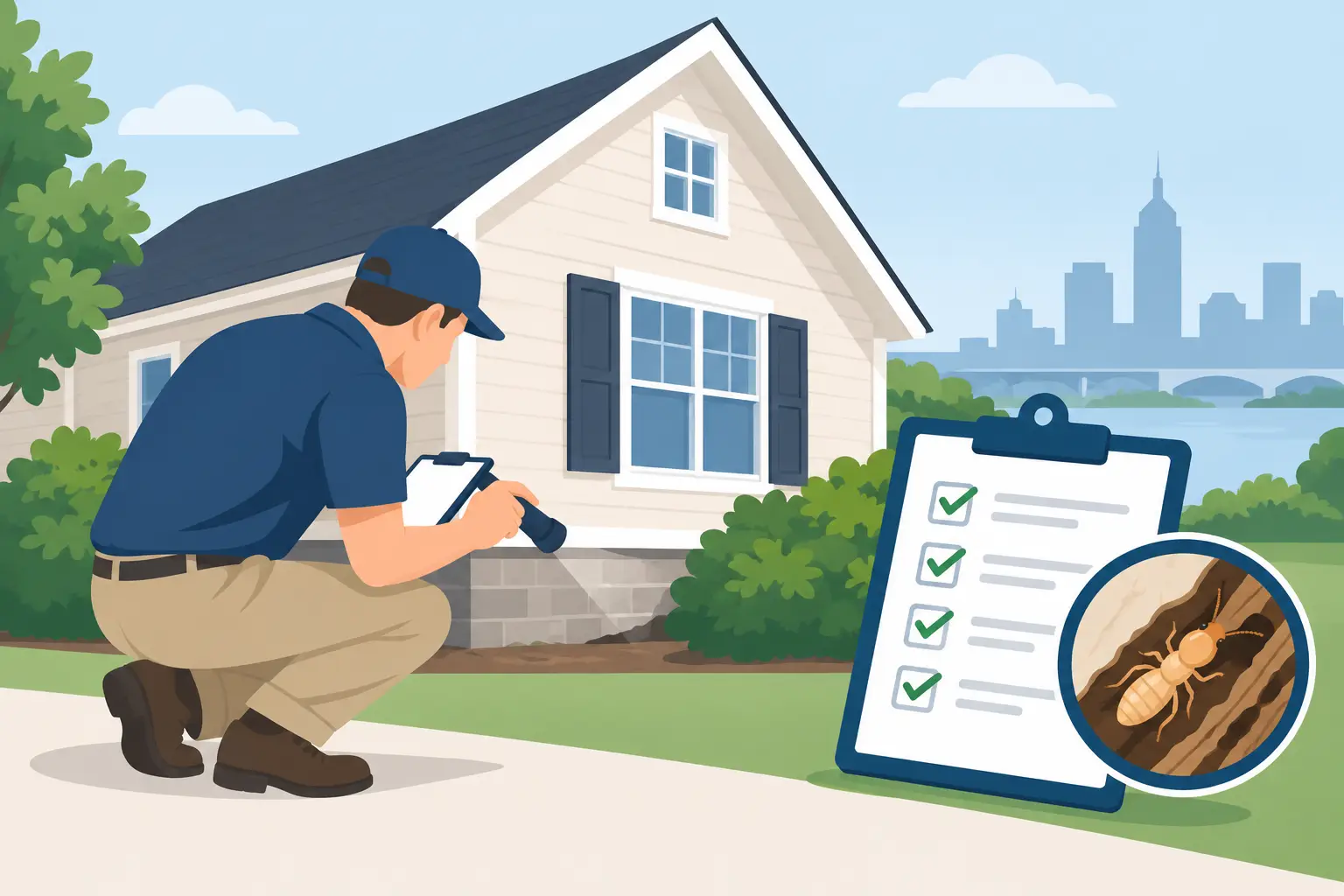
Home inspections are visual and non-invasive assessments. Inspectors cannot open walls, dig underground, or dismantle systems. This means some hidden problems may not be visible during the inspection.
That does not make inspections unreliable. It simply means they are designed to identify visible risks and potential concerns. Understanding this helps set realistic expectations and encourages buyers to consider additional specialized inspections if needed.
Myth #4: Home Inspections Are Only for Buyers
Many people believe inspections are only useful for buyers. Sellers often see them as something they must deal with rather than benefit from.
In reality, sellers can gain a lot from a pre-listing inspection. It allows them to identify and fix issues before putting the home on the market. This can lead to smoother negotiations and fewer surprises later.
When sellers take control early, they build trust with potential buyers. It also helps in pricing the home more accurately. So, inspections are not just a buyer’s tool. They are a strategic advantage for sellers as well.
Myth #5: You Should Skip Inspection in a Competitive Market
In fast-moving markets, buyers sometimes feel pressured to skip inspections to make their offer more attractive. This is one of the riskiest home inspection myths.
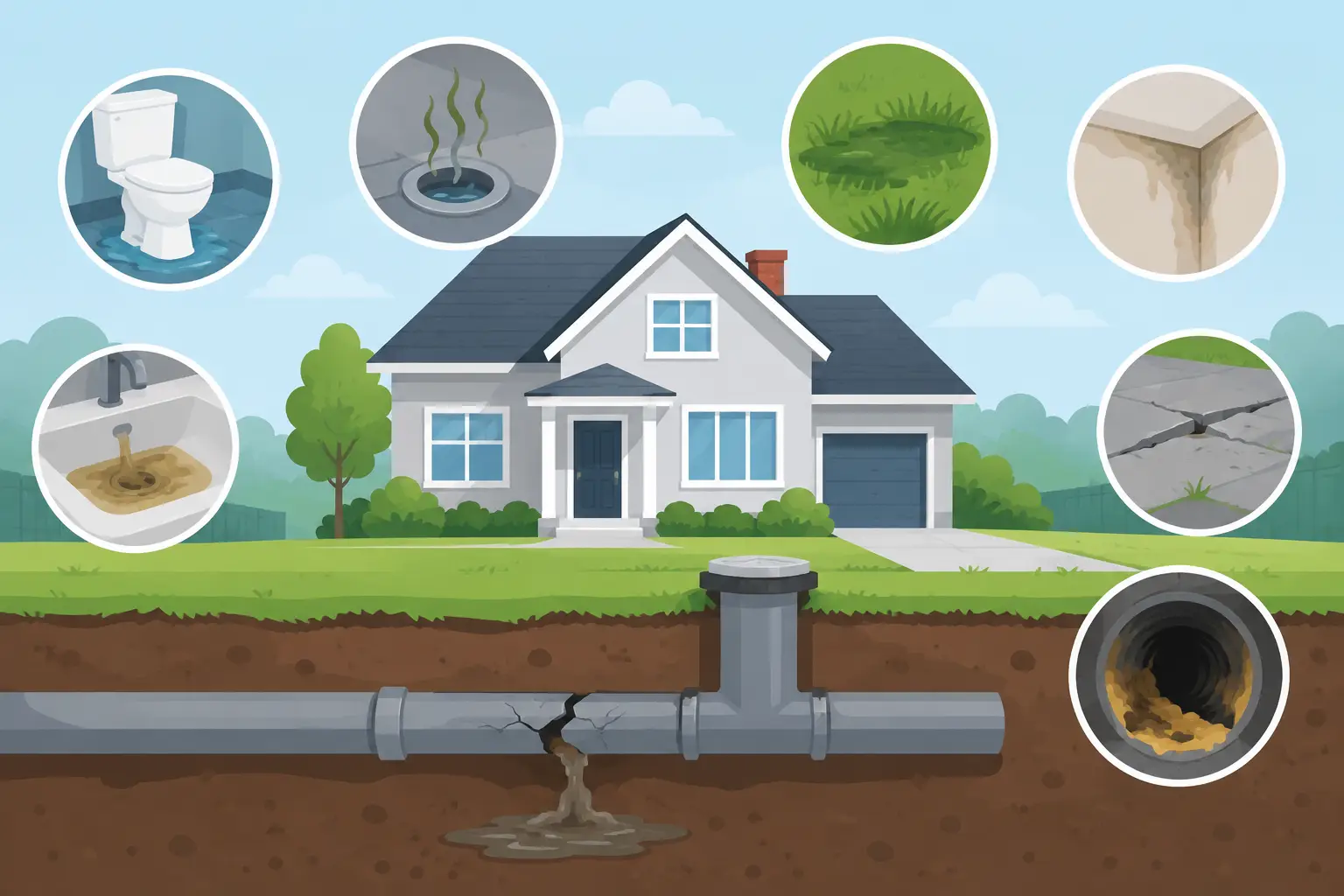
While skipping an inspection might give you a short-term advantage, it can lead to long-term regret. Hidden problems like foundation issues or plumbing leaks can cost thousands to repair.
A smarter approach is to keep the inspection but adjust your strategy. For example, you can shorten inspection timelines or limit minor repair requests. This way, you stay competitive without sacrificing protection.
Myth #6: Minor Issues Don’t Matter
When reading an inspection report, it is easy to overlook small problems. A dripping faucet or a cracked tile might not seem like a big deal.
However, minor issues can sometimes point to larger underlying problems. A small leak might indicate plumbing wear. A crack could suggest structural movement. Ignoring these signs can lead to bigger expenses over time.
Inspectors include both major and minor findings for a reason. Each detail contributes to the overall picture of the home’s condition. Paying attention to everything helps you make smarter decisions.
Myth #7: All Inspectors Are the Same
Not all inspectors offer the same level of expertise, experience, or detail. Assuming they are all equal is a mistake many people make.
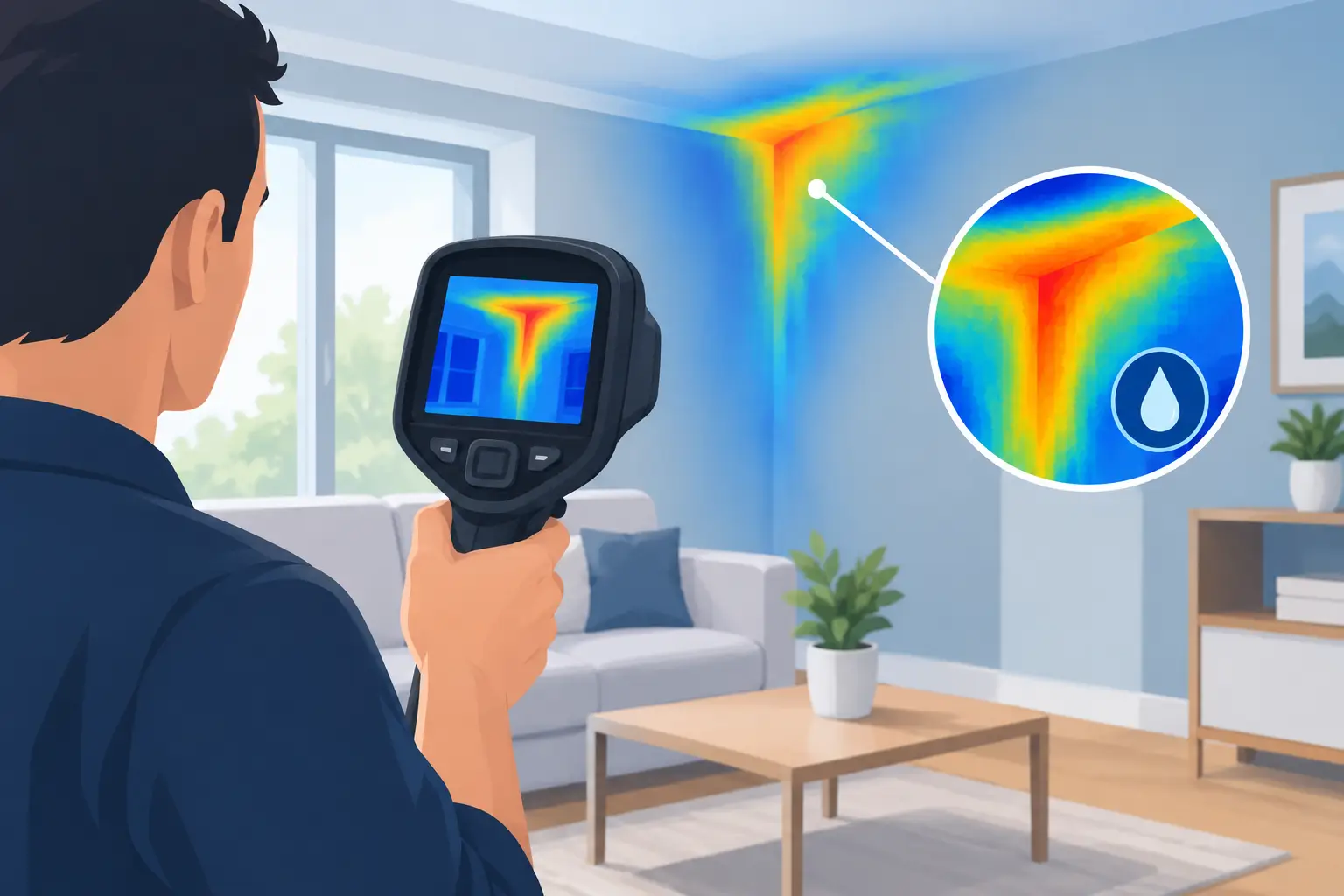
Some inspectors use advanced tools like thermal imaging, while others rely on basic methods. Experience levels can also vary, which affects how thoroughly a property is evaluated.
Choosing the right inspector is just as important as having an inspection. Look for certifications, reviews, and a strong reputation. A skilled inspector can uncover issues that others might miss, giving you better insights into the property.
Myth #8: A Clean Report Means No Problems
Receiving a “clean” inspection report feels reassuring, but it does not mean the home is flawless. This is another common misunderstanding.
A clean report simply means no major issues were found during the inspection. It does not guarantee that problems do not exist or will not develop in the future.
Homes naturally age and wear over time. Systems like HVAC, roofing, and plumbing will eventually need maintenance or replacement. A clean report is a good sign, but it should not lead to complacency.
Myth #9: Home Inspections Are Too Expensive
Some buyers try to save money by skipping the inspection altogether. They see it as an optional cost rather than a necessary investment.
In reality, the cost of a home inspection is small compared to potential repair expenses. Spending a few hundred dollars can save you thousands by identifying problems early.
Think of it like insurance. You hope everything is fine, but having that extra layer of protection gives you peace of mind. Skipping it to save money often ends up costing much more later.
Myth #10: You Don’t Need to Attend the Inspection
Many buyers choose not to attend the inspection, assuming they can just read the report later. While that is possible, it is not ideal.
Being present allows you to see issues firsthand and ask questions in real time. Inspectors can explain problems more clearly on-site than in a written report.
Attending the inspection also helps you understand how different systems in the home work. It turns the experience into a learning opportunity rather than just a checklist.
Conclusion
Believing in outdated or incorrect information can lead to costly mistakes in real estate. These home inspection myths often create unnecessary fear or false confidence, both of which can hurt buyers and sellers alike.
A home inspection is not something to avoid or misunderstand. It is a powerful tool that provides clarity, protects your investment, and helps you make informed decisions. Whether you are buying your first home or selling a property, understanding the truth behind these myths can make the entire process smoother and more successful.
When you approach inspections with the right mindset, you turn uncertainty into confidence and risk into opportunity.
FAQs
1. What is the main purpose of a home inspection?
The main purpose is to evaluate the current condition of a property and identify any visible issues or potential risks before a transaction is finalized.
2. Can a home fail an inspection?
No, inspections do not have pass or fail results. They simply provide a detailed report of findings.
3. Are home inspections necessary for new houses?
Yes, even new homes can have construction defects or installation errors that need to be identified early.
4. How long does a home inspection take?
Most inspections take between two to four hours, depending on the size and condition of the property.
5. Should sellers get a home inspection before listing?
Yes, a pre-listing inspection can help identify issues early, making the selling process smoother and more transparent.