by SEO
Share
by SEO
Share
Introduction to Sewer Camera Inspections
Sewer problems are one of those hidden nightmares homeowners don’t think about—until something goes wrong. A slow drain or foul smell might seem minor at first, but underneath your property, your sewer line could be dealing with serious issues. This is where a sewer camera inspection checklist becomes essential. Professionals use advanced camera technology to inspect underground pipes without digging, giving a clear and accurate picture of what’s happening below the surface.
Think of it like a medical scan for your home’s plumbing system. Instead of guessing what’s wrong, inspectors rely on real-time visuals to identify problems. This not only saves time but also prevents unnecessary damage to your property. Whether you’re buying a house, dealing with recurring plumbing issues, or simply maintaining your home, understanding what professionals look for can make a huge difference.
What Is a Sewer Inspection Checklist?
A sewer inspection checklist is a structured guide used by professionals to ensure no detail is missed during a camera inspection. It covers everything from pipe condition to blockages and structural damage. Rather than randomly scanning pipes, inspectors follow a systematic approach to evaluate every section of the sewer line.
This checklist ensures consistency and accuracy. Imagine trying to inspect a complex system without a plan—you’d likely overlook critical issues. The checklist acts as a roadmap, helping professionals identify both obvious and hidden problems. It also ensures that the final report is comprehensive, making it easier for homeowners to understand the condition of their sewer system.
Why a Sewer Inspection Checklist Matters
You might wonder, why not just run a camera through the pipes and call it a day? The truth is, sewer systems are more complex than they appear. Without a proper checklist, even experienced professionals could miss early warning signs of major problems.
A well-structured sewer inspection checklist helps in:
- Detecting minor issues before they become costly repairs
- Providing accurate documentation for real estate transactions
- Ensuring thorough evaluation of the entire sewer line
It also gives homeowners peace of mind. Knowing that every inch of your sewer line has been carefully inspected removes uncertainty and helps you make informed decisions.
Tools Used in Sewer Camera Inspections
Professional inspections rely on specialized tools designed for precision and durability. The most important tool is, of course, the sewer camera—a waterproof, high-resolution device attached to a flexible cable. This camera navigates through pipes, transmitting live video to a monitor.
Other tools include locators to pinpoint the exact position of issues, recording systems to document findings, and lighting equipment to ensure visibility in dark pipes. These tools work together to provide a complete picture of the sewer system. Without them, inspections would be far less accurate and far more invasive.
Pre-Inspection Preparation
Access Point Identification
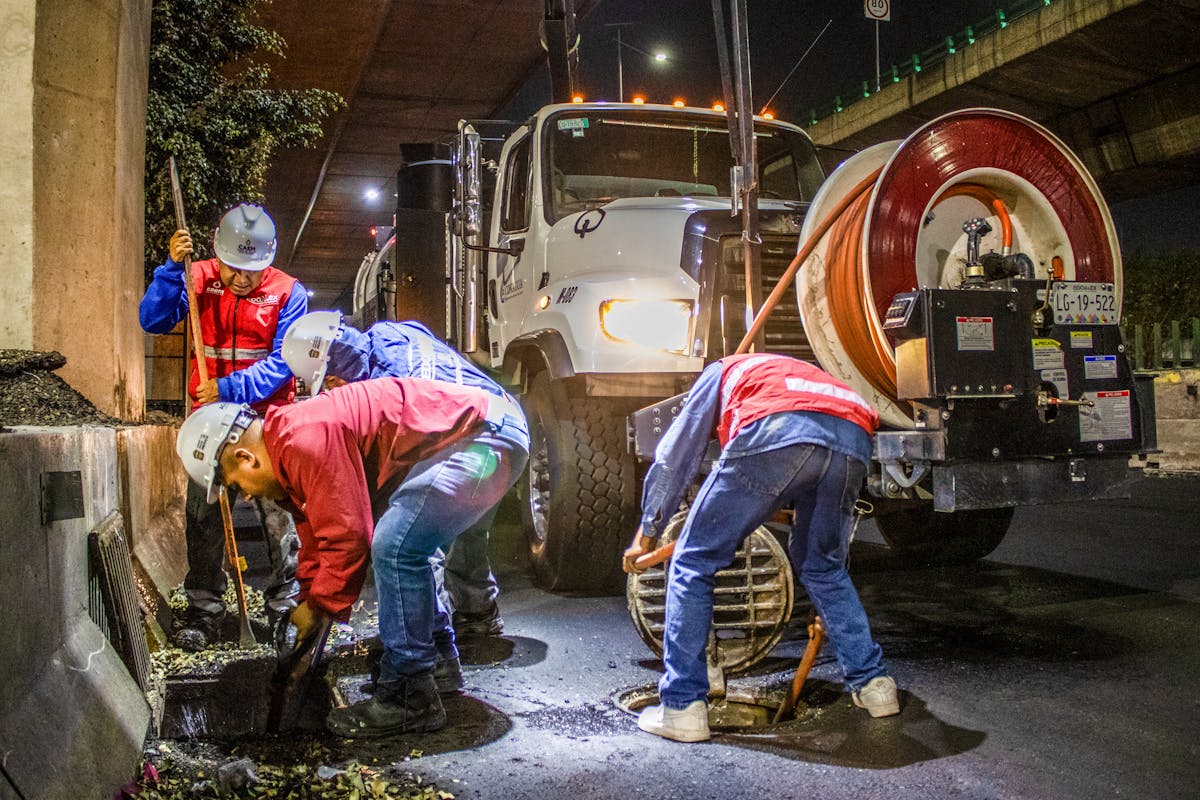
Before the inspection begins, professionals locate the main access point to the sewer line. This could be a cleanout, drain, or another entry point. Choosing the right access point ensures smooth camera movement and complete coverage of the pipeline.
Safety Measures
Safety is always a priority. Inspectors check for hazardous conditions such as gas buildup or structural instability. Proper precautions are taken to protect both the technician and the property.
Step-by-Step Sewer Inspection Checklist
Checking Pipe Condition
The first thing professionals examine is the overall condition of the pipes. They look for cracks, corrosion, and signs of wear. Pipes made from older materials like clay or cast iron are especially prone to damage. Identifying these issues early can prevent sudden pipe failure.
Identifying Blockages
Blockages are one of the most common problems found during inspections. These can be caused by grease buildup, debris, or foreign objects. The camera helps pinpoint the exact location and severity of the blockage, making it easier to decide on the best solution.
Detecting Tree Root Intrusion
Tree roots are surprisingly aggressive when it comes to sewer lines. They seek out moisture and can penetrate even small cracks in pipes. Once inside, they grow and expand, causing significant damage. A proper sewer inspection checklist ensures that root intrusion is carefully examined.
Inspecting Pipe Joints
Pipe joints are weak points in any sewer system. Over time, they can shift, separate, or become misaligned. Inspectors pay close attention to these areas, as even minor misalignment can lead to leaks and structural issues.

How Professionals Document Findings
After completing the inspection, professionals document everything they observe. This includes video recordings, images, and detailed notes. The documentation is essential for explaining the condition of the sewer line to homeowners or buyers.
The report typically highlights problem areas, suggests repairs, and provides an overall assessment. This level of detail ensures transparency and helps in planning the next steps.
Understanding the Inspection Report
Reading a sewer inspection report might feel overwhelming at first, but it becomes easier once you know what to look for. The report usually includes a summary of findings, visual evidence, and recommendations.
Focus on key details like the severity of issues, their location, and the suggested solutions. This information helps you decide whether immediate action is needed or if the problem can wait.
Cost vs Value of Inspection
A sewer camera inspection might seem like an extra expense, but it’s often a smart investment. The cost is relatively low compared to the potential price of major repairs. Identifying a problem early can save thousands of dollars in the long run.
Think of it as preventive care. Just like regular health checkups, routine inspections keep your system in good shape and help avoid unexpected emergencies.
When You Should Schedule an Inspection
There are several situations where a sewer inspection is highly recommended. If you’re buying a home, dealing with recurring plumbing issues, or living in an older property, an inspection can provide valuable insights.
Even without obvious problems, periodic inspections are a good idea. They help catch issues before they escalate, ensuring your sewer system remains reliable.
DIY vs Professional Sewer Inspection
While DIY tools are available, they often lack the quality and precision of professional equipment. A professional inspection offers more accurate results and comprehensive analysis.
Trying to inspect your sewer line yourself might save money upfront, but it can lead to missed problems and costly repairs later. Professionals bring expertise, experience, and advanced tools to the job.
Tips to Maintain Sewer Health
Maintaining your sewer system doesn’t have to be complicated. Simple habits can go a long way in preventing issues. Avoid flushing non-degradable items, limit grease disposal, and schedule regular inspections.
Keeping an eye on early warning signs like slow drains or unusual odors can also help. Addressing these issues promptly prevents them from turning into major problems.
Conclusion
A sewer inspection checklist is more than just a list it’s a powerful tool that ensures every aspect of your sewer system is thoroughly evaluated. From detecting blockages to identifying structural damage, it provides a clear and detailed understanding of what’s happening underground.
By following a structured approach, professionals can uncover hidden issues and recommend effective solutions. Whether you’re maintaining your home or preparing for a property purchase, investing in a sewer camera inspection is a smart move that protects both your property and your wallet.
FAQs
1. What is included in a sewer inspection checklist?
A sewer inspection checklist includes pipe condition, blockages, root intrusion, joint alignment, and overall system health.
2. How long does a sewer camera inspection take?
Most inspections take between 30 to 90 minutes, depending on the size and condition of the sewer line.
3. Is a sewer inspection necessary for new homes?
Yes, even new homes can have hidden issues like poor installation or debris in the pipes.
4. Can a sewer camera detect leaks?
Yes, it can identify cracks, gaps, and other signs that may indicate leaks.
5. How often should I schedule a sewer inspection?
It’s recommended every 1–2 years or whenever you notice signs of plumbing issues.