by Flinn Inspections
Share
by Flinn Inspections
Share
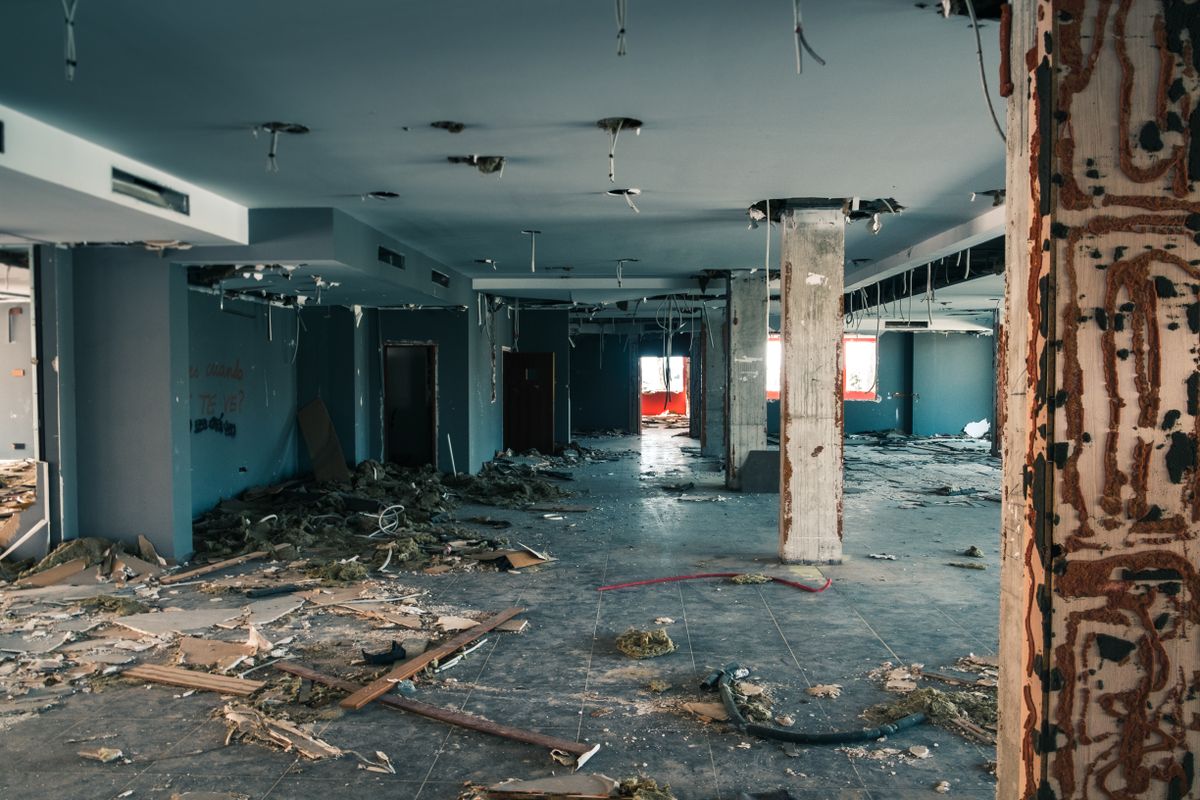
Introduction to Commercial Property Inspections
Commercial buildings are powerful investments, but they can also hide expensive problems beneath their polished surfaces. A property might look modern and well-maintained on the outside, yet serious defects can exist within its structure and systems. This is exactly why commercial inspection issues are so important to understand before buying, leasing, or managing any commercial space.
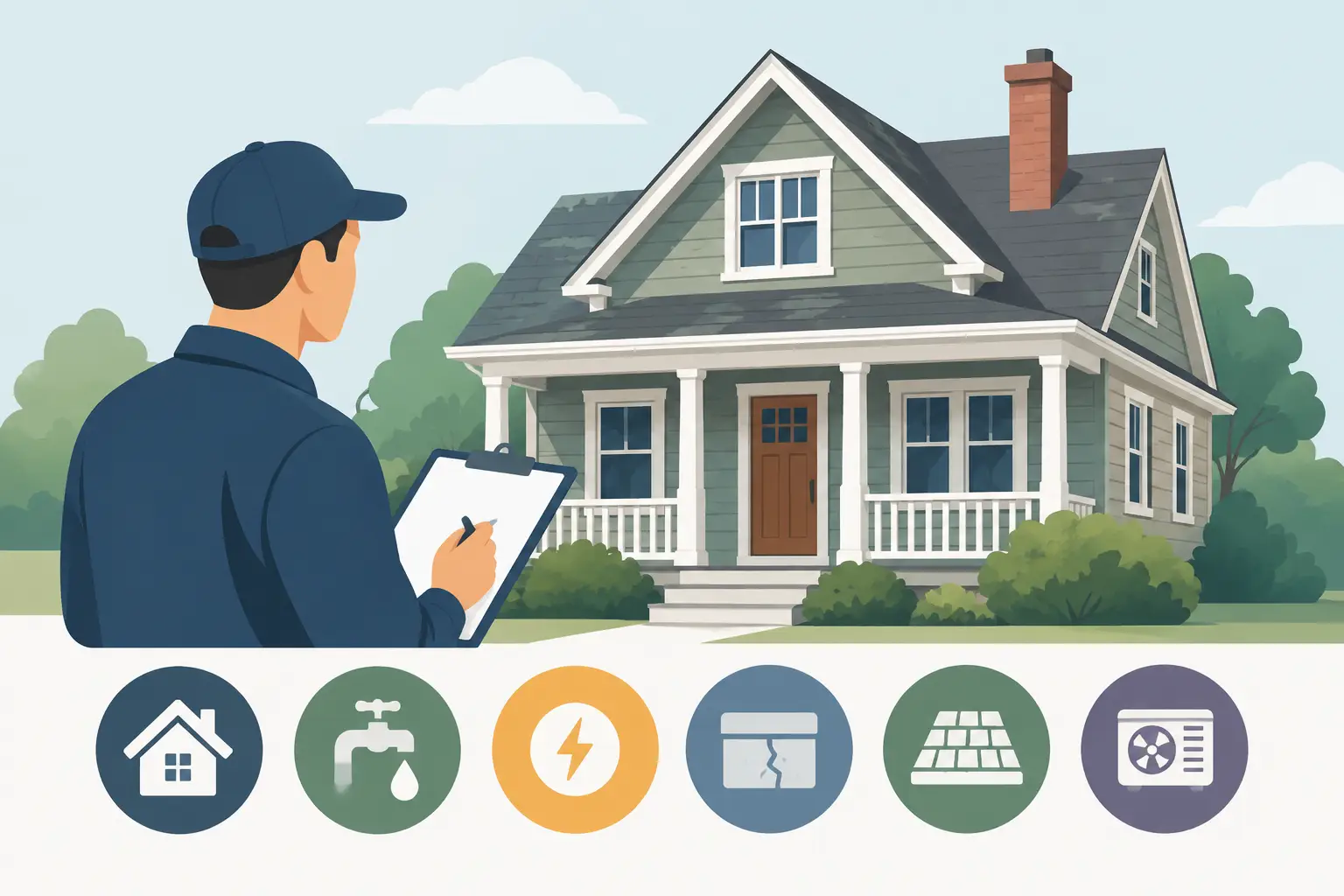
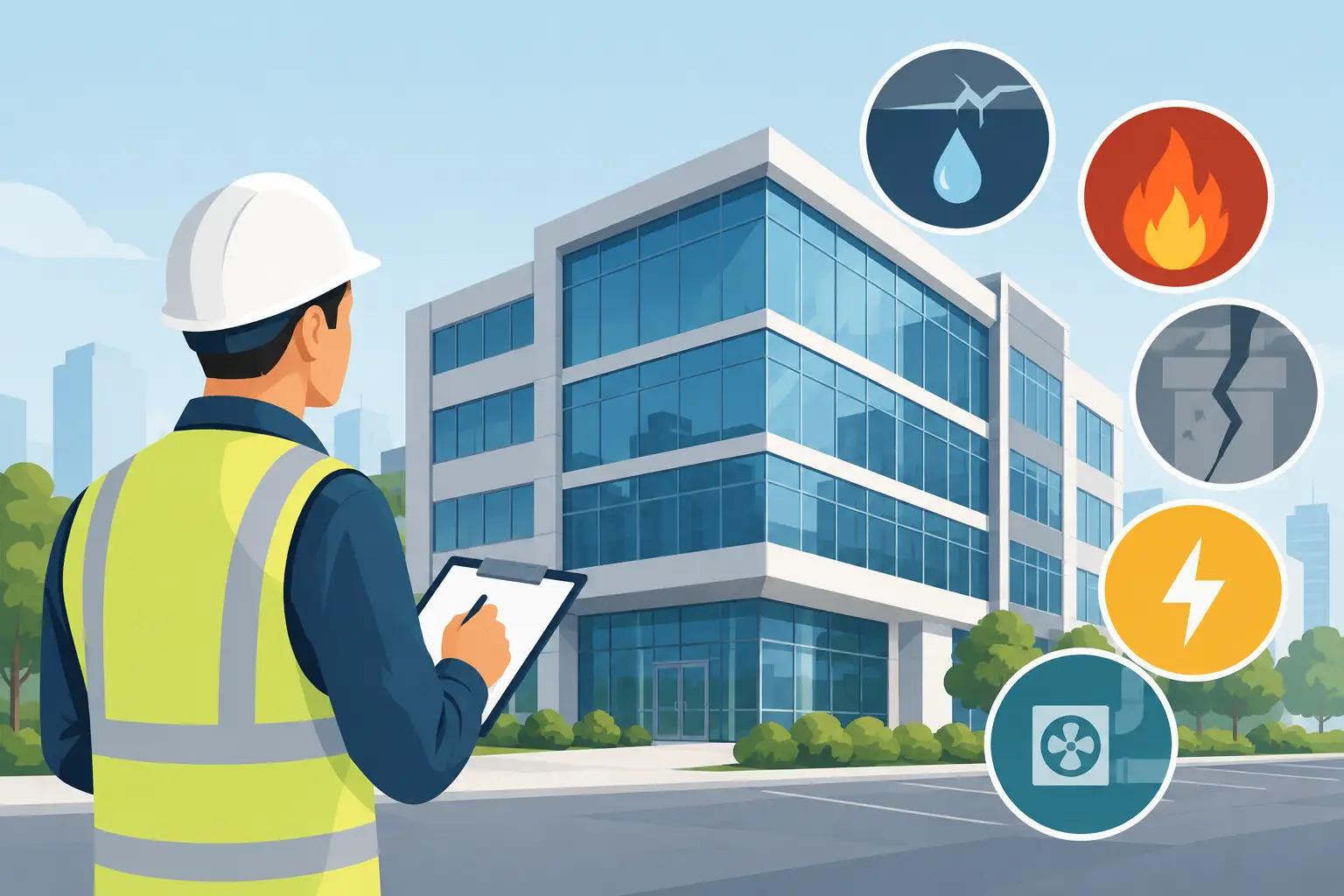
A commercial property inspection is a detailed evaluation of a building’s condition, including its structure, electrical systems, plumbing, HVAC, and safety compliance. Unlike residential inspections, commercial inspections are more complex because these buildings often serve multiple tenants and heavy usage. Without a proper inspection, investors risk unexpected repair costs, legal issues, and safety hazards that can impact business operations.
Structural Problems Found in Commercial Buildings
One of the most serious categories of commercial inspection issues involves structural integrity. Inspectors often focus on whether the building can safely support its intended use over time.
Foundation Cracks and Settlement Issues
Foundation problems are a major concern in commercial properties. Inspectors frequently find cracks in walls, uneven floors, or signs that the building is slowly sinking or shifting. These issues often develop due to soil movement, water damage, or poor construction practices.
Even small foundation cracks can indicate deeper structural instability. If ignored, they may expand and lead to costly repairs or even make parts of the building unsafe for occupancy. Structural engineers are often required when foundation issues are suspected.
Roof Damage and Water Leakage
The roof is another critical area that often reveals hidden problems. Inspectors commonly identify worn-out roofing materials, pooling water, and active leaks. Commercial roofs usually cover large surface areas, making them more vulnerable to weather damage over time.
A damaged roof doesn’t just affect the top of the building—it allows water to enter walls, ceilings, and insulation. This can lead to mold growth, electrical hazards, and interior damage that spreads quickly if not repaired.
Electrical System Deficiencies
Electrical problems are among the most dangerous commercial inspection issues found in older buildings. Commercial properties rely heavily on electrical systems to power lighting, equipment, HVAC systems, and technology infrastructure.
Inspectors often discover outdated wiring, overloaded circuits, or poorly installed electrical panels. These conditions increase the risk of short circuits and fire hazards.
In some cases, electrical systems are not updated to meet current safety codes. This can lead to compliance violations and expensive upgrades. Since commercial buildings often operate continuously, electrical reliability is essential for business continuity.
Plumbing System Problems
Plumbing issues can quietly damage a commercial building over time. Inspectors typically look for leaks, corrosion, and drainage problems throughout the system.
One of the most common findings is leaking pipes hidden behind walls or ceilings. These leaks may go unnoticed until significant damage has already occurred. Corroded pipes can also reduce water quality and lead to system failure.
Blocked drains and inconsistent water pressure are also common. In large commercial buildings, plumbing systems are complex, and even small issues can disrupt operations for multiple tenants.
HVAC System Failures
Heating, ventilation, and air conditioning systems are essential for maintaining comfort in commercial properties. However, they are also one of the most frequently reported commercial inspection issues.
Inspectors often find inefficient HVAC systems that struggle to regulate temperature properly. Common problems include dirty filters, aging units, refrigerant leaks, and poor airflow distribution.
When HVAC systems fail, tenant satisfaction drops quickly. It also leads to higher energy bills and frequent maintenance costs. In commercial environments like offices or retail spaces, this can directly impact business performance.
Fire Safety and Code Violations
Fire safety compliance is a critical part of every commercial inspection. Inspectors carefully evaluate whether the building meets local fire safety regulations.
Common issues include malfunctioning fire alarms, missing smoke detectors, blocked emergency exits, and non-functional sprinkler systems. These violations are not just technical problems—they are serious safety risks.
Failure to meet fire safety codes can result in legal penalties, insurance complications, or even forced closure of the property until issues are resolved.
Water Damage and Moisture Problems
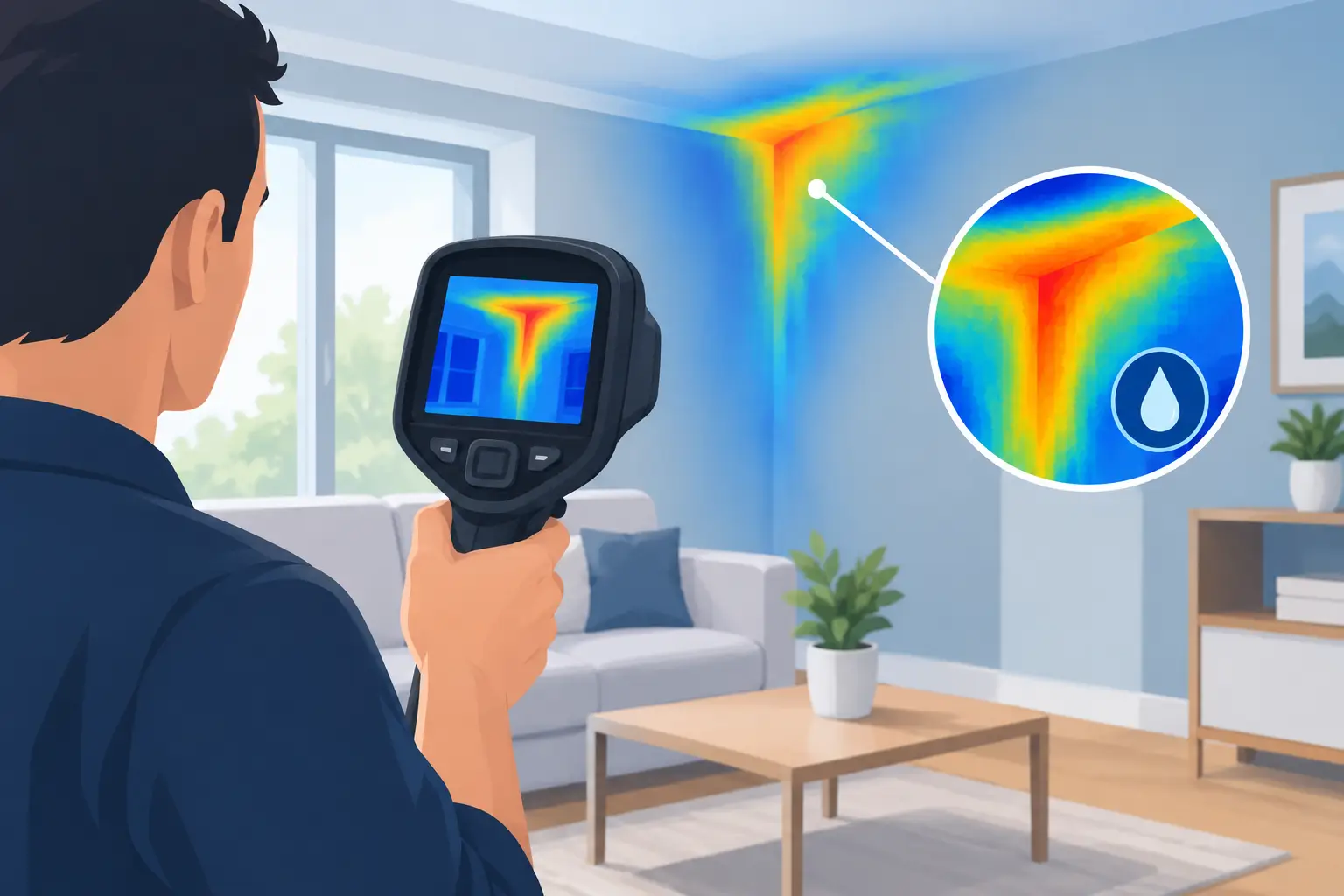
Water intrusion is one of the most damaging hidden commercial inspection issues. Moisture can enter buildings through roof leaks, plumbing failures, or poor drainage systems.
Signs of water damage include stained ceilings, damp walls, peeling paint, and mold growth. Mold is particularly concerning because it can spread quickly and affect indoor air quality.
Over time, moisture weakens building materials and compromises structural integrity. That’s why inspectors pay close attention to even minor signs of water infiltration.
Pest and Infestation Problems
Commercial buildings, especially older ones or those near food services, are vulnerable to pest infestations. Inspectors often identify signs of rodents, insects, or other unwanted pests.
Common indicators include droppings, nesting materials, and damaged insulation or wiring. Rodents can cause electrical hazards by chewing through cables, while insects can damage wooden structures and stored goods.
Pest problems are not only unpleasant—they can also lead to health code violations and tenant dissatisfaction.
Exterior Damage and Parking Lot Issues
The exterior condition of a commercial property plays a big role in its overall value and functionality. Inspectors often find cracks in sidewalks, potholes in parking lots, broken lighting, and damaged facades.
While these may seem minor compared to structural issues, they still affect safety and customer experience. A poorly maintained exterior can discourage tenants and reduce property appeal.
Proper drainage around the building is also important. Poor water runoff can lead to foundation damage and erosion over time.
Environmental Hazards in Commercial Properties
Some commercial properties contain hidden environmental risks that require special attention. Inspectors may identify materials such as asbestos, lead-based paint, or contaminated soil.
These hazards are common in older buildings and can pose serious health risks if disturbed. Removing or managing these materials often requires specialized contractors and additional costs.
Environmental compliance is a major factor in property valuation and future renovation planning.
Conclusion
Understanding commercial inspection issues is essential for anyone involved in buying, leasing, or managing commercial real estate. From structural weaknesses and electrical problems to fire safety violations and environmental risks, these issues can significantly impact property value and operational safety.
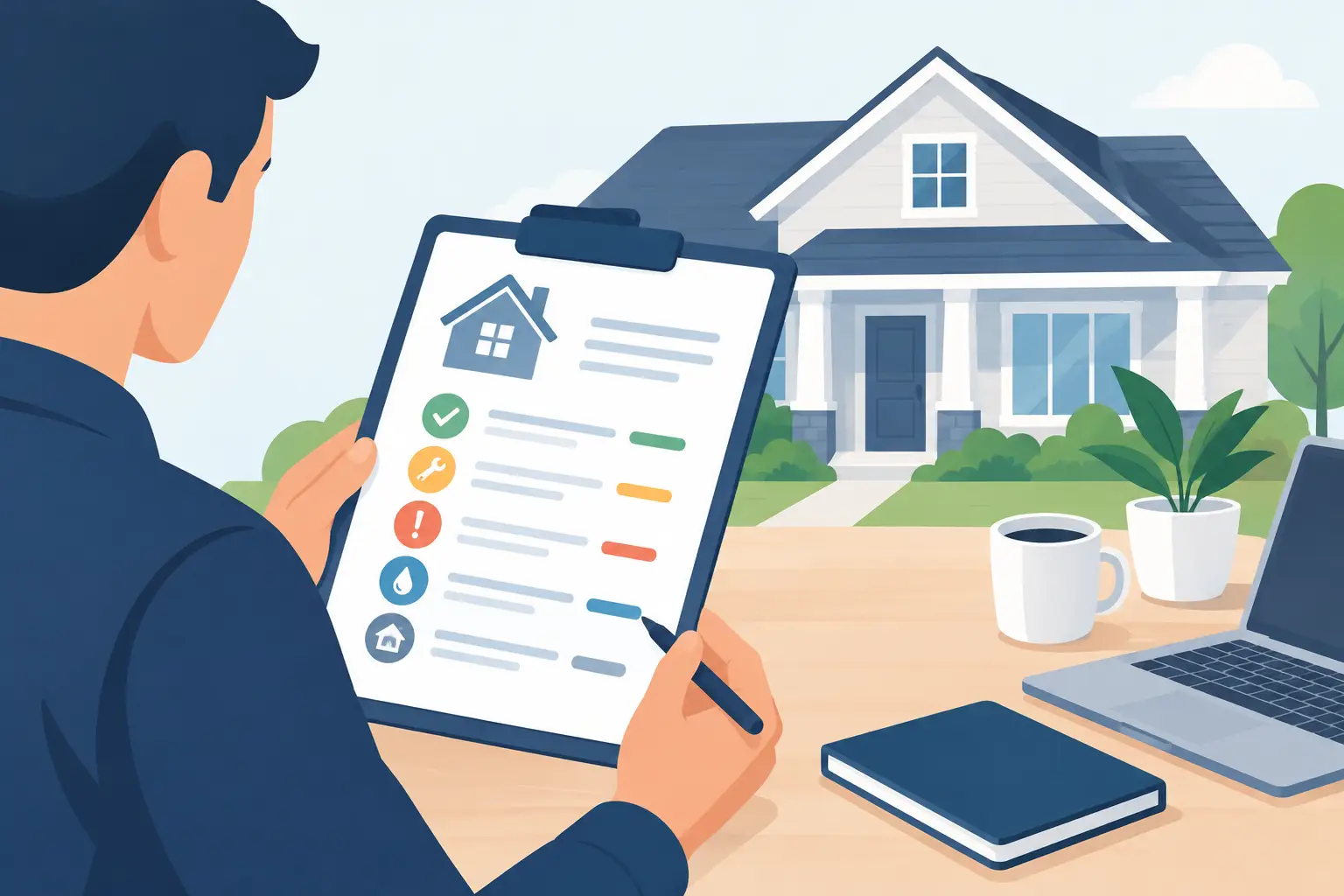
A thorough inspection helps uncover hidden problems before they become expensive surprises. It gives investors and property managers the information they need to make smart, informed decisions. In commercial real estate, knowledge is not just power—it is protection against financial loss and safety risks.
FAQs
1. What are the most common commercial inspection issues?
Structural damage, electrical faults, plumbing leaks, HVAC problems, and fire safety violations are the most common.
2. Why are commercial property inspections important?
They help identify hidden issues that can lead to expensive repairs or legal problems.
3. How long does a commercial inspection take?
It depends on the property size but usually ranges from a few hours to a full day.
4. Can inspection issues affect property value?
Yes, serious issues can significantly reduce property value and increase negotiation leverage for buyers.
5. Who performs commercial property inspections?
Licensed commercial property inspectors or certified building engineers typically handle these inspections.