by Flinn Inspections
Share
by Flinn Inspections
Share
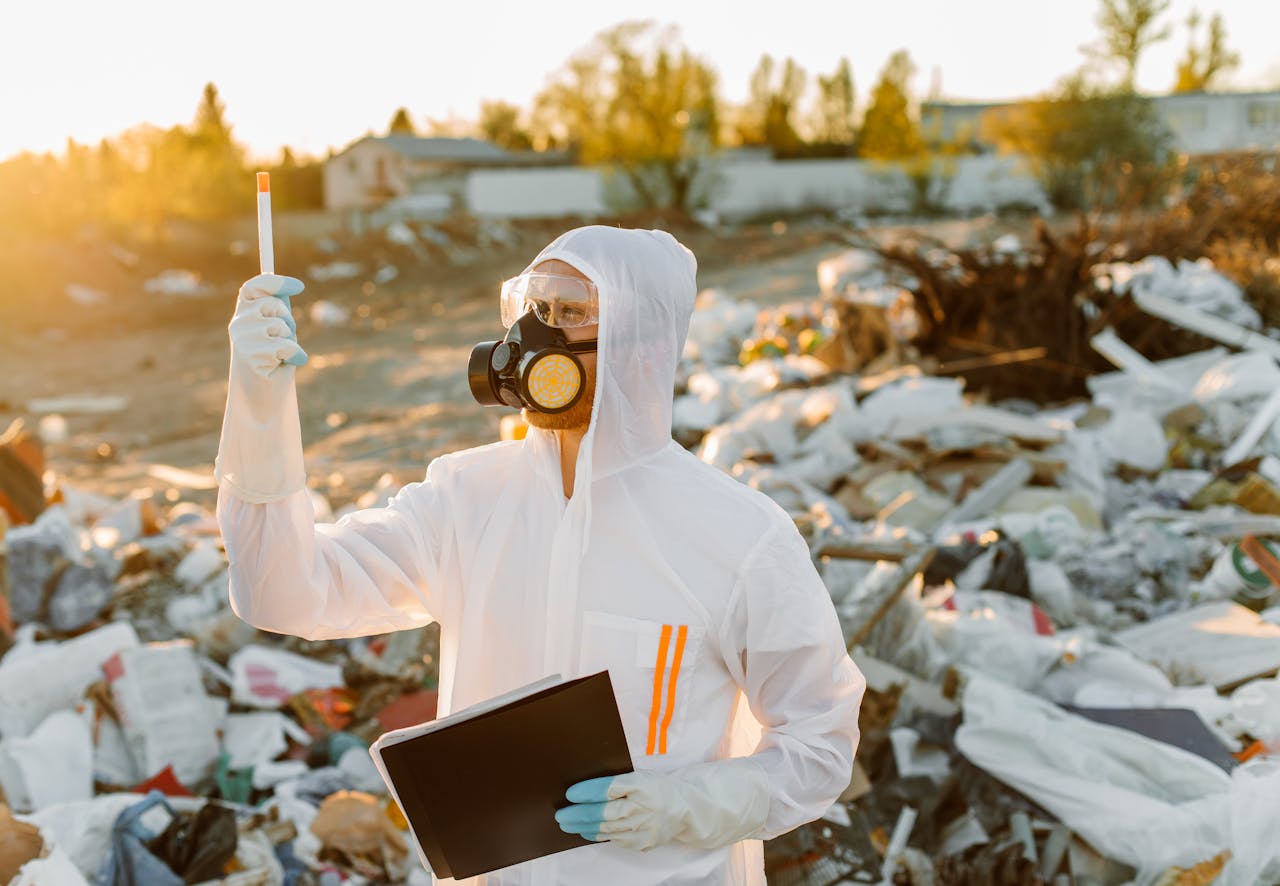
When investing in commercial or industrial property, environmental safety isn’t just about compliance—it’s about protecting your investment. A Phase 1 Environmental Site Assessment (ESA) helps identify environmental contamination risks that could reduce property value, trigger legal liabilities, or require costly cleanups. Let’s explore the most common contaminants found during Phase 1 ESAs and how they can affect property transactions.
What Is a Phase 1 Environmental Site Assessment (ESA)?
A Phase 1 ESA is an in-depth investigation that evaluates a property’s historical and current use to determine the likelihood of contamination. It typically includes:
- Reviewing historical records and maps
- Conducting site inspections
- Interviewing property owners or neighbors
- Identifying Recognized Environmental Conditions (RECs)
The goal is to assess whether environmental hazards are present that could pose risks to human health or the environment.
Why Phase 1 ESAs Are Crucial for Property Buyers
A Phase 1 ESA protects buyers and lenders by revealing hidden issues before finalizing a deal. It helps ensure:
- Compliance with federal and state environmental laws
- Awareness of potential cleanup responsibilities
- Informed decision-making on property value and usability
Skipping a Phase 1 ESA can result in massive financial and legal consequences down the road.
Understanding Environmental Contamination Risks
Environmental contamination risks refer to potential hazards caused by pollutants like petroleum, heavy metals, or industrial chemicals seeping into soil, water, or air. These contaminants can persist for decades, impacting not only property value but also surrounding communities.
Common Sources of Contamination
Many environmental issues stem from previous property uses. Common sources include:
- Gas stations and auto repair shops
- Manufacturing plants
- Dry cleaners
- Agricultural operations
- Waste disposal sites
Now, let’s dive deeper into the common contaminants identified during Phase 1 ESAs.
1. Petroleum and Hydrocarbons
Causes
Petroleum contamination often originates from leaking underground storage tanks (USTs), pipelines, or spills at fuel stations and industrial sites.
Impact on Property Value
Petroleum can infiltrate groundwater, leading to costly remediation. Properties with past fuel usage are often flagged, delaying transactions until a Phase 2 ESA confirms cleanup needs.
2. Heavy Metals
Common Types
- Lead: Found in paints, batteries, and old plumbing
- Mercury: Common in manufacturing and lab waste
- Arsenic: Used historically in pesticides and wood preservatives
Environmental and Health Effects
Heavy metals remain in soil and groundwater for decades, posing long-term health risks such as neurological damage and cancer. Their presence can significantly reduce a site’s development potential.
3. Volatile Organic Compounds (VOCs)
Where They Come From
VOCs are chemical compounds released from paints, solvents, fuels, and industrial processes.
Impact on Soil and Air Quality
These contaminants easily evaporate, polluting indoor air and groundwater. VOCs are especially concerning for residential conversions of old industrial properties.
4. Pesticides and Herbicides
Agricultural and Landscaping Sources
Properties near farms or golf courses may have residual pesticide contamination.
Risk to Groundwater
These chemicals can migrate through soil into aquifers, contaminating drinking water supplies—a critical environmental contamination risk.
5. Asbestos and Lead-Based Paint
Common in Older Buildings
Structures built before the 1980s may contain asbestos insulation and lead paint.
Impact on Renovations
If disturbed, these materials release toxic fibers and dust, requiring specialized removal and raising renovation costs.
6. Polychlorinated Biphenyls (PCBs)
Sources and Dangers
PCBs were widely used in electrical equipment and hydraulic fluids. Despite being banned, residues persist in old transformers and soil.
How PCBs Affect Site Assessment Results
Detecting PCBs during a Phase 1 ESA usually triggers a Phase 2 assessment and possible regulatory reporting, delaying property transactions.
How Environmental Contaminants Affect Property Value
Contamination can drastically reduce a property’s market value by:
- Lowering buyer interest
- Increasing liability and cleanup costs
- Limiting redevelopment potential
- Triggering regulatory restrictions
Buyers often demand lower prices or walk away entirely if contamination is confirmed.
How a Phase 1 ESA Helps Identify Environmental Risks
A well-conducted ESA gives property owners and investors clarity about:
- The site’s contamination potential
- Previous hazardous operations nearby
- Necessary steps to prevent liability
It’s an essential part of responsible due diligence in real estate.
Next Steps After Identifying Contaminants (Phase 2 ESA)
If contamination risks are suspected, a Phase 2 Environmental Site Assessment follows. This involves collecting soil, water, or air samples to verify contamination and plan remediation if necessary.
How to Mitigate Environmental Contamination Risks
To minimize future risks:
- Work with certified environmental inspectors
- Maintain up-to-date records of land use
- Clean up small spills promptly
- Avoid developing on previously contaminated land without professional assessment
Proactive inspections ensure safer, more valuable investments.
Conclusion
A Phase 1 Environmental Site Assessment is more than just a requirement—it’s your best defense against environmental contamination risks that could cost millions in remediation and legal fees. Identifying contaminants early ensures safer transactions, healthier communities, and smarter investments.
FAQs
- What is the main purpose of a Phase 1 Environmental Site Assessment?
To identify potential environmental contamination before purchasing or developing property. - What are the most common contaminants found in Phase 1 ESAs?
Petroleum, heavy metals, VOCs, pesticides, asbestos, and PCBs. - How do contaminants affect property value?
They reduce value by increasing liability, cleanup costs, and limiting redevelopment potential. - When should I order a Phase 1 ESA?
Before buying, leasing, or refinancing any commercial or industrial property. - What happens if contamination is found?
A Phase 2 ESA is conducted to confirm and measure the extent of contamination.