by Flinn Inspections
Share
by Flinn Inspections
Share

A bad commercial deal rarely looks bad from the parking lot. The lobby can be clean, the rent roll can look solid, and the roof can still be near failure. That is why a commercial property inspection guide matters before you buy, lease, refinance, or plan major capital work. If you are making decisions on an office building, retail space, warehouse, mixed-use property, or small multi-tenant asset, the inspection is where surface-level confidence meets real building conditions.
Commercial inspections are not about finding a few punch-list items. They are about helping you understand risk, deferred maintenance, safety concerns, and likely repair costs before those issues affect your budget or timeline. For owners and investors, that clarity protects leverage during negotiations and supports better planning after closing.
What a commercial property inspection guide should help you answer
A useful inspection process should answer practical questions, not just generate a long report. Is the structure performing as expected? Are major systems near the end of service life? Are there visible signs of moisture intrusion, settlement, electrical concerns, or HVAC deficiencies? Is the building being maintained, or are you inheriting years of postponed repairs?
The right guide should also set expectations. A commercial inspection is primarily a visual, non-invasive evaluation of accessible systems and components. It is not a guarantee against future failure, and it does not replace specialty evaluations when red flags appear. That distinction matters because the best inspection often leads to a second layer of due diligence, not a false sense of certainty.
What gets inspected in a commercial property inspection
The exact scope depends on the building type, occupancy, age, size, and client goals. Still, most commercial inspections focus on the core components that affect safety, function, and near-term expense.
Structure and exterior envelope
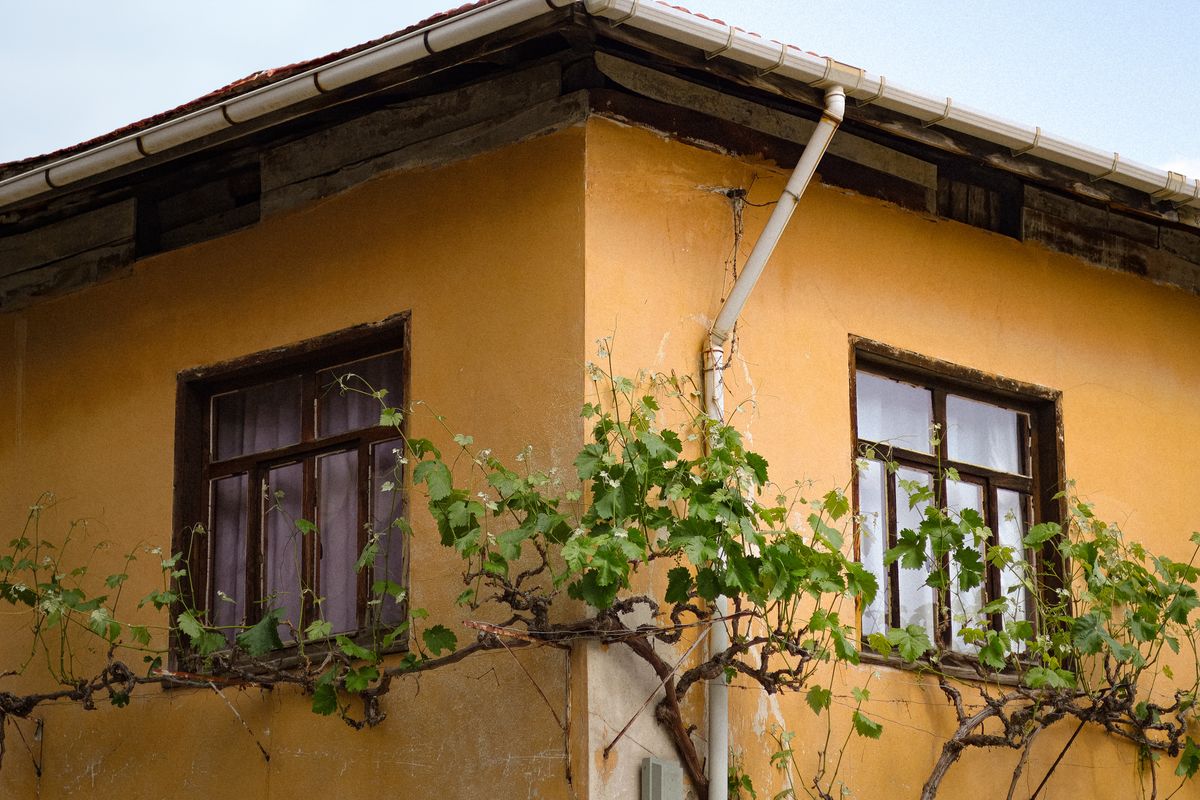
Inspectors look at visible structural elements, foundations, framing where accessible, exterior walls, windows, doors, drainage patterns, sidewalks, and parking areas. Cracking is not always a deal-breaker, but the pattern, width, and location matter. A stair-step crack in masonry raises different concerns than minor surface shrinkage in concrete.
The exterior envelope deserves close attention because water is relentless. Roofing details, flashing, wall penetrations, sealants, and grading issues can all contribute to hidden damage. In Central Ohio, freeze-thaw cycles and seasonal moisture swings make water management a recurring issue, especially on older buildings and properties with deferred exterior maintenance.
Roofing systems
The roof is one of the most expensive surprises in commercial ownership. An inspection should evaluate visible roof materials, drainage, penetrations, flashing, parapets, and signs of ponding, patching, or active leakage. Even when a roof is not currently leaking indoors, poor drainage or aging membrane conditions can point to a significant upcoming expense.
This is where trade-offs often come into play. A roof may still be serviceable, but only with active maintenance and a realistic reserve budget. That is very different from a roof that needs immediate replacement. Good reporting helps you understand that difference.
Electrical systems
Commercial electrical systems need more than a quick glance at a panel. The inspection should review service equipment, panels, visible wiring, disconnects, grounding and bonding where visible, and signs of overheating, improper modifications, or capacity concerns. Older properties often show a history of additions and tenant improvements, and those changes do not always age well.
Electrical findings can affect insurance, financing, and safety. Improperly installed breakers, damaged conductors, missing covers, double taps where not permitted, or evidence of heat damage should never be treated as minor cosmetic issues.
HVAC, plumbing, and mechanical equipment
Heating, cooling, ventilation, plumbing distribution, water heaters, and visible fuel connections are central to building performance. Inspectors assess accessible equipment condition, operation, visible defects, and signs of leakage, corrosion, poor installation, or deferred service.
With commercial properties, age alone does not tell the whole story. A well-maintained unit can outperform a newer unit that has been neglected. At the same time, an older rooftop unit may be functioning on inspection day and still be near the end of its useful life. That is why smart buyers look at both present performance and likely replacement horizon.
Interior areas and life-safety concerns
Inside the building, the inspection typically includes walls, ceilings, floors, doors, stairs, restrooms, representative tenant spaces, utility rooms, and visible signs of water intrusion or movement. Safety issues such as damaged handrails, trip hazards, missing covers, and egress concerns can affect both liability and occupancy.
Life-safety systems may be observed as part of the inspection, but there are limits. Fire alarms, sprinklers, extinguishers, emergency lighting, and code-specific compliance items may require separate specialist review, testing, or documentation. That does not reduce their importance. It simply means you should not assume a general commercial inspection covers every compliance layer in detail.
What a commercial inspection may not cover without add-on services
This is where many buyers get caught off guard. A standard inspection may identify visible concerns, but certain risks require separate testing or specialty services. Depending on the property, you may need environmental testing, mold or indoor air quality assessment, radon testing, sewer camera scoping, septic evaluation, well water testing, lead-based paint review, asbestos assessment, or termite inspection.
For example, a warehouse with an older office buildout raises different concerns than a retail strip center or mixed-use property with tenant turnover. A building can appear structurally sound and still have hidden sewer line defects, elevated radon, moisture-driven mold conditions, or environmental concerns tied to age and use history. When those risks are relevant, bundling services through one inspection partner can save time and reduce communication gaps.
Why investors and owners should care about reporting quality
The inspection itself matters, but the report is what you use to act. A strong commercial report should be clear, organized, and direct about material defects, safety concerns, deferred maintenance, and items that need specialist review. If your report reads like a vague photo album, it will not help you negotiate repairs, budget reserves, or prioritize next steps.
Speed matters too. In active transactions, delays can cost leverage. Same-day reporting is valuable because it allows buyers, owners, and agents to move quickly while details are still fresh. That is especially useful when due diligence windows are tight or multiple consultants are involved.
Advanced tools can also improve the value of the inspection when used appropriately. Thermal imaging can help identify temperature anomalies consistent with moisture intrusion, insulation defects, or electrical hot spots. Gas leak detection adds another layer of protection when fuel systems are present. These tools do not replace experience, but they can reveal issues that a basic visual pass might miss.
How to use this commercial property inspection guide before you schedule
Start by defining your goal. Are you buying the property, renewing a lease, planning renovations, evaluating a complaint, or building a capital reserve plan? The purpose affects the scope. A buyer may want the broadest due diligence possible, while a long-term owner may focus on aging systems and deferred maintenance.
Next, make sure the inspection company understands the property type and your timeline. Commercial inspections are not one-size-fits-all. An office condo, restaurant shell, industrial building, and neighborhood retail center each present different risks. You want an inspector who asks the right questions before arriving on site, not after the report is delivered.
It also helps to gather available records in advance. Past repair invoices, maintenance logs, roof documentation, HVAC service history, and tenant improvement details can sharpen the inspection and make findings more useful. If those records are missing, that absence can be a signal in itself.
If you are a buyer, attend the inspection when possible. The walkthrough gives context that photos alone cannot provide. You can ask where the biggest budget risks are, which issues are immediate, and which ones belong in a one-to-three-year planning window. That conversation often becomes as valuable as the report.
Choosing an inspection partner for a commercial property inspection guide
Credentials matter, but so does mindset. You want a company that treats the inspection as investment protection, not a rushed box to check. Thoroughness, communication, and the ability to coordinate ancillary services make a real difference when timelines are short and decisions carry six or seven figures of exposure.
For commercial clients in Central Ohio, that often means working with a team that can evaluate the core building while also supporting broader concerns such as air quality, sewer lines, wood-destroying insects, water testing, or environmental red flags when those issues surface. Flinn Inspection Group approaches inspections with that full-picture standard because clients do not need partial answers when major property decisions are on the line.
The best inspection does not tell you whether to buy. It tells you what you are buying, what it may cost to stabilize, and where the risk truly sits. That is the kind of clarity that protects your position long after the tour ends.